Home Blog Page 57

Bankruptcy Law: Your Rights and Options when Facing Financial Crisis

0

Introduction

Understanding Bankruptcy

Understanding bankruptcy is crucial when facing a financial crisis. It is a legal process that provides individuals and businesses with the opportunity to eliminate or repay their debts under the protection of the bankruptcy court. By understanding bankruptcy, individuals can explore their rights and options to navigate through the challenges of a financial crisis. This includes understanding the different types of bankruptcy, such as Chapter 7 and Chapter 13, and how they can affect one’s financial situation. Additionally, understanding bankruptcy laws can help individuals make informed decisions about their financial future and seek professional assistance when needed. Overall, gaining a comprehensive understanding of bankruptcy is essential for anyone facing a financial crisis, as it can provide the necessary knowledge and tools to regain control of their financial well-being.

Importance of Bankruptcy Law

Bankruptcy law plays a crucial role in providing individuals and businesses with the necessary legal framework to navigate through financial crises. It is designed to protect the rights of debtors and creditors, ensuring a fair and orderly process for resolving financial difficulties. One of the key importance of bankruptcy law is that it offers individuals and businesses an opportunity for a fresh start by eliminating or restructuring their debts. This allows them to regain control of their finances and rebuild their lives. Additionally, bankruptcy law provides a safety net for creditors, ensuring that they have a fair chance of recovering at least a portion of the debt owed to them. Overall, the importance of bankruptcy law cannot be overstated as it provides a crucial safety net and a pathway to financial recovery for individuals and businesses facing financial crisis.

Overview of Bankruptcy Process

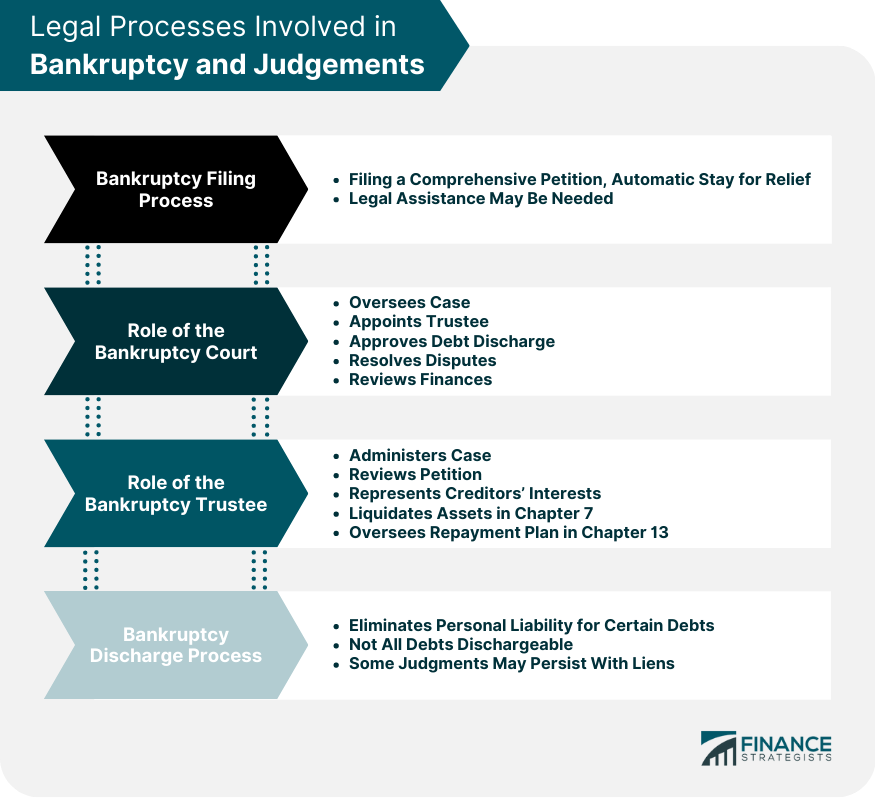
The bankruptcy process is a legal procedure that individuals and businesses can use to address their financial crisis. It provides a way for debtors to eliminate or repay their debts under the protection of the court. The process begins with the filing of a bankruptcy petition, which initiates an automatic stay that halts all collection activities by creditors. The debtor will then work with a bankruptcy trustee to create a repayment plan or liquidate assets to repay creditors. The bankruptcy process can be complex and time-consuming, requiring the assistance of an experienced bankruptcy attorney to navigate through the various steps and requirements.

Types of Bankruptcy

Chapter 7 Bankruptcy

Chapter 7 bankruptcy, also known as liquidation bankruptcy, is a legal process that allows individuals or businesses to eliminate most of their debts and start fresh. In this type of bankruptcy, a trustee is appointed to sell the debtor’s non-exempt assets and distribute the proceeds to the creditors. The debtor is allowed to keep certain exempt assets, such as a primary residence and necessary personal belongings. Chapter 7 bankruptcy provides a relatively quick and straightforward way to obtain debt relief, but it also has strict eligibility requirements and may have long-term consequences on the debtor’s creditworthiness. It is important to consult with a bankruptcy attorney to understand the implications and explore other options before deciding to file for Chapter 7 bankruptcy.

Chapter 13 Bankruptcy

Chapter 13 bankruptcy, also known as a reorganization bankruptcy, is a legal process that allows individuals with a regular income to create a plan to repay their debts over a period of time, typically three to five years. Unlike Chapter 7 bankruptcy, which involves liquidation of assets, Chapter 13 bankruptcy allows individuals to keep their property while making affordable monthly payments to creditors. This type of bankruptcy is often chosen by individuals who have a steady income and want to avoid foreclosure, repossession, or wage garnishment. It provides a structured way to catch up on missed mortgage or car payments and can help individuals regain control of their finances and start fresh. If you are considering filing for Chapter 13 bankruptcy, it is important to consult with a qualified bankruptcy attorney who can guide you through the process and help you understand your rights and options.

Chapter 11 Bankruptcy

Chapter 11 bankruptcy, also known as reorganization bankruptcy, is a legal process that allows businesses to restructure their debts and continue their operations. This chapter of the bankruptcy code is primarily designed for larger corporations and businesses that have significant assets and liabilities. Unlike other types of bankruptcy, Chapter 11 allows the debtor to remain in control of their business while developing a plan to repay their creditors over time. This process can be complex and time-consuming, involving negotiations with creditors, approval from the bankruptcy court, and the development of a feasible repayment plan. Chapter 11 bankruptcy provides businesses with an opportunity to regain financial stability and avoid liquidation, but it requires careful planning and execution to be successful.

Bankruptcy Eligibility

Means Test

The Means Test is an important aspect of bankruptcy law that determines whether an individual or business is eligible to file for bankruptcy under Chapter 7. This test evaluates the debtor’s income and expenses to calculate their disposable income. If the debtor’s income is below the state median income, they automatically qualify for Chapter 7 bankruptcy. However, if their income is above the median, they must pass the second part of the Means Test, which deducts allowable expenses from their income to determine their disposable income. If their disposable income falls below a certain threshold, they may still be eligible for Chapter 7 bankruptcy. Otherwise, they may need to consider filing under Chapter 13, which involves a repayment plan. The Means Test is designed to ensure that bankruptcy relief is available to those who truly need it and prevents abuse of the system.

Income Requirements

Income requirements play a crucial role when it comes to bankruptcy law and understanding your rights and options during a financial crisis. These requirements determine whether you qualify for certain types of bankruptcy, such as Chapter 7 or Chapter 13. The bankruptcy court will assess your income to determine if it falls below the median income level for your state. If it does, you may be eligible for Chapter 7 bankruptcy, which allows for the discharge of most of your debts. On the other hand, if your income exceeds the median income level, you may still be able to file for Chapter 13 bankruptcy, which involves creating a repayment plan to pay off your debts over a specified period of time. It is important to consult with a bankruptcy attorney to fully understand the income requirements and how they may impact your financial situation.

Debt Limitations

Debt Limitations play a crucial role in the bankruptcy law system, providing individuals and businesses with certain rights and options when facing a financial crisis. These limitations set a threshold on the amount of debt that can be discharged or restructured through bankruptcy proceedings. By establishing these limitations, the law aims to strike a balance between providing relief to debtors and protecting the interests of creditors. Understanding the debt limitations is essential for individuals and businesses navigating the bankruptcy process, as it helps them assess their options and make informed decisions about their financial future.

Bankruptcy Proceedings

Filing for Bankruptcy

Filing for bankruptcy can be a difficult decision to make, but it is important to understand your rights and options when facing a financial crisis. Bankruptcy law provides individuals and businesses with a legal process to eliminate or restructure their debts and obtain a fresh start. By filing for bankruptcy, you can stop creditor harassment, prevent foreclosure or repossession, and have the opportunity to regain control of your financial situation. It is crucial to consult with a knowledgeable bankruptcy attorney who can guide you through the process and help you make informed decisions about your case. Remember, bankruptcy is not a sign of failure, but rather a tool that can provide relief and a path towards financial recovery.

Automatic Stay

The Automatic Stay is a crucial aspect of bankruptcy law that provides immediate relief to individuals facing financial crisis. When a person files for bankruptcy, the Automatic Stay goes into effect, putting a halt to all collection efforts by creditors. This means that creditors are prohibited from pursuing any legal actions, such as lawsuits, wage garnishments, or foreclosure proceedings, against the debtor. The Automatic Stay gives debtors the opportunity to regroup and evaluate their financial situation without the constant pressure of creditor harassment. It also allows debtors to retain their assets and prevents the disconnection of essential utilities, providing a temporary shield against financial instability. However, it is important to note that the Automatic Stay is not permanent, and its duration may vary depending on the type of bankruptcy filing. Nevertheless, during the period of the Automatic Stay, debtors have the opportunity to explore their rights and options under bankruptcy law, seeking professional guidance to determine the best course of action for their financial future.

Meeting of Creditors

In the bankruptcy process, one important step is the Meeting of Creditors. This meeting, also known as a 341 meeting, is a mandatory event where the debtor and their attorney meet with the bankruptcy trustee and any creditors who choose to attend. During this meeting, the debtor is required to answer questions about their financial situation, assets, and debts. It provides an opportunity for creditors to ask questions and gather information to determine the best course of action for their claims. It is essential for debtors to be prepared and honest during this meeting, as it plays a significant role in the bankruptcy process. The meeting of creditors is a crucial part of ensuring transparency and fairness in the bankruptcy proceedings.

Bankruptcy Discharge

Dischargeable Debts

Dischargeable debts refer to those debts that can be eliminated or forgiven through bankruptcy. When facing a financial crisis, understanding which debts are dischargeable can be crucial in determining your options and rights. In bankruptcy, certain types of debts, such as credit card debt, medical bills, and personal loans, can be discharged, providing individuals with a fresh start and relief from overwhelming financial burdens. However, it is important to note that not all debts are dischargeable, including student loans, child support, and certain tax obligations. Consulting with a bankruptcy attorney can help you navigate the complexities of dischargeable debts and ensure you make informed decisions to regain financial stability.

Non-Dischargeable Debts

Non-dischargeable debts refer to the types of debts that cannot be eliminated through bankruptcy. These debts are typically obligations that the debtor must still repay even after filing for bankruptcy. Examples of non-dischargeable debts include child support and alimony payments, certain tax debts, student loans, and debts arising from fraudulent activities. It is important for individuals facing financial crisis to understand which debts are non-dischargeable, as it can impact their decision-making process when considering bankruptcy as an option.

Effect of Discharge

The effect of discharge is a crucial aspect of bankruptcy law. When a debtor’s debts are discharged, they are legally released from the obligation to repay those debts. This means that creditors can no longer take any legal action to collect the discharged debts. The discharge provides a fresh start for the debtor, allowing them to rebuild their financial life without the burden of past debts. However, it is important to note that not all debts can be discharged in bankruptcy, such as certain tax debts, student loans, and child support obligations. Understanding the effect of discharge is essential for individuals facing financial crisis and considering bankruptcy as an option.

Alternatives to Bankruptcy

Debt Consolidation

Debt consolidation is a financial strategy that can provide individuals facing a financial crisis with a glimmer of hope. It involves combining multiple debts into a single loan, often with a lower interest rate and more manageable monthly payments. This approach not only simplifies the repayment process but also allows individuals to potentially save money in the long run. By consolidating their debts, individuals can regain control over their finances and take the necessary steps towards overcoming their financial challenges. However, it is important to carefully consider the terms and conditions of the consolidation loan and seek professional advice to ensure it is the right solution for their specific situation.

Debt Settlement

Debt settlement is a viable option for individuals facing a financial crisis and struggling to repay their debts. This approach involves negotiating with creditors to settle the outstanding balance for a reduced amount. By reaching a mutually agreeable settlement, individuals can avoid bankruptcy and alleviate the burden of overwhelming debt. Debt settlement allows individuals to regain control of their financial situation and work towards a fresh start. However, it is important to approach debt settlement with caution and seek professional advice to ensure the best possible outcome.

Credit Counseling

Credit counseling is an essential step for individuals facing financial crisis and contemplating bankruptcy. It is a process that involves working with a certified credit counselor to assess one’s financial situation, develop a budget, and explore potential options for debt relief. Credit counseling aims to provide individuals with the knowledge and tools necessary to manage their finances effectively and avoid bankruptcy if possible. During credit counseling sessions, individuals can learn about debt management techniques, such as debt consolidation or negotiation, and receive guidance on creating a realistic repayment plan. By seeking credit counseling, individuals can gain a better understanding of their financial rights and options, helping them make informed decisions about their financial future.

Exploring the Ethics and Professional Conduct of Lawyers

0

Introduction

Definition of Ethics

The definition of ethics in the context of the legal profession refers to a set of moral principles and values that guide the behavior and conduct of lawyers. It encompasses the standards of honesty, integrity, and professionalism that lawyers are expected to uphold in their interactions with clients, colleagues, and the court. Ethics in the legal profession not only dictate how lawyers should act, but also serve as a foundation for maintaining public trust and confidence in the justice system. By adhering to ethical standards, lawyers ensure that they fulfill their duty to provide competent and zealous representation while maintaining the highest level of ethical conduct.

Importance of Ethics in the Legal Profession

Ethics plays a crucial role in the legal profession as it ensures the integrity, fairness, and justice in the delivery of legal services. Lawyers are entrusted with the responsibility of upholding the principles of ethics and professional conduct, which are essential for maintaining public trust and confidence in the legal system. The importance of ethics in the legal profession cannot be overstated, as it guides lawyers in making ethical decisions, maintaining client confidentiality, and avoiding conflicts of interest. By adhering to ethical standards, lawyers contribute to a just and equitable society where everyone has access to legal representation and the rule of law is upheld.

Overview of Professional Conduct

In the legal profession, maintaining high standards of professional conduct is of utmost importance. Lawyers are expected to adhere to a code of ethics that governs their behavior and interactions with clients, colleagues, and the court. The overview of professional conduct provides a comprehensive understanding of the ethical obligations and responsibilities that lawyers have towards their clients and the legal system. It covers various aspects such as confidentiality, conflict of interest, honesty, and integrity. This section serves as a guide for lawyers to navigate through complex ethical dilemmas and make sound decisions in the best interest of their clients and the legal profession as a whole.

Historical Perspective

Evolution of Legal Ethics

The evolution of legal ethics has been a fascinating journey, reflecting the changing values and societal expectations placed upon lawyers. Over the centuries, the legal profession has undergone significant transformations, adapting to the complexities of a rapidly evolving world. From its origins in ancient civilizations to the modern-day, legal ethics have evolved to encompass a wide range of principles and rules that guide the conduct of lawyers. This evolution has been influenced by various factors, including advancements in technology, globalization, and the recognition of human rights. As legal systems continue to evolve, so too will the ethical standards that govern the practice of law, ensuring that lawyers uphold the highest levels of professionalism and integrity.

Landmark Cases in Legal Ethics

Landmark cases in legal ethics have played a crucial role in shaping the standards and principles that guide the conduct of lawyers. These cases have not only highlighted the importance of upholding ethical values in the legal profession but have also served as a precedent for future legal proceedings. One such notable case is the Watergate scandal, which exposed the unethical practices of lawyers involved in the cover-up of illegal activities. This case not only led to the resignation of a president but also led to significant reforms in legal ethics, emphasizing the need for honesty, integrity, and accountability in the legal profession. Another landmark case is the Enron scandal, which revealed the unethical behavior of lawyers who were complicit in the fraudulent activities of the company. This case resulted in stricter regulations and oversight to prevent similar ethical breaches in the future. These landmark cases serve as reminders of the importance of maintaining the highest ethical standards in the legal profession and serve as a constant reminder of the consequences that can arise when these standards are compromised.

Influence of Legal Ethics on the Legal System

The influence of legal ethics on the legal system is profound and far-reaching. Ethical standards guide the behavior and conduct of lawyers, ensuring that they uphold the principles of justice, fairness, and integrity. These standards not only shape the actions of individual lawyers but also impact the overall functioning of the legal system. Legal ethics promote the rule of law, protect the rights of clients, and maintain public trust and confidence in the legal profession. By adhering to ethical principles, lawyers contribute to the effective administration of justice and the preservation of the fundamental values upon which the legal system is built.

Code of Ethics

Overview of the Model Rules of Professional Conduct

The Model Rules of Professional Conduct serve as a comprehensive guide for lawyers to maintain ethical standards and professional conduct in their practice. These rules, established by the American Bar Association, outline the responsibilities and obligations that lawyers must adhere to in order to protect the interests of their clients and the integrity of the legal profession. The overview of the Model Rules provides a framework for understanding the ethical principles that govern lawyers’ behavior, including confidentiality, conflicts of interest, and the duty to provide competent representation. By following these rules, lawyers can ensure that they uphold the highest standards of professionalism and contribute to a just and fair legal system.

Key Provisions of the Code of Ethics

The Code of Ethics for lawyers contains several key provisions that govern their professional conduct. These provisions outline the ethical responsibilities and obligations that lawyers must adhere to in order to maintain the integrity and trust of the legal profession. One important provision is the duty of confidentiality, which requires lawyers to keep all client information confidential and not disclose it without the client’s consent. Another provision is the duty of loyalty, which requires lawyers to act in the best interests of their clients and avoid any conflicts of interest. Additionally, the Code of Ethics emphasizes the importance of competence, requiring lawyers to maintain a high level of knowledge and skill in their areas of practice. By following these key provisions, lawyers can ensure that they uphold the highest standards of ethics and professionalism in their legal practice.

Enforcement of the Code of Ethics

Enforcement of the Code of Ethics is a crucial aspect in maintaining the integrity and professionalism of the legal profession. It ensures that lawyers adhere to the ethical standards set forth by their respective bar associations or regulatory bodies. The enforcement mechanisms vary from jurisdiction to jurisdiction but typically involve disciplinary actions, such as reprimands, fines, suspensions, or even disbarment in severe cases of misconduct. These measures not only serve as a deterrent for unethical behavior but also help protect the interests of clients and the public at large. The enforcement process often involves a thorough investigation, fair hearings, and the opportunity for the accused lawyer to present their defense. By holding lawyers accountable for their actions, the enforcement of the Code of Ethics upholds the trust and confidence placed in the legal profession by society.

Ethical Dilemmas

Conflicts of Interest

Conflicts of interest are a critical aspect of the ethics and professional conduct of lawyers. When lawyers find themselves in situations where their personal interests or relationships may interfere with their duty to act in the best interests of their clients, conflicts of interest arise. These conflicts can compromise the integrity and impartiality of legal representation, potentially leading to ethical dilemmas. To maintain the trust and confidence of their clients, lawyers must navigate conflicts of interest with utmost transparency and take appropriate steps to avoid or manage them effectively. This requires a careful assessment of any potential conflicts and a commitment to prioritize the interests of the clients above all else.

Client Confidentiality

Client confidentiality is a fundamental principle in the legal profession. Lawyers are entrusted with sensitive and confidential information by their clients, and it is their duty to maintain the privacy and protect the interests of their clients. This principle ensures that clients can fully trust their lawyers and share all necessary information without fear of it being disclosed to unauthorized parties. Upholding client confidentiality not only fosters a strong attorney-client relationship but also upholds the integrity and reputation of the legal profession as a whole.

Duty of Candor

The duty of candor is a fundamental ethical obligation for lawyers. It requires lawyers to be honest and transparent in their dealings with clients, opposing parties, and the court. Lawyers have a duty to provide accurate and complete information to their clients, even if it is not favorable to their case. This duty also extends to the court, where lawyers are expected to present all relevant facts and legal arguments honestly and without distortion. Upholding the duty of candor is essential for maintaining the integrity of the legal profession and ensuring fairness in the administration of justice.

Professional Responsibility

Responsibilities to Clients

Lawyers have a fundamental responsibility to act in the best interests of their clients. This includes providing competent and diligent representation, maintaining client confidentiality, and avoiding conflicts of interest. Lawyers must also communicate effectively with their clients, keeping them informed about the progress of their case and providing them with honest and accurate advice. Additionally, lawyers have a duty to zealously advocate for their clients’ interests within the bounds of the law. By fulfilling these responsibilities, lawyers can ensure that their clients receive the highest level of legal representation and protection.

Responsibilities to the Court

Lawyers have a crucial responsibility to the court in upholding the principles of justice and ensuring the integrity of the legal system. This responsibility requires lawyers to act honestly, diligently, and with utmost professionalism. They must present accurate and reliable information, refrain from making false statements or misleading the court, and avoid any conduct that may undermine the administration of justice. Lawyers are also obligated to respect the authority and decisions of the court, and to not engage in any behavior that may obstruct or hinder the court’s proceedings. By fulfilling their responsibilities to the court, lawyers play a vital role in maintaining the fairness and effectiveness of the legal system.

Responsibilities to the Legal Profession

Lawyers have a set of responsibilities to the legal profession that they must uphold. These responsibilities include maintaining the integrity of the profession, promoting access to justice, and adhering to ethical standards. It is essential for lawyers to act in a manner that upholds the reputation and trustworthiness of the legal profession. They must also continuously update their knowledge and skills to ensure they are providing the best possible legal representation to their clients. Additionally, lawyers have a duty to mentor and support junior members of the profession, fostering a culture of professionalism and excellence. By fulfilling their responsibilities to the legal profession, lawyers contribute to the overall functioning and credibility of the justice system.

Ethics in Practice

Ethical Decision-Making

Ethical decision-making is a crucial aspect of the legal profession. Lawyers are often faced with complex situations that require careful consideration of ethical principles and professional conduct. It is their responsibility to navigate through these dilemmas and make decisions that uphold the highest standards of integrity and fairness. This process involves analyzing the facts, consulting relevant laws and regulations, and considering the potential consequences of their actions. By adhering to ethical decision-making practices, lawyers not only protect the interests of their clients but also contribute to the overall integrity of the legal system.

Ethics in Negotiations

Ethics in negotiations play a crucial role in maintaining the integrity and professionalism of lawyers. It is essential for lawyers to adhere to ethical guidelines when engaging in negotiations to ensure fairness, transparency, and respect for all parties involved. Lawyers must prioritize the interests of their clients while also upholding the principles of honesty, integrity, and confidentiality. By practicing ethical conduct in negotiations, lawyers contribute to the credibility and trustworthiness of the legal profession, fostering a positive and conducive environment for resolving disputes and reaching mutually beneficial agreements.

Ethics in Advocacy

Ethics in advocacy is a crucial aspect of the legal profession. It encompasses the principles and guidelines that lawyers must adhere to when representing their clients. Lawyers have a responsibility to act in the best interests of their clients while upholding the highest standards of integrity and professionalism. This includes maintaining confidentiality, avoiding conflicts of interest, and ensuring fairness and justice in the legal process. Ethics in advocacy also involves being honest and transparent with clients, opposing counsel, and the court. By following ethical standards, lawyers not only maintain the trust and confidence of their clients but also contribute to the overall integrity of the legal system.

The Role of Lawyers in Society: Upholding Justice and Protecting Rights

0

Introduction

Definition of lawyers

Lawyers are legal professionals who have undergone extensive education and training in the field of law. They play a crucial role in society by upholding justice and protecting the rights of individuals and organizations. The primary function of lawyers is to provide legal advice, represent clients in court proceedings, and ensure that the law is applied fairly and impartially. They serve as advocates for their clients, working diligently to achieve favorable outcomes and resolve legal disputes. Lawyers also play a vital role in shaping and interpreting laws, as they participate in the legislative process and provide legal opinions on proposed legislation. Overall, lawyers are instrumental in maintaining the rule of law and ensuring that everyone has access to justice.

Importance of lawyers in society

Lawyers play a crucial role in society by upholding justice and protecting the rights of individuals. They serve as advocates for their clients, ensuring that their voices are heard and their interests are protected. Lawyers also play a vital role in maintaining the rule of law, as they help interpret and apply laws to resolve disputes and ensure fairness. Moreover, lawyers contribute to social change by fighting for justice and equality, taking on cases that challenge existing laws and policies. Their expertise and knowledge of the legal system are essential in ensuring that everyone has access to justice and that the rights of all individuals are upheld.

Overview of the article

In this article, we will explore the important role that lawyers play in society. Lawyers are not just legal professionals; they are the guardians of justice and the protectors of rights. They serve as advocates for their clients, ensuring that their rights are upheld and that justice is served. Beyond individual cases, lawyers also contribute to the development and maintenance of a just and fair society. They help shape and interpret laws, ensuring that they align with the principles of justice and protect the rights of all individuals. This article will delve into the various aspects of the lawyer’s role, highlighting their contributions to upholding justice and protecting rights in our society.

Historical Background

Origins of legal profession

The origins of the legal profession can be traced back to ancient civilizations, where individuals with knowledge of laws and customs played a crucial role in resolving disputes and maintaining order in society. In ancient Mesopotamia, for example, the Code of Hammurabi established a system of justice that relied on legal experts to interpret and apply the law. Similarly, in ancient Greece and Rome, lawyers known as orators were highly respected for their ability to argue cases and advocate for their clients. Over time, the legal profession has evolved and expanded, with lawyers now playing a vital role in upholding justice, protecting rights, and ensuring the rule of law in modern society.

Evolution of lawyers’ role

The evolution of lawyers’ role in society has been a dynamic process, constantly adapting to the changing needs and complexities of the legal system. Over the years, lawyers have transitioned from being mere legal advisors to becoming advocates for justice and protectors of rights. In the early days, lawyers primarily focused on providing legal advice and representing clients in court. However, with the passage of time, their role has expanded to include a wide range of responsibilities. Today, lawyers not only provide legal counsel but also play a crucial role in shaping legislation, advocating for social justice, and ensuring the fair administration of justice. They act as guardians of the rule of law, working tirelessly to uphold justice and protect the rights of individuals and society as a whole. The evolution of lawyers’ role reflects the ever-changing nature of society and the need for legal professionals to adapt and respond to emerging challenges and issues.

Impact of historical events on legal practice

The impact of historical events on legal practice has been significant. Throughout history, various events have shaped the way lawyers operate and the role they play in society. For example, the establishment of the Magna Carta in 1215 laid the foundation for modern legal systems by introducing the concept of due process and the right to a fair trial. The French Revolution in the late 18th century brought about the idea of equality before the law and the importance of individual rights. These historical events, along with many others, have influenced the development of legal frameworks and the principles that lawyers uphold today.

Role of Lawyers in Upholding Justice

Advocacy for clients’ rights

Advocacy for clients’ rights is one of the fundamental responsibilities of lawyers in society. Lawyers play a crucial role in ensuring that individuals receive fair and equal treatment under the law. They act as the voice for their clients, representing their interests and fighting for their rights. Whether it is in the courtroom or during negotiations, lawyers use their legal expertise and knowledge to advocate for justice. They work tirelessly to protect the rights of their clients, ensuring that their voices are heard and their interests are safeguarded. Through their advocacy, lawyers contribute to upholding the principles of justice and fairness in society.

Representation in court

Representation in court is a fundamental aspect of the role of lawyers in society. When individuals find themselves entangled in legal disputes or facing criminal charges, it is the duty of lawyers to provide them with competent representation. Lawyers act as advocates for their clients, ensuring that their rights are protected and that they receive a fair trial. They possess the knowledge and expertise to navigate the complexities of the legal system, presenting compelling arguments and evidence on behalf of their clients. Through their diligent efforts, lawyers play a crucial role in upholding justice and ensuring that every individual is afforded their right to a fair and impartial hearing in court.

Ensuring fair trial and due process

Lawyers play a crucial role in ensuring fair trial and due process in the legal system. They are responsible for upholding justice and protecting the rights of individuals involved in legal proceedings. By representing their clients and advocating for their interests, lawyers contribute to the overall fairness and integrity of the judicial process. They ensure that all parties have equal access to legal representation, and they work diligently to uncover and present evidence that supports their clients’ cases. Moreover, lawyers play a vital role in safeguarding the principles of due process, which include the right to a fair and impartial trial, the right to be heard, and the right to legal representation. Through their expertise and dedication, lawyers help to maintain the integrity of the legal system and ensure that justice is served.

Role of Lawyers in Protecting Rights

Legal advice and guidance

Legal advice and guidance play a crucial role in ensuring that individuals and organizations navigate the complex legal landscape. Lawyers provide expert knowledge and guidance to help clients understand their rights and obligations, and make informed decisions. They offer advice on legal matters, such as contracts, disputes, and compliance with laws and regulations. By providing valuable insights and interpreting the law, lawyers empower individuals and businesses to protect their interests and uphold justice. Whether it is representing clients in court or providing counsel outside of the courtroom, lawyers are essential in safeguarding the principles of fairness and equality in society.

Drafting legal documents

Drafting legal documents is a crucial aspect of a lawyer’s role in society. It involves the careful preparation and formulation of legal texts, such as contracts, agreements, and pleadings, that are essential for the functioning of the legal system. Lawyers must possess excellent attention to detail and a deep understanding of the law to ensure that these documents are accurate, comprehensive, and enforceable. Effective drafting is essential in protecting the rights and interests of individuals and organizations, as it helps to establish clear and unambiguous terms and conditions. Moreover, well-drafted legal documents contribute to the overall efficiency and fairness of the justice system, as they provide a solid foundation for resolving disputes and upholding the principles of justice.

Negotiating settlements and agreements

Negotiating settlements and agreements is a crucial aspect of a lawyer’s role in society. Lawyers are skilled negotiators who work diligently to resolve disputes and reach favorable outcomes for their clients. Whether it involves settling a personal injury case, negotiating a business contract, or mediating a family dispute, lawyers use their legal expertise and persuasive abilities to find common ground and facilitate mutually beneficial agreements. Through their negotiation skills, lawyers not only help individuals and organizations avoid lengthy and costly court battles but also contribute to the overall efficiency and effectiveness of the legal system. By advocating for their clients’ interests while promoting fairness and justice, lawyers play a vital role in upholding the principles of justice and protecting the rights of individuals in society.

Challenges Faced by Lawyers

Overburdened legal system

The overburdened legal system is a pressing issue that society faces today. With an ever-increasing number of legal cases and a limited number of lawyers, the system is struggling to keep up with the demand for justice. This has resulted in delays in court proceedings, backlogs of cases, and a lack of access to legal representation for many individuals. As a result, the rights of individuals may be compromised, and the overall integrity of the legal system is at risk. It is crucial for society to address this issue by investing in more resources for the legal system, including funding for additional judges, lawyers, and support staff. By doing so, we can ensure that justice is served efficiently and effectively, and that the rights of all individuals are protected.

Ethical dilemmas

Ethical dilemmas are an integral part of the legal profession, posing complex challenges that lawyers must navigate with integrity and responsibility. As guardians of justice, lawyers often find themselves grappling with difficult choices that test their moral compass. These dilemmas can arise from conflicts of interest, confidentiality breaches, or the need to balance client representation with the pursuit of justice. In such situations, lawyers must carefully consider the ethical implications of their actions and make decisions that prioritize the greater good. Upholding the principles of fairness, honesty, and respect for the rule of law is paramount in ensuring that lawyers fulfill their crucial role in society.

Access to justice issues

Access to justice is a fundamental aspect of a fair and equitable society. Unfortunately, many individuals face significant barriers when it comes to accessing legal representation and support. This is particularly true for marginalized communities and those with limited financial resources. Lack of access to justice can result in a lack of protection for basic rights and a perpetuation of inequality. It is crucial that we address these access to justice issues to ensure that everyone has equal opportunities to seek legal remedies and have their rights upheld.

Conclusion

Summary of key points

In summary, this article highlights the crucial role that lawyers play in society. They are responsible for upholding justice and protecting the rights of individuals. Lawyers act as advocates for their clients, ensuring that their interests are represented and that they receive a fair and just outcome. They also serve as advisors, providing legal guidance and expertise to individuals and organizations. Additionally, lawyers play a vital role in the legal system, working to maintain the rule of law and ensure that everyone has equal access to justice. Overall, lawyers are essential in upholding the principles of justice and protecting the rights of individuals in society.

Importance of lawyers in society

Lawyers play a crucial role in society, as they are responsible for upholding justice and protecting the rights of individuals. They serve as advocates for their clients, ensuring that their voices are heard and their interests are represented in legal proceedings. Lawyers also play a vital role in maintaining the rule of law, as they help to interpret and apply laws to specific cases. Additionally, lawyers provide legal advice and guidance to individuals and businesses, helping them navigate complex legal systems and make informed decisions. Without lawyers, society would lack a crucial pillar of justice and the protection of rights.

Call to action for legal reforms

In conclusion, the importance of legal reforms cannot be overstated. It is imperative that we take action to address the shortcomings in our legal system and ensure that justice is accessible to all. By advocating for necessary changes, we can create a society that upholds the principles of fairness, equality, and protection of rights. It is the responsibility of lawyers and legal professionals to lead the way in driving these reforms, as they play a crucial role in upholding justice and protecting the rights of individuals. Together, let us work towards a legal system that is transparent, efficient, and serves the best interests of society as a whole.

Immigration Law: Navigating the Complexities of Immigration

0

Introduction

Definition of Immigration Law

Immigration law refers to the set of rules, regulations, and policies that govern the entry, stay, and exit of individuals from one country to another. It encompasses various aspects such as visa requirements, citizenship, deportation, and refugee status. The primary objective of immigration law is to maintain control over the movement of people across borders while ensuring national security and economic stability. It is a complex and ever-evolving field that requires a deep understanding of international relations, human rights, and the legal framework of each country. Navigating the complexities of immigration law can be challenging, as it involves interpreting and applying a wide range of statutes, case law, and administrative procedures. Given the diverse and dynamic nature of immigration, it is crucial for individuals, businesses, and governments to seek expert guidance to ensure compliance and achieve their immigration goals.

Importance of Immigration Law

Immigration law plays a crucial role in shaping the dynamics of a country. It is of utmost importance as it regulates the entry, stay, and exit of individuals across borders. The complexity of immigration law arises from the need to balance national security, economic interests, and humanitarian concerns. By establishing guidelines and procedures, immigration law ensures that the process of immigration is fair, transparent, and orderly. Moreover, it provides a framework for addressing issues such as asylum, refugee protection, family reunification, and employment-based immigration. Without immigration law, countries would struggle to manage the influx of migrants and maintain social cohesion. Therefore, understanding and navigating the complexities of immigration law is essential for individuals, businesses, and governments alike.

Overview of Immigration Law

Immigration law is a complex and ever-changing field that governs the movement of people across borders. It encompasses a wide range of legal rules, regulations, and policies that determine who can enter a country, how long they can stay, and what rights and obligations they have while they are there. The purpose of immigration law is to regulate and manage the flow of immigrants, refugees, and non-citizens in order to maintain national security, protect the economy, and uphold the values and interests of the host country. Understanding the intricacies of immigration law is crucial for individuals, businesses, and governments navigating the immigration process.

History of Immigration Law

Landmark Immigration Legislation

Landmark Immigration Legislation has played a crucial role in shaping the immigration system of a country. These legislations are significant milestones that have had a lasting impact on immigration policies and procedures. They have addressed various aspects of immigration, including border control, visa regulations, and the process of obtaining citizenship. Landmark Immigration Legislation has aimed to strike a balance between national security and the welcoming of immigrants, ensuring that immigration is managed effectively and efficiently. Through these legislations, countries have sought to address the complexities of immigration by establishing clear guidelines and regulations, as well as providing avenues for legal immigration. The implementation of Landmark Immigration Legislation has been an ongoing process, with continuous updates and amendments to adapt to the changing needs and challenges of immigration in a globalized world.

Evolution of Immigration Law

The evolution of immigration law has been a complex and dynamic process. Over the years, immigration policies and regulations have undergone significant changes in response to various economic, social, and political factors. From the early days of the United States, when immigration was largely unrestricted, to the establishment of the first immigration laws in the late 19th century, the landscape of immigration has continuously evolved. Today, immigration law is a multifaceted system that governs the entry, stay, and rights of individuals from different countries. Understanding the historical development of immigration law is crucial for comprehending the complexities and challenges faced by individuals and communities navigating the immigration process.

Types of Visas

Temporary Visas

Temporary visas are an essential part of the immigration process, allowing individuals to stay in a foreign country for a limited period of time. These visas are typically granted for specific purposes, such as work, study, or tourism. Navigating the complexities of temporary visas can be challenging, as each country has its own set of rules and requirements. It is crucial to understand the eligibility criteria, application process, and any restrictions associated with the visa. Seeking professional guidance and staying updated with the latest immigration laws and policies can help individuals successfully obtain and maintain their temporary visas.

Permanent Visas

A permanent visa, also known as an immigrant visa, is a document that allows individuals to live and work in a foreign country indefinitely. Obtaining a permanent visa can be a complex and lengthy process, as it requires meeting specific eligibility criteria and going through various application procedures. Permanent visas are typically granted to individuals who have a close family member or employer sponsoring their immigration, or those who possess exceptional skills or qualifications that are in demand in the host country. Once granted, a permanent visa provides individuals with the opportunity to establish a permanent residence, access public services, and enjoy the benefits of living in a new country. However, it is important to note that the rights and privileges associated with a permanent visa may vary depending on the country of issuance.

Specialty Visas

Specialty visas are a crucial component of the immigration process, allowing individuals with specialized skills or knowledge to live and work in a foreign country. These visas are designed to attract highly skilled professionals who can contribute to the economic growth and development of the host country. The application process for specialty visas can be complex and time-consuming, requiring applicants to meet specific criteria and provide evidence of their qualifications. However, obtaining a specialty visa can open up exciting opportunities for individuals to pursue their careers in a new and diverse environment.

The Immigration Process

Application and Documentation

In the realm of immigration law, one of the most crucial aspects is the application and documentation process. When navigating the complexities of immigration, it is essential to understand the requirements and procedures involved in submitting an application for immigration. This includes gathering all the necessary documentation, such as passports, birth certificates, and other supporting documents. Each country has its own set of rules and regulations, making it imperative to stay updated on the latest requirements. Additionally, it is important to ensure that all documents are accurately completed and submitted within the specified deadlines. Failure to provide the correct documentation or meet the application deadlines can result in delays or even the denial of the immigration application. Therefore, it is advisable to seek professional assistance or consult with an immigration lawyer to navigate this intricate process effectively.

Interview and Background Check

The interview and background check are crucial steps in the immigration process. During the interview, the immigration officer will ask questions to determine the applicant’s eligibility for immigration. This includes verifying the information provided in the application, assessing the applicant’s language proficiency, and evaluating their understanding of the immigration laws and regulations. Additionally, a thorough background check is conducted to ensure the applicant does not pose a security risk to the country. This includes checking criminal records, employment history, and any previous immigration violations. The interview and background check help to ensure the integrity of the immigration system and protect the interests of the country.

Approval and Denial

In the realm of immigration law, the process of seeking approval or facing denial can be a daunting and complex journey. After carefully navigating through the various requirements and submitting the necessary documents, individuals eagerly await the outcome of their immigration applications. The decision to approve or deny an application is based on a multitude of factors, including eligibility criteria, adherence to immigration laws, and the availability of visas or permits. It is crucial for applicants to understand that the approval or denial of their immigration application can have significant implications on their lives and future plans. Therefore, it is essential to seek professional guidance and legal advice to increase the chances of a successful outcome in the complex landscape of immigration law.

Challenges in Immigration Law

Backlogs and Wait Times

Backlogs and wait times are significant challenges in the immigration process. Due to the high demand for visas and limited resources, there is often a backlog of applications waiting to be processed. This backlog can result in long wait times for individuals seeking to immigrate to a new country. The length of the wait can vary depending on the specific immigration category and country of origin. In some cases, individuals may have to wait for years before their application is even reviewed. The backlog and wait times can cause frustration and uncertainty for those hoping to start a new life in a different country. It is important for immigration authorities to address these issues and streamline the process to ensure a fair and efficient immigration system.

Family Separation

Family separation is one of the most controversial and heart-wrenching aspects of immigration law. It refers to the practice of separating children from their parents or guardians who are apprehended at the border or detained for immigration violations. This policy has sparked widespread outrage and debate, with critics arguing that it causes unnecessary trauma and psychological harm to children, while proponents argue that it is necessary for enforcing immigration laws. The issue of family separation has become a focal point in the broader discussion on immigration reform, highlighting the need for compassionate and comprehensive solutions that prioritize the well-being of immigrant families.

Undocumented Immigration

Undocumented immigration refers to the movement of people across national borders without proper authorization or documentation. It is a complex issue that raises various social, economic, and political concerns. The reasons for undocumented immigration can vary, including seeking better economic opportunities, escaping violence or persecution, or reuniting with family members. However, it also poses challenges for countries in terms of border security, law enforcement, and providing social services. Addressing undocumented immigration requires a comprehensive approach that considers both the humanitarian aspects and the need for effective immigration policies.

Reform and Future of Immigration Law

Current Immigration Reform Efforts

Current Immigration Reform Efforts are a topic of great importance and debate in today’s society. With the increasing number of immigrants seeking to enter the country, there is a growing need for comprehensive immigration reform. Many individuals and organizations are advocating for changes to the current immigration laws and policies to address the challenges and complexities of immigration. Efforts are being made to create a more efficient and fair system that balances the needs of immigrants with the concerns of national security and economic stability. Various proposals have been put forth, including pathways to citizenship for undocumented immigrants, enhanced border security measures, and reforms to the visa system. The goal is to find a solution that promotes legal immigration, protects the rights of immigrants, and ensures the integrity of the immigration process. It is an ongoing and complex issue that requires careful consideration and collaboration among policymakers, stakeholders, and the public.

Public Opinion on Immigration

Public opinion on immigration is a topic that sparks passionate debates and divides communities. With the increasing globalization and interconnectedness of the world, immigration has become a prominent issue in many countries. Some individuals believe that immigration is essential for economic growth and cultural diversity, while others express concerns about the strain on resources and potential security risks. The varying opinions on immigration are influenced by factors such as personal experiences, political ideologies, and media narratives. It is important to have open and respectful discussions about immigration, considering both the benefits and challenges it poses to society.

Predictions for the Future

Predictions for the future of immigration law are influenced by a variety of factors. One of the main factors is the ever-changing political landscape, which can significantly impact immigration policies and regulations. Additionally, advancements in technology and globalization are expected to continue shaping immigration laws, as they create new challenges and opportunities for countries around the world. Another important consideration is the growing awareness and focus on human rights, which may lead to more progressive and inclusive immigration policies. Overall, the future of immigration law is likely to be characterized by a delicate balance between national security, economic interests, and humanitarian concerns.

Understanding the Legal Process: A Step-by-Step Guide

0

Introduction

Definition of the Legal Process

The legal process refers to the system of rules and procedures that govern the resolution of legal disputes. It is a structured framework that ensures fairness, justice, and the protection of individual rights. The legal process involves various stages, including filing a lawsuit, gathering evidence, presenting arguments, and reaching a verdict. It is designed to provide a methodical and orderly approach to resolving legal conflicts and upholding the rule of law.

Importance of Understanding the Legal Process

Understanding the legal process is crucial for anyone who finds themselves involved in a legal matter. Whether you are a plaintiff, defendant, or simply a witness, having a clear understanding of the legal process can greatly impact the outcome of your case. By familiarizing yourself with the steps involved in the legal process, you can better navigate through the complexities of the legal system, make informed decisions, and ensure that your rights are protected. Without a solid understanding of the legal process, individuals may find themselves at a disadvantage, unaware of their options or the potential consequences of their actions. Therefore, it is essential to recognize the importance of understanding the legal process and to seek the necessary information and guidance to effectively navigate through the legal system.

Overview of the Legal System

The legal system plays a crucial role in maintaining order and justice in society. It is a complex framework of laws, rules, and institutions that govern how disputes are resolved and how justice is administered. An overview of the legal system provides a foundation for understanding the various components and processes involved. This includes the branches of government, such as the legislative, executive, and judicial branches, and their respective roles in creating, enforcing, and interpreting laws. Additionally, it encompasses the different levels of courts, from local and state courts to federal courts, each with their own jurisdiction and authority. Understanding the legal system is essential for individuals to navigate legal processes effectively, protect their rights, and seek justice when needed.

Step 1: Identifying the Legal Issue

Recognizing the Need for Legal Assistance

Recognizing the need for legal assistance is an essential step in navigating the complex legal process. Whether it’s dealing with a personal injury claim, going through a divorce, or starting a business, understanding when to seek legal help is crucial. Legal professionals have the knowledge and experience to guide individuals through the intricacies of the legal system, ensuring their rights are protected and their interests are represented. By recognizing the need for legal assistance, individuals can take proactive steps to address their legal issues and achieve a favorable outcome.

Researching the Legal Issue

When researching a legal issue, it is important to gather as much information as possible. Start by identifying the specific legal question or problem you are trying to address. Then, conduct thorough research using reliable sources such as legal databases, books, and reputable websites. Analyze and evaluate the information you find to ensure its relevance and accuracy. Take notes and organize your findings to help you understand the legal issue better. Additionally, consider consulting with legal professionals or experts in the field to gain further insights and guidance. Researching the legal issue thoroughly will provide you with a solid foundation for navigating the legal process effectively.

Consulting with Legal Professionals

Consulting with legal professionals is an essential step in understanding the legal process. Whether you are facing a legal issue or simply seeking legal advice, working with a qualified attorney can provide you with the guidance and expertise you need. Legal professionals have a deep understanding of the law and can help you navigate through complex legal procedures. They can offer valuable insights, explain your rights and obligations, and help you make informed decisions. By consulting with legal professionals, you can ensure that you are well-informed and equipped to handle any legal matter that may arise.

Step 2: Gathering Evidence

Understanding the Types of Evidence

In the legal process, understanding the types of evidence is crucial. Evidence plays a vital role in determining the outcome of a case and can include various forms such as testimonies, documents, physical objects, or digital data. Each type of evidence carries its own weight and relevance, and it is essential to understand how they can be presented and evaluated in court. By understanding the types of evidence, individuals involved in the legal process can effectively build their case and present compelling arguments to support their claims.

Collecting Relevant Documents

Collecting relevant documents is a crucial step in the legal process. It involves gathering all the necessary paperwork and evidence that will support your case or claim. This may include contracts, agreements, invoices, receipts, emails, photographs, medical records, and any other relevant documents. The purpose of collecting these documents is to provide a solid foundation for your legal argument and ensure that all the necessary information is readily available. It is important to be thorough and organized during this process, as missing or incomplete documents can weaken your case. By carefully collecting and organizing relevant documents, you can strengthen your position and increase the likelihood of a successful outcome in your legal matter.

Interviewing Witnesses

In the legal process, interviewing witnesses is a crucial step that helps gather important information and evidence. By conducting thorough interviews, lawyers and legal professionals can uncover key details, testimonies, and perspectives that can strengthen their case. During these interviews, attorneys ask relevant questions to elicit accurate and reliable statements from witnesses. Additionally, they may cross-examine witnesses to challenge their credibility or uncover inconsistencies. The information gathered from these interviews plays a vital role in building a strong and persuasive legal argument. Overall, interviewing witnesses is an essential part of the legal process that ensures a fair and thorough examination of the facts.

Step 3: Filing the Legal Documents

Preparing the Necessary Forms

Preparing the necessary forms is a crucial step in the legal process. Before proceeding with any legal matter, it is important to ensure that all required forms are properly completed and submitted. These forms serve as the foundation for initiating and progressing through the legal process. They provide the necessary information and documentation that the court or relevant authorities need to review and make informed decisions. It is essential to carefully review the instructions for each form and accurately fill out all the required fields. Any errors or omissions in the forms could potentially delay or hinder the legal proceedings. Therefore, it is advisable to seek professional assistance or consult with an attorney to ensure that the necessary forms are prepared correctly and in compliance with the applicable laws and regulations.

Submitting the Documents to the Court

After gathering all the necessary documents, the next step in the legal process is submitting them to the court. This is a crucial step as it ensures that your case is officially filed and acknowledged by the court. It is important to carefully review all the documents before submission to ensure accuracy and completeness. Additionally, be mindful of any specific filing requirements or deadlines set by the court. Once the documents are submitted, the court will review them and assign a case number. This marks the official start of your legal proceedings.

Paying the Filing Fees

Paying the filing fees is an important step in the legal process. Filing fees are required to be paid when submitting various legal documents, such as court petitions or applications. These fees vary depending on the type of case and the court in which it is filed. It is essential to carefully review the court’s fee schedule to determine the exact amount that needs to be paid. Failure to pay the filing fees can result in the rejection of the documents and delays in the legal proceedings. It is advisable to keep copies of the receipts as proof of payment. Additionally, some courts may offer fee waivers or payment plans for individuals who cannot afford the full amount. Therefore, it is crucial to explore these options if financial constraints are a concern. Overall, paying the filing fees promptly and accurately is crucial to ensure that the legal process progresses smoothly.

Step 4: Discovery Process

Requesting and Responding to Discovery

Requesting and responding to discovery is a crucial part of the legal process. Discovery allows both parties in a lawsuit to obtain relevant information and evidence from each other. This exchange of information helps to ensure a fair and transparent legal proceeding. When requesting discovery, a party can ask for documents, records, and other evidence that may be relevant to the case. On the other hand, responding to discovery requires careful review and organization of the requested materials to comply with legal requirements. It is important for both parties to be thorough and timely in their requests and responses to ensure a smooth and efficient legal process.

Depositions and Interrogatories

Depositions and interrogatories are important aspects of the legal process. During a deposition, a witness is asked questions under oath in the presence of attorneys from both sides. This allows the attorneys to gather information and evidence for their case. Interrogatories, on the other hand, are written questions that are sent to the opposing party, who must provide written responses under oath. Both depositions and interrogatories play a crucial role in uncovering facts and obtaining evidence in a legal proceeding. They help attorneys build their case and prepare for trial. It is essential for parties involved in a legal process to understand the significance of depositions and interrogatories and to cooperate in providing accurate and truthful information.

Reviewing and Analyzing Discovery Materials

Reviewing and analyzing discovery materials is a crucial step in the legal process. These materials, which include documents, evidence, and information obtained from the opposing party, provide essential insights into the case. By carefully examining the discovery materials, legal professionals can uncover key facts, identify potential strengths and weaknesses, and develop effective strategies for their clients. This process involves meticulous attention to detail, as every piece of information can have a significant impact on the outcome of the case. Furthermore, reviewing discovery materials allows attorneys to anticipate the arguments and evidence that the opposing party may present, enabling them to prepare strong counterarguments and build a solid case. Overall, the thorough review and analysis of discovery materials play a vital role in ensuring a fair and just legal process.

Step 5: Preparing for Trial

Developing a Legal Strategy

Developing a legal strategy is a crucial step in navigating the complex legal process. It involves carefully analyzing the facts and circumstances of a case, identifying the desired outcome, and determining the best course of action to achieve it. This process requires thorough research, consultation with legal experts, and a deep understanding of the applicable laws and regulations. By developing a well-thought-out legal strategy, individuals and businesses can effectively protect their rights and interests and increase their chances of success in legal proceedings.

Preparing Witness Testimonies

In the legal process, one crucial step is preparing witness testimonies. Witness testimonies play a significant role in presenting evidence and establishing the facts of a case. To ensure the accuracy and credibility of these testimonies, thorough preparation is essential. This involves interviewing witnesses, gathering relevant information, and helping them understand the importance of their role. By providing witnesses with the necessary support and guidance, attorneys can strengthen their case and increase the chances of a favorable outcome.

Creating Trial Exhibits

Creating trial exhibits is an essential part of the legal process. These exhibits serve as visual aids that help to present evidence and support arguments in a courtroom. They can include documents, photographs, diagrams, or any other tangible items that are relevant to the case. The goal of creating trial exhibits is to provide a clear and compelling presentation of the facts, making it easier for the judge and jury to understand the evidence and make informed decisions. Attorneys and their teams work diligently to gather and organize the necessary exhibits, ensuring that they are accurate, admissible, and effectively convey the key points of their case. By creating well-crafted trial exhibits, legal professionals can enhance their arguments, strengthen their positions, and increase their chances of achieving a favorable outcome for their clients.

The Rising Trend in Legal Tech: How it’s Changing the Legal Landscape

0

Introduction

Definition of legal tech

Legal tech, short for legal technology, refers to the use of technology to streamline and improve the practice of law. It encompasses various software, tools, and platforms that aid lawyers and legal professionals in their work. With the rapid advancements in technology, legal tech has become an integral part of the legal landscape, revolutionizing the way legal services are delivered. From document automation and e-discovery to online legal research and virtual courtrooms, legal tech has transformed traditional legal processes, making them more efficient, cost-effective, and accessible. As a result, legal tech has gained significant traction in recent years, attracting both legal practitioners and tech enthusiasts alike. The rising trend in legal tech is reshaping the legal industry, enabling lawyers to deliver better services, enhance client experiences, and adapt to the evolving demands of the digital age.

Importance of legal tech

The importance of legal tech cannot be overstated in today’s rapidly evolving legal landscape. With advancements in technology, the legal industry is undergoing a significant transformation. Legal tech tools and platforms are revolutionizing how legal professionals work, enabling them to streamline processes, enhance efficiency, and deliver better outcomes for their clients. From AI-powered contract analysis to online dispute resolution platforms, legal tech is reshaping the way legal services are delivered and accessed. Embracing legal tech is no longer an option but a necessity for law firms and legal professionals looking to stay competitive and provide high-quality services in the digital age.

Overview of the legal landscape

The legal landscape is constantly evolving, and one of the most significant changes in recent years has been the rise of legal tech. This emerging field combines technology and law to revolutionize the way legal services are delivered and accessed. With the advent of artificial intelligence, machine learning, and automation, legal tech has the potential to streamline processes, increase efficiency, and improve access to justice. From document automation and contract management to legal research and case prediction, legal tech solutions are transforming the legal industry. As law firms and legal professionals embrace these technological advancements, they are able to provide more cost-effective and client-centric services. The rising trend in legal tech is reshaping the legal landscape, making it more dynamic, efficient, and accessible for both legal practitioners and clients alike.

The Evolution of Legal Tech

Early developments in legal tech

Early developments in legal tech have paved the way for the transformative changes we see today in the legal landscape. In the past, legal professionals relied heavily on manual processes and paper-based documentation, which often resulted in inefficiencies and delays. However, with the advent of technology, the legal industry has witnessed significant advancements. One of the early developments in legal tech was the introduction of computerized legal research tools, which revolutionized the way lawyers conducted legal research. These tools not only provided access to vast databases of legal information but also enabled lawyers to search for relevant cases and statutes more efficiently. Another significant development was the emergence of e-discovery software, which streamlined the process of reviewing and analyzing large volumes of electronic documents in litigation. These early developments in legal tech laid the foundation for the rapid evolution of the legal industry, shaping the way legal professionals work and improving access to justice.

Key milestones in legal tech

Legal tech has witnessed several key milestones in recent years that have revolutionized the legal landscape. One of the significant milestones is the development of artificial intelligence (AI) technology, which has greatly enhanced the efficiency and accuracy of legal processes. AI-powered tools can now analyze vast amounts of legal data, predict outcomes, and even provide legal advice. Another milestone is the rise of cloud computing, which has enabled lawyers to access and store legal documents securely and collaborate with clients and colleagues from anywhere in the world. Additionally, the emergence of blockchain technology has introduced new possibilities for secure and transparent transactions in the legal industry. These key milestones in legal tech have not only streamlined legal operations but also opened up new opportunities for innovation and growth in the legal field.

Current state of legal tech

The current state of legal tech is witnessing a remarkable transformation in the legal landscape. With advancements in technology, the legal industry is embracing innovative solutions to streamline processes, improve efficiency, and enhance access to justice. From artificial intelligence-powered contract analysis tools to virtual courtrooms, legal tech is revolutionizing the way legal professionals work. This rising trend in legal tech is not only changing the way legal services are delivered but also creating new opportunities for lawyers and law firms to stay competitive in a rapidly evolving digital world.

Benefits of Legal Tech

Increased efficiency and productivity

Increased efficiency and productivity are two key benefits that have emerged as a result of the rising trend in legal tech. With the advancements in technology, legal professionals now have access to tools and software that streamline their workflow and automate repetitive tasks. This not only saves time but also allows lawyers to focus on more strategic and complex aspects of their work. Additionally, the use of legal tech has led to improved collaboration and communication among legal teams, enabling them to work more efficiently and effectively. Overall, the integration of technology in the legal field has revolutionized the way legal professionals operate, leading to increased efficiency and productivity.

Cost savings for law firms and clients

Cost savings for law firms and clients have become a significant advantage in the legal industry, thanks to the rising trend in legal tech. With the use of innovative technologies and software solutions, law firms can streamline their operations, automate repetitive tasks, and reduce the need for manual labor. This not only improves efficiency but also leads to substantial cost savings. Clients also benefit from these advancements as they can now access legal services at more affordable rates. By leveraging legal tech, law firms can offer competitive pricing while maintaining high-quality services, ultimately revolutionizing the legal landscape.

Improved access to justice

Improved access to justice is one of the key benefits that legal tech has brought to the legal landscape. With the advancements in technology, individuals and businesses now have easier and more affordable ways to access legal services. Online platforms and mobile applications have made it possible for people to find legal information, connect with lawyers, and even resolve disputes through alternative methods such as online mediation. This increased accessibility has particularly benefited marginalized communities and individuals who may have previously struggled to navigate the complex legal system. By breaking down barriers and providing user-friendly tools, legal tech is leveling the playing field and ensuring that everyone has a fair chance to seek justice.

Challenges and Limitations

Data security and privacy concerns

Data security and privacy concerns have become increasingly prevalent in the legal tech industry. As technology continues to advance at a rapid pace, law firms and legal professionals are faced with the challenge of protecting sensitive client information and maintaining confidentiality. With the growing reliance on cloud-based storage and digital platforms, the risk of data breaches and cyberattacks has heightened. As a result, legal tech companies are prioritizing the development of robust security measures and encryption protocols to safeguard client data. Additionally, there is a greater emphasis on compliance with data protection regulations, such as the General Data Protection Regulation (GDPR), to ensure that personal information is handled responsibly. The rising trend in legal tech is not only revolutionizing the way legal services are delivered but also demanding a heightened focus on data security and privacy.

Resistance to change in the legal profession

Resistance to change in the legal profession is a significant hurdle that has hindered the adoption of legal tech. Many lawyers are hesitant to embrace new technologies due to concerns about job security and the potential disruption of traditional legal practices. Additionally, the legal profession has historically been slow to adapt to technological advancements, relying heavily on manual processes and outdated systems. However, as the benefits of legal tech become more apparent, there is a growing recognition of the need to embrace innovation and leverage technology to enhance efficiency, improve client service, and stay competitive in a rapidly evolving legal landscape.

Ethical considerations

Ethical considerations play a crucial role in the rapidly evolving field of legal tech. As technology continues to transform the legal landscape, it is important to address the ethical implications that arise. One major concern is the potential impact on privacy and data security. With the increasing reliance on digital platforms and automation, lawyers and legal professionals must navigate the delicate balance between efficiency and safeguarding sensitive information. Additionally, the use of artificial intelligence and machine learning algorithms raises questions about bias and fairness in decision-making processes. It is imperative for legal practitioners to stay vigilant and ensure that the adoption of legal tech aligns with ethical standards and safeguards the rights and interests of all parties involved.

Impact on the Legal Profession

Automation of repetitive tasks

Automation of repetitive tasks is one of the key aspects of the rising trend in legal tech that is rapidly transforming the legal landscape. With the advancements in technology, lawyers are now able to streamline and automate routine tasks, such as document review, contract analysis, and legal research. This not only saves time and effort but also improves accuracy and efficiency in legal processes. By leveraging artificial intelligence and machine learning algorithms, legal professionals can focus more on complex and strategic aspects of their work, while leaving repetitive tasks to technology. The automation of repetitive tasks is revolutionizing the legal industry, allowing lawyers to deliver faster and more cost-effective services to their clients.

Enhanced legal research and analysis

Enhanced legal research and analysis have emerged as game-changers in the legal industry, revolutionizing the way lawyers approach their work. With the advent of legal tech, lawyers now have access to powerful tools and software that can streamline the research process, saving valuable time and resources. These tools utilize artificial intelligence and machine learning algorithms to analyze vast amounts of legal data, providing lawyers with comprehensive and accurate insights. By leveraging these technologies, legal professionals can now conduct in-depth research, identify relevant precedents, and make more informed decisions. This enhanced research and analysis capability has not only increased efficiency but has also improved the quality of legal services, ultimately benefiting clients and shaping the legal landscape for the better.

Changing roles of legal professionals

The rapid advancements in legal technology have significantly transformed the roles of legal professionals. With the introduction of artificial intelligence, machine learning, and automation, legal professionals are now able to streamline their workflows, enhance their research capabilities, and improve the overall efficiency of their work. Tasks that were once time-consuming and labor-intensive can now be automated, allowing legal professionals to focus on more complex and strategic aspects of their practice. This shift in roles has not only increased productivity but has also opened up new opportunities for legal professionals to expand their skill sets and explore innovative ways of delivering legal services.

Future Trends in Legal Tech

Artificial intelligence and machine learning

Artificial intelligence (AI) and machine learning (ML) have emerged as game-changers in the legal industry. These technologies are revolutionizing the way legal professionals work, enabling them to streamline processes, enhance efficiency, and deliver better outcomes for their clients. AI-powered tools can analyze vast amounts of data, identify patterns, and provide valuable insights, making legal research faster and more accurate. ML algorithms can also assist in contract review, predicting case outcomes, and even automating routine tasks. With AI and ML at their disposal, legal professionals can focus on higher-value work, such as strategic decision-making and providing personalized legal advice. As the adoption of AI and ML continues to grow, it is clear that these technologies are reshaping the legal landscape and paving the way for a more efficient and accessible legal system.

Blockchain technology in legal processes

Blockchain technology is revolutionizing the legal industry by providing secure and transparent solutions for various legal processes. With its decentralized and immutable nature, blockchain ensures that legal documents and transactions are tamper-proof and verifiable. This technology has the potential to streamline contract management, enhance the efficiency of dispute resolution, and improve the overall transparency and trust in the legal system. By eliminating the need for intermediaries and reducing the risk of fraud, blockchain is reshaping the way legal professionals approach their work. As the adoption of blockchain technology continues to grow, it is expected to have a significant impact on the legal landscape, making legal processes more efficient, cost-effective, and accessible to all.

Virtual reality in courtroom simulations

Virtual reality technology has made its way into the legal field, particularly in the form of courtroom simulations. This emerging trend is revolutionizing the way legal professionals prepare for trials and hearings. With virtual reality, lawyers can create realistic virtual courtrooms that replicate the actual environment where legal proceedings take place. This allows attorneys to practice their arguments, examine witnesses, and present evidence in a virtual setting, providing them with invaluable experience and confidence. Moreover, virtual reality simulations can also be used to educate jurors, giving them a better understanding of complex legal concepts and enhancing their ability to make informed decisions. As virtual reality continues to advance, it is likely to have a profound impact on the legal landscape, improving the efficiency and effectiveness of the justice system.

A Comprehensive Guide to Employment Law: What Employees and Employers Should Know

0

Introduction to Employment Law

Definition and Purpose of Employment Law

Employment law refers to a set of legal rules and regulations that govern the relationship between employers and employees. It establishes the rights and responsibilities of both parties, ensuring fair and equitable treatment in the workplace. The purpose of employment law is to protect the rights of employees and promote a safe and productive working environment. It covers various aspects of employment, including hiring practices, wages, working hours, benefits, termination, and discrimination. By providing a framework for fair employment practices, employment law plays a crucial role in maintaining a harmonious and balanced workplace.

Key Principles of Employment Law

Employment law is a complex and ever-evolving field that governs the relationship between employers and employees. It is crucial for both parties to understand the key principles of employment law to ensure fair and lawful treatment in the workplace. These principles serve as the foundation for establishing rights, obligations, and responsibilities for both employers and employees. From the prohibition of discrimination and harassment to the establishment of minimum wage and working hours, employment law provides the necessary framework to protect the rights of workers and promote a healthy and inclusive work environment. By adhering to these key principles, employers can create a positive workplace culture that fosters respect, equality, and compliance with legal requirements, while employees can assert their rights and seek redress in case of any violations. Understanding and applying the key principles of employment law is essential in building a harmonious and productive working relationship between employers and employees.

Importance of Employment Law for Employees and Employers

Employment law plays a crucial role in protecting the rights and interests of both employees and employers. For employees, understanding employment law is essential for ensuring fair treatment, proper compensation, and a safe working environment. It provides them with legal recourse in case of workplace discrimination, harassment, wrongful termination, or any other employment-related issues. On the other hand, employers benefit from employment law as it helps them maintain compliance with labor regulations, avoid legal disputes, and create a positive work environment. By adhering to employment law, employers can establish trust and loyalty among their workforce, leading to increased productivity and a more harmonious workplace.

Types of Employment Contracts

Permanent Employment Contracts

Permanent employment contracts provide security and stability for both employees and employers. These contracts typically offer long-term employment, providing employees with a sense of job security and the ability to plan for their future. For employers, permanent contracts allow them to retain skilled and experienced employees, reducing the costs and time associated with recruiting and training new staff. Additionally, permanent contracts often come with benefits such as paid time off, health insurance, and retirement plans, further enhancing the overall employment package. It is important for both employees and employers to understand the terms and conditions outlined in permanent employment contracts to ensure a mutually beneficial working relationship.

Fixed-Term Employment Contracts

Fixed-term employment contracts are a type of employment agreement that specifies a predetermined end date or duration for the employment relationship. These contracts are commonly used when there is a specific project or task that needs to be completed within a certain timeframe. They provide employers with flexibility in managing their workforce and allow for temporary employment arrangements. However, it is important for both employees and employers to understand the rights and obligations associated with fixed-term contracts, as they may have different implications compared to permanent contracts. Employees on fixed-term contracts may have limited job security and may not be entitled to the same benefits and protections as permanent employees. Employers, on the other hand, must ensure that they comply with legal requirements regarding the use of fixed-term contracts, including providing notice of termination and avoiding any discriminatory practices. Overall, fixed-term employment contracts can be a useful tool for both employees and employers, but it is crucial to be aware of the rights and responsibilities that come with them.

Casual and Zero-Hour Contracts

Casual and zero-hour contracts are employment agreements that offer flexibility for both employees and employers. In a casual contract, the employee has no guaranteed hours of work and is typically hired on an as-needed basis. This type of contract allows employers to easily adjust their workforce based on fluctuating demands. On the other hand, zero-hour contracts provide employees with the flexibility to choose when they want to work, but they are not guaranteed a minimum number of hours. While these types of contracts can provide flexibility, they also raise concerns about job security and stability for employees. It is important for both employees and employers to understand the rights and obligations associated with casual and zero-hour contracts to ensure fair and legal employment practices.

Employee Rights and Protections

Equal Employment Opportunity

Equal employment opportunity is a fundamental principle that ensures fairness and prohibits discrimination in the workplace. It means that all individuals, regardless of their race, color, religion, sex, national origin, age, disability, or genetic information, should have an equal opportunity to be hired, promoted, and treated fairly. Employers have a legal obligation to provide equal employment opportunities and create a work environment that is free from discrimination and harassment. This principle not only benefits employees by promoting diversity and inclusion, but it also benefits employers by fostering a more productive and innovative workforce. By embracing equal employment opportunity, organizations can attract and retain top talent and build a positive reputation in the market. It is essential for employees and employers to understand their rights and responsibilities under equal employment opportunity laws to ensure a fair and inclusive workplace for all.

Minimum Wage and Overtime Pay

Minimum wage and overtime pay are two important aspects of employment law that both employees and employers should be aware of. The minimum wage is the lowest hourly rate that employers are legally required to pay their employees. It is set by federal, state, or local laws, and varies depending on the location and type of work. Overtime pay, on the other hand, is additional compensation that employers must provide to eligible employees who work more than a certain number of hours in a workweek. The purpose of overtime pay is to compensate employees for the extra time and effort they put into their work. Understanding the regulations and requirements related to minimum wage and overtime pay is crucial for both employees and employers to ensure fair and lawful employment practices.

Workplace Health and Safety

In the realm of employment law, workplace health and safety is a crucial aspect that both employees and employers should be well-versed in. Ensuring a safe and healthy work environment not only protects the physical well-being of employees but also contributes to their overall job satisfaction and productivity. Employers have a legal obligation to provide a safe workplace, which includes implementing safety protocols, conducting regular inspections, and providing proper training to employees. On the other hand, employees have a responsibility to adhere to these safety measures and report any potential hazards or accidents. By prioritizing workplace health and safety, employers can create a positive work culture that promotes employee well-being and minimizes the risk of work-related injuries or illnesses.

Employer Obligations and Responsibilities

Hiring and Recruitment Practices

Hiring and recruitment practices play a crucial role in shaping the dynamics of an organization. Employers must ensure that their hiring processes are fair, transparent, and in compliance with employment laws. This includes conducting interviews that are free from discrimination, considering applicants based on their qualifications and skills, and providing equal opportunities for all candidates. Additionally, employers should be aware of the legal requirements regarding background checks, reference checks, and employment contracts. By following these best practices, employers can create a diverse and inclusive workforce while also minimizing the risk of legal disputes.

Employee Benefits and Leave

Employee benefits and leave are crucial aspects of employment law that both employees and employers should be aware of. These benefits and leave policies are designed to ensure that employees are provided with fair and equitable treatment in the workplace. Employee benefits can include health insurance, retirement plans, paid time off, and other perks that contribute to their overall well-being. Additionally, leave policies such as maternity leave, paternity leave, sick leave, and vacation time are essential for maintaining work-life balance and promoting employee satisfaction. It is important for employers to understand and comply with these laws to attract and retain top talent, while employees should be aware of their rights and entitlements to fully leverage the benefits and leave options available to them.

Termination and Severance

Termination and severance are important aspects of employment law that both employees and employers should be familiar with. Termination refers to the end of an employment relationship, either by the employee or the employer. It can occur for various reasons, including poor performance, misconduct, or redundancy. Severance, on the other hand, refers to the compensation or benefits provided to an employee upon termination. This can include payment for unused vacation days, a severance package, or continuation of health insurance. Understanding the laws and regulations surrounding termination and severance is crucial for both parties to ensure fair and lawful practices are followed.

Discrimination and Harassment in the Workplace

Types of Workplace Discrimination

Workplace discrimination is a serious issue that affects employees and employers alike. There are various types of workplace discrimination that can occur, including but not limited to, discrimination based on race, gender, age, disability, religion, and national origin. It is important for both employees and employers to be aware of these types of discrimination in order to prevent and address them effectively. By understanding and recognizing workplace discrimination, individuals can work towards creating a more inclusive and equitable work environment for everyone involved.

Preventing and Addressing Workplace Harassment

Workplace harassment is a serious issue that can have significant consequences for both employees and employers. It is important for organizations to take proactive measures to prevent harassment from occurring in the workplace and to address any instances that do arise. This includes implementing clear policies and procedures, providing training and education on harassment prevention, and creating a culture of respect and inclusivity. By taking these steps, employers can create a safe and supportive work environment where all employees feel valued and able to thrive.

Legal Remedies for Discrimination and Harassment

Legal remedies for discrimination and harassment play a crucial role in ensuring a fair and inclusive workplace. When employees face discrimination or harassment based on their race, gender, age, or any other protected characteristic, they have the right to seek legal recourse. Employers have a responsibility to investigate and address these issues promptly and effectively, and failure to do so can result in severe consequences. Some of the legal remedies available to victims of discrimination and harassment include filing a complaint with the appropriate government agency, pursuing a lawsuit, or seeking mediation or arbitration. These remedies aim to provide justice and compensation to the victims, as well as deter future instances of discrimination and harassment. It is important for both employees and employers to be aware of these legal remedies to ensure a safe and respectful working environment.

Resolving Employment Disputes

Internal Grievance Procedures

Internal grievance procedures are an essential aspect of employment law that both employees and employers should be familiar with. These procedures provide a structured and fair process for employees to raise concerns or complaints within their workplace. By implementing internal grievance procedures, employers can demonstrate their commitment to addressing and resolving issues promptly and effectively. For employees, having access to these procedures ensures that their concerns are heard and taken seriously, ultimately promoting a healthier and more productive work environment. It is important for both parties to understand the steps involved in the grievance process, including how to initiate a complaint, the timeline for resolution, and the potential outcomes. By following these procedures, employers and employees can work together to resolve conflicts and maintain a positive working relationship.

Mediation and Arbitration

Mediation and arbitration are two alternative methods of resolving disputes outside of the traditional court system. In mediation, a neutral third party, known as a mediator, facilitates communication and negotiation between the parties involved in the dispute. The mediator helps the parties reach a mutually acceptable agreement. On the other hand, arbitration involves a neutral third party, known as an arbitrator, who listens to both sides of the dispute and makes a binding decision. Mediation and arbitration can be effective ways to resolve employment-related disputes, as they provide a more informal and cost-effective process compared to litigation. Additionally, these methods often allow for more creative and flexible solutions that can preserve the working relationship between employees and employers.

Filing a Lawsuit

Filing a lawsuit is an important step to seek legal recourse for employment-related disputes. Whether you are an employee or an employer, understanding the process and requirements of filing a lawsuit is crucial. It involves gathering evidence, preparing legal documents, and navigating the court system. Before filing a lawsuit, it is advisable to consult with an experienced employment law attorney who can guide you through the process and provide expert advice. Additionally, it is important to be aware of the applicable statutes of limitations, which determine the timeframe within which a lawsuit must be filed. Filing a lawsuit can be a complex and time-consuming process, but it is often necessary to protect your rights and ensure justice is served.

Mergers and Acquisitions: The Role of Lawyers and the Legal Process

0

Introduction

Definition of mergers and acquisitions

Mergers and acquisitions refer to the strategic actions taken by companies to combine their operations and assets. In a merger, two or more companies come together to form a new entity, while in an acquisition, one company acquires another company. These business transactions are often driven by the desire to achieve synergies, expand market share, or gain access to new technologies or resources. Lawyers and the legal process play a crucial role in facilitating mergers and acquisitions by ensuring compliance with regulations, drafting and negotiating contracts, conducting due diligence, and resolving any legal issues that may arise during the process.

Importance of mergers and acquisitions in the business world

Mergers and acquisitions play a crucial role in the business world, serving as key drivers of growth and expansion for companies. These strategic transactions allow businesses to combine resources, expertise, and market share, enabling them to achieve economies of scale and gain a competitive edge. By merging or acquiring other companies, organizations can access new markets, diversify their product offerings, and enhance their overall capabilities. Additionally, mergers and acquisitions often result in increased shareholder value and improved financial performance. The legal process and the involvement of lawyers are of utmost importance in ensuring that these transactions are conducted in compliance with regulatory requirements and that the rights and interests of all parties involved are protected. Lawyers provide expert guidance and advice throughout the entire merger or acquisition process, assisting in due diligence, contract negotiations, regulatory filings, and resolving any legal issues that may arise. Their expertise in corporate law and their understanding of the complexities involved in mergers and acquisitions help to mitigate risks and ensure a smooth and successful transaction. In conclusion, the importance of mergers and acquisitions cannot be overstated, and the role of lawyers and the legal process is indispensable in facilitating these transformative business transactions.

Overview of the role of lawyers in mergers and acquisitions

In mergers and acquisitions, lawyers play a crucial role in facilitating the legal process and ensuring compliance with regulatory requirements. They are responsible for conducting due diligence, drafting and negotiating agreements, and providing legal advice to their clients. Lawyers also play a vital role in assessing the risks and potential liabilities associated with the transaction, helping their clients make informed decisions. Additionally, lawyers help navigate complex legal frameworks and ensure that the merger or acquisition is carried out in accordance with applicable laws and regulations. Their expertise and knowledge of corporate law and regulations are essential in protecting the interests of their clients and ensuring a smooth and successful transaction.

Legal Framework for Mergers and Acquisitions

Laws and regulations governing mergers and acquisitions

Laws and regulations play a crucial role in governing mergers and acquisitions. These legal frameworks provide guidelines and safeguards to ensure fair and transparent practices in the business world. They outline the procedures and requirements that companies must follow when engaging in mergers and acquisitions, including obtaining necessary approvals and disclosures. Additionally, laws and regulations aim to protect the interests of stakeholders, such as shareholders, employees, and consumers, by preventing anticompetitive behavior and ensuring the preservation of market competition. Lawyers and legal experts play a vital role in navigating these complex legal processes, providing expert advice and ensuring compliance with the applicable laws and regulations. Their expertise in contract negotiation, due diligence, and regulatory compliance is essential in facilitating successful mergers and acquisitions while minimizing legal risks. Overall, the laws and regulations governing mergers and acquisitions serve as a foundation for a fair and efficient business environment, promoting economic growth and stability.

Key legal considerations in the M&A process

Key legal considerations play a crucial role in the mergers and acquisitions (M&A) process. Lawyers and the legal process are integral to ensuring that the M&A transactions are conducted in a compliant and legally sound manner. One of the key legal considerations is conducting thorough due diligence to identify any potential legal risks or liabilities associated with the target company. This includes reviewing contracts, intellectual property rights, regulatory compliance, and any pending litigation. Additionally, lawyers play a vital role in negotiating and drafting the necessary legal documents, such as the merger agreement and shareholder agreements, to protect the interests of the parties involved. They also ensure compliance with applicable laws and regulations, including antitrust and competition laws. Overall, the expertise and guidance provided by lawyers in navigating the complex legal landscape of mergers and acquisitions are essential for the success of the M&A process.

Role of lawyers in ensuring compliance with legal requirements

The role of lawyers in ensuring compliance with legal requirements is crucial in the context of mergers and acquisitions. Lawyers play a vital role in conducting thorough due diligence to identify any legal risks or issues that may arise during the transaction. They ensure that all necessary legal documents and agreements are drafted and reviewed to comply with applicable laws and regulations. Lawyers also assist in obtaining regulatory approvals and permits required for the merger or acquisition. Additionally, they provide guidance and advice to their clients on legal matters throughout the process, helping them navigate complex legal frameworks and minimize potential legal liabilities. Overall, lawyers play a pivotal role in ensuring that mergers and acquisitions are conducted in accordance with the law, protecting the interests of all parties involved.

Due Diligence

Importance of due diligence in mergers and acquisitions

Due diligence plays a crucial role in the success of mergers and acquisitions. It involves a comprehensive examination and analysis of the financial, legal, and operational aspects of the target company. By conducting due diligence, potential buyers can assess the risks and opportunities associated with the transaction, allowing them to make informed decisions. This process helps identify any potential issues or liabilities that may impact the value or feasibility of the deal. Additionally, it allows the buyer to gain a deeper understanding of the target company’s assets, contracts, intellectual property, and potential legal disputes. Overall, the importance of due diligence in mergers and acquisitions cannot be overstated, as it helps mitigate risks, protect the interests of all parties involved, and ensures a smoother transition and integration of the acquired company.

Types of due diligence conducted in M&A transactions

In mergers and acquisitions (M&A) transactions, various types of due diligence are conducted to ensure a thorough assessment of the target company. One type of due diligence is financial due diligence, which involves analyzing the target company’s financial statements, tax records, and financial projections. This helps the acquiring company understand the target’s financial health and identify any potential risks or opportunities. Another type is legal due diligence, which involves reviewing contracts, licenses, and legal documents to assess any legal risks or liabilities associated with the target company. Additionally, operational due diligence is conducted to evaluate the target company’s operations, systems, and processes. This includes assessing the efficiency, scalability, and compliance of the target’s operations. Overall, conducting various types of due diligence is crucial in M&A transactions as it allows the acquiring company to make informed decisions and mitigate potential risks.

Role of lawyers in conducting due diligence

The role of lawyers in conducting due diligence is crucial in the process of mergers and acquisitions. Lawyers play a vital role in assessing the legal risks and liabilities associated with the target company. They thoroughly examine the target company’s contracts, agreements, and legal documents to identify any potential legal issues or liabilities that may impact the transaction. Lawyers also ensure compliance with regulatory requirements and assist in drafting and negotiating the terms of the merger or acquisition agreement. Their expertise and attention to detail help mitigate legal risks and ensure a smooth and successful transaction.

Negotiation and Documentation

Importance of negotiation in mergers and acquisitions

Negotiation plays a crucial role in the success of mergers and acquisitions. It is a process that allows companies to come to mutually beneficial agreements and resolve any conflicts or differences that may arise during the transaction. Effective negotiation skills are essential for lawyers and other legal professionals involved in these deals, as they need to navigate complex legal frameworks, financial considerations, and the interests of multiple stakeholders. By skillfully negotiating terms and conditions, lawyers can help their clients secure favorable deals, minimize risks, and maximize value. Moreover, negotiation also facilitates the integration of two companies by ensuring a smooth transition and alignment of goals and objectives. Overall, the importance of negotiation cannot be overstated in the context of mergers and acquisitions, as it sets the foundation for a successful and harmonious business combination.

Key elements of M&A agreements

In Mergers and Acquisitions (M&A) agreements, there are several key elements that play a crucial role in the success of the transaction. These elements help define the terms and conditions of the deal, ensuring that both parties involved are protected and their interests are safeguarded. One of the key elements is the identification of the parties involved, including the acquiring company and the target company. This helps establish the legal framework within which the agreement operates. Additionally, the M&A agreement outlines the purchase price and the payment terms, providing clarity on the financial aspects of the deal. Another important element is the definition of the assets and liabilities that will be transferred as part of the merger or acquisition. This ensures that both parties have a clear understanding of what is being transferred and any associated risks. Lastly, the agreement may also include provisions related to governance, post-merger integration, and dispute resolution mechanisms, which help manage potential conflicts and ensure a smooth transition. Overall, these key elements are essential in M&A agreements as they provide a comprehensive framework for the successful completion of mergers and acquisitions.

Role of lawyers in drafting and reviewing M&A documentation

The role of lawyers in drafting and reviewing M&A documentation is crucial in ensuring the legality and effectiveness of the merger or acquisition process. Lawyers play a vital role in conducting due diligence, negotiating and drafting contracts, and ensuring compliance with relevant laws and regulations. They are responsible for identifying potential legal risks, addressing legal issues, and protecting the interests of their clients. Additionally, lawyers provide guidance and advice throughout the entire M&A process, offering expert legal knowledge and strategic insights. Their expertise in contract law, corporate governance, and regulatory compliance is essential in navigating the complex legal landscape of mergers and acquisitions.

Regulatory Approvals and Compliance

Overview of regulatory approvals required for M&A transactions

In the process of mergers and acquisitions (M&A), there are various regulatory approvals that are required to ensure compliance with the legal framework. These approvals play a crucial role in determining the success and legality of the transaction. The regulatory landscape for M&A transactions can be complex and varies from country to country. It involves obtaining approvals from regulatory bodies such as antitrust authorities, securities commissions, and competition authorities, among others. These approvals are necessary to address concerns related to market competition, consumer protection, and financial stability. Additionally, the legal process involved in obtaining these approvals requires the expertise of lawyers who specialize in M&A transactions. They play a vital role in navigating the regulatory requirements, ensuring compliance, and mitigating any legal risks. Overall, the overview of regulatory approvals required for M&A transactions highlights the importance of legal expertise and adherence to regulatory frameworks in successfully completing such transactions.

Role of lawyers in obtaining regulatory approvals

The role of lawyers in obtaining regulatory approvals is crucial in the process of mergers and acquisitions. Lawyers play a vital role in navigating the complex legal landscape and ensuring compliance with regulatory requirements. They are responsible for conducting thorough due diligence, assessing potential risks, and preparing the necessary documentation for regulatory filings. Lawyers also act as liaisons between the merging parties and regulatory authorities, facilitating communication and addressing any concerns or inquiries. Their expertise in interpreting and applying relevant laws and regulations is essential in securing the necessary approvals and permits. Overall, lawyers play a pivotal role in guiding companies through the regulatory process, minimizing legal obstacles, and ensuring a smooth and successful merger or acquisition.

Importance of compliance with antitrust and competition laws

Compliance with antitrust and competition laws is of utmost importance in the context of mergers and acquisitions. These laws are designed to promote fair competition and prevent monopolistic practices that could harm consumers and other market participants. By ensuring compliance with antitrust and competition laws, lawyers play a crucial role in safeguarding the integrity of the M&A process. They help companies navigate the complex legal landscape, identify potential antitrust issues, and develop strategies to address them. Failure to comply with these laws can have serious consequences, including hefty fines, legal disputes, and reputational damage. Therefore, it is essential for companies involved in M&A transactions to prioritize compliance with antitrust and competition laws to mitigate risks and ensure a smooth and successful deal.

Post-Merger Integration

Challenges and considerations in post-merger integration

After a merger or acquisition, companies often face numerous challenges and considerations during the post-merger integration phase. One of the main challenges is aligning the cultures and values of the two merging entities. This involves integrating employees from both companies and ensuring a smooth transition in terms of work practices, communication, and leadership styles. Additionally, there may be legal and regulatory hurdles that need to be addressed, such as obtaining necessary approvals and licenses. Furthermore, managing the expectations of stakeholders, including employees, customers, and shareholders, is crucial to the success of the integration process. Overall, the post-merger integration phase requires careful planning, effective communication, and a thorough understanding of the legal and operational aspects involved.

Role of lawyers in facilitating a smooth integration process

The role of lawyers in facilitating a smooth integration process during mergers and acquisitions is crucial. Lawyers play a vital role in ensuring that all legal aspects of the transaction are properly addressed and executed. They provide expert advice and guidance on various legal matters, including due diligence, contract negotiations, regulatory compliance, and risk assessment. Additionally, lawyers help in drafting and reviewing legal documents, such as merger agreements, shareholder agreements, and employment contracts, to protect the interests of all parties involved. Their expertise and knowledge of corporate law and regulations help in identifying potential legal risks and finding solutions to mitigate them. By working closely with other professionals, such as accountants and investment bankers, lawyers ensure a seamless integration of the merging entities, minimizing disruptions and maximizing the value of the transaction.

Legal issues that may arise during post-merger integration

During the post-merger integration phase, several legal issues may arise that require the expertise of lawyers. One common issue is the potential violation of antitrust laws, which could result in government intervention or legal action. Lawyers play a crucial role in ensuring that the merger or acquisition complies with these laws and regulations. Additionally, there may be contractual disputes between the merging companies, such as disagreements over intellectual property rights or breach of non-compete agreements. Lawyers can assist in resolving these disputes and protecting the interests of their clients. Furthermore, issues related to employee rights and labor laws may also arise during post-merger integration. Lawyers can provide guidance on matters such as employee terminations, severance packages, and compliance with employment regulations. Overall, the involvement of lawyers is essential in navigating the complex legal landscape that accompanies mergers and acquisitions.

Understanding Intellectual Property: Patents, Trademarks, and Copyrights

0

Introduction

Definition of Intellectual Property

Intellectual property refers to the legal rights that are granted to individuals or organizations for their creations or inventions. It encompasses a wide range of intangible assets, such as patents, trademarks, and copyrights, which are used to protect and promote innovation, creativity, and originality. These rights allow the creators or owners to have exclusive control over the use and distribution of their intellectual creations, ensuring that they can benefit from their work and prevent others from using it without permission. Intellectual property plays a crucial role in fostering economic growth, encouraging technological advancements, and incentivizing creativity in various industries and sectors.

Importance of Intellectual Property

Intellectual property plays a crucial role in today’s society, as it provides legal protection for innovative ideas, creations, and inventions. The importance of intellectual property lies in its ability to encourage and reward innovation, creativity, and investment in various fields such as technology, arts, and business. By granting exclusive rights to the creators and owners of intellectual property, it incentivizes them to continue pushing the boundaries of human knowledge and fosters economic growth. Moreover, intellectual property rights promote fair competition, as they prevent others from using or profiting from someone else’s ideas without permission. Overall, the protection and respect for intellectual property are essential for fostering a thriving and innovative society.

Overview of Patents, Trademarks, and Copyrights

Intellectual property refers to the legal rights that are granted to individuals or organizations for their creations or inventions. Patents, trademarks, and copyrights are the three main types of intellectual property protection. Patents are granted to inventors for new and useful inventions, providing exclusive rights to make, use, and sell the invention for a limited period of time. Trademarks, on the other hand, are used to protect unique brand names, logos, or symbols that distinguish goods or services from others in the market. Copyrights, on the other hand, protect original works of authorship, such as literary, artistic, or musical creations. These forms of intellectual property protection play a crucial role in encouraging innovation, creativity, and economic growth in various industries.

Patents

Definition and Purpose of Patents

A patent is a legal document that grants exclusive rights to an inventor for their invention. It provides protection for a specified period, usually 20 years, during which the inventor has the sole right to make, use, and sell their invention. The purpose of patents is to encourage innovation by providing inventors with the incentive to disclose their inventions to the public in exchange for exclusive rights. By granting patents, governments aim to promote technological advancements and economic growth by protecting the rights of inventors and rewarding their contributions to society.

Types of Patents

There are three main types of patents: utility patents, design patents, and plant patents. Utility patents are the most common type and protect new inventions or improvements to existing inventions. Design patents, on the other hand, protect the ornamental design or appearance of a functional item. Lastly, plant patents are granted for new varieties of plants that have been asexually reproduced. Each type of patent provides different levels of protection and serves to encourage innovation and creativity in various fields.

Patent Application Process

The patent application process is a crucial step in obtaining legal protection for an invention. It involves a series of steps that must be followed to ensure the successful filing of a patent application. The first step is to conduct a thorough search to determine if the invention is novel and not already patented. This is important to avoid wasting time and resources on an invention that may not be eligible for patent protection. Once the novelty of the invention is established, the next step is to prepare a detailed description of the invention, including drawings and specifications. This description should clearly explain the unique features and functionality of the invention. After preparing the application, it must be filed with the appropriate patent office, along with the required fees. The application will then undergo a review process, during which the patent office will evaluate the invention and determine if it meets the criteria for patentability. This process can take several years, and the applicant may need to respond to office actions or make amendments to the application during this time. If the application is approved, the inventor will be granted a patent, providing them with exclusive rights to their invention for a limited period of time.

Trademarks

Definition and Purpose of Trademarks

A trademark is a distinctive sign or symbol that identifies and distinguishes the goods or services of one party from those of others. Its purpose is to protect the brand identity and reputation of a business by preventing others from using similar marks that may cause confusion among consumers. Trademarks play a crucial role in establishing brand recognition, ensuring consumer trust, and fostering competition in the marketplace. By registering a trademark, businesses can legally enforce their exclusive rights to use the mark and take legal action against infringement. Overall, trademarks serve as valuable assets for businesses, contributing to their overall success and growth.

Trademark Registration Process

The trademark registration process involves several steps to ensure the protection of a brand or logo. The first step is conducting a thorough search to check if the desired trademark is available and not already registered by someone else. This is important to avoid any potential conflicts or legal issues in the future. Once the availability is confirmed, the next step is preparing the trademark application, which includes providing detailed information about the mark, its usage, and the goods or services associated with it. After submitting the application, it goes through a review process by the trademark office, where they assess its compliance with the registration requirements. If approved, the mark is published in the official gazette, allowing others to oppose the registration within a specified period. If no opposition is raised or successfully resolved, the mark is finally registered, providing exclusive rights to the owner. It is important to note that the trademark registration process can be complex and time-consuming, requiring the assistance of a legal professional to navigate through the various stages and ensure a successful registration.

Trademark Infringement and Enforcement

Trademark infringement refers to the unauthorized use of a trademark or a similar mark that may cause confusion among consumers. It is a violation of the exclusive rights granted to the trademark owner. In order to protect their trademarks, owners can take legal action against infringers through enforcement measures. These measures may include sending cease and desist letters, filing lawsuits, and seeking damages. Trademark enforcement plays a crucial role in maintaining the integrity and value of a brand, as it ensures that consumers can trust the authenticity and quality of products or services associated with a particular trademark.

Copyrights

Definition and Purpose of Copyrights

Copyright is a legal concept that grants exclusive rights to creators and authors for their original works. It provides protection for various forms of creative expression, such as literary, artistic, musical, and dramatic works, as well as computer software and architectural designs. The purpose of copyrights is to encourage innovation and creativity by allowing creators to control the use and distribution of their works. By granting exclusive rights, copyrights incentivize creators to invest time, effort, and resources into producing new and original content, knowing that they will have the opportunity to profit from their creations and prevent others from copying or exploiting their work without permission.

Copyright Protection

Copyright protection is a crucial aspect of intellectual property law. It grants exclusive rights to creators and owners of original works, such as literary, artistic, and musical creations. These rights enable creators to control the use and distribution of their work, ensuring that they are credited for their efforts and have the opportunity to profit from their creations. Copyright protection also plays a vital role in promoting creativity and innovation by providing an incentive for creators to produce new and original works. By safeguarding their intellectual property, copyright laws encourage a thriving cultural and artistic landscape while also fostering economic growth and development.

Copyright Infringement and Fair Use

Copyright infringement occurs when someone uses, reproduces, or distributes copyrighted material without the permission of the copyright owner. It is a violation of the exclusive rights granted to the copyright owner under the law. Fair use, on the other hand, allows limited use of copyrighted material without permission for purposes such as criticism, commentary, news reporting, teaching, and research. Fair use is determined by considering factors such as the purpose and character of the use, the nature of the copyrighted work, the amount and substantiality of the portion used, and the effect on the potential market for the copyrighted work. It is important to understand the boundaries of fair use to avoid copyright infringement and ensure the protection of intellectual property rights.

Differences Between Patents, Trademarks, and Copyrights

Scope of Protection

The scope of protection refers to the extent to which intellectual property rights can safeguard the creations and innovations of individuals and businesses. In the context of patents, trademarks, and copyrights, the scope of protection determines the exclusive rights and privileges granted to the creators and owners of intellectual property. It encompasses various aspects, such as the duration of protection, the geographical coverage, and the specific rights conferred. Understanding the scope of protection is crucial for both creators and users of intellectual property, as it helps establish the boundaries within which their rights and obligations exist.

Duration of Protection

The duration of protection refers to the length of time that intellectual property rights are granted to the owner. For patents, the duration of protection varies depending on the type of patent. Utility patents, which cover new inventions and processes, are typically granted for a period of 20 years from the date of filing. Design patents, which protect the ornamental design of a functional item, are granted for a period of 15 years from the date of grant. Plant patents, which cover new varieties of plants, are granted for a period of 20 years from the date of filing. Trademarks, on the other hand, can be protected indefinitely as long as they are actively used and renewed. Copyright protection, which applies to original works of authorship, lasts for the life of the author plus an additional 70 years after their death. It is important for creators and inventors to understand the duration of protection for their intellectual property rights in order to effectively manage and enforce their rights.

Enforcement and Remedies

Enforcement and Remedies play a crucial role in protecting intellectual property rights. In order to ensure that patents, trademarks, and copyrights are respected and upheld, various enforcement mechanisms and remedies are available. These mechanisms include legal actions such as lawsuits, injunctions, and damages, which can be pursued by the rightful owners of intellectual property. Additionally, government agencies and international organizations play a significant role in enforcing intellectual property rights through monitoring, investigation, and prosecution of infringements. The enforcement of intellectual property rights not only safeguards the interests of creators and innovators but also fosters a culture of innovation and creativity in society.

Conclusion

Importance of Intellectual Property Rights

Intellectual property rights play a crucial role in today’s knowledge-based economy. They provide creators and innovators with the legal protection they need to safeguard their ideas, inventions, and creative works. Without these rights, there would be little incentive for individuals and businesses to invest time, effort, and resources into developing new technologies, products, and artistic expressions. Intellectual property rights not only encourage innovation and creativity but also foster economic growth and competitiveness. They ensure that creators and innovators can reap the rewards of their hard work and ingenuity, which in turn drives further innovation and progress. Moreover, these rights promote a fair and level playing field, preventing unauthorized use or exploitation of intellectual property by others. By upholding intellectual property rights, society can encourage a culture of innovation, protect individual rights, and foster a vibrant and dynamic marketplace of ideas and inventions.

Balancing Innovation and Protection

Balancing innovation and protection is crucial in the realm of intellectual property. While it is important to encourage and foster innovation, it is equally important to protect the rights of creators and inventors. Intellectual property laws, such as patents, trademarks, and copyrights, play a significant role in striking this delicate balance. These laws provide creators with the necessary incentives and rewards for their innovative ideas, while also ensuring that their intellectual creations are not misused or stolen. By maintaining a harmonious relationship between innovation and protection, society can benefit from the continuous advancement of knowledge and technology.

Future Trends in Intellectual Property

In recent years, the field of intellectual property has witnessed several emerging trends that are expected to shape its future. One such trend is the increasing importance of protecting intellectual property in the digital age. With the rapid advancements in technology and the rise of the internet, the unauthorized use and distribution of copyrighted material have become more prevalent. As a result, there is a growing need for stronger enforcement mechanisms and international cooperation to combat online piracy and infringement. Another significant trend is the growing emphasis on the protection of intellectual property in emerging industries such as artificial intelligence, blockchain, and biotechnology. These sectors are characterized by rapid innovation and disruptive technologies, making intellectual property rights crucial for fostering innovation, attracting investment, and ensuring fair competition. Additionally, the globalization of markets and the rise of cross-border transactions have led to an increased focus on harmonizing intellectual property laws and regulations across different jurisdictions. This trend aims to facilitate international trade and create a level playing field for businesses operating in multiple countries. Overall, the future of intellectual property will be shaped by advancements in technology, evolving industries, and the need for global cooperation and harmonization.

Top 5 Essential Skills Every Lawyer Should Have

0

Introduction

Importance of skills in the legal profession

In the legal profession, possessing essential skills is of utmost importance. These skills not only enable lawyers to effectively represent their clients but also contribute to their overall success. The ability to communicate clearly and persuasively is crucial, as lawyers must present their arguments in a compelling manner. Additionally, strong research and analytical skills are necessary to thoroughly examine legal cases and provide accurate advice. Lawyers also need to possess excellent problem-solving abilities to navigate complex legal issues and find creative solutions. Furthermore, organizational and time management skills are essential to handle multiple cases and meet deadlines. Overall, the importance of skills in the legal profession cannot be overstated, as they are the foundation for a lawyer’s competence and effectiveness.

Overview of the top 5 essential skills

In today’s fast-paced legal landscape, possessing the right skills is crucial for success in the field of law. This article aims to provide an overview of the top 5 essential skills that every lawyer should have. These skills not only enhance their legal expertise but also enable them to navigate complex cases and effectively represent their clients. From strong communication and analytical abilities to critical thinking and problem-solving skills, this paragraph will delve into the importance of each skill and how it contributes to a lawyer’s professional growth and effectiveness.

Purpose of the article

The purpose of this article is to highlight the top 5 essential skills that every lawyer should possess. In today’s competitive legal industry, it is crucial for lawyers to go beyond their basic legal knowledge and develop additional skills that can help them succeed in their careers. By acquiring these essential skills, lawyers can enhance their ability to communicate effectively, think critically, negotiate skillfully, adapt to changing circumstances, and provide excellent client service. This article aims to provide valuable insights and guidance to aspiring lawyers and legal professionals, emphasizing the importance of honing these essential skills to thrive in the legal field.

Communication Skills

Verbal communication

Verbal communication is one of the most crucial skills that every lawyer should possess. It involves the ability to effectively express ideas, arguments, and opinions through spoken words. Strong verbal communication skills enable lawyers to articulate their thoughts clearly and persuasively in courtrooms, negotiations, and client meetings. Lawyers with excellent verbal communication skills can confidently present their cases, cross-examine witnesses, and deliver compelling closing arguments. Moreover, effective verbal communication also plays a vital role in building rapport with clients, colleagues, and judges, as it helps lawyers establish trust and credibility. Overall, mastering the art of verbal communication is essential for lawyers to succeed in their profession.

Written communication

Written communication is a crucial skill for lawyers. Effective written communication allows lawyers to clearly convey their arguments, analyze complex legal issues, and persuade judges and clients. Lawyers must be able to draft concise and persuasive legal documents, such as contracts, pleadings, and briefs. Additionally, they need to communicate with clients, opposing counsel, and other stakeholders through emails, memos, and letters. A strong command of written communication enables lawyers to present their ideas and opinions in a clear and coherent manner, ensuring that their message is understood and respected by others.

Listening skills

Listening skills are crucial for lawyers as they need to understand their clients’ needs and concerns. By actively listening, lawyers can gather important information and effectively communicate with their clients. Additionally, strong listening skills enable lawyers to comprehend complex legal arguments and accurately interpret the information provided by opposing parties. Overall, lawyers who possess excellent listening skills are better equipped to provide sound legal advice and advocate for their clients’ best interests.

Analytical Skills

Critical thinking

Critical thinking is one of the most crucial skills that every lawyer should possess. It involves the ability to analyze complex situations, evaluate evidence, and make logical and informed decisions. Lawyers with strong critical thinking skills can effectively identify and assess legal issues, develop persuasive arguments, and anticipate potential challenges. This skill is particularly important in the legal profession as it allows lawyers to navigate through intricate legal frameworks, solve complex problems, and provide innovative solutions to their clients. By honing their critical thinking abilities, lawyers can enhance their ability to effectively advocate for their clients and achieve successful outcomes in their cases.

Problem-solving

Problem-solving is a crucial skill that every lawyer should possess. In the legal field, lawyers are faced with complex and challenging problems on a daily basis. Whether it’s analyzing evidence, developing legal strategies, or negotiating settlements, lawyers must be able to think critically and come up with effective solutions. A strong problem-solving ability allows lawyers to navigate through intricate legal issues and provide the best possible outcome for their clients. Additionally, problem-solving skills enable lawyers to anticipate potential obstacles and develop proactive approaches to overcome them. Overall, a lawyer’s ability to solve problems efficiently and effectively is essential for success in the legal profession.

Research skills

Research skills are one of the most essential skills that every lawyer should possess. In order to effectively represent their clients, lawyers need to be able to conduct thorough research on various legal issues and precedents. This involves analyzing statutes, regulations, case law, and legal opinions to build a strong legal argument. Additionally, research skills enable lawyers to stay updated with the latest developments in the legal field, ensuring that they provide accurate and current advice to their clients. A lawyer with strong research skills can efficiently gather and organize information, which is crucial for building a solid case strategy and presenting compelling arguments in court. Overall, research skills are indispensable for lawyers as they play a vital role in ensuring the success of their clients’ legal matters.

Negotiation Skills

Understanding negotiation strategies

Understanding negotiation strategies is a crucial skill that every lawyer should possess. In the legal profession, negotiations play a vital role in resolving disputes and reaching favorable outcomes for clients. Lawyers who are adept at understanding negotiation strategies are able to effectively communicate, persuade, and negotiate on behalf of their clients. They have the ability to analyze the strengths and weaknesses of each party involved, identify common ground, and find creative solutions to complex issues. By mastering negotiation strategies, lawyers can navigate through challenging situations, advocate for their clients’ interests, and achieve successful outcomes in legal proceedings.

Effective communication during negotiations

Effective communication during negotiations is a crucial skill that every lawyer should possess. It involves the ability to clearly articulate their client’s position, listen actively to the other party, and find common ground to reach a mutually beneficial agreement. Lawyers who excel in effective communication during negotiations can effectively persuade, negotiate, and advocate for their clients’ interests. This skill allows them to build trust, manage conflicts, and achieve successful outcomes in legal proceedings. Whether it’s presenting arguments, questioning witnesses, or engaging in settlement discussions, effective communication is essential for lawyers to navigate the complexities of the legal system and achieve favorable results for their clients.

Conflict resolution

Conflict resolution is a crucial skill that every lawyer should possess. In the legal field, conflicts are bound to arise, whether it’s between clients, opposing parties, or even within the law firm itself. Lawyers with strong conflict resolution skills are adept at finding peaceful and fair solutions to these disputes. They are skilled negotiators, able to navigate complex legal issues and reach agreements that satisfy all parties involved. Moreover, lawyers who excel in conflict resolution are often able to prevent conflicts from escalating into costly and time-consuming litigation, saving their clients time, money, and stress. Overall, the ability to effectively resolve conflicts is an essential skill for lawyers, enabling them to provide the best possible legal representation and achieve favorable outcomes for their clients.

Time Management Skills

Prioritizing tasks

Prioritizing tasks is a crucial skill that every lawyer should possess. With the demanding nature of their profession, lawyers often have to juggle multiple cases and deadlines simultaneously. By effectively prioritizing tasks, lawyers can ensure that they meet their clients’ needs and deliver high-quality work in a timely manner. This skill involves assessing the urgency and importance of each task, organizing them in order of priority, and allocating the necessary time and resources to complete them efficiently. Lawyers who excel in prioritizing tasks are better equipped to handle the complexities of their work and achieve favorable outcomes for their clients.

Meeting deadlines

Meeting deadlines is a crucial skill that every lawyer should possess. In the legal profession, there are often strict timelines and court-imposed deadlines that must be met. Failing to meet these deadlines can have serious consequences for a case and can negatively impact a lawyer’s reputation. Lawyers who are skilled at meeting deadlines demonstrate their ability to effectively manage their time, prioritize tasks, and work efficiently. They understand the importance of timely communication with clients, opposing counsel, and the court. By consistently meeting deadlines, lawyers can build trust with their clients and colleagues, ensuring a successful and professional legal practice.

Managing workload

Managing workload is a crucial skill for every lawyer. With the demanding nature of the legal profession, lawyers often find themselves juggling multiple cases and deadlines. Being able to effectively manage their workload ensures that lawyers can prioritize tasks, meet deadlines, and provide quality legal services to their clients. This skill involves setting realistic goals, creating a schedule, and effectively delegating tasks when necessary. Additionally, lawyers with strong workload management skills are better equipped to handle unexpected challenges and maintain a healthy work-life balance.

Legal Research Skills

Using legal databases

Using legal databases is a crucial skill that every lawyer should possess. In today’s digital age, legal research has become more efficient and accessible through various online databases. These databases provide lawyers with a vast collection of legal documents, case law, statutes, and other important resources. By effectively navigating and utilizing these databases, lawyers can quickly find relevant information, precedents, and legal arguments to support their cases. Moreover, staying updated with the latest developments in the legal field is essential, and legal databases offer real-time updates and notifications. Therefore, mastering the art of using legal databases is indispensable for any lawyer who aims to provide comprehensive and accurate legal representation to their clients.

Analyzing case law

Analyzing case law is a crucial skill that every lawyer should possess. It involves thoroughly examining previous court decisions and identifying relevant legal principles that can be applied to a current case. By analyzing case law, lawyers can develop persuasive arguments, anticipate potential outcomes, and make informed decisions on how to proceed with a case. This skill not only demonstrates a lawyer’s expertise in legal research and interpretation, but also enhances their ability to advocate for their clients effectively. Whether it’s understanding the precedents set by higher courts or identifying loopholes in existing case law, the ability to analyze case law is essential for lawyers to navigate the complexities of the legal system.

Staying updated with legal developments

Staying updated with legal developments is a crucial skill that every lawyer should possess. In the ever-evolving field of law, it is essential for lawyers to stay abreast of the latest changes, rulings, and precedents. By staying updated, lawyers can provide their clients with accurate and up-to-date advice, ensuring that they are well-informed about the legal landscape. Additionally, staying updated allows lawyers to anticipate potential challenges and adapt their strategies accordingly. Whether it’s attending seminars, reading legal publications, or participating in professional development programs, lawyers must actively engage in continuous learning to stay ahead in their field.