Home Blog Page 54

Legal Aspects of Dog Bite Cases: Liabilities and Compensation

0

Introduction

Definition of a dog bite case

A dog bite case refers to a legal situation where a person has been bitten or attacked by a dog, resulting in injuries or harm. In such cases, the owner of the dog may be held liable for the damages caused by their pet. It is important to note that a dog bite case can include not only bites but also other types of injuries caused by a dog, such as scratches or knocks. The legal aspects of dog bite cases involve determining the liability of the owner, assessing the extent of the injuries, and seeking compensation for medical expenses, pain and suffering, and other damages suffered by the victim.

Importance of understanding legal aspects

Understanding the legal aspects of dog bite cases is crucial for both dog owners and victims of dog bites. It provides clarity on the liabilities and responsibilities involved in such cases, helping to determine who should be held accountable for the incident. Additionally, knowledge of the legal aspects allows victims to seek fair compensation for their injuries, medical expenses, and emotional distress. By understanding the legal framework surrounding dog bite cases, individuals can navigate the legal process more effectively and ensure that their rights are protected. Therefore, it is essential to comprehend the legal aspects of dog bite cases to ensure justice and proper resolution for all parties involved.

Overview of liabilities and compensation

In dog bite cases, determining liabilities and compensation is a complex process that involves various legal aspects. When a dog bites someone, the owner or person responsible for the dog may be held liable for the injuries caused. Liabilities can be based on negligence, strict liability, or statutory liability, depending on the jurisdiction. Compensation for dog bite victims may include medical expenses, lost wages, pain and suffering, and emotional distress. It is important for both dog owners and victims to understand their rights and obligations under the law to ensure a fair resolution in these cases.

Liability of Dog Owners

Strict liability

Strict liability is a legal doctrine that holds dog owners responsible for any injuries or damages caused by their pets, regardless of whether the owner was negligent or not. In dog bite cases, strict liability means that the owner is automatically liable for the actions of their dog, even if they had no prior knowledge of the dog’s aggressive behavior. This doctrine is based on the idea that dog owners should be held accountable for the actions of their pets, as dogs have the potential to cause serious harm. By imposing strict liability, the law aims to protect the public and ensure that victims of dog bites receive the compensation they deserve.

Negligence

In dog bite cases, negligence plays a crucial role in determining liabilities and compensation. Negligence refers to the failure to exercise reasonable care, resulting in harm or injury to another person. When it comes to dog bite incidents, negligence can be attributed to both the dog owner and the victim. For the dog owner, negligence may include failing to properly restrain or control the dog, not providing adequate training or socialization, or ignoring previous aggressive behavior. On the other hand, the victim may be considered negligent if they provoked the dog or trespassed on the owner’s property. Proving negligence is essential in dog bite cases as it establishes the responsibility of the parties involved and helps determine the amount of compensation that may be awarded. It is important for both dog owners and potential victims to understand the legal aspects of negligence in order to protect themselves and ensure a fair resolution in dog bite cases.

Breach of duty

In dog bite cases, a key element to consider is the breach of duty. This refers to the failure of the dog owner or caretaker to fulfill their responsibility in preventing the dog from causing harm to others. The breach of duty can occur in various ways, such as not properly restraining the dog, not providing adequate training or socialization, or not warning others about the dog’s aggressive tendencies. When a breach of duty is established, it strengthens the liability of the dog owner or caretaker and increases the chances of obtaining compensation for the victim. It is important for individuals involved in dog bite cases to understand the legal implications of breach of duty and seek appropriate legal advice to protect their rights and interests.

Liability of Property Owners

Premises liability

Premises liability is a key factor in dog bite cases, as it determines the responsibility of the property owner or occupier. In these cases, the owner or occupier of a premises may be held liable if they knew or should have known about the presence of a dangerous dog on their property. This includes situations where the owner or occupier failed to take reasonable steps to prevent the dog from causing harm, such as by not properly securing the premises or failing to warn visitors about the presence of a dangerous dog. In such cases, the injured party may be entitled to compensation for their injuries, medical expenses, pain and suffering, and other damages. It is important for dog owners and property owners to understand their legal obligations and take appropriate measures to ensure the safety of others.

Knowledge of dangerous dog

In dog bite cases, it is crucial to have a thorough understanding of the concept of a dangerous dog. The knowledge of what constitutes a dangerous dog is essential for both the victims seeking compensation and the legal professionals handling the case. A dangerous dog is typically defined as one that has a history of aggressive behavior or has been trained to be aggressive. This knowledge helps determine the liability of the dog owner and the appropriate compensation that should be awarded to the victim. Understanding the legal aspects surrounding dangerous dogs is vital in ensuring a fair and just resolution in dog bite cases.

Failure to warn or protect

In dog bite cases, one of the key legal aspects that can lead to liabilities and compensation is the failure to warn or protect. When a dog owner fails to inform others about the potential danger posed by their dog or neglects to take necessary precautions to prevent a dog bite incident, they can be held accountable for any resulting injuries. This can include situations where the owner fails to put up warning signs, leash their dog in public areas, or properly secure their property to prevent unauthorized access. The failure to warn or protect not only puts others at risk but also demonstrates negligence on the part of the dog owner, making them liable for any damages caused by their dog’s actions. To ensure a fair resolution in dog bite cases, it is crucial to thoroughly investigate and establish whether there was a failure to warn or protect on the part of the owner.

Liability of Third Parties

Dog walkers or sitters

Dog walkers or sitters play a crucial role in the lives of pet owners, providing a valuable service by taking care of dogs when their owners are unable to do so. However, when it comes to legal aspects of dog bite cases, the liability and compensation can become complex for dog walkers or sitters. In the event of a dog bite incident, the question of who is legally responsible for the actions of the dog arises. Depending on the specific circumstances, the liability may fall on the dog owner, the dog walker or sitter, or a combination of both. It is important for dog walkers or sitters to have proper insurance coverage to protect themselves from potential legal and financial consequences. Additionally, dog owners should ensure that they hire reputable and responsible dog walkers or sitters who prioritize the safety and well-being of the dogs under their care. By understanding the legal responsibilities and taking necessary precautions, both dog owners and dog walkers or sitters can contribute to a safer environment for everyone involved.

Landlords

In dog bite cases involving landlords, the legal aspects can be complex. Landlords may be held liable for dog bite injuries if they were aware of the dog’s aggressive behavior or if they failed to take reasonable steps to prevent such incidents. It is important for landlords to thoroughly screen tenants and their pets to ensure the safety of other tenants and visitors. Additionally, landlords should consider implementing policies and guidelines regarding pet ownership and behavior to mitigate the risk of dog bite incidents. In cases where a landlord is found to be negligent, compensation may be sought by the victim to cover medical expenses, pain and suffering, and other damages.

Business owners

Business owners have a significant role to play when it comes to dog bite cases. Whether it is a restaurant, a retail store, or any other business establishment, owners have a responsibility to ensure the safety of their customers and employees. In the context of dog bites, business owners must take precautions to prevent such incidents from occurring on their premises. This includes implementing policies and procedures to address the presence of dogs, such as prohibiting dogs or requiring them to be leashed and muzzled. Failure to fulfill these responsibilities can result in legal liabilities for business owners, including being held accountable for any injuries or damages caused by a dog on their property. Furthermore, business owners may also be required to provide compensation to victims of dog bites, including covering medical expenses, lost wages, and pain and suffering. It is therefore crucial for business owners to be aware of the legal aspects surrounding dog bite cases and take appropriate measures to protect both their customers and themselves.

Compensation for Dog Bite Victims

Medical expenses

In dog bite cases, one of the major aspects to consider is the medical expenses incurred by the victim. When a person is bitten by a dog, they may require immediate medical attention, including emergency room visits, surgeries, and ongoing treatment. These medical expenses can quickly add up and become a significant financial burden for the victim. In legal proceedings, it is important to accurately document and calculate all medical expenses related to the dog bite incident to ensure that the victim receives fair compensation for their injuries and the associated healthcare costs.

Pain and suffering

In dog bite cases, victims often experience significant pain and suffering as a result of their injuries. The physical pain from the bite itself can be excruciating, and victims may also endure emotional distress and trauma. Dog bite injuries can lead to long-term physical and psychological consequences, requiring extensive medical treatment and therapy. Additionally, victims may suffer from anxiety, fear, and a diminished quality of life. Recognizing the impact of pain and suffering in dog bite cases is crucial in determining appropriate compensation for the victims.

Lost wages

In dog bite cases, victims often suffer not only physically but also financially. One significant aspect of financial loss is the impact on the victim’s ability to earn a living. When a person is unable to work due to the injuries sustained from a dog bite, they may experience a loss of wages. This loss can be temporary or permanent, depending on the severity of the injuries and the length of the recovery period. Lost wages can cause significant financial strain on the victim and their family, making it crucial to seek compensation for this aspect of the damages in dog bite cases.

Legal Process for Dog Bite Cases

Filing a lawsuit

When it comes to filing a lawsuit in dog bite cases, there are several important factors to consider. First and foremost, it is crucial to gather all necessary evidence to support your claim. This may include medical records, photographs of the injuries, witness statements, and any relevant documents. Additionally, it is essential to understand the legal requirements and deadlines for filing a lawsuit in your jurisdiction. Consulting with an experienced personal injury attorney can help ensure that you meet all the necessary legal criteria and maximize your chances of success. Finally, it is important to be prepared for the legal process, which may involve negotiations, court hearings, and possibly a trial. By being well-prepared and having strong legal representation, you can navigate the complexities of filing a lawsuit in dog bite cases and seek the compensation you deserve.

Gathering evidence

In dog bite cases, gathering evidence is crucial in establishing liability and determining the appropriate compensation. The evidence collected can include photographs of the injuries, medical records, witness statements, and any available video footage. It is important to document the scene of the incident, including any signs of negligence or dangerous behavior by the dog owner. Additionally, obtaining veterinary records and history of the dog involved can provide valuable information about the animal’s temperament and previous incidents. By gathering strong evidence, victims of dog bites can strengthen their case and increase their chances of receiving fair compensation for their injuries and damages.

Negotiating settlements

When it comes to negotiating settlements in dog bite cases, there are several factors to consider. First and foremost, it is important to assess the extent of the injuries sustained by the victim. This includes both physical and emotional damages. Additionally, the liability of the dog owner or responsible party must be determined. This involves examining any negligence on their part, such as failing to properly restrain or control the dog. Another crucial aspect of negotiating settlements is evaluating the financial impact on the victim, including medical expenses, lost wages, and future care needs. Lastly, it is essential to consider the potential for future complications or long-term effects resulting from the dog bite. By taking all of these factors into account, a fair and just settlement can be reached that adequately compensates the victim for their losses and provides them with the necessary support for recovery.

Common Factors Determining Liability in Truck Accident Lawsuits

0

Introduction

Overview of truck accident lawsuits

Truck accident lawsuits are complex legal cases that involve determining liability for the accident. In these lawsuits, various factors are considered to establish who is responsible for the accident and should be held liable. Common factors that play a crucial role in determining liability in truck accident lawsuits include driver negligence, vehicle maintenance, compliance with safety regulations, and the actions of other parties involved in the accident. Understanding these factors is essential for both plaintiffs and defendants in building a strong case and seeking a fair resolution in truck accident lawsuits.

Importance of determining liability

Determining liability in truck accident lawsuits is of utmost importance for several reasons. Firstly, it helps establish who is responsible for the accident and who should be held accountable for any damages or injuries caused. This is crucial for the victims who seek compensation for their losses. Secondly, determining liability allows for a fair and just legal process, ensuring that the party at fault is held responsible and justice is served. Additionally, it helps in preventing future accidents by identifying any negligence or misconduct on the part of the responsible party, leading to necessary corrective actions. Overall, the importance of determining liability in truck accident lawsuits cannot be overstated as it plays a pivotal role in providing justice, compensation, and promoting road safety.

Purpose of the article

The purpose of this article is to provide a comprehensive overview of the common factors that determine liability in truck accident lawsuits. Truck accidents can have severe consequences, resulting in injuries, property damage, and even fatalities. Understanding the factors that determine liability is crucial for both victims seeking compensation and defendants defending against claims. By examining various aspects such as driver negligence, vehicle maintenance, and adherence to regulations, this article aims to shed light on the key elements that play a role in determining liability in truck accident cases.

Common Causes of Truck Accidents

Driver negligence

Driver negligence is one of the most crucial factors determining liability in truck accident lawsuits. When a truck driver fails to exercise reasonable care while operating a commercial vehicle, it can result in devastating accidents and injuries. Examples of driver negligence include speeding, distracted driving, driving under the influence of drugs or alcohol, and violating traffic laws. In truck accident lawsuits, establishing driver negligence is essential to hold the driver accountable for their actions and seek compensation for the victims.

Vehicle maintenance issues

Vehicle maintenance issues play a crucial role in determining liability in truck accident lawsuits. Poorly maintained trucks can pose significant risks on the road, leading to accidents that could have been prevented. Common vehicle maintenance issues that can contribute to accidents include brake failures, tire blowouts, faulty lighting systems, and inadequate maintenance of safety equipment. When these maintenance issues are neglected, it not only puts the truck driver at risk but also endangers other motorists sharing the road. Therefore, in truck accident lawsuits, proving negligence in vehicle maintenance is essential to hold the responsible parties accountable for their actions.

Improper loading and securing of cargo

Improper loading and securing of cargo is a significant factor in determining liability in truck accident lawsuits. When cargo is not properly loaded or secured, it can shift during transit, causing the truck to become imbalanced and increasing the risk of accidents. Improperly loaded cargo can also spill onto the road, creating hazards for other vehicles. In these cases, the trucking company or the party responsible for loading the cargo may be held liable for any damages or injuries that occur as a result of the improper loading and securing of cargo. It is crucial for trucking companies to ensure that their drivers and employees are properly trained in loading and securing cargo to prevent accidents and potential legal consequences.

Determining Liability in Truck Accidents

Role of the truck driver

The role of the truck driver is crucial in determining liability in truck accident lawsuits. As the person behind the wheel, the truck driver is responsible for operating the vehicle safely and following all traffic laws. If the driver is found to have been negligent or engaged in reckless behavior, they may be held liable for the accident. Factors such as driver fatigue, distracted driving, or driving under the influence of drugs or alcohol can significantly impact the driver’s role in the accident. Additionally, the truck driver’s training, experience, and adherence to industry regulations also play a role in determining liability. It is important to thoroughly investigate the actions and responsibilities of the truck driver when assessing liability in truck accident lawsuits.

Responsibility of the trucking company

The responsibility of the trucking company in a truck accident lawsuit is a crucial factor in determining liability. Trucking companies are required to follow strict regulations and ensure that their drivers are properly trained and qualified. They are responsible for maintaining their fleet of trucks and conducting regular inspections to ensure they are in safe working condition. Additionally, trucking companies are responsible for monitoring their drivers’ hours of service to prevent fatigue-related accidents. In the event of a truck accident, the actions or negligence of the trucking company can be examined to determine their level of responsibility and liability in the case.

Contributory negligence of other parties

Contributory negligence of other parties is an important factor to consider in truck accident lawsuits. In these cases, it is not uncommon for multiple parties to be held responsible for the accident. Contributory negligence refers to the actions or omissions of other parties that may have contributed to the occurrence of the accident. For example, if a truck driver was involved in a collision due to the negligent actions of another driver, that driver may also be held partially responsible for the accident. This concept recognizes that liability in truck accident lawsuits is not always solely attributed to the truck driver, but can be shared among other parties who played a role in causing the accident. By considering the contributory negligence of other parties, the court aims to ensure a fair distribution of liability and provide appropriate compensation to the victims.

Evidence in Truck Accident Lawsuits

Accident reports and police investigations

Accident reports and police investigations play a crucial role in determining liability in truck accident lawsuits. These reports provide valuable information about the circumstances surrounding the accident, including the actions of the parties involved, road conditions, and any potential violations of traffic laws. Police investigations further enhance the credibility of these reports by conducting thorough examinations of the accident scene, collecting evidence, and interviewing witnesses. The findings from accident reports and police investigations are often used as evidence in court to establish fault and determine the extent of liability for the parties involved. Therefore, it is essential for both plaintiffs and defendants to carefully review and analyze these reports to build a strong case and protect their interests in truck accident lawsuits.

Eyewitness testimonies

Eyewitness testimonies play a crucial role in truck accident lawsuits. These testimonies provide firsthand accounts of the events leading up to the accident, giving valuable insight into the cause and liability. Eyewitnesses can describe the actions of the truck driver, the condition of the road, and any other relevant details that may help determine fault. Their testimonies add credibility to the case and can significantly impact the outcome of the lawsuit. By providing an unbiased perspective, eyewitness testimonies serve as important pieces of evidence in establishing liability in truck accident cases.

Expert opinions and analysis

Expert opinions and analysis play a crucial role in truck accident lawsuits. When determining liability in these cases, it is often necessary to rely on the expertise of professionals who can provide valuable insights and objective assessments. These experts may include accident reconstruction specialists, mechanical engineers, and medical professionals. Their opinions and analysis can help establish the cause of the accident, identify any negligence on the part of the truck driver or the trucking company, and assess the extent of damages and injuries sustained. By presenting expert opinions and analysis, plaintiffs can strengthen their case and increase the chances of obtaining a favorable outcome in their truck accident lawsuit.

Legal Considerations in Truck Accident Lawsuits

Statute of limitations

The statute of limitations is an important factor to consider in truck accident lawsuits. It refers to the time limit within which a plaintiff must file a lawsuit after the accident has occurred. In the United States, each state has its own statute of limitations for personal injury cases, including truck accidents. It is crucial for plaintiffs to be aware of the statute of limitations in their state as failure to file a lawsuit within the specified time frame can result in the case being dismissed. The statute of limitations varies from state to state, typically ranging from one to six years. Therefore, it is essential for individuals involved in truck accidents to consult with a knowledgeable attorney to ensure that they file their claims within the appropriate time limit.

Comparative negligence

Comparative negligence is a vital concept in truck accident lawsuits that determines the extent of liability for all parties involved. This legal principle recognizes that more than one party may be responsible for the accident and assigns a percentage of fault to each party. In cases where the plaintiff is partially at fault for the accident, the principle of comparative negligence reduces the amount of compensation they can recover. For example, if a truck driver is found to be 70% at fault for the accident, and the plaintiff is deemed 30% at fault, the plaintiff’s compensation will be reduced by 30%. Comparative negligence ensures that liability is distributed fairly and accurately in truck accident lawsuits, taking into account the actions and responsibilities of all parties.

Potential damages and compensation

In truck accident lawsuits, one crucial aspect that needs to be considered is the potential damages and compensation that the injured party may be entitled to. These damages can include medical expenses, lost wages, pain and suffering, and property damage. The compensation sought in such cases aims to provide financial support and cover the losses suffered as a result of the accident. It is important to note that the amount of compensation can vary depending on the severity of the injuries, the impact on the victim’s life, and the extent of the property damage. Seeking legal representation from experienced truck accident attorneys can help ensure that the injured party receives fair and just compensation for their losses.

Conclusion

Summary of key points

In summary, there are several key factors that determine liability in truck accident lawsuits. One important factor is driver negligence, such as speeding, distracted driving, or driving under the influence. Another factor is the condition of the truck, including maintenance and inspection records. Additionally, the actions of the trucking company, such as hiring practices and adherence to safety regulations, can also play a role in determining liability. Lastly, the circumstances of the accident, including weather conditions and road hazards, may be considered when determining liability. It is important to thoroughly investigate these factors to establish a strong case in a truck accident lawsuit.

Importance of seeking legal representation

When it comes to truck accident lawsuits, seeking legal representation is of utmost importance. Truck accidents can be complex and challenging to navigate, especially when determining liability. Having a skilled and experienced lawyer by your side can greatly increase your chances of obtaining a favorable outcome. A lawyer can help gather evidence, assess the damages, negotiate with insurance companies, and represent your best interests in court if necessary. They can also guide you through the legal process and ensure that your rights are protected. Without proper legal representation, you may risk missing out on the compensation you deserve. Therefore, it is crucial to consult with a qualified attorney who specializes in truck accident cases to ensure that your rights are upheld and that you receive the justice you seek.

Call to action for accident victims

If you or a loved one have been involved in a truck accident, it is important to understand your rights and seek legal representation. Truck accidents can result in serious injuries and significant financial burdens, and determining liability is crucial in obtaining the compensation you deserve. At XYZ Law Firm, we specialize in handling truck accident cases and have a proven track record of success. Our experienced team of attorneys will fight tirelessly to protect your rights and hold the responsible parties accountable. Don’t wait, contact us today for a free consultation and let us help you navigate the complex legal process and maximize your chances of a favorable outcome.

Top 10 Markers of a Great Lawyer

0

Introduction

Definition of a great lawyer

A great lawyer is someone who possesses a unique combination of skills, knowledge, and qualities that set them apart from others in their field. They not only have a deep understanding of the law and legal procedures, but they also have excellent analytical and problem-solving abilities. A great lawyer is able to think critically, assess complex situations, and provide effective solutions for their clients. Additionally, they have strong communication skills, both oral and written, which enable them to effectively advocate for their clients in and out of the courtroom. Furthermore, a great lawyer is highly ethical and committed to upholding justice and fairness. They demonstrate integrity, honesty, and a strong sense of responsibility towards their clients and the legal profession as a whole. Overall, a great lawyer is a trusted advisor and advocate who is dedicated to achieving the best possible outcome for their clients.

Importance of hiring a great lawyer

Hiring a great lawyer is of utmost importance when facing legal issues. A skilled and experienced lawyer can provide valuable guidance and support throughout the entire legal process. They have a deep understanding of the law and can navigate complex legal systems with ease. A great lawyer will also have excellent communication skills, allowing them to effectively represent their clients and negotiate on their behalf. Furthermore, a great lawyer will be dedicated to achieving the best possible outcome for their clients, working tirelessly to protect their rights and interests. Whether it’s a criminal case, a civil dispute, or any other legal matter, hiring a great lawyer can make a significant difference in the outcome of the case.

Overview of the article

In this article, we will provide an overview of the key markers that distinguish a great lawyer. These markers are essential qualities and characteristics that set exceptional lawyers apart from the rest. By understanding and recognizing these markers, individuals can make informed decisions when seeking legal representation. Whether you are in need of a lawyer for personal or professional matters, this article will serve as a comprehensive guide to help you identify the top qualities to look for in a great lawyer.

Experience and Expertise

Years of experience

Years of experience is a crucial factor when evaluating the quality of a lawyer. A great lawyer is someone who has spent a significant amount of time practicing law and has handled a wide range of cases. With years of experience, a lawyer gains valuable insights, knowledge, and expertise that can greatly benefit their clients. They have a deep understanding of the legal system, know how to navigate complex legal issues, and are able to anticipate potential challenges. Additionally, experienced lawyers have established strong professional networks and relationships with judges, other attorneys, and legal professionals, which can be advantageous in achieving favorable outcomes for their clients. In summary, the years of experience a lawyer possesses is a key indicator of their competence, skill, and ability to effectively represent their clients.

Specialization in relevant field

Specialization in a relevant field is one of the key markers of a great lawyer. When seeking legal representation, it is crucial to find a lawyer who has expertise in the specific area of law that your case falls under. Whether it’s family law, criminal defense, corporate law, or any other field, a specialized lawyer will have a deep understanding of the intricacies and nuances of that particular area. This knowledge and experience allow them to provide tailored advice, strategic guidance, and effective representation to their clients. By specializing in a relevant field, a lawyer can stay updated with the latest developments, precedents, and legal strategies specific to that area, ensuring that they are well-equipped to handle even the most complex cases. Therefore, when choosing a lawyer, it is essential to consider their specialization in the relevant field to ensure that you receive the best possible legal assistance.

Track record of successful cases

A strong track record of successful cases is one of the key markers of a great lawyer. It demonstrates their ability to consistently achieve positive outcomes for their clients. A lawyer with a proven track record instills confidence in their clients, knowing that they have the skills and experience necessary to handle their case effectively. This track record is built on a foundation of expertise, meticulous preparation, and a deep understanding of the law. It showcases their ability to navigate complex legal matters and adapt their strategies to different situations. When looking for a great lawyer, it is essential to consider their track record of successful cases as it is a testament to their competence and dedication to achieving the best possible results for their clients.

Communication Skills

Effective verbal communication

Effective verbal communication is a crucial skill that sets great lawyers apart. Being able to articulate their thoughts clearly and persuasively is essential in the legal profession. A great lawyer can effectively communicate complex legal concepts to clients, judges, and juries, ensuring that everyone involved understands the case at hand. Moreover, effective verbal communication allows lawyers to negotiate, mediate, and advocate for their clients with confidence and professionalism. By mastering this skill, great lawyers can build strong relationships with clients, gain the trust of colleagues, and ultimately achieve successful outcomes for their clients.

Strong written communication

Strong written communication is a crucial skill that sets great lawyers apart. A lawyer’s ability to effectively convey their thoughts, arguments, and legal analysis through written documents is essential in the legal profession. Whether it is drafting contracts, writing persuasive briefs, or preparing comprehensive legal memos, a lawyer with strong written communication skills can articulate complex legal concepts in a clear and concise manner. Moreover, their ability to communicate in writing with clients, opposing counsel, and judges is instrumental in building strong professional relationships and achieving successful outcomes. A great lawyer understands the power of words and uses them strategically to advocate for their clients and navigate the complexities of the legal system.

Active listening skills

Active listening skills are an essential quality of a great lawyer. Lawyers who possess strong active listening skills are able to fully understand their clients’ needs and concerns. They pay close attention to verbal and non-verbal cues, allowing them to gather important information and build trust with their clients. By actively listening, lawyers can better analyze and evaluate complex legal issues, leading to more effective communication and successful outcomes. Additionally, active listening skills enable lawyers to empathize with their clients, showing them that they are genuinely heard and understood. Overall, lawyers with active listening skills are better equipped to provide personalized and effective legal representation.

Analytical Thinking

Ability to analyze complex legal issues

A great lawyer possesses the ability to analyze complex legal issues with precision and clarity. They have a deep understanding of the law and can break down complicated concepts into simple terms for their clients. This analytical skill allows them to identify key details, spot potential pitfalls, and develop effective strategies to navigate through complex legal matters. Whether it’s interpreting intricate statutes or unraveling convoluted case precedents, a skilled lawyer’s ability to analyze complex legal issues is crucial in providing sound legal advice and representation.

Critical thinking and problem-solving skills

Critical thinking and problem-solving skills are essential qualities of a great lawyer. A lawyer with strong critical thinking skills is able to analyze complex legal issues, identify potential solutions, and make sound decisions based on logical reasoning. Additionally, their problem-solving skills enable them to navigate through challenging legal situations, develop innovative strategies, and effectively advocate for their clients. By possessing these skills, a great lawyer can effectively assess the strengths and weaknesses of a case, anticipate potential obstacles, and provide effective legal advice and representation. Ultimately, critical thinking and problem-solving skills are crucial for a lawyer to excel in their profession and provide the best possible outcomes for their clients.

Attention to detail

Attention to detail is a crucial quality that sets great lawyers apart. It is the ability to meticulously examine every aspect of a case, leaving no stone unturned. Great lawyers pay close attention to even the smallest details, as they understand that even the tiniest piece of information can make a significant difference in the outcome of a case. By being thorough and detail-oriented, these lawyers are able to identify key facts, spot inconsistencies, and develop strong arguments. Their attention to detail ensures that they are well-prepared and equipped to handle any challenges that may arise during legal proceedings. Ultimately, this quality allows great lawyers to provide their clients with the best possible representation and achieve successful outcomes.

Negotiation Skills

Ability to negotiate favorable settlements

The ability to negotiate favorable settlements is a crucial aspect of being a great lawyer. A skilled lawyer understands the importance of finding common ground and reaching agreements that benefit their clients. They possess excellent communication and persuasion skills, allowing them to effectively negotiate with opposing parties and secure the best possible outcomes. Whether it’s in a courtroom or during mediation, a great lawyer knows how to navigate complex legal situations and advocate for their clients’ interests. They are adept at analyzing the strengths and weaknesses of a case, developing persuasive arguments, and finding creative solutions to resolve disputes. With their expertise in negotiation, great lawyers are able to achieve favorable settlements that protect their clients’ rights and achieve their desired goals.

Understanding of negotiation tactics

A great lawyer possesses a deep understanding of negotiation tactics. They are skilled in the art of persuasion and are able to effectively communicate and advocate for their clients’ interests. They know how to assess the strengths and weaknesses of their opponent’s position and use that knowledge to their advantage. A great lawyer is able to think on their feet and adapt their negotiation strategy as needed. They are also adept at finding common ground and reaching mutually beneficial agreements. Overall, a great lawyer’s understanding of negotiation tactics is a key factor in their ability to achieve favorable outcomes for their clients.

Strong persuasive skills

Strong persuasive skills are a crucial trait of a great lawyer. In the legal field, the ability to effectively present arguments and convince others is essential. A lawyer with strong persuasive skills can sway judges, juries, and even opposing counsel to see their point of view. They have the power to influence decisions and outcomes, making them highly effective advocates for their clients. Whether it’s in the courtroom or during negotiations, lawyers with strong persuasive skills have the ability to articulate their arguments clearly, anticipate counterarguments, and find compelling evidence to support their case. These skills not only help them win cases but also build strong relationships with clients and earn their trust. Overall, strong persuasive skills are a hallmark of a great lawyer and play a significant role in their success.

Ethics and Professionalism

Adherence to legal ethics

Adherence to legal ethics is one of the key markers of a great lawyer. A lawyer who upholds the principles of legal ethics demonstrates their commitment to fairness, integrity, and professionalism. They understand the importance of maintaining client confidentiality, avoiding conflicts of interest, and acting in the best interests of their clients. By adhering to legal ethics, a lawyer not only ensures the trust and confidence of their clients but also contributes to the overall integrity and credibility of the legal profession.

Maintaining confidentiality

Maintaining confidentiality is one of the most important qualities of a great lawyer. Clients trust their attorneys with sensitive and personal information, and it is crucial that this information remains confidential. A great lawyer understands the importance of maintaining client confidentiality and takes all necessary measures to protect it. They are skilled at handling sensitive information and have a strict code of ethics that they adhere to. By maintaining confidentiality, a great lawyer builds trust with their clients and ensures that their best interests are always protected.

Professional conduct and demeanor

Professional conduct and demeanor are essential qualities that distinguish a great lawyer. A lawyer’s professional conduct refers to their adherence to ethical standards, integrity, and honesty in their interactions with clients, colleagues, and the court. It encompasses their ability to maintain confidentiality, act in the best interests of their clients, and demonstrate respect for the legal profession. Additionally, a great lawyer exhibits a professional demeanor, which includes being punctual, well-prepared, and maintaining a professional appearance. They communicate effectively, listen attentively, and display empathy towards their clients. By exemplifying these qualities, a lawyer can establish trust, credibility, and a positive reputation, ultimately contributing to their success in the legal field.

Tips for Choosing the Right Lawyer for Your Business

0

Introduction

Why choosing the right lawyer is important for your business

Choosing the right lawyer for your business is crucial to its success. A skilled and experienced lawyer can provide valuable guidance and support in various legal matters, such as drafting contracts, resolving disputes, and ensuring compliance with regulations. They can help protect your business from potential legal risks and liabilities, and ensure that your rights and interests are protected. By choosing the right lawyer, you can have peace of mind knowing that you have a trusted advisor who will advocate for your business’s best interests and help you navigate the complex legal landscape.

The impact of a good lawyer on your business success

The impact of a good lawyer on your business success cannot be overstated. A skilled and knowledgeable lawyer can provide invaluable guidance and support in navigating the complex legal landscape. They can help you make informed decisions, protect your business interests, and ensure compliance with all applicable laws and regulations. A good lawyer can also help you anticipate and mitigate potential legal risks, saving you time, money, and potential damage to your reputation. By having a trusted legal advisor by your side, you can focus on growing your business with confidence, knowing that you have the necessary legal expertise to handle any challenges that may arise.

Common challenges in finding the right lawyer

Finding the right lawyer for your business can be a challenging task. With so many options available, it can be overwhelming to determine which lawyer is the best fit for your specific needs. One common challenge is finding a lawyer who specializes in the area of law that is relevant to your business. Another challenge is finding a lawyer who has experience working with businesses similar to yours. Additionally, cost can be a factor in the decision-making process, as legal fees can vary greatly. It is important to carefully consider these challenges and do thorough research to ensure you choose the right lawyer for your business.

Identifying Your Legal Needs

Understanding the legal requirements of your business

Understanding the legal requirements of your business is crucial for its success. As a business owner, it is essential to have a clear understanding of the laws and regulations that govern your industry and ensure compliance. This includes understanding the legal structure of your business, such as whether it is a sole proprietorship, partnership, or corporation, and the associated legal obligations. Additionally, you need to be aware of any specific licenses or permits required for your business operations. By understanding the legal requirements of your business, you can make informed decisions, protect your business from legal risks, and ensure its long-term viability.

Determining the areas of law your business needs assistance with

Determining the areas of law your business needs assistance with is an essential step in choosing the right lawyer. Every business has unique legal needs, and it is crucial to identify and prioritize them. Start by evaluating the nature of your business and the industry it operates in. Consider the potential legal issues that may arise, such as intellectual property, contracts, employment, or regulatory compliance. Consulting with professionals or experienced entrepreneurs can provide valuable insights into the legal challenges commonly faced in your industry. By understanding your specific legal requirements, you can select a lawyer who specializes in the relevant areas of law and has the expertise to protect your business’s interests.

Assessing the complexity of your legal issues

Assessing the complexity of your legal issues is a crucial step in choosing the right lawyer for your business. Legal matters can vary in complexity, ranging from simple contract reviews to intricate litigation cases. By understanding the complexity of your legal issues, you can determine the expertise and experience required from a lawyer. This assessment will help you find a lawyer who specializes in the specific area of law relevant to your business needs, ensuring that you receive the best possible legal representation.

Researching Potential Lawyers

Seeking recommendations from trusted sources

When seeking recommendations for a lawyer for your business, it is important to turn to trusted sources. These sources can include fellow business owners, industry associations, or even trusted friends and family members who have experience with legal matters. By seeking recommendations from trusted sources, you can gain valuable insights into the reputation, expertise, and reliability of potential lawyers. This can help you make an informed decision and find the right lawyer who can effectively meet the legal needs of your business.

Conducting online research and reading reviews

When it comes to choosing the right lawyer for your business, conducting online research and reading reviews can be extremely helpful. The internet provides a wealth of information about different lawyers and law firms, allowing you to get a sense of their experience, expertise, and reputation. By reading reviews from past clients, you can gain insights into the lawyer’s communication skills, responsiveness, and overall satisfaction. This research can give you a better understanding of whether a particular lawyer is a good fit for your business needs. It is important to take the time to thoroughly research and read reviews to ensure you make an informed decision when selecting a lawyer for your business.

Checking the lawyer’s credentials and experience

When it comes to choosing the right lawyer for your business, one of the most important factors to consider is their credentials and experience. It is crucial to check if the lawyer has the necessary qualifications and certifications to handle your specific legal needs. Additionally, you should also evaluate their experience in dealing with similar cases or clients in the past. A lawyer with a proven track record of success in your industry or area of law can provide valuable insights and guidance. By thoroughly checking the lawyer’s credentials and experience, you can ensure that you are making an informed decision and selecting a lawyer who is well-equipped to protect your business’s interests.

Meeting and Evaluating Lawyers

Scheduling initial consultations

When scheduling initial consultations with potential lawyers for your business, it is important to consider a few key factors. Firstly, make sure to research and gather information about the lawyer’s expertise and experience in the specific area of law that your business requires. This will help ensure that you are selecting a lawyer who has the necessary knowledge and skills to handle your legal matters effectively. Additionally, consider the lawyer’s availability and responsiveness. It is crucial to find a lawyer who can accommodate your schedule and promptly respond to your inquiries. Lastly, take into account any potential conflicts of interest. Discuss any existing relationships the lawyer may have with competitors or other parties that could compromise their ability to represent your business impartially. By carefully considering these factors, you can make an informed decision when scheduling initial consultations with lawyers for your business.

Preparing questions to ask during the meeting

Preparing questions to ask during the meeting is an essential step in choosing the right lawyer for your business. By having a set of well-thought-out questions, you can gain valuable insights into the lawyer’s expertise, experience, and approach to handling business legal matters. These questions can cover various aspects such as their specialization, track record, communication style, fees, and availability. Additionally, preparing questions in advance ensures that you make the most of your meeting time and gather all the necessary information to make an informed decision. Remember, the right questions can help you assess whether the lawyer is a good fit for your business and can provide the legal support you need.

Assessing the lawyer’s communication and listening skills

When assessing a lawyer’s communication and listening skills, it is crucial to consider their ability to effectively communicate complex legal concepts in a clear and concise manner. A good lawyer should be able to explain legal matters to clients in a way that is easy to understand, without using excessive jargon. Additionally, strong listening skills are essential for a lawyer to fully understand their client’s needs and concerns. A lawyer who actively listens to their clients can better tailor their legal advice and strategies to meet their specific goals. By assessing a lawyer’s communication and listening skills, businesses can ensure they are choosing a lawyer who can effectively advocate for their interests.

Considering Fees and Billing Structure

Understanding different fee structures

When it comes to choosing the right lawyer for your business, understanding different fee structures is crucial. Different lawyers may have different ways of charging for their services, and it’s important to have a clear understanding of these structures before making a decision. Some lawyers may charge an hourly rate, while others may offer a flat fee for specific services. There are also lawyers who work on a contingency basis, where they only get paid if they win the case. By understanding these fee structures, you can make an informed choice that aligns with your budget and business needs.

Evaluating the lawyer’s fee transparency

When evaluating the lawyer’s fee transparency, it is crucial to consider several factors. First and foremost, it is essential to understand how the lawyer charges for their services. Are they billing by the hour, or do they offer fixed fees? Additionally, it is important to inquire about any potential additional costs, such as filing fees or court expenses. Transparency in fee structures is key to avoiding any unexpected financial surprises and ensuring that the lawyer’s services align with your budget. Furthermore, it is advisable to discuss payment arrangements and establish clear expectations regarding invoicing and payment deadlines. By evaluating the lawyer’s fee transparency, you can make an informed decision and choose a lawyer who not only meets your legal needs but also provides clarity and openness when it comes to their fees.

Negotiating a fee arrangement that suits your business

Negotiating a fee arrangement that suits your business is a crucial aspect when choosing the right lawyer. It is important to find a lawyer who understands your business needs and is willing to work within your budget. During the negotiation process, you should discuss the fee structure, payment terms, and any additional costs that may arise. By finding a lawyer who is flexible and transparent about their fees, you can ensure that the legal services provided align with your business goals and financial capabilities.

Making the Final Decision

Comparing and evaluating the shortlisted lawyers

When comparing and evaluating the shortlisted lawyers for your business, it is important to consider various factors. Firstly, assess their expertise and experience in the specific area of law that is relevant to your business. Look for lawyers who have a track record of success in handling similar cases or providing legal advice to businesses in your industry. Additionally, consider their communication skills and responsiveness. A good lawyer should be able to effectively communicate complex legal concepts in a way that you can understand and should be prompt in responding to your queries and concerns. Lastly, don’t forget to consider their fees and billing structure. It is important to find a lawyer whose fees align with your budget and who provides transparency in their billing practices. By carefully evaluating these factors, you can choose the right lawyer who will best meet the legal needs of your business.

Considering the lawyer’s availability and responsiveness

When choosing a lawyer for your business, it is crucial to consider their availability and responsiveness. A lawyer who is readily available and responsive to your needs can greatly benefit your business. They should be able to promptly respond to your queries, provide timely updates on the progress of your case, and be accessible when you need their assistance. This level of availability and responsiveness ensures that you can effectively communicate and work together with your lawyer, leading to a smoother and more efficient legal process for your business.

Trusting your instincts and making a confident choice

When it comes to choosing the right lawyer for your business, trusting your instincts and making a confident choice is crucial. While it is important to consider the lawyer’s expertise, experience, and track record, it is equally important to listen to your gut feeling. Trusting your instincts can help you gauge whether the lawyer is a good fit for your business and if you feel comfortable working with them. Making a confident choice means having the belief and assurance that the lawyer you choose will effectively represent your business’s interests and provide the necessary legal guidance. By trusting your instincts and making a confident choice, you can ensure that you have a lawyer who understands your business needs and can navigate the complexities of the legal landscape with ease.

Debunking Common Myths About Lawyers

0

Introduction

What are common myths about lawyers?

There are several common myths about lawyers that often mislead people. One of the most common myths is that all lawyers are greedy and only care about money. However, this is not true as many lawyers are passionate about seeking justice and helping their clients. Another common myth is that lawyers are always dishonest and will do anything to win a case. While there may be a few unethical lawyers, the majority are committed to upholding the law and acting in the best interests of their clients. It is important to separate fact from fiction when it comes to understanding the role of lawyers in society.

Why is it important to debunk these myths?

It is important to debunk these myths about lawyers because they can have a negative impact on public perception and trust in the legal profession. When people believe in these misconceptions, it can lead to unfair judgments and prejudices against lawyers. By debunking these myths, we can help educate the public and promote a more accurate understanding of the role and importance of lawyers in society. Additionally, debunking these myths can also help aspiring lawyers make informed decisions about their career path, as they will have a clearer picture of what being a lawyer truly entails.

Overview of the article

In this article, we will provide an overview of the common myths about lawyers and debunk them with factual information. Lawyers often face misconceptions and stereotypes that can negatively impact their reputation and public perception. By addressing these myths, we aim to provide a clearer understanding of the legal profession and dispel any misconceptions that may exist. Through research and analysis, we will present evidence-based arguments to challenge these myths and provide readers with a more accurate portrayal of lawyers and their role in society.

Myth 1: Lawyers are only interested in money

Explaining the misconception

In this section, we will delve into the misconceptions surrounding lawyers and provide a clear explanation to debunk them. One common misconception is that all lawyers are unethical and only care about making money. However, this is far from the truth. While there may be a few bad apples, the majority of lawyers are committed to upholding justice, advocating for their clients’ rights, and ensuring a fair legal system. They are driven by a strong sense of ethics and a desire to make a positive impact in society. It is important to recognize that lawyers play a crucial role in society by providing legal representation, advice, and guidance to individuals and businesses alike. By debunking this myth, we can foster a better understanding of the legal profession and appreciate the invaluable contributions that lawyers make to our society.

Highlighting the importance of justice

Justice is a fundamental pillar of any society, and lawyers play a crucial role in ensuring its implementation. By debunking common myths about lawyers, we can highlight the importance of justice in our everyday lives. Lawyers are not just individuals who defend or prosecute in courtrooms; they are the advocates for truth, fairness, and equality. They tirelessly work to uphold the rule of law, protecting the rights and interests of individuals, businesses, and organizations. With their expertise, lawyers navigate complex legal systems, providing guidance and representation to those in need. Through their dedication and commitment, they strive to create a just and equitable society where everyone has access to a fair legal process. Thus, debunking common myths about lawyers helps us recognize their invaluable role in upholding justice and promoting a harmonious society.

Examples of lawyers working pro bono

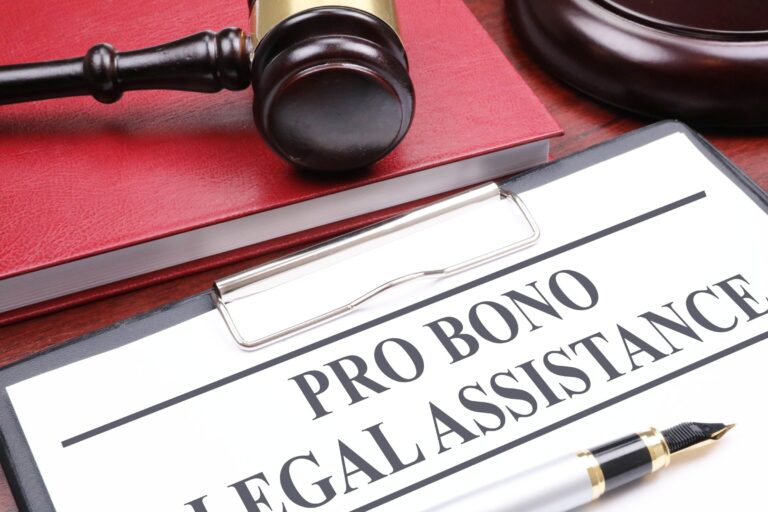
Lawyers working pro bono provide legal services for free or at a reduced cost to individuals who cannot afford legal representation. They often take on cases that involve social justice issues, such as advocating for the rights of marginalized communities or fighting for justice in cases of wrongful convictions. By volunteering their time and expertise, these lawyers play a crucial role in ensuring equal access to justice and upholding the principles of fairness and equality in the legal system.

Myth 2: All lawyers are liars

Addressing the stereotype

Addressing the stereotype, it is important to debunk common myths about lawyers. While many people believe that lawyers are only interested in making money, the truth is that they are dedicated professionals who strive to provide justice and protect the rights of their clients. Additionally, the perception that lawyers are dishonest and manipulative is often unfounded. In reality, lawyers are bound by a strict code of ethics and are committed to upholding the principles of fairness and integrity. By dispelling these misconceptions, we can better appreciate the vital role that lawyers play in our society.

The role of lawyers in advocating for their clients

Lawyers play a crucial role in advocating for their clients. They are not just legal advisors, but also fierce advocates who fight for their clients’ rights and interests. Whether it’s in the courtroom or during negotiations, lawyers use their legal expertise and persuasive skills to ensure that their clients’ voices are heard and their best interests are protected. They gather evidence, research laws, and build strong cases to present in court. Additionally, lawyers provide guidance and support to their clients, helping them navigate complex legal processes and making sure they understand their rights. In a society governed by laws, lawyers are essential in ensuring justice and fairness for individuals and upholding the rule of law.

Ethical obligations of lawyers

Lawyers have a set of ethical obligations that they must adhere to in their practice. These obligations are designed to ensure that lawyers maintain the highest standards of professionalism and integrity. One of the key ethical obligations of lawyers is to maintain client confidentiality. This means that lawyers are required to keep all information shared by their clients confidential, unless authorized by the client or required by law. Additionally, lawyers are obligated to provide competent and diligent representation to their clients. This includes staying up-to-date with the law, conducting thorough research, and advocating for their clients’ best interests. By fulfilling these ethical obligations, lawyers help to maintain the trust and confidence of their clients, as well as the integrity of the legal profession as a whole.

Myth 3: Lawyers are untrustworthy

Examining the reasons behind the perception

Examining the reasons behind the perception, it becomes clear that there are several factors contributing to the common myths about lawyers. One of the main reasons is the portrayal of lawyers in popular media, where they are often depicted as ruthless and unethical individuals. This portrayal creates a negative image of lawyers in the minds of the public. Additionally, the high-profile cases involving lawyers behaving unethically or engaging in corrupt practices further reinforce these negative perceptions. Furthermore, the complex nature of the legal system can also contribute to misunderstandings and misconceptions about lawyers. The intricate jargon, lengthy court proceedings, and the perception of lawyers as intimidating and unapproachable can make it difficult for the general public to fully understand the role and responsibilities of lawyers. However, it is important to note that these myths are not representative of the entire legal profession, as there are countless lawyers who work diligently and ethically to uphold justice and protect the rights of their clients.

The importance of trust in the legal profession

In the legal profession, trust plays a vital role in maintaining the integrity of the system. Clients rely on their lawyers to provide them with accurate legal advice and representation. Without trust, the attorney-client relationship would be compromised, potentially leading to misunderstandings and ineffective communication. Trust allows lawyers to effectively advocate for their clients’ interests, ensuring that their rights are protected and justice is served. Additionally, trust is essential in building a strong reputation within the legal community. Lawyers who are known for their trustworthiness are more likely to attract clients and establish long-lasting professional relationships. Therefore, the importance of trust in the legal profession cannot be overstated.

Ways lawyers build trust with their clients

Ways lawyers build trust with their clients can vary, but there are several common approaches that are effective. One way is through clear and open communication. Lawyers who are transparent about the legal process, potential outcomes, and any challenges that may arise, help to build trust with their clients. Additionally, lawyers who demonstrate empathy and actively listen to their clients’ concerns and needs also foster trust. Another important aspect is maintaining confidentiality. Clients need to feel confident that their personal and sensitive information will be kept confidential by their lawyer. Finally, lawyers who consistently deliver on their promises and provide quality legal representation further establish trust with their clients.

Myth 4: Lawyers are only for the wealthy

Exploring the accessibility of legal services

Exploring the accessibility of legal services is crucial in debunking common myths about lawyers. Many people believe that legal services are only accessible to the wealthy or that lawyers are unapproachable and intimidating. However, in reality, there are various initiatives in place to make legal services more affordable and accessible to everyone. Pro bono services, legal aid programs, and online resources are just a few examples of how legal services are becoming more accessible. By understanding and highlighting these initiatives, we can dispel the misconceptions surrounding lawyers and ensure that everyone has equal access to justice.

Pro bono services and legal aid

Pro bono services and legal aid are essential aspects of the legal profession. Lawyers who provide pro bono services offer their expertise and time to individuals who cannot afford legal representation. This helps ensure that everyone has access to justice, regardless of their financial situation. Legal aid organizations also play a crucial role in providing free or low-cost legal assistance to those in need. These services are especially important for marginalized communities and individuals facing social and economic challenges. By offering pro bono services and supporting legal aid, lawyers contribute to a more equitable and fair legal system.

Efforts to make legal services more affordable

Efforts to make legal services more affordable have been on the rise in recent years. Recognizing the financial burden that legal representation can pose, various initiatives have been implemented to ensure that individuals have access to quality legal assistance without breaking the bank. One such effort is the establishment of pro bono programs, where lawyers volunteer their services for free or at reduced rates for individuals who cannot afford traditional legal fees. Additionally, some law firms have started offering alternative fee arrangements, such as fixed fees or capped fees, to provide more transparency and predictability in billing. These efforts aim to level the playing field and ensure that everyone, regardless of their financial situation, can seek justice and protect their rights.

Myth 5: Lawyers are aggressive and confrontational

Understanding the role of advocacy

Understanding the role of advocacy is crucial when debunking common myths about lawyers. Advocacy is the cornerstone of a lawyer’s profession, as it involves representing and defending the interests of their clients. Contrary to popular belief, lawyers are not just focused on winning cases, but they also strive to ensure justice is served and the truth is revealed. Through their advocacy skills, lawyers play a vital role in the legal system, advocating for their clients’ rights, negotiating settlements, and presenting compelling arguments in court. By understanding the importance of advocacy, we can dispel misconceptions and appreciate the invaluable contributions that lawyers make to society.

Different styles of lawyering

Different styles of lawyering can vary greatly depending on the individual lawyer and their approach to practicing law. Some lawyers may adopt an aggressive style, using confrontational tactics to intimidate opponents and assert their client’s position. Others may prefer a more collaborative approach, seeking to find common ground and negotiate favorable outcomes for all parties involved. Additionally, there are lawyers who specialize in alternative dispute resolution methods, such as mediation and arbitration, aiming to resolve conflicts outside of the courtroom. Regardless of the style, a skilled lawyer should be able to adapt and employ different strategies based on the unique circumstances of each case.

The importance of professionalism

The importance of professionalism in the field of law cannot be overstated. Lawyers are entrusted with the responsibility of upholding justice and representing their clients to the best of their abilities. Professionalism ensures that lawyers maintain a high standard of ethics, integrity, and competence in their practice. It is essential for lawyers to act with honesty, respect, and diligence towards their clients, colleagues, and the legal system. By adhering to professional standards, lawyers not only earn the trust and respect of their clients but also contribute to the overall credibility and integrity of the legal profession.

Conclusion

Recap of debunked myths

In this article, we have debunked several common myths about lawyers. It is important to address these misconceptions in order to have a better understanding of the legal profession. By debunking these myths, we hope to provide clarity and dispel any false beliefs or stereotypes that may exist. Let’s recap the debunked myths and gain a more accurate perspective on the role of lawyers in society.

The importance of understanding the truth about lawyers

Lawyers play a crucial role in our society, yet their profession is often surrounded by misconceptions and stereotypes. It is essential to understand the truth about lawyers to dispel these common myths. By gaining a deeper understanding of their role and responsibilities, we can appreciate the importance of their work in upholding justice and ensuring the rule of law. Lawyers are not just legal experts; they are advocates for their clients, providing guidance and support during legal proceedings. They dedicate their time and expertise to navigate complex legal systems, ensuring that individuals receive fair representation. It is through this understanding that we can truly appreciate the vital role lawyers play in our society.

Encouraging a more informed perspective

Encouraging a more informed perspective on the legal profession is crucial in dispelling common myths about lawyers. By providing accurate information and highlighting the diverse roles that lawyers play, we can help individuals develop a better understanding of the legal system and the important work that lawyers do. It is important to recognize that lawyers are not solely focused on courtroom battles, but also play a vital role in advising clients, negotiating settlements, and advocating for justice. By debunking misconceptions and promoting a more nuanced view of lawyers, we can foster a more informed and balanced perspective on the legal profession.

How Lawyers Can Help with Contracts and Agreements

0

Introduction

Definition of contracts and agreements

A contract is a legally binding agreement between two or more parties that outlines the rights and obligations of each party. It establishes the terms and conditions that govern a specific transaction or relationship. Contracts can be written or verbal, but it is always recommended to have written contracts to ensure clarity and enforceability. Agreements, on the other hand, are less formal than contracts and may not always have legal consequences. They are often based on mutual understanding and trust between the parties involved. While contracts are typically used in business and legal settings, agreements can be found in various aspects of life, such as personal relationships, partnerships, and informal arrangements.

Importance of contracts and agreements

Contracts and agreements play a crucial role in the legal landscape, and lawyers are instrumental in ensuring their effectiveness. These legal documents provide a framework for parties involved in various transactions, outlining their rights, responsibilities, and obligations. They serve as a means to establish trust, mitigate risks, and resolve disputes in a fair and equitable manner. Lawyers possess the expertise to draft, review, and negotiate contracts and agreements, ensuring that they are legally binding and enforceable. By seeking the assistance of lawyers, individuals and businesses can navigate the complexities of contracts and agreements with confidence, safeguarding their interests and minimizing potential legal pitfalls.

Role of lawyers in contracts and agreements

Lawyers play a crucial role in contracts and agreements by providing legal expertise and guidance. They ensure that the terms and conditions of the contract are fair and protect the interests of their clients. Lawyers are responsible for drafting, reviewing, and negotiating contracts to ensure that all parties involved are in compliance with the law. They also help in resolving any disputes that may arise during the contract period. With their knowledge of contract law and experience in handling legal matters, lawyers are indispensable in ensuring that contracts and agreements are legally binding and enforceable.

Understanding Contracts

Elements of a contract

Contracts are legal agreements that outline the rights and obligations of parties involved in a transaction. The elements of a contract are essential components that must be present for a contract to be valid and enforceable. These elements include an offer, acceptance, consideration, capacity, and legality. An offer is a proposal made by one party to another, indicating a willingness to enter into a contract. Acceptance is the agreement by the other party to the terms of the offer. Consideration refers to something of value exchanged between the parties, such as money, goods, or services. Capacity refers to the legal ability of the parties to enter into a contract, including being of legal age and mentally competent. Finally, the contract must be for a lawful purpose and not violate any laws or public policy. Understanding the elements of a contract is crucial for lawyers, as they play a vital role in ensuring that contracts are properly drafted, reviewed, and executed.

Types of contracts

There are several types of contracts that lawyers can assist with. One common type is the employment contract, which outlines the terms and conditions of employment between an employer and an employee. Another type is the lease agreement, which establishes the rights and responsibilities of a landlord and a tenant. Lawyers can also help with sales contracts, partnership agreements, and service contracts. Each type of contract has its own specific requirements and legal considerations, and lawyers can provide valuable guidance and expertise in ensuring that these contracts are fair, enforceable, and protect the interests of all parties involved.

Key terms and clauses in contracts

Contracts are legal documents that outline the terms and conditions of an agreement between parties. Understanding key terms and clauses in contracts is crucial for lawyers to ensure that their clients’ interests are protected. These terms and clauses define the rights and obligations of each party, specify the scope of the agreement, and establish the remedies for breach of contract. By having a thorough understanding of these key terms and clauses, lawyers can effectively negotiate and draft contracts that meet their clients’ needs and provide them with the necessary legal protection.

Drafting Contracts

Identifying parties and their roles

In order to effectively draft and negotiate contracts and agreements, lawyers play a crucial role in identifying parties and their roles. They meticulously analyze the parties involved in the contract, including individuals, organizations, or entities, and determine their specific roles and responsibilities. By understanding the roles of each party, lawyers can ensure that the contract accurately reflects their intentions and protects their interests. Additionally, lawyers help clarify any ambiguities or misunderstandings regarding the parties’ roles, minimizing the potential for disputes or breaches of contract. Through their expertise in contract law, lawyers provide invaluable guidance in establishing clear and comprehensive agreements that promote successful business relationships.

Defining the scope of the agreement

When it comes to contracts and agreements, one of the key aspects is defining the scope of the agreement. This step is crucial as it sets the boundaries and outlines the specific areas that the agreement will cover. By clearly defining the scope, both parties involved can have a clear understanding of their rights, responsibilities, and obligations. Additionally, it helps to prevent any misunderstandings or disputes that may arise in the future. Lawyers play a vital role in this process as they have the expertise to draft precise and comprehensive language that accurately reflects the intended scope of the agreement. With their knowledge of contract law and experience in negotiating and drafting agreements, lawyers can ensure that the scope is well-defined and tailored to meet the specific needs and objectives of their clients. Overall, involving lawyers in defining the scope of the agreement is essential for ensuring a solid foundation for the contract and minimizing potential risks or uncertainties.

Including necessary provisions and conditions

Including necessary provisions and conditions is a crucial aspect of drafting contracts and agreements. These provisions and conditions serve to protect the interests of all parties involved and ensure that the agreement is legally binding. Lawyers play a vital role in this process by carefully analyzing the specific needs and requirements of their clients and drafting provisions that address these concerns. They have the expertise to identify potential risks and liabilities and include appropriate clauses to mitigate them. By including necessary provisions and conditions, lawyers help to create comprehensive and enforceable contracts and agreements that provide clarity and certainty to all parties.

Negotiating Contracts

Identifying potential issues and risks

Identifying potential issues and risks is a crucial step when it comes to dealing with contracts and agreements. Lawyers play a vital role in this process by thoroughly examining the terms and conditions of the documents to identify any loopholes or ambiguous language that may pose a risk to their clients. They have the expertise to identify potential legal issues that may arise in the future and can provide valuable advice on how to mitigate these risks. Additionally, lawyers can also help in assessing the financial and reputational risks associated with the contracts, ensuring that their clients are well-informed before making any commitments. By identifying and addressing potential issues and risks, lawyers provide their clients with the necessary guidance and protection to navigate the complex world of contracts and agreements.

Negotiating favorable terms and conditions

Negotiating favorable terms and conditions is a crucial aspect of contract and agreement management. Lawyers play a vital role in this process by leveraging their expertise in legal matters to ensure that their clients secure the most advantageous terms possible. They carefully review the terms and conditions proposed by the other party and work towards reaching a mutually beneficial agreement. By skillfully navigating the negotiation process, lawyers help their clients protect their interests, minimize risks, and maximize the value they derive from the contract or agreement. Their in-depth understanding of contract law and their ability to identify potential pitfalls make them invaluable allies in negotiating contracts and agreements.

Ensuring compliance with legal requirements

Ensuring compliance with legal requirements is a crucial aspect of the role of lawyers when it comes to contracts and agreements. Lawyers play a vital role in ensuring that all parties involved in a contract or agreement are abiding by the relevant laws and regulations. They thoroughly review the terms and conditions of the contract to ensure that they are in compliance with the applicable legal requirements. Additionally, lawyers provide guidance and advice to their clients on how to navigate complex legal frameworks and avoid potential legal pitfalls. By ensuring compliance with legal requirements, lawyers help their clients mitigate risks and protect their interests in contractual agreements.

Reviewing Contracts

Identifying potential legal pitfalls

When it comes to contracts and agreements, it is crucial for lawyers to have a keen eye for identifying potential legal pitfalls. These pitfalls can range from ambiguous language and loopholes to non-compliance with relevant laws and regulations. By thoroughly examining the terms and conditions of a contract, lawyers can help their clients navigate potential risks and ensure that their agreements are legally sound. With their expertise and attention to detail, lawyers play a crucial role in safeguarding their clients’ interests and protecting them from potential legal disputes.

Analyzing the terms and conditions

Analyzing the terms and conditions of a contract or agreement is a crucial step in the legal process. It involves carefully examining each provision and clause to ensure that they are clear, fair, and enforceable. Lawyers play a vital role in this process as they have the expertise to identify any potential pitfalls or loopholes that may arise from the terms and conditions. They also have the knowledge to negotiate and draft contracts that protect the interests of their clients. By conducting a thorough analysis of the terms and conditions, lawyers can provide valuable advice and guidance to their clients, helping them make informed decisions and avoid any legal complications in the future.

Providing recommendations for improvement

In order to provide recommendations for improvement, lawyers can thoroughly review contracts and agreements to identify any potential loopholes or ambiguous language. They can also assess the overall fairness and equity of the terms and conditions outlined in the document. Additionally, lawyers can offer suggestions on how to strengthen the legal enforceability of the contract and ensure that it aligns with the client’s best interests. By leveraging their expertise and knowledge of contract law, lawyers play a crucial role in helping individuals and businesses navigate the complexities of contracts and agreements.

Enforcing Contracts

Resolving contract disputes

Resolving contract disputes is an essential aspect of the legal profession. When parties to a contract find themselves in disagreement or facing a breach of contract, lawyers play a crucial role in resolving these disputes. They have the expertise and knowledge to navigate complex legal issues and negotiate favorable outcomes for their clients. Whether it involves interpreting contract terms, negotiating settlements, or representing clients in court, lawyers are well-equipped to protect their clients’ interests and ensure that contracts are enforced as intended. With their guidance and advocacy, lawyers can help parties find amicable resolutions, saving time, money, and potential damage to business relationships.

Taking legal action for breach of contract

Taking legal action for breach of contract is an important step in resolving disputes and ensuring that parties fulfill their contractual obligations. When one party fails to perform as agreed upon in a contract, the other party may choose to pursue legal remedies to seek compensation for any damages suffered. This can involve filing a lawsuit in court and presenting evidence to prove the breach of contract. Legal action can also involve negotiating a settlement or pursuing alternative dispute resolution methods such as mediation or arbitration. It is essential to consult with a lawyer experienced in contract law to understand the legal options available and to navigate the complex legal process effectively.

Seeking remedies and damages

Seeking remedies and damages is an important aspect of contract and agreement law. When a party breaches a contract, the other party may seek remedies and damages to compensate for any losses suffered. Remedies can include specific performance, where the breaching party is required to fulfill their obligations as stated in the contract. Damages, on the other hand, are monetary compensation awarded to the non-breaching party to cover any financial losses incurred. It is crucial for lawyers specializing in contracts and agreements to understand the various remedies and damages available to their clients and to effectively advocate for their rights in case of a breach. By seeking remedies and damages, lawyers play a vital role in ensuring that contracts and agreements are honored and that their clients are protected in the event of a breach.

The Importance of Pro Bono Legal Services: How Lawyers Give Back

0

Introduction

Definition of Pro Bono Legal Services

Pro bono legal services refer to the provision of free or low-cost legal assistance to individuals or organizations who cannot afford to pay for legal representation. It is a way for lawyers to give back to their communities and help those in need. Pro bono work can involve a wide range of legal services, including but not limited to, providing advice, drafting legal documents, representing clients in court, and advocating for social justice causes. By offering their expertise and time without charge, lawyers contribute to equal access to justice and support the principle that everyone deserves legal representation, regardless of their financial circumstances.

Importance of Pro Bono Legal Services

Pro bono legal services play a crucial role in providing access to justice for individuals who cannot afford legal representation. These services are offered by lawyers who generously donate their time and expertise to help those in need. The importance of pro bono legal services cannot be overstated, as they help level the playing field and ensure that everyone, regardless of their financial circumstances, has equal access to the legal system. Pro bono work also allows lawyers to give back to their communities and make a positive impact on society. By offering their services for free, lawyers are able to support vulnerable populations, promote fairness, and uphold the principles of justice. The dedication and commitment of lawyers to pro bono work is truly commendable and serves as a testament to the legal profession’s commitment to social responsibility.

Purpose of the Article

The purpose of this article is to highlight the importance of pro bono legal services and how lawyers contribute to society by giving back. Pro bono work refers to legal services provided by lawyers without charge, typically for individuals or organizations who cannot afford legal representation. This article aims to shed light on the significant impact that pro bono work has on improving access to justice and promoting equality. By examining the various ways in which lawyers give back through pro bono services, this article seeks to inspire other legal professionals to actively participate in pro bono work and make a difference in their communities.

History of Pro Bono Legal Services

Origins of Pro Bono Legal Services

Pro bono legal services have a long and rich history, dating back to ancient civilizations. The origins of pro bono can be traced back to the concept of providing legal assistance to those who cannot afford it. In ancient Rome, for example, there were lawyers who would take on cases for free as a way to give back to society. This tradition continued throughout history, with lawyers in different cultures and time periods offering their services pro bono. Today, pro bono legal services play a crucial role in ensuring access to justice for marginalized and underserved communities.

Evolution of Pro Bono Legal Services

Pro bono legal services have evolved significantly over the years, reflecting the changing needs of society and the legal profession. In the past, pro bono work was primarily seen as a charitable act by individual lawyers. However, it has now become an integral part of the legal profession, with many law firms and organizations actively encouraging their lawyers to provide pro bono services. This evolution has been driven by a growing recognition of the importance of access to justice and the role that lawyers can play in addressing social inequality. Today, pro bono legal services are not only limited to individual cases but also extend to systemic issues, such as advocating for policy changes and promoting legal education. The evolution of pro bono legal services has made a significant impact in ensuring equal access to justice for all, regardless of their financial means.

Key Milestones in Pro Bono Legal Services

Pro bono legal services have a rich history filled with key milestones that have shaped the way lawyers give back to their communities. One significant milestone is the establishment of the American Bar Association’s Pro Bono Publico Award in 1984, which recognizes outstanding pro bono contributions by individual lawyers and law firms. This award has not only celebrated the dedication and commitment of legal professionals but has also inspired others to engage in pro bono work. Another important milestone occurred in 2008 when the United Nations adopted the Basic Principles and Guidelines on the Right to a Remedy and Reparation for Victims of Gross Violations of International Human Rights Law and Serious Violations of International Humanitarian Law. These guidelines emphasized the importance of legal assistance for victims and highlighted the role of pro bono services in ensuring access to justice for all. These key milestones, among many others, have played a crucial role in raising awareness about the significance of pro bono legal services and encouraging lawyers to give back to their communities.

Benefits of Pro Bono Legal Services

Access to Justice for the Underprivileged

Access to justice is a fundamental right that should be available to everyone, regardless of their socioeconomic status. Unfortunately, many underprivileged individuals and communities face significant barriers when it comes to accessing legal services. This is where pro bono legal services play a crucial role. By providing free legal assistance to those in need, lawyers are able to bridge the gap and ensure that justice is served for all. Pro bono work not only helps individuals navigate the complexities of the legal system, but it also promotes fairness, equality, and social justice in our society. It is through the dedication and commitment of lawyers giving back through pro bono services that we can work towards a more inclusive and equitable legal system for the underprivileged.

Support for Nonprofit Organizations

Support for nonprofit organizations is a crucial aspect of pro bono legal services. Lawyers who engage in pro bono work often provide invaluable assistance to nonprofit organizations by offering their expertise and guidance. They help these organizations navigate complex legal issues, such as obtaining and maintaining tax-exempt status, drafting contracts and agreements, and ensuring compliance with government regulations. By offering their services free of charge, lawyers contribute to the sustainability and success of nonprofit organizations, allowing them to focus on their mission of serving the community. The support provided by pro bono lawyers is essential in helping nonprofit organizations overcome legal challenges and achieve their goals.

Professional Development for Lawyers

Professional development for lawyers is crucial in ensuring their continued growth and success in the legal field. It goes beyond just acquiring knowledge and skills; it involves staying updated with the latest legal trends, technologies, and best practices. By engaging in pro bono legal services, lawyers have the opportunity to enhance their professional development. Through pro bono work, lawyers can gain valuable experience, expand their network, and develop a deeper understanding of the law and its impact on society. Additionally, pro bono work allows lawyers to hone their communication, negotiation, and problem-solving skills, which are essential for their overall professional growth. Therefore, participating in pro bono legal services not only benefits the community but also contributes to the continuous development of lawyers.

Challenges in Providing Pro Bono Legal Services

Limited Resources

Limited resources are a significant challenge when it comes to providing pro bono legal services. With a limited budget and staff, legal aid organizations often struggle to meet the overwhelming demand for free legal assistance. This scarcity of resources means that many individuals who cannot afford legal representation are left without access to justice. Despite these challenges, lawyers continue to give back by offering their time and expertise to those in need. Through pro bono work, they help bridge the gap and ensure that everyone has equal access to legal services, regardless of their financial situation.

Time Constraints

Time constraints are a significant challenge for lawyers when it comes to providing pro bono legal services. With demanding workloads and tight deadlines, finding the time to take on additional cases can be difficult. However, despite these constraints, many lawyers recognize the importance of giving back to their communities and are committed to making a difference. They understand that pro bono work not only helps those in need but also contributes to a more just and equitable society. To overcome time constraints, lawyers often prioritize pro bono work by allocating specific time slots in their schedules or partnering with organizations that specialize in connecting lawyers with pro bono opportunities. By doing so, they ensure that they can effectively balance their professional responsibilities while still making a positive impact through pro bono legal services.

Ethical Considerations

Ethical considerations play a crucial role in the provision of pro bono legal services. Lawyers who engage in pro bono work are guided by a set of ethical principles that ensure fairness, integrity, and professionalism. They must navigate potential conflicts of interest, maintain client confidentiality, and uphold the highest standards of legal representation. In addition, ethical considerations require lawyers to provide competent and diligent legal advice, regardless of the client’s ability to pay. By adhering to these ethical standards, lawyers are able to ensure that pro bono services are delivered with the same level of commitment and quality as paid services, ultimately making a significant impact on individuals and communities in need.

Successful Pro Bono Legal Service Programs

Case Studies of Impactful Pro Bono Projects

Pro bono legal services have a significant impact on the communities they serve. Case studies of impactful pro bono projects further highlight the importance of these services. These projects showcase how lawyers give back by providing free legal assistance to individuals and organizations in need. For example, one case study may focus on a pro bono project that helped low-income families navigate the complex process of applying for government benefits. Another case study may highlight a pro bono initiative that provided legal support to nonprofit organizations, enabling them to better serve their communities. These real-life examples demonstrate the transformative power of pro bono legal services and underscore the invaluable role that lawyers play in promoting access to justice for all.

Collaborations between Law Firms and Nonprofits

Collaborations between law firms and nonprofits play a crucial role in the provision of pro bono legal services. By joining forces, these two entities can maximize their impact and reach a wider range of individuals in need. Law firms bring their expertise, resources, and extensive networks, while nonprofits provide a deep understanding of the communities they serve and the specific legal issues they face. This collaboration allows for a more comprehensive and holistic approach to addressing legal challenges, ensuring that individuals who cannot afford legal representation still have access to justice. Through these partnerships, law firms and nonprofits are able to make a significant difference in the lives of those who would otherwise be unable to navigate the complex legal system.

Recognition and Awards for Pro Bono Work

Recognition and awards for pro bono work play a crucial role in highlighting the importance and impact of providing legal services to those in need. These accolades not only honor the dedication and commitment of lawyers who selflessly give their time and expertise, but also serve as a powerful motivator for others to get involved. Recognizing pro bono work through awards and public recognition helps raise awareness about the vital role that lawyers play in promoting access to justice and improving the lives of individuals and communities. It encourages a culture of pro bono service and fosters a sense of pride and fulfillment among legal professionals. Moreover, these awards provide an opportunity for organizations and individuals to express gratitude and appreciation for the invaluable contributions made by lawyers who go above and beyond to make a difference in the lives of others.

Conclusion

Summary of the Importance of Pro Bono Legal Services

Pro bono legal services play a crucial role in ensuring access to justice for individuals who cannot afford legal representation. These services are provided by lawyers who volunteer their time and expertise to help those in need. The importance of pro bono legal services cannot be overstated, as they help bridge the justice gap and ensure that everyone has equal access to legal assistance. By providing free legal services, lawyers contribute to the well-being of their communities and help uphold the principles of fairness and justice. Pro bono work also allows lawyers to gain valuable experience and develop their skills while making a positive impact on society. Overall, the availability of pro bono legal services is essential for a just and equitable society.

Call to Action for Lawyers to Get Involved

The call to action for lawyers to get involved in pro bono legal services is more important than ever. With the growing number of individuals who cannot afford legal representation, it is crucial for lawyers to step up and offer their expertise to those in need. By providing pro bono services, lawyers can make a significant impact on the lives of underserved communities and ensure access to justice for all. It is not only a professional responsibility but also a moral obligation for lawyers to give back to society and use their skills to help those who cannot afford legal services. Together, we can create a more equitable and just society by encouraging lawyers to embrace pro bono work and make a difference in the lives of others.

Future Outlook for Pro Bono Legal Services

The future outlook for pro bono legal services is promising. As society becomes more aware of the importance of equal access to justice, there is an increasing demand for pro bono services. Many law firms and individual lawyers are recognizing the value of giving back to their communities and are actively participating in pro bono work. Additionally, advancements in technology have made it easier for lawyers to provide pro bono services remotely, expanding the reach of these services. The legal profession is also becoming more diverse, with a greater representation of lawyers from different backgrounds and experiences, which contributes to a more inclusive and comprehensive approach to pro bono work. With these positive trends, it is likely that pro bono legal services will continue to grow and play a crucial role in ensuring justice for all.

Understanding DUI Laws: What to Do If You Get Pulled Over

0

Introduction

Definition of DUI

A DUI, or Driving Under the Influence, refers to the act of operating a motor vehicle while impaired by alcohol or drugs. In most jurisdictions, a blood alcohol concentration (BAC) of 0.08% or higher is considered illegal. DUI laws aim to prevent individuals from endangering themselves and others on the road by imposing penalties and consequences for those found guilty of driving under the influence. These laws vary from state to state, but generally involve fines, license suspension, mandatory alcohol education programs, and possible jail time. It is important for individuals to understand the definition of DUI and the potential consequences in order to make informed decisions and prioritize safety while on the road.

Importance of understanding DUI laws

Understanding DUI laws is crucial for anyone who drives a vehicle. It is important to have a clear understanding of the laws surrounding driving under the influence to ensure the safety of oneself and others on the road. Knowing the consequences and penalties associated with DUI offenses can help individuals make informed decisions and avoid getting into legal trouble. Additionally, understanding DUI laws can also help individuals protect their rights if they ever find themselves pulled over by law enforcement. By knowing what to do and what not to do during a DUI stop, individuals can navigate the situation more effectively and potentially minimize the negative consequences. Overall, having a comprehensive understanding of DUI laws is essential for responsible and safe driving.

Overview of the article

In this article, we will provide an overview of the important aspects of DUI laws and what to do if you get pulled over. Understanding DUI laws is crucial for anyone who drives, as it can have serious legal and personal consequences. We will discuss the definition of DUI, the potential penalties for a DUI conviction, and the factors that law enforcement officers consider when determining if a driver is under the influence. Additionally, we will provide practical tips on how to handle a DUI traffic stop, including what to say and do during the encounter with law enforcement. By the end of this article, you will have a better understanding of DUI laws and be equipped with the knowledge to navigate a DUI situation if you ever find yourself pulled over.

Understanding DUI Laws

Legal blood alcohol limit

The legal blood alcohol limit refers to the maximum amount of alcohol that a person can have in their system while operating a motor vehicle. In most countries, including the United States, the legal limit is set at 0.08%. This means that if a person’s blood alcohol concentration (BAC) is 0.08% or higher, they are considered to be driving under the influence (DUI). It is important to note that even if a person’s BAC is below the legal limit, they can still be charged with a DUI if their ability to drive is impaired. Therefore, it is always best to avoid drinking and driving altogether to ensure the safety of yourself and others on the road.

Consequences of DUI

Driving under the influence (DUI) is a serious offense that can have severe consequences. If you are pulled over and found to be driving under the influence of alcohol or drugs, you may face legal penalties such as fines, license suspension, and even imprisonment. Additionally, a DUI conviction can have long-term effects on your personal and professional life. It can lead to increased insurance rates, difficulty finding employment, and a tarnished reputation. Therefore, it is crucial to understand the consequences of DUI and take appropriate measures to avoid getting pulled over while intoxicated.

Types of DUI offenses

There are several types of DUI offenses that individuals may face if they are pulled over for driving under the influence. The specific offense will depend on factors such as the driver’s blood alcohol concentration (BAC) level, previous DUI convictions, and whether there were any aggravating circumstances involved. Some common types of DUI offenses include first-time DUI, multiple DUI, DUI with injury, and DUI with a minor in the vehicle. Each offense carries different penalties and consequences, ranging from fines and license suspension to mandatory alcohol education programs and even imprisonment. It is important for individuals to understand the different types of DUI offenses and their potential consequences in order to navigate the legal process effectively and make informed decisions.

What to Do If You Get Pulled Over

Stay calm and cooperative

When you get pulled over for a DUI, it is crucial to stay calm and cooperative. This means keeping your emotions in check and following the instructions given by the officer. Getting agitated or confrontational will only escalate the situation and potentially lead to more severe consequences. Remember, the officer is just doing their job, and cooperation can go a long way in ensuring a smoother process. By remaining calm and cooperative, you are showing respect for the law and increasing the likelihood of a more favorable outcome.

Know your rights

When it comes to understanding DUI laws, it is crucial to know your rights if you ever find yourself being pulled over. Knowing your rights can help you make informed decisions and protect yourself during the legal process. One of the most important rights you have is the right to remain silent. This means that you do not have to answer any questions from law enforcement without the presence of an attorney. It is also important to remember that you have the right to refuse any field sobriety tests or breathalyzer tests, although this may result in consequences such as a suspended driver’s license. Understanding your rights and exercising them responsibly is essential when dealing with DUI laws to ensure a fair legal proceeding and protect your rights.

Follow instructions

When you get pulled over for a DUI, it is crucial to follow the instructions given by the law enforcement officer. This includes pulling over to a safe location, turning off your vehicle, and keeping your hands visible on the steering wheel. It is important to remain calm and cooperative throughout the interaction, as any resistance or noncompliance can escalate the situation. By following the instructions of the officer, you can ensure your safety and potentially minimize the consequences of the DUI charge.

Field Sobriety Tests

Types of field sobriety tests

Field sobriety tests are a common tool used by law enforcement officers to determine if a driver is under the influence of alcohol or drugs. There are several types of field sobriety tests that may be administered, including the walk-and-turn test, the one-leg stand test, and the horizontal gaze nystagmus test. The walk-and-turn test requires the driver to take a series of steps in a straight line, turn around, and walk back. The one-leg stand test requires the driver to stand on one leg while counting out loud. The horizontal gaze nystagmus test involves the officer observing the driver’s eyes as they follow a moving object. These tests are designed to assess the driver’s balance, coordination, and ability to follow instructions. It is important to note that the results of field sobriety tests can be subjective and may be influenced by factors such as nervousness or physical impairments. If you are pulled over and asked to perform a field sobriety test, it is advisable to cooperate with the officer while being aware of your rights and legal options.

How field sobriety tests are conducted

Field sobriety tests are conducted by law enforcement officers to determine if a driver is impaired by alcohol or drugs. These tests typically involve a series of physical and cognitive tasks that are designed to assess a person’s coordination, balance, and ability to follow instructions. Some common field sobriety tests include the walk-and-turn test, the one-leg stand test, and the horizontal gaze nystagmus test. The results of these tests can be used as evidence in a DUI case, and failing them can lead to further investigation and potential arrest. It is important for drivers to understand their rights and responsibilities when it comes to field sobriety tests and to seek legal advice if they have been charged with a DUI offense.

Challenging the results of field sobriety tests

Challenging the results of field sobriety tests can be a crucial aspect of defending yourself if you have been pulled over for a DUI. These tests, which are designed to assess a person’s level of impairment, are not always accurate and can be influenced by various factors. Therefore, it is important to understand the potential flaws in these tests and how to challenge their results. One common strategy is to question the officer’s administration of the tests, including any deviations from the standardized procedures. Additionally, challenging the reliability of the test results by presenting evidence of medical conditions or other factors that could have affected your performance can also be effective. By challenging the results of field sobriety tests, you can strengthen your defense and potentially mitigate the consequences of a DUI charge.

Breathalyzer Tests

How breathalyzer tests work

Breathalyzer tests are a common tool used by law enforcement to determine if a driver is under the influence of alcohol. These tests measure the alcohol content in a person’s breath, providing an indication of their blood alcohol concentration (BAC). The process involves the driver blowing into a handheld device, which then analyzes the breath sample for alcohol levels. The results are used to determine whether the driver is over the legal limit and can be used as evidence in court. It is important for individuals to understand how breathalyzer tests work and their rights when faced with a DUI charge.

Accuracy of breathalyzer tests

Breathalyzer tests are commonly used by law enforcement to determine blood alcohol concentration (BAC) levels of individuals suspected of driving under the influence (DUI). However, the accuracy of these tests has been a subject of debate. While breathalyzer tests are generally reliable, there are certain factors that can affect their accuracy. For example, environmental factors such as temperature and humidity can impact the results. Additionally, improper calibration or maintenance of the breathalyzer device can lead to inaccurate readings. It is important for individuals facing DUI charges to understand the potential limitations of breathalyzer tests and consult with a qualified attorney to ensure their rights are protected.

Challenging the results of breathalyzer tests

When it comes to challenging the results of breathalyzer tests, there are several factors that can be taken into consideration. One of the main ways to challenge these results is by questioning the accuracy and reliability of the breathalyzer device used. It is important to note that breathalyzer tests are not infallible and can be influenced by various factors such as improper calibration, operator error, or even medical conditions. Additionally, challenging the results may also involve questioning the procedures followed during the administration of the test, including the observation period and the handling of the breath sample. By thoroughly examining these factors and presenting compelling evidence, it is possible to challenge the results of a breathalyzer test and potentially have them deemed inadmissible in court.

Legal Consequences of DUI

License suspension

License suspension is one of the most severe consequences of a DUI conviction. When a person is convicted of driving under the influence, their driver’s license is typically suspended for a certain period of time. The length of the suspension can vary depending on the jurisdiction and the individual’s prior DUI history. During the suspension period, the individual is not allowed to drive legally, and if caught driving with a suspended license, they may face additional penalties and consequences. It is important for individuals facing a DUI charge to understand the potential for license suspension and to seek legal advice to navigate the process effectively.

Fines and penalties

When it comes to DUI offenses, fines and penalties can vary depending on the jurisdiction and the specific circumstances of the case. Generally, the penalties for a DUI conviction can include hefty fines, license suspension, mandatory alcohol education programs, probation, and even jail time. The amount of the fines can range from a few hundred dollars to several thousand dollars, depending on factors such as blood alcohol concentration (BAC) level, previous convictions, and any aggravating factors. Additionally, some states may impose additional penalties such as community service, ignition interlock device installation, or mandatory substance abuse treatment. It is important to note that DUI laws are constantly changing and can differ from state to state, so it is crucial to consult with a knowledgeable attorney if you find yourself facing DUI charges.

Possible jail time

Possible jail time for a DUI conviction can vary depending on the circumstances and the jurisdiction. In some cases, a first-time offender may face a few days or weeks in jail, while repeat offenders or those involved in accidents resulting in injury or death may face much longer sentences. It is important to note that DUI laws can be strict, and judges may have little discretion when it comes to sentencing. Therefore, it is crucial to seek legal counsel if you are facing a DUI charge to understand the potential consequences and develop a strong defense strategy.

The Dos and Don’ts of Hiring a Divorce Lawyer

0

Introduction

Why hiring a divorce lawyer is important

Hiring a divorce lawyer is important for several reasons. Firstly, navigating the legal complexities of a divorce can be overwhelming and confusing, especially for individuals who are not familiar with family law. A divorce lawyer can provide valuable guidance and expertise, ensuring that your rights and best interests are protected throughout the process. Additionally, a divorce lawyer can help you navigate the emotional challenges that often accompany divorce, providing support and advocating for your needs. With their knowledge and experience, a divorce lawyer can help you achieve a fair and favorable outcome in your divorce settlement. Therefore, it is crucial to hire a divorce lawyer to navigate the legal complexities, protect your rights, and provide the support you need during this challenging time.

The impact of a divorce on your life

Divorce is a life-altering event that can have a significant impact on various aspects of your life. From emotional turmoil to financial implications, the consequences of a divorce can be far-reaching. The decision to end a marriage can lead to feelings of sadness, anger, and uncertainty as you navigate through the legal process. Additionally, the division of assets, child custody battles, and changes in living arrangements can further complicate matters. It is crucial to seek the guidance of a skilled divorce lawyer who can provide support and advocate for your best interests during this challenging time. With their expertise, you can work towards achieving a fair settlement and rebuilding your life after divorce.

Choosing the right divorce lawyer

Choosing the right divorce lawyer is crucial for a successful outcome in your divorce case. With so many lawyers to choose from, it can be overwhelming to make the right decision. To ensure you find the best lawyer for your needs, it is important to consider their experience, expertise, and track record. Look for a lawyer who specializes in family law and has a proven track record of handling divorce cases. Additionally, consider their communication style, availability, and fees. It is also helpful to schedule consultations with multiple lawyers to get a sense of their approach and how comfortable you feel working with them. Remember, the right divorce lawyer can make all the difference in achieving a fair settlement and protecting your interests.

Dos of Hiring a Divorce Lawyer

Do research and gather information

When it comes to hiring a divorce lawyer, one of the most important steps is to do thorough research and gather all the necessary information. This includes researching different lawyers, their areas of expertise, and their track record in handling divorce cases. It is crucial to gather as much information as possible about potential lawyers to ensure they have the knowledge and experience needed to handle your specific situation. Additionally, researching the divorce laws in your jurisdiction can help you understand your rights and make informed decisions throughout the process. By doing your due diligence and gathering all the necessary information, you can increase your chances of finding the right divorce lawyer who will advocate for your best interests.

Do consider experience and expertise

When hiring a divorce lawyer, it is crucial to consider their experience and expertise in family law. A lawyer with years of experience in handling divorce cases will have a deep understanding of the legal complexities involved. They will be familiar with the local court system and have established relationships with judges and other legal professionals. Additionally, an experienced divorce lawyer will have a track record of successful outcomes for their clients. By choosing a lawyer with the right expertise, you can ensure that your interests are protected and that you have the best possible representation throughout the divorce process.

Do ask for references and testimonials

When hiring a divorce lawyer, it is crucial to ask for references and testimonials. By doing so, you can gain insight into the lawyer’s previous clients’ experiences and determine their level of satisfaction. References and testimonials provide valuable information about the lawyer’s expertise, professionalism, and success rate in handling divorce cases. Additionally, they can help you gauge the lawyer’s communication skills, responsiveness, and ability to navigate complex legal processes. Asking for references and testimonials demonstrates your commitment to finding a reputable and reliable divorce lawyer who can effectively represent your interests and protect your rights throughout the divorce proceedings.

Don’ts of Hiring a Divorce Lawyer

Don’t hire based on price alone

When it comes to hiring a divorce lawyer, one of the biggest mistakes you can make is to hire based on price alone. While it may be tempting to choose the cheapest option, this can often lead to more problems and expenses in the long run. A divorce is a complex legal process that requires expertise and experience, and choosing a lawyer solely based on price may result in inadequate representation. It is important to consider factors such as the lawyer’s qualifications, track record, and reputation before making a decision. Remember, the outcome of your divorce case can have a significant impact on your future, so it is crucial to prioritize quality over cost when selecting a divorce lawyer.

Don’t ignore red flags

When hiring a divorce lawyer, it is crucial not to ignore red flags. These warning signs can indicate potential issues or problems that may arise during the divorce process. Red flags can include a lawyer who lacks experience in family law, has a history of disciplinary actions, or exhibits poor communication skills. Ignoring these red flags can lead to dissatisfaction with the legal representation and may result in unfavorable outcomes. Therefore, it is essential to thoroughly research and vet potential divorce lawyers to ensure you choose the right professional to handle your case.

Don’t rush the decision

When it comes to hiring a divorce lawyer, one of the most important things to remember is to not rush the decision. Divorce is a complex and emotional process, and choosing the right lawyer can make a significant difference in the outcome of your case. Take the time to research and interview multiple lawyers, ask for recommendations, and consider their experience and expertise in family law. Rushing into a decision without thorough evaluation can lead to regrets later on. It’s crucial to find a lawyer who understands your needs, communicates effectively, and has a track record of success in divorce cases. So, take your time, weigh your options, and make an informed decision when hiring a divorce lawyer.

Questions to Ask a Divorce Lawyer

What is your experience with divorce cases?

When hiring a divorce lawyer, one of the most important questions to ask is about their experience with divorce cases. You want to make sure that the lawyer you choose has a solid track record in handling divorce cases and has a deep understanding of the complexities involved. It is essential to inquire about the number of divorce cases they have handled, their success rate, and the specific types of divorce cases they have worked on. By asking these questions, you can assess the lawyer’s expertise and determine if they are the right fit for your specific needs.

How do you handle communication with clients?

When it comes to handling communication with clients, a divorce lawyer must prioritize effective and open lines of communication. This involves actively listening to clients’ concerns, providing timely updates on the progress of their case, and being accessible to answer any questions or address any issues that may arise. Clear and transparent communication helps build trust and ensures that clients feel supported throughout the divorce process. Additionally, a skilled divorce lawyer should be able to communicate complex legal concepts in a way that is easily understandable to their clients, empowering them to make informed decisions regarding their case.

What is your approach to resolving conflicts?

When it comes to resolving conflicts, it is essential to understand the approach of a divorce lawyer. A skilled and experienced lawyer should prioritize mediation and negotiation as the primary methods for conflict resolution. They should aim to find common ground and facilitate open communication between the parties involved. By encouraging dialogue and compromise, a divorce lawyer can help minimize the emotional and financial toll of a divorce. Additionally, a lawyer should be well-versed in alternative dispute resolution techniques, such as collaborative law or arbitration, to provide clients with a range of options for resolving conflicts. Ultimately, the goal is to reach a fair and amicable resolution that protects the interests of both parties involved.

Understanding Legal Fees

Hourly rates vs. flat fees

When it comes to hiring a divorce lawyer, one of the key decisions you’ll need to make is whether to choose an attorney who charges hourly rates or one who offers a flat fee. Hourly rates are based on the amount of time the lawyer spends on your case, while flat fees are a predetermined amount that covers all the services provided. Each option has its pros and cons. Hourly rates provide more flexibility and can be cost-effective if your case is relatively simple. On the other hand, flat fees provide certainty in terms of cost and can be advantageous if your case is complex and requires extensive legal work. Ultimately, the choice between hourly rates and flat fees depends on your specific needs and circumstances.

Retainer fees and billing

When it comes to hiring a divorce lawyer, one important aspect to consider is the retainer fees and billing. Retainer fees are the upfront payment that a lawyer requires before taking on your case. It is essential to understand the terms and conditions associated with retainer fees, such as how they are calculated and what expenses they cover. Additionally, it is crucial to discuss billing arrangements with your lawyer to ensure transparency and avoid any surprises. Understanding the retainer fees and billing process will help you make informed decisions and manage your finances effectively during the divorce proceedings.

Additional costs to consider

When hiring a divorce lawyer, it is important to be aware of the additional costs that may arise throughout the process. While the lawyer’s fees are typically the most significant expense, there are other expenses to consider. These may include court filing fees, expert witness fees, mediation fees, and fees for any necessary document preparation or research. It is crucial to discuss these potential costs with your lawyer upfront and create a budget to ensure you are prepared for any financial obligations that may arise during your divorce proceedings.

Conclusion

Recap of important points

In summary, when it comes to hiring a divorce lawyer, there are several important points to keep in mind. Firstly, it is crucial to thoroughly research and evaluate potential lawyers before making a decision. This includes checking their experience, expertise, and track record in handling divorce cases. Additionally, it is important to consider the lawyer’s communication style and whether they are a good fit for your needs. Secondly, it is essential to clearly communicate your goals and expectations to the lawyer from the beginning. This will ensure that they understand your priorities and can work towards achieving the best possible outcome for you. Thirdly, it is advisable to discuss the lawyer’s fee structure and payment terms upfront to avoid any misunderstandings or surprises later on. Finally, maintaining open and honest communication with your lawyer throughout the process is key. This includes providing them with all necessary information and promptly addressing any concerns or questions that may arise. By following these dos and don’ts, you can increase your chances of finding the right divorce lawyer and navigating the legal process successfully.

Final thoughts on hiring a divorce lawyer

In conclusion, when it comes to hiring a divorce lawyer, it is crucial to consider several factors. First and foremost, it is important to do thorough research and gather recommendations from trusted sources. Additionally, it is essential to meet with potential lawyers and ask relevant questions to assess their expertise and experience in handling divorce cases. Furthermore, it is advisable to discuss fees and payment arrangements upfront to avoid any surprises later on. Lastly, trust your instincts and choose a lawyer who makes you feel comfortable and confident in their abilities. By following these dos and don’ts, you can ensure that you find the right divorce lawyer who will protect your interests and guide you through the legal process with ease.

Seeking professional advice

When it comes to seeking professional advice for hiring a divorce lawyer, it is crucial to approach the process with careful consideration. Divorce is a complex and emotionally charged matter, and having the right legal representation can make all the difference. It is important to research and gather information about potential lawyers, their experience, and track record in handling divorce cases. Seeking recommendations from trusted sources, such as friends, family, or other professionals, can also be helpful in finding a reputable divorce lawyer. Additionally, scheduling consultations with multiple lawyers can provide an opportunity to assess their communication style, expertise, and compatibility. By seeking professional advice and conducting thorough research, individuals can make informed decisions when hiring a divorce lawyer.

Common Mistakes to Avoid When Hiring a Lawyer

0

Introduction

Why hiring a lawyer is important

Hiring a lawyer is crucial for a variety of reasons. Firstly, legal matters can be complex and navigating through the legal system without professional guidance can be overwhelming. A lawyer has the knowledge and expertise to ensure that your rights are protected and that you receive fair treatment. Additionally, a lawyer can provide valuable advice and guidance throughout the entire legal process, from gathering evidence to presenting your case in court. Furthermore, hiring a lawyer can greatly increase your chances of achieving a favorable outcome in your legal matter. They have the skills to negotiate settlements, draft legal documents, and represent you effectively in court. Overall, hiring a lawyer is essential for anyone facing legal issues as it can provide the necessary support and expertise to navigate through the complexities of the legal system.

The consequences of hiring the wrong lawyer

Hiring the wrong lawyer can have serious consequences. It can result in wasted time, money, and resources, as well as a negative impact on the outcome of your case. A lawyer who lacks the necessary expertise or experience may not be able to effectively represent your interests or provide the best legal advice. Additionally, hiring a lawyer who does not prioritize communication or fails to keep you informed can lead to frustration and misunderstandings. Therefore, it is crucial to thoroughly research and carefully select a lawyer who is qualified, experienced, and trustworthy to avoid the potential pitfalls of hiring the wrong lawyer.

Overview of common mistakes

When it comes to hiring a lawyer, there are several common mistakes that individuals should avoid. These mistakes can have significant consequences and can impact the outcome of legal matters. It is important to have a clear understanding of these mistakes in order to make informed decisions when selecting a lawyer. This article provides an overview of some of the most common mistakes to avoid when hiring a lawyer, including not conducting proper research, failing to consider specialization, and disregarding communication skills. By being aware of these mistakes, individuals can improve their chances of finding the right lawyer for their specific needs and ensuring a successful legal representation.

Not Researching the Lawyer’s Expertise

Importance of finding a lawyer with relevant expertise

When it comes to hiring a lawyer, it is crucial to find someone with relevant expertise in the specific area of law you require assistance in. This is because different legal matters require different skills and knowledge. By choosing a lawyer with experience in your particular legal issue, you can ensure that they have a deep understanding of the relevant laws and regulations, as well as the strategies and tactics that are most effective in achieving a favorable outcome. Whether you need a lawyer for a personal injury case, a divorce, or a business dispute, finding someone with the right expertise can make a significant difference in the success of your case.

How to research a lawyer’s expertise

When it comes to researching a lawyer’s expertise, there are a few key steps to follow. Firstly, it is important to gather information about the lawyer’s education and qualifications. This can include where they studied law, any specialized training they have received, and whether they are a member of any professional organizations. Additionally, it is crucial to review the lawyer’s experience in the specific area of law that is relevant to your case. This can involve looking at their track record of successful cases, as well as any notable achievements or recognitions they have received. Finally, it is advisable to read reviews and testimonials from past clients to get an idea of the lawyer’s reputation and client satisfaction. By thoroughly researching a lawyer’s expertise, you can make an informed decision and avoid common mistakes when hiring a lawyer.

Examples of cases where expertise is crucial

In the field of law, there are numerous cases where expertise is crucial for a successful outcome. For example, in complex criminal cases, having a lawyer with extensive knowledge of criminal law and courtroom experience is essential. Similarly, in civil litigation, a lawyer with expertise in the specific area of law involved can make a significant difference in the outcome of the case. Whether it’s a personal injury claim, a divorce proceeding, or a business dispute, hiring a lawyer with the right expertise can greatly increase the chances of achieving a favorable result. Therefore, it is important to carefully consider the expertise of a lawyer before making a hiring decision.

Choosing a Lawyer Based on Price Alone

The importance of considering value over price

When hiring a lawyer, it is crucial to consider value over price. While it may be tempting to choose a lawyer solely based on their price, this can often lead to costly mistakes. Instead, focusing on the value that a lawyer can provide is essential. A lawyer who offers a fair price and delivers exceptional service and expertise can save you time, money, and stress in the long run. By considering the value they bring to your case, you can ensure that you are making a wise investment in legal representation.

Factors to consider when evaluating the cost of legal services

When evaluating the cost of legal services, there are several factors that should be taken into consideration. Firstly, it is important to assess the complexity of the legal matter at hand. Complex cases may require more time and resources, which can impact the overall cost. Additionally, the experience and expertise of the lawyer can also influence the cost. Highly experienced lawyers may charge higher fees due to their specialized knowledge and track record of success. Another factor to consider is the billing structure of the lawyer or law firm. Some lawyers charge an hourly rate, while others may offer a flat fee or contingency fee arrangement. It is important to understand the billing structure and ensure that it aligns with your budget and expectations. Lastly, it is crucial to evaluate the potential outcomes and benefits of the legal services. While cost is an important factor, it should not be the sole determining factor. It is essential to find a lawyer who can provide quality representation and achieve the desired results. By considering these factors, individuals can make more informed decisions when evaluating the cost of legal services.

The risks of hiring a cheap lawyer

When it comes to hiring a lawyer, opting for a cheap option may seem like a tempting choice. However, it is important to be aware of the risks that come with hiring a cheap lawyer. One of the main risks is that a cheap lawyer may not have sufficient experience or expertise to handle your case effectively. This could result in mistakes being made, important details being overlooked, or even a negative outcome for your legal matter. Additionally, a cheap lawyer may not have the resources or support staff to dedicate enough time and attention to your case, leading to delays or inadequate representation. It is crucial to prioritize quality and competence over cost when choosing a lawyer, as the consequences of a poor legal representation can be far-reaching and costly.

Neglecting to Check the Lawyer’s Reputation

Why reputation matters in the legal profession

Reputation plays a crucial role in the legal profession, and it is essential to consider when hiring a lawyer. A lawyer’s reputation reflects their expertise, credibility, and track record of success. Clients often rely on word-of-mouth recommendations or online reviews to gauge a lawyer’s reputation. A lawyer with a strong reputation is more likely to have a deep understanding of the law, excellent negotiation skills, and a proven ability to win cases. Conversely, a lawyer with a poor reputation may lack the necessary experience or may have a history of unethical practices. Therefore, it is crucial to thoroughly research a lawyer’s reputation before making a hiring decision to ensure the best possible legal representation.

How to check a lawyer’s reputation

When it comes to hiring a lawyer, checking their reputation is crucial. There are several ways to do this. Firstly, you can start by conducting online research. Look for reviews and ratings on reputable websites, such as Avvo or Martindale-Hubbell. Additionally, consider asking for recommendations from friends, family, or colleagues who have had experience with lawyers in the past. Another useful approach is to consult with local bar associations or legal aid organizations to inquire about a lawyer’s standing in the community. By thoroughly checking a lawyer’s reputation, you can make an informed decision and ensure that you are hiring a competent and trustworthy professional.

The potential consequences of hiring a lawyer with a bad reputation

Hiring a lawyer with a bad reputation can have serious consequences for your legal case. Firstly, it can negatively impact your chances of achieving a favorable outcome. A lawyer with a bad reputation may lack the necessary skills, experience, and knowledge to effectively represent you and argue your case in court. This can result in missed opportunities, weak arguments, and a weaker overall defense. Additionally, a lawyer with a bad reputation may also have a strained relationship with judges, opposing counsel, and other legal professionals. This can make it difficult to negotiate favorable settlements, gather evidence, and navigate the legal system. Ultimately, hiring a lawyer with a bad reputation can significantly jeopardize your chances of success and potentially cost you more time, money, and stress in the long run.

Not Meeting the Lawyer in Person

The benefits of meeting a lawyer in person

Meeting a lawyer in person offers numerous benefits that cannot be replicated through phone calls or emails. One of the main advantages is the opportunity to establish a personal connection and gauge the lawyer’s demeanor and professionalism. Meeting face-to-face allows for a more comprehensive discussion of your legal needs and concerns, ensuring that the lawyer fully understands your situation. Additionally, meeting in person provides a chance to ask questions, clarify any doubts, and obtain immediate feedback. This direct interaction fosters trust and confidence in the lawyer’s abilities, ultimately leading to a stronger attorney-client relationship. Overall, meeting a lawyer in person is an essential step in the hiring process and can greatly contribute to the success of your legal case.

What to discuss during an initial consultation

During an initial consultation with a lawyer, it is important to discuss several key topics to ensure a successful attorney-client relationship. First and foremost, it is crucial to provide a detailed overview of your legal issue and any relevant documents or evidence. This will help the lawyer understand the specifics of your case and provide appropriate advice. Additionally, it is important to discuss the lawyer’s experience and expertise in handling similar cases. Ask about their success rate and any notable settlements or verdicts they have achieved. Furthermore, it is essential to discuss the lawyer’s fees and billing structure to avoid any surprises later on. Finally, don’t forget to inquire about the lawyer’s availability and communication preferences. Clear communication and accessibility are vital for a smooth working relationship. By addressing these topics during the initial consultation, you can ensure that you hire the right lawyer for your legal needs.

How to assess the lawyer’s communication and interpersonal skills

When assessing a lawyer’s communication and interpersonal skills, it is crucial to look for certain key qualities. Firstly, effective communication is paramount. A competent lawyer should be able to articulate complex legal concepts in a clear and concise manner, ensuring that clients fully understand their rights and options. Additionally, strong listening skills are essential. A lawyer who actively listens to their clients’ concerns and questions demonstrates empathy and a genuine desire to provide the best legal representation. Furthermore, interpersonal skills, such as the ability to build rapport and establish trust, are vital in establishing a strong attorney-client relationship. A lawyer who is approachable, responsive, and respectful fosters open communication and instills confidence in their clients. By evaluating these communication and interpersonal skills, individuals can make informed decisions when hiring a lawyer.

Failing to Understand the Lawyer’s Fee Structure

Different types of fee structures used by lawyers

There are various types of fee structures used by lawyers, each with its own advantages and disadvantages. One common fee structure is the hourly rate, where the lawyer charges a set amount for each hour of work. This can be beneficial for clients who only require a lawyer for a specific task or a short period of time. Another fee structure is a flat fee, where the lawyer charges a fixed amount for a particular service or case. This can provide clients with cost certainty and is commonly used for routine legal matters. Additionally, some lawyers may use a contingency fee structure, where they only receive payment if they win the case, usually a percentage of the settlement or judgment. This can be advantageous for clients who cannot afford upfront legal fees. It is important for individuals to understand the different fee structures and discuss them with their lawyer to ensure they choose the most suitable option for their specific needs.

The importance of clarity and transparency in fee agreements

When it comes to hiring a lawyer, one of the most important aspects to consider is the clarity and transparency in fee agreements. This is crucial for both parties involved, as it ensures that there are no misunderstandings or surprises when it comes to the cost of legal services. Clear and transparent fee agreements provide clients with a clear understanding of what they will be paying for and how much it will cost. It also allows them to budget accordingly and avoid any financial surprises. For lawyers, clear fee agreements help establish trust and credibility with clients, as it shows a commitment to open communication and fairness. Therefore, it is essential for both clients and lawyers to prioritize clarity and transparency in fee agreements to ensure a smooth and mutually beneficial legal relationship.

How to negotiate and understand legal fees

When it comes to negotiating and understanding legal fees, there are a few key points to keep in mind. Firstly, it is important to have a clear understanding of the fee structure and how the lawyer charges for their services. This includes knowing whether they charge an hourly rate, a flat fee, or a contingency fee. Additionally, it is crucial to discuss and negotiate the fee arrangement upfront to avoid any surprises or misunderstandings later on. It is also advisable to ask for a detailed breakdown of the fees and any additional costs that may be involved. Finally, it is essential to consider the overall value and expertise of the lawyer when evaluating the fees. Remember, the cost of legal representation should not be the sole determining factor, but rather a balance between quality and affordability.