Home Blog Page 46

What to look for in an accident lawyer

0

Introduction

Definition of an accident lawyer

An accident lawyer, also known as a personal injury lawyer, is a legal professional who specializes in providing legal representation to individuals who have been injured in accidents. These accidents can include car accidents, slip and fall accidents, workplace accidents, and more. The primary role of an accident lawyer is to help their clients navigate the legal process, seek compensation for their injuries, and ensure that their rights are protected. They have a deep understanding of personal injury laws and regulations and use their expertise to build strong cases on behalf of their clients. In addition to their legal knowledge, accident lawyers also possess excellent negotiation and communication skills, as they often have to negotiate with insurance companies and other parties involved in the accident. Overall, accident lawyers play a crucial role in helping accident victims recover physically, emotionally, and financially from their injuries.

Importance of hiring an accident lawyer

Hiring an accident lawyer is of utmost importance when dealing with the aftermath of an accident. These legal professionals have the knowledge and expertise to navigate the complex legal system and ensure that your rights are protected. They can provide valuable guidance and support throughout the entire process, from gathering evidence to negotiating with insurance companies. By hiring an accident lawyer, you can significantly increase your chances of receiving fair compensation for your injuries, medical expenses, and other damages. Their experience in handling similar cases allows them to anticipate potential challenges and develop effective strategies to achieve the best possible outcome. Don’t underestimate the importance of hiring an accident lawyer; they can be your strongest ally in seeking justice and recovering from the consequences of an accident.

Overview of the article

In this article, we will provide an overview of what to look for in an accident lawyer. Finding the right lawyer to handle your accident case is crucial, as they will be responsible for representing your interests and ensuring you receive the compensation you deserve. We will discuss the key factors to consider when selecting an accident lawyer, including their experience, expertise, track record of success, and client testimonials. By the end of this article, you will have a clear understanding of the important qualities to look for in an accident lawyer to ensure the best possible outcome for your case.

Qualifications

Education and training

When it comes to choosing an accident lawyer, one important factor to consider is their education and training. A well-educated and trained lawyer will have a solid understanding of the law and the legal system, which can greatly benefit your case. Look for a lawyer who has graduated from a reputable law school and has received specialized training in personal injury law. Additionally, it is beneficial to choose a lawyer who regularly attends continuing education courses to stay up-to-date with the latest legal developments. By selecting an accident lawyer with a strong educational background and ongoing training, you can have confidence in their ability to effectively represent you and navigate the complexities of your case.

Experience in handling accident cases

When it comes to choosing an accident lawyer, one of the most important factors to consider is their experience in handling accident cases. Dealing with the aftermath of an accident can be overwhelming, and having a lawyer who has successfully handled similar cases can provide you with the confidence and peace of mind you need. An experienced accident lawyer will have a deep understanding of the legal process and know how to navigate through the complexities of your case. They will also have the necessary skills and resources to gather evidence, negotiate with insurance companies, and advocate for your rights. By choosing a lawyer with a proven track record in accident cases, you can increase your chances of achieving a favorable outcome and obtaining the compensation you deserve.

Specializations in personal injury law

Specializations in personal injury law are essential when choosing an accident lawyer. Personal injury law covers a wide range of cases, including car accidents, slip and falls, medical malpractice, and workplace injuries. Each area of personal injury law requires specific knowledge and expertise. Therefore, it is important to find a lawyer who specializes in the type of accident or injury you have experienced. By choosing a lawyer with the right specialization, you can ensure that they have the necessary skills and experience to handle your case effectively. Whether you have been injured in a car accident or a workplace incident, finding an accident lawyer with the appropriate specialization is crucial for obtaining the best possible outcome.

Track Record

Successful cases handled

Accident lawyers who have successfully handled numerous cases are invaluable when it comes to seeking justice for victims. These experienced professionals have a deep understanding of personal injury laws and know how to navigate the complex legal system. With a track record of successful cases, they have the knowledge and skills to negotiate fair settlements or litigate in court, ensuring that their clients receive the compensation they deserve. Whether it’s a car accident, workplace injury, or medical malpractice, hiring an accident lawyer with a proven history of success can make all the difference in the outcome of your case.

Settlements and verdicts obtained

Settlements and verdicts obtained by an accident lawyer are crucial factors to consider when choosing legal representation. These outcomes reflect the lawyer’s ability to successfully negotiate fair settlements or win favorable verdicts for their clients. It is important to review the lawyer’s track record of past settlements and verdicts to gauge their experience and success in handling similar cases. A lawyer with a proven history of securing substantial settlements and favorable verdicts demonstrates their expertise and dedication to achieving the best possible outcomes for their clients. When seeking an accident lawyer, it is essential to prioritize those who have a strong track record of successful settlements and verdicts.

Client testimonials

Client testimonials are an essential part of choosing the right accident lawyer. These testimonials provide firsthand accounts of the experiences that past clients have had with a particular lawyer. By reading these testimonials, potential clients can gain insight into the lawyer’s expertise, professionalism, and success rate. Additionally, client testimonials can help potential clients gauge the lawyer’s ability to communicate effectively, provide personalized attention, and achieve favorable outcomes. Overall, client testimonials serve as a valuable resource for individuals seeking an accident lawyer, as they offer real-life perspectives and help guide the decision-making process.

Communication and Availability

Responsiveness to client inquiries

When searching for an accident lawyer, one important factor to consider is their responsiveness to client inquiries. A lawyer who promptly responds to client questions and concerns demonstrates their dedication to providing excellent customer service. They understand the importance of keeping clients informed and involved throughout the legal process. By being responsive, they can address any doubts or anxieties that clients may have, providing them with peace of mind. This level of attentiveness also indicates a lawyer’s commitment to building a strong attorney-client relationship based on trust and open communication. Therefore, when choosing an accident lawyer, it is crucial to prioritize their responsiveness to client inquiries.

Availability for meetings and consultations

Availability for meetings and consultations is a crucial factor to consider when choosing an accident lawyer. It is important to find a lawyer who is readily available to meet with you and discuss your case. A lawyer who is responsive and accessible can provide you with the support and guidance you need throughout the legal process. Whether you have questions, need updates on your case, or require face-to-face meetings, having an accident lawyer who is available and willing to accommodate your needs can greatly enhance your experience and increase the chances of a successful outcome.

Clear and effective communication

Clear and effective communication is a crucial quality to look for in an accident lawyer. When dealing with legal matters, it is important to have an attorney who can clearly and concisely communicate with their clients. This includes explaining complex legal concepts in a way that is easy to understand, as well as keeping clients informed about the progress of their case. Additionally, effective communication also involves listening attentively to clients’ concerns and addressing them promptly. By prioritizing clear and effective communication, an accident lawyer can build trust with their clients and ensure that their needs are met throughout the legal process.

Fees and Payment

Types of fee arrangements

When it comes to hiring an accident lawyer, it is important to understand the different types of fee arrangements that may be available. These fee arrangements can vary depending on the lawyer and the specific circumstances of your case. One common type of fee arrangement is a contingency fee, where the lawyer only gets paid if they are able to win your case and secure a settlement or judgment on your behalf. Another type of fee arrangement is an hourly fee, where the lawyer charges you for the time they spend working on your case. Additionally, some lawyers may offer a flat fee arrangement, where you pay a set amount for their services regardless of the outcome of your case. Understanding these different fee arrangements can help you make an informed decision when choosing an accident lawyer.

Contingency fees and retainer fees

Contingency fees and retainer fees are two important aspects to consider when hiring an accident lawyer. Contingency fees refer to the payment the lawyer receives if they win the case, usually a percentage of the settlement or verdict. This type of fee arrangement can be beneficial for clients who may not have the financial means to pay for legal services upfront. On the other hand, retainer fees are a predetermined amount of money paid to the lawyer at the beginning of the case to secure their services. This fee is typically non-refundable and is used to cover the lawyer’s time and expenses. It is important to carefully review and understand the fee structure before entering into an agreement with an accident lawyer to ensure transparency and avoid any surprises down the line.

Transparency in billing

Transparency in billing is a crucial factor to consider when choosing an accident lawyer. It ensures that you have a clear understanding of how your lawyer will bill you for their services and eliminates any surprises or hidden fees. A lawyer who is transparent in their billing practices will provide you with a detailed breakdown of their fees and expenses, allowing you to make informed decisions about your legal representation. By choosing a lawyer who prioritizes transparency in billing, you can have peace of mind knowing that you will be treated fairly and that there will be no unexpected financial burdens throughout your case.

Conclusion

Summary of key points

Summary of key points:

When looking for an accident lawyer, there are several important factors to consider. First and foremost, experience is crucial. You want a lawyer who has handled similar cases and has a track record of success. Additionally, it is important to choose a lawyer who specializes in personal injury law, as they will have the expertise and knowledge necessary to navigate the complexities of your case. Another key point to consider is the lawyer’s reputation and client reviews. Look for a lawyer who is highly regarded and has positive feedback from previous clients. Finally, consider the lawyer’s communication style and availability. It is important to have a lawyer who is responsive and keeps you informed throughout the legal process. By considering these key points, you can find an accident lawyer who is best suited to handle your case and maximize your chances of a successful outcome.

Final thoughts on choosing an accident lawyer

In conclusion, choosing an accident lawyer is a crucial decision that requires careful consideration. It is important to look for a lawyer who has experience in handling accident cases and a proven track record of success. Additionally, consider their communication skills, availability, and fees. By thoroughly researching and interviewing potential lawyers, you can make an informed decision and ensure that you have the best possible representation for your case. Remember, a skilled accident lawyer can make a significant difference in the outcome of your claim, so take the time to choose wisely.

Importance of seeking legal representation

Seeking legal representation is of utmost importance when dealing with accidents. An accident lawyer has the expertise and knowledge to navigate through the complex legal system and ensure that your rights are protected. They can provide you with valuable advice and guidance, helping you understand your options and make informed decisions. Additionally, an accident lawyer can negotiate with insurance companies on your behalf, ensuring that you receive fair compensation for your injuries and damages. By seeking legal representation, you can increase your chances of a successful outcome and receive the justice you deserve.

The role of accident reconstruction in personal injury lawsuits

0

Introduction

Definition of accident reconstruction

Accident reconstruction is a crucial component in personal injury lawsuits. It involves the scientific process of analyzing and determining the cause, sequence of events, and contributing factors of an accident. By reconstructing the accident, experts can provide valuable insights and evidence to support the claims of the injured party. This process often includes gathering and analyzing data from various sources such as witness statements, police reports, physical evidence, and expert opinions. The goal of accident reconstruction is to establish a clear understanding of how the accident occurred, which can help determine liability and assist in seeking fair compensation for the injured party.

Importance of accident reconstruction in personal injury lawsuits

Accident reconstruction plays a crucial role in personal injury lawsuits. It involves the scientific analysis and interpretation of evidence to determine the cause and sequence of events leading to an accident. By reconstructing the accident, experts can provide valuable insights into the factors that contributed to the incident, such as vehicle speed, driver behavior, road conditions, and more. This information is essential in establishing liability and determining the extent of damages in a personal injury case. Without accident reconstruction, it would be challenging to accurately assess fault and ensure that victims receive the compensation they deserve. Therefore, the importance of accident reconstruction cannot be overstated in personal injury lawsuits.

Purpose of the article

The purpose of this article is to explore the important role that accident reconstruction plays in personal injury lawsuits. Accidents can have devastating consequences, causing physical injuries, emotional trauma, and financial burdens. In order to seek compensation for these damages, it is crucial to determine how the accident occurred and who was at fault. Accident reconstruction involves analyzing various factors such as skid marks, vehicle damage, witness statements, and expert opinions to recreate the sequence of events leading up to the accident. By providing a scientific and objective analysis, accident reconstruction can help establish liability, support legal claims, and ensure that victims receive the justice and compensation they deserve.

The Process of Accident Reconstruction

Gathering evidence

In personal injury lawsuits, gathering evidence is a crucial step in determining liability and damages. Accident reconstruction plays a vital role in this process, as it involves the scientific analysis of the accident scene, vehicles, and other relevant factors to determine how the accident occurred. This includes examining skid marks, analyzing vehicle damage, and reconstructing the sequence of events leading up to the accident. By gathering and analyzing this evidence, accident reconstruction experts can provide valuable insights into the cause of the accident and help establish negligence or fault. This information is essential for personal injury attorneys to build a strong case and pursue fair compensation for their clients.

Analyzing evidence

In personal injury lawsuits, analyzing the evidence is a crucial step in determining liability and damages. Accident reconstruction plays a vital role in this process, as it involves the scientific analysis and interpretation of various pieces of evidence to recreate the events leading up to an accident. By examining factors such as skid marks, vehicle damage, witness statements, and expert testimony, accident reconstruction experts can provide valuable insights into how an accident occurred and who may be at fault. This information is essential in building a strong case and ensuring that the responsible party is held accountable for their actions. Additionally, analyzing the evidence can also help in assessing the extent of injuries and the impact they have had on the victim’s life, which is crucial in determining the appropriate compensation. Overall, the analysis of evidence through accident reconstruction is a vital component in personal injury lawsuits, aiding in the pursuit of justice and fair compensation for the injured party.

Reconstructing the accident

Accident reconstruction plays a crucial role in personal injury lawsuits. By reconstructing the accident, experts are able to piece together the events leading up to the incident and determine the cause and liability. This process involves gathering evidence, analyzing the scene, and utilizing advanced technology to recreate the accident. Through accident reconstruction, attorneys and insurance companies can present a clear and accurate account of what happened, helping to establish fault and seek appropriate compensation for the injured party. Additionally, accident reconstruction can also provide valuable insights into the prevention of future accidents and the improvement of safety measures.

Types of Evidence Used in Accident Reconstruction

Physical evidence

Physical evidence plays a crucial role in accident reconstruction and personal injury lawsuits. It provides tangible proof of the events that occurred and helps establish the facts surrounding the incident. This evidence can include items such as skid marks, vehicle damage, debris, and surveillance footage. By carefully analyzing and interpreting physical evidence, accident reconstruction experts can determine factors like the speed of the vehicles involved, the point of impact, and the sequence of events leading up to the accident. This information is vital in determining liability and ensuring that the responsible party is held accountable for their actions. Additionally, physical evidence can also be used to refute false claims or inaccurate accounts of the incident, making it an invaluable tool in the pursuit of justice for personal injury victims.

Eyewitness testimony

Eyewitness testimony plays a crucial role in personal injury lawsuits. When accidents occur, eyewitnesses provide a first-hand account of what transpired, helping to establish the sequence of events and determine liability. Their testimony can provide valuable insight into the circumstances leading up to the accident, the actions of the parties involved, and any contributing factors. However, it is important to recognize that eyewitness testimony is not always reliable and can be influenced by various factors such as stress, bias, or memory distortion. Therefore, it is essential for accident reconstruction experts to analyze and corroborate eyewitness accounts with other forms of evidence, such as physical evidence and expert analysis, to ensure an accurate and comprehensive understanding of the accident. By combining eyewitness testimony with scientific analysis, accident reconstruction plays a vital role in uncovering the truth and delivering justice in personal injury lawsuits.

Expert analysis

Accident reconstruction plays a crucial role in personal injury lawsuits, providing expert analysis that helps determine the cause and liability of an accident. By utilizing scientific methods and advanced technology, accident reconstruction experts can recreate the events leading up to the accident, uncovering key details and evidence. This analysis is essential in establishing the negligence or fault of the responsible party, providing valuable insights for both the plaintiff and the defense. Additionally, accident reconstruction can assist in assessing the extent of injuries, understanding the impact of the accident on the victim’s life, and calculating the appropriate compensation. Overall, expert analysis through accident reconstruction is a vital component in building a strong case and ensuring justice in personal injury lawsuits.

The Role of Accident Reconstruction Experts

Qualifications and expertise

Qualifications and expertise play a crucial role in accident reconstruction when it comes to personal injury lawsuits. Professionals in this field possess a deep understanding of physics, engineering, and biomechanics, allowing them to analyze and interpret the evidence from an accident scene. They are skilled in using advanced technology and software to recreate the events leading up to an accident, providing valuable insights into the cause and contributing factors. Additionally, accident reconstruction experts are well-versed in the legal aspects of personal injury cases, ensuring their findings and testimony are admissible in court. Their qualifications and expertise are instrumental in helping plaintiffs and defendants present a clear and accurate account of the accident, ultimately influencing the outcome of the lawsuit.

Methods and tools used

Accident reconstruction plays a crucial role in personal injury lawsuits, providing valuable insights into the events leading up to an accident. In order to accurately reconstruct the accident, various methods and tools are employed. These include on-site investigations, collecting and analyzing physical evidence, studying police reports and witness statements, and utilizing advanced technology such as computer simulations and 3D modeling. By employing these methods and tools, accident reconstruction experts are able to piece together the sequence of events and determine factors such as speed, trajectory, and the actions of all parties involved. This comprehensive approach ensures that the true cause of the accident is identified and helps establish liability in personal injury cases.

Testifying in court

When it comes to personal injury lawsuits, accident reconstruction plays a crucial role in providing expert testimony in court. Testifying in court requires accident reconstruction experts to present their findings and analysis in a clear and concise manner. They must effectively communicate complex technical information to judges, juries, and other legal professionals. By doing so, accident reconstruction experts help establish the cause and extent of injuries, determine liability, and provide valuable evidence to support the plaintiff’s case. Their testimony can be instrumental in helping the court understand the circumstances surrounding the accident and make informed decisions. Overall, testifying in court is an essential part of the accident reconstruction process, as it allows experts to share their expertise and contribute to the resolution of personal injury lawsuits.

Challenges in Accident Reconstruction

Limited evidence

In personal injury lawsuits, one of the challenges that often arises is limited evidence. Due to the nature of accidents, it is not always possible to gather extensive or conclusive evidence to support the claims of the injured party. This can make it difficult to establish fault or determine the extent of the injuries sustained. Accident reconstruction plays a crucial role in such cases, as it uses scientific methods and techniques to piece together the events leading up to the accident. By analyzing available evidence, such as skid marks, vehicle damage, and witness testimonies, accident reconstruction experts can provide valuable insights and help fill in the gaps. Their expertise can help establish a clearer picture of how the accident occurred and who may be liable, providing a stronger foundation for personal injury lawsuits.

Conflicting witness accounts

Conflicting witness accounts can pose a significant challenge in personal injury lawsuits. When multiple witnesses provide different versions of the events leading up to an accident, it can create confusion and make it difficult to determine what actually happened. In such cases, accident reconstruction plays a crucial role in piecing together the puzzle. By analyzing physical evidence, examining the scene of the accident, and using advanced techniques, accident reconstruction experts can provide valuable insights into the sequence of events and help establish the facts. Their expertise is often relied upon to resolve disputes and provide clarity in cases where witness accounts are inconsistent or contradictory.

Complexity of accidents

Accidents can be incredibly complex events, involving multiple factors and variables that must be carefully analyzed and understood. From the initial cause of the accident to the sequence of events leading up to it, accident reconstruction plays a crucial role in personal injury lawsuits. By reconstructing the accident, experts can determine the various factors that contributed to the incident, such as vehicle speeds, road conditions, weather conditions, and human behavior. This level of analysis is necessary to establish liability and determine the extent of damages in personal injury cases. Without a thorough understanding of the complexity of accidents, it would be challenging to accurately assess fault and hold the responsible parties accountable.

Benefits of Accident Reconstruction in Personal Injury Lawsuits

Determining liability

Determining liability is a crucial aspect of personal injury lawsuits. Accident reconstruction plays a vital role in this process by providing scientific analysis and evidence to determine who is at fault for the accident. Through the use of advanced techniques and technologies, accident reconstruction experts can recreate the events leading up to the incident and analyze factors such as vehicle speed, braking distance, and road conditions. This information helps lawyers and insurance companies establish liability and support their claims in court. By relying on accident reconstruction, parties involved in personal injury lawsuits can have a more accurate understanding of the accident and make informed decisions regarding settlement negotiations or trial strategies.

Estimating damages

Estimating damages is a crucial aspect of personal injury lawsuits. It involves determining the monetary value of the harm suffered by the victim as a result of the accident. Accident reconstruction plays a vital role in this process by providing valuable insights into the extent of the damages. By analyzing the physical evidence, reconstructing the sequence of events, and considering various factors such as medical expenses, lost wages, and pain and suffering, accident reconstruction experts can help in accurately estimating the damages. Their expertise allows them to present a comprehensive and persuasive case, ensuring that the victim receives fair compensation for their injuries.

Supporting legal arguments

Accident reconstruction plays a crucial role in supporting legal arguments in personal injury lawsuits. By utilizing scientific principles and advanced technology, accident reconstruction experts are able to analyze the events leading up to an accident and determine the cause and contributing factors. This information is vital in establishing liability and proving negligence in court. Through detailed investigation and analysis, accident reconstruction provides valuable evidence that strengthens the legal arguments of the injured party. It helps to establish a clear and accurate representation of the accident, allowing for a more effective presentation of the case. In addition, accident reconstruction can also assist in determining the extent of damages and the impact of the accident on the victim’s life. Overall, accident reconstruction is an essential tool in personal injury lawsuits, providing the necessary support to build a strong legal case.

How to Gather Evidence for an Accident Claim

0

Introduction

Importance of gathering evidence

The importance of gathering evidence in an accident claim cannot be overstated. It serves as the foundation for building a strong case and increasing the chances of a successful outcome. Evidence helps establish liability, prove the extent of damages, and demonstrate the negligence or wrongdoing of the responsible party. Without proper evidence, it becomes difficult to convince insurance companies, courts, or other parties involved in the claim. Therefore, it is crucial to gather as much evidence as possible, including photographs, witness statements, medical records, and any other relevant documentation. By doing so, individuals can strengthen their position and improve their chances of receiving fair compensation for their injuries and losses.

Overview of accident claims

An accident claim is a legal process through which an individual seeks compensation for injuries or damages sustained in an accident. The process involves gathering evidence to support the claim and proving that the accident was caused by the negligence or fault of another party. This evidence can include photographs, witness statements, medical records, and police reports. The purpose of gathering evidence is to establish the extent of the injuries or damages, determine liability, and ultimately, secure a fair settlement or judgment. In this article, we will provide an overview of the steps involved in gathering evidence for an accident claim.

Purpose of the article

The purpose of this article is to provide valuable information and guidance on how to gather evidence for an accident claim. When involved in an accident, collecting the right evidence is crucial to support your claim and ensure a fair settlement. This article will outline the importance of gathering evidence, the types of evidence you should gather, and the steps you can take to gather and preserve evidence effectively. By following the advice and tips provided in this article, you will be better equipped to navigate the process of gathering evidence for an accident claim and increase your chances of a successful outcome.

Types of Evidence

Photographic evidence

Photographic evidence is crucial in an accident claim as it provides visual proof of the incident. By capturing images of the accident scene, damages to vehicles or property, and any visible injuries, photographs can help strengthen your case. High-quality photos taken from different angles and perspectives can provide a clear and accurate representation of the accident. It is important to ensure that the photographs are timestamped and include relevant details such as location, date, and time. Additionally, it is advisable to take photographs as soon as possible after the accident to capture the scene before any changes or cleanup occurs. Remember to also include any relevant objects or landmarks in the photographs to provide context. Overall, photographic evidence plays a crucial role in supporting your accident claim and can significantly increase your chances of a successful outcome.

Witness statements

Witness statements play a crucial role in gathering evidence for an accident claim. These statements provide firsthand accounts of the incident from individuals who witnessed it. They can provide valuable information about the sequence of events, the actions of those involved, and any other relevant details. Witness statements can help establish the facts of the case and support the claimant’s version of events. It is important to gather as many witness statements as possible to strengthen the case and increase the chances of a successful claim.

Medical records

Medical records play a crucial role in gathering evidence for an accident claim. These records provide detailed information about the injuries sustained, the treatments received, and the overall impact on the victim’s health. They serve as concrete proof of the extent of the damages caused by the accident and can significantly strengthen the case. By carefully reviewing and organizing the medical records, the claimant and their legal team can build a compelling argument that supports the claim for compensation. Additionally, medical records can also help establish a timeline of events and demonstrate the long-term consequences of the accident, further enhancing the chances of a successful claim. Therefore, it is essential for individuals pursuing an accident claim to ensure they have access to comprehensive and accurate medical records to strengthen their case and maximize their chances of receiving fair compensation.

Collecting Photographic Evidence

Taking photos of the accident scene

When it comes to gathering evidence for an accident claim, one crucial step is taking photos of the accident scene. These photos can provide valuable visual documentation of the damages, injuries, and overall circumstances surrounding the incident. It is important to capture multiple angles and perspectives, focusing on the vehicles involved, any visible injuries, skid marks, and the overall layout of the scene. Additionally, it is essential to take photos as soon as possible after the accident, before any potential changes or repairs are made. These photos can serve as powerful evidence to support your claim and help establish liability.

Capturing damages to vehicles or property

When gathering evidence for an accident claim, it is crucial to capture any damages to vehicles or property. This documentation can play a significant role in supporting your claim and obtaining the compensation you deserve. Start by taking clear and detailed photographs of the damage from various angles. Additionally, make note of any visible scratches, dents, or broken parts. It is also important to gather information about the location of the accident, such as street names or landmarks, as this can help establish liability. Remember to document any other property damage, such as damage to fences, buildings, or other structures. By thoroughly documenting the damages, you can strengthen your case and ensure that you have the necessary evidence to support your accident claim.

Documenting injuries

Documenting injuries is a crucial step in gathering evidence for an accident claim. It is important to record any visible injuries sustained in the accident, such as cuts, bruises, or broken bones. Take photographs of the injuries from different angles and make detailed notes about the pain and discomfort experienced. It is also advisable to seek medical attention and obtain medical records that document the extent of the injuries. By thoroughly documenting injuries, you can provide solid evidence to support your accident claim and increase your chances of receiving fair compensation.

Gathering Witness Statements

Identifying potential witnesses

When it comes to gathering evidence for an accident claim, one crucial aspect is identifying potential witnesses. These individuals can provide valuable information and firsthand accounts of the incident, which can greatly strengthen your case. Witness testimony can help establish the sequence of events, determine liability, and provide additional details that may have been missed. It is important to gather contact information from witnesses as soon as possible after the accident, as their memory of the incident may fade over time. Additionally, it is advisable to interview witnesses while their recollection is still fresh to ensure accurate and reliable testimony. By identifying potential witnesses and gathering their statements, you can significantly enhance the evidence supporting your accident claim.

Interviewing witnesses

When it comes to gathering evidence for an accident claim, one crucial step is interviewing witnesses. Witnesses play a vital role in providing firsthand accounts of the incident, which can significantly strengthen your case. During the interview, it is important to ask open-ended questions and allow the witness to provide detailed information. Take notes of their responses and ask for any additional contact information that may be helpful in the future. Remember to be respectful and empathetic during the interview process, as witnesses may have experienced a traumatic event. By conducting thorough and thoughtful interviews with witnesses, you can gather valuable evidence to support your accident claim.

Recording witness statements

Recording witness statements is a crucial step in gathering evidence for an accident claim. Witness statements provide valuable firsthand accounts of the incident, helping to establish the sequence of events and determine liability. When recording witness statements, it is important to ensure that the process is conducted in a fair and unbiased manner. This includes interviewing each witness separately, allowing them to provide their account without interruption or influence from others. Additionally, it is essential to document the statements accurately and thoroughly, capturing all relevant details and any supporting evidence provided by the witnesses. By diligently recording witness statements, you can strengthen your accident claim and increase the chances of a successful outcome.

Obtaining Medical Records

Requesting medical records

When requesting medical records for an accident claim, it is important to follow the proper procedures to ensure that you have all the necessary evidence to support your case. Start by contacting your healthcare provider or the hospital where you received treatment and request a copy of your medical records. Be sure to explain that you need the records for an accident claim and provide any relevant details such as the date of the accident and the injuries sustained. It is also advisable to make the request in writing and keep a copy for your records. Once you have obtained the medical records, carefully review them to ensure that they are complete and accurate. If you notice any discrepancies or missing information, notify your healthcare provider or the hospital immediately. These medical records will play a crucial role in establishing the extent of your injuries and the medical treatment you received, so it is essential to gather them as soon as possible.

Gathering documentation of injuries

Gathering documentation of injuries is a crucial step in the process of building a strong accident claim. This involves collecting medical records, photographs of injuries, and any other relevant evidence that can support your case. It is important to seek medical attention immediately after an accident and to keep all medical documents and bills as proof of the injuries sustained. Additionally, taking photographs of visible injuries can provide visual evidence of the severity and impact of the accident. By gathering comprehensive documentation of your injuries, you can strengthen your accident claim and increase your chances of receiving the compensation you deserve.

Obtaining expert opinions

Obtaining expert opinions is a crucial step in gathering evidence for an accident claim. Experts in various fields, such as accident reconstruction, medical professionals, and engineers, can provide valuable insights and analysis to strengthen your case. These experts can examine the accident scene, review medical records, and conduct tests to determine the cause and extent of the injuries. Their expert opinions can help establish liability, demonstrate the severity of the damages, and support your claim for compensation. It is important to consult with an experienced attorney who can guide you in selecting the right experts and effectively presenting their opinions in court.

Organizing and Presenting Evidence

Creating a comprehensive file

Creating a comprehensive file is an essential step in gathering evidence for an accident claim. This involves collecting all relevant documents and information related to the accident, such as police reports, medical records, photographs, witness statements, and any other supporting evidence. By organizing and compiling these materials into a single file, you can present a clear and convincing case to the insurance company or legal authorities. A comprehensive file not only helps establish the facts of the accident but also demonstrates your diligence and commitment to seeking fair compensation for your injuries and losses.

Organizing evidence chronologically

When organizing evidence chronologically for an accident claim, it is important to establish a clear timeline of events. Start by gathering all relevant documents such as police reports, medical records, and insurance correspondence. Arrange these documents in chronological order, starting from the time of the accident and continuing through any subsequent events or treatments. This will help demonstrate the progression of your case and provide a comprehensive overview of the evidence. Additionally, make sure to include any photographs, videos, or witness statements that may support your claim. By organizing your evidence in this manner, you can present a strong and cohesive argument to support your accident claim.

Presenting evidence effectively

Presenting evidence effectively is crucial when it comes to building a strong case for an accident claim. It is important to organize and present the evidence in a clear and concise manner, ensuring that it supports your claim and highlights the key points. This can include gathering witness statements, photographs, medical records, and any other relevant documentation. Additionally, it is essential to present the evidence in a logical and compelling way, using visual aids or expert testimony if necessary. By effectively presenting the evidence, you can increase the chances of a successful accident claim and receive the compensation you deserve.

Common Mistakes to Avoid When Hiring an Accident Attorney

0

Introduction

Importance of hiring an accident attorney

The importance of hiring an accident attorney cannot be overstated. When you find yourself in a situation where you have been involved in an accident, it is crucial to have an experienced attorney by your side. An accident attorney specializes in personal injury law and can provide you with the necessary guidance and representation throughout the legal process. They have the knowledge and expertise to navigate the complexities of accident cases and ensure that your rights are protected. By hiring an accident attorney, you increase your chances of receiving fair compensation for your injuries, medical expenses, and other damages. Additionally, an attorney can negotiate with insurance companies on your behalf, relieving you of the stress and hassle of dealing with them directly. In summary, hiring an accident attorney is essential for ensuring that your rights are upheld and that you receive the compensation you deserve.

Overview of common mistakes

When it comes to hiring an accident attorney, there are several common mistakes that people often make. These mistakes can have a significant impact on the outcome of their case and may even result in them not receiving the compensation they deserve. One common mistake is failing to do proper research before hiring an attorney. It is important to thoroughly vet potential attorneys, checking their experience, track record, and client reviews. Another mistake is not considering the attorney’s specialization. Hiring a general practice attorney instead of one who specializes in personal injury law can hinder the chances of a successful outcome. Additionally, many people make the mistake of not asking about fees and billing practices upfront. It is crucial to have a clear understanding of how the attorney charges for their services to avoid any surprises later on. By being aware of these common mistakes and taking the necessary precautions, individuals can ensure they make the right choice when hiring an accident attorney.

Purpose of the article

The purpose of this article is to provide valuable insights and guidance on the common mistakes that individuals should avoid when hiring an accident attorney. Hiring an accident attorney is a crucial decision that can greatly impact the outcome of a legal case. By highlighting the common pitfalls and offering practical advice, this article aims to help readers make informed decisions and ensure that they find the right attorney who can effectively represent their interests and maximize their chances of success.

Mistake 1: Not Researching the Attorney’s Experience

Why experience is crucial

When it comes to hiring an accident attorney, experience is crucial. Dealing with personal injury cases requires a deep understanding of the legal system and the ability to navigate complex negotiations. An experienced attorney will have a track record of success in handling similar cases and will know the best strategies to maximize your chances of obtaining a favorable outcome. They will also have a network of experts and resources that can be invaluable in building a strong case. By choosing an experienced accident attorney, you can have confidence that your rights will be protected and that you will receive the compensation you deserve.

How to research an attorney’s experience

When researching an attorney’s experience, it is important to consider various factors. Firstly, you should review their educational background and qualifications. Look for attorneys who have obtained degrees from reputable law schools and have relevant experience in personal injury cases. Additionally, it is crucial to assess their track record and success rate in handling accident cases. This can be done by reviewing their past cases and settlements. Furthermore, consider their specialization and focus in personal injury law. Attorneys who specialize in this area are more likely to have in-depth knowledge and expertise. Lastly, don’t forget to read client reviews and testimonials to get an idea of their reputation and client satisfaction. By thoroughly researching an attorney’s experience, you can make an informed decision and increase your chances of hiring the right accident attorney for your case.

The consequences of hiring an inexperienced attorney

Hiring an inexperienced attorney can have serious consequences when dealing with accident cases. These consequences can include missed deadlines, lack of knowledge and experience in handling complex legal issues, and a lower chance of obtaining a favorable outcome. Inexperienced attorneys may not be familiar with the specific laws and regulations related to accident cases, which can result in errors and mistakes that can negatively impact the case. Additionally, they may lack the negotiation skills and courtroom experience necessary to effectively advocate for their clients. Therefore, it is crucial to thoroughly research and choose a qualified and experienced accident attorney to avoid these potential pitfalls and ensure the best possible outcome for your case.

Mistake 2: Choosing an Attorney Based on Price Alone

The importance of considering other factors

When hiring an accident attorney, it is crucial to consider other factors beyond just their experience and qualifications. While these aspects are important, there are other key factors that can greatly impact the outcome of your case. One such factor is the attorney’s communication skills. Effective communication is essential for building a strong attorney-client relationship and ensuring that your needs and concerns are properly addressed. Additionally, it is important to consider the attorney’s track record of success in handling similar cases. This demonstrates their expertise and ability to achieve favorable results for their clients. Lastly, the attorney’s availability and responsiveness should also be taken into account. A reliable attorney will be accessible and responsive to your inquiries and provide timely updates on the progress of your case. By considering these additional factors, you can make a more informed decision when hiring an accident attorney and increase your chances of a successful outcome.

How to evaluate an attorney’s value

When evaluating an attorney’s value, there are several key factors to consider. First, it is important to assess their experience and expertise in handling accident cases. Look for attorneys who specialize in personal injury law and have a successful track record of obtaining favorable outcomes for their clients. Additionally, consider their reputation and client reviews, as this can provide insight into their professionalism and ability to effectively communicate with clients. It is also crucial to evaluate their fee structure and determine if it aligns with your budget and expectations. Lastly, don’t forget to schedule a consultation to meet with the attorney in person and ask any questions you may have. By thoroughly evaluating these factors, you can make an informed decision and choose the right accident attorney for your case.

The risks of hiring a cheap attorney

When it comes to hiring an accident attorney, it is crucial to understand the risks associated with hiring a cheap attorney. While it may be tempting to choose a lawyer who offers their services at a lower cost, this decision can have serious consequences. Cheap attorneys often lack the experience and expertise necessary to effectively handle accident cases, which can result in a lower chance of success. Additionally, they may not have the resources or support staff needed to properly investigate and build a strong case. As a result, hiring a cheap attorney can potentially jeopardize your chances of receiving fair compensation for your injuries and damages. It is important to prioritize quality and experience when selecting an accident attorney to ensure the best possible outcome for your case.

Mistake 3: Not Checking the Attorney’s Reputation

The significance of reputation in the legal field

In the legal field, reputation plays a significant role in the success of an accident attorney. A strong reputation not only establishes credibility but also attracts clients and builds trust. When hiring an accident attorney, it is crucial to consider their reputation within the legal community. An attorney with a positive reputation is more likely to have a track record of success and be well-respected by their peers. On the other hand, an attorney with a tarnished reputation may struggle to gain the trust of clients and may have difficulty navigating the complexities of the legal system. Therefore, it is essential to thoroughly research an attorney’s reputation before making a decision, ensuring that they have a solid standing within the legal field.

Ways to check an attorney’s reputation

When it comes to checking an attorney’s reputation, there are several key ways to ensure you are making the right choice. Firstly, you can start by researching the attorney online and reading reviews from previous clients. This will give you an idea of their track record and how satisfied their clients have been with their services. Additionally, you can check with local bar associations or legal directories to see if the attorney has any disciplinary actions or complaints against them. Another important step is to ask for referrals from trusted sources, such as friends, family, or other professionals in the legal field. By following these steps, you can have peace of mind knowing that you are hiring an accident attorney with a solid reputation and a history of success.

The potential problems of hiring an attorney with a bad reputation

Hiring an attorney with a bad reputation can lead to potential problems and complications when dealing with your accident case. One of the main issues is that a lawyer with a bad reputation may not have the necessary expertise and experience to effectively handle your case. They may lack the knowledge and skills required to navigate through the legal system and negotiate with insurance companies. Additionally, an attorney with a bad reputation may have a history of unethical practices or misconduct, which can undermine your case and damage your credibility. It is important to thoroughly research and vet potential attorneys to ensure that you hire someone with a good reputation and track record of success.

Mistake 4: Failing to Understand the Attorney’s Communication Style

The importance of effective communication

Effective communication is crucial when hiring an accident attorney. It is important to have open and clear lines of communication with your attorney to ensure that your needs and concerns are properly understood and addressed. Without effective communication, misunderstandings can occur, leading to potential mistakes and delays in your case. By prioritizing effective communication, you can establish a strong working relationship with your attorney, increasing the chances of a successful outcome in your accident claim.

How to assess an attorney’s communication style

When assessing an attorney’s communication style, it is important to consider their ability to effectively communicate with clients, opposing counsel, and other parties involved in the case. A good attorney should be able to clearly and concisely explain legal concepts and processes, actively listen to their clients’ concerns, and provide regular updates on the progress of the case. Additionally, a strong communicator will be able to adapt their communication style to the needs of different individuals and situations, ensuring that all parties involved are well-informed and understand the legal proceedings. By evaluating an attorney’s communication skills, you can ensure that you are hiring someone who will effectively represent your interests and keep you informed throughout the legal process.

The negative impact of poor communication with your attorney

Poor communication with your attorney can have a significant negative impact on your case. When there is a lack of clear and open communication, important details may be missed or misunderstood, leading to misunderstandings and potential mistakes. This can result in delays, increased legal costs, and ultimately, a less favorable outcome for your accident case. It is crucial to maintain regular and effective communication with your attorney to ensure that all necessary information is shared, concerns are addressed, and strategies are aligned. By fostering a strong and transparent relationship with your attorney, you can minimize the risk of miscommunication and maximize the chances of a successful resolution to your case.

Mistake 5: Not Asking About the Attorney’s Case Load

Why an attorney’s case load matters

When hiring an accident attorney, it is crucial to consider their case load. The number of cases an attorney is currently handling can directly impact the quality of representation they can provide. If an attorney has a heavy case load, it may indicate that they are overwhelmed and may not be able to give your case the attention it deserves. On the other hand, if an attorney has a light case load, it may suggest that they are not in high demand or lack experience. Therefore, finding an attorney with a balanced case load is essential to ensure that your case receives the necessary time and dedication for a successful outcome.

Questions to ask about an attorney’s case load

When hiring an accident attorney, it is crucial to ask questions about their case load. Understanding the number of cases an attorney is currently handling can provide valuable insight into their availability and ability to dedicate sufficient time and resources to your case. Asking about their case load allows you to assess whether they have the capacity to take on your claim effectively. Additionally, it is important to inquire about the types of cases they have been working on. This will give you an idea of their experience and expertise in handling similar cases to yours. By asking these questions, you can make a more informed decision when choosing an accident attorney.

The potential drawbacks of hiring an attorney with a heavy case load

When hiring an accident attorney, it is important to be aware of the potential drawbacks of hiring an attorney with a heavy case load. While it may seem beneficial to hire an attorney who is in high demand, it could also mean that they have limited time and resources to dedicate to your case. This can result in delays in communication, missed deadlines, and a lack of personal attention. Additionally, an attorney with a heavy case load may be more prone to making mistakes or overlooking important details. Therefore, it is crucial to carefully consider the workload of an attorney before making a decision, ensuring that they have the capacity to provide the level of service and attention your case deserves.

Conclusion

Summary of common mistakes

In summary, when hiring an accident attorney, it is crucial to avoid certain common mistakes. One of the most common mistakes is not conducting thorough research on the attorney’s background and experience. It is important to review their track record and ensure they have a successful history of handling accident cases. Additionally, many people make the mistake of not seeking recommendations or referrals from trusted sources. Seeking advice from friends, family, or other professionals who have had experience with accident attorneys can provide valuable insights. Another mistake to avoid is not discussing the attorney’s fee structure and payment terms upfront. It is essential to have a clear understanding of the attorney’s fees and how they will be paid. Lastly, overlooking the importance of communication and responsiveness can also be a costly mistake. It is crucial to hire an attorney who is accessible and responsive to your needs throughout the legal process. By avoiding these common mistakes, you can increase your chances of hiring the right accident attorney and achieving a successful outcome for your case.

Importance of avoiding these mistakes

The importance of avoiding these mistakes when hiring an accident attorney cannot be overstated. Making the wrong choice in legal representation can have serious consequences for your case. By avoiding these common mistakes, you can increase your chances of finding a skilled and experienced attorney who will effectively advocate for your rights. It is crucial to thoroughly research and vet potential attorneys, ensuring they specialize in personal injury law and have a track record of success in handling accident cases. Additionally, taking the time to carefully review client testimonials and conducting interviews can provide valuable insight into an attorney’s reputation and communication style. By putting in the effort to avoid these mistakes, you can ensure that you are making the best possible decision for your legal needs.

Final thoughts on hiring an accident attorney

In conclusion, hiring an accident attorney is a crucial decision that should not be taken lightly. It is important to avoid common mistakes that can potentially jeopardize the outcome of your case. By conducting thorough research, seeking recommendations, and carefully evaluating the qualifications and experience of potential attorneys, you can increase your chances of finding a skilled and trustworthy professional who will effectively represent your interests. Remember to trust your instincts and choose an attorney who makes you feel comfortable and confident throughout the legal process. With the right accident attorney by your side, you can navigate the complexities of your case with ease and achieve the best possible outcome.

The Process of Negotiating a Settlement in an Accident Case

0

Introduction

Definition of a settlement

A settlement in the context of an accident case refers to an agreement reached between the parties involved, typically the victim and the responsible party, to resolve their legal dispute without going to trial. It is a mutually agreed-upon resolution that provides compensation to the victim for the damages they have suffered due to the accident. This compensation may include medical expenses, lost wages, pain and suffering, and other related costs. The settlement process involves negotiations between the parties, with the goal of reaching a fair and satisfactory outcome for all parties involved. By opting for a settlement, both parties can avoid the time, expense, and uncertainty associated with a trial, allowing them to move forward and focus on their respective interests and priorities.

Importance of negotiating a settlement

Negotiating a settlement is of utmost importance in an accident case. It allows both parties involved to reach a mutually beneficial agreement without the need for a lengthy and costly court battle. By engaging in negotiations, the parties have the opportunity to discuss and resolve their disputes in a more amicable manner, taking into consideration their individual interests and circumstances. Moreover, negotiating a settlement can help expedite the resolution process, allowing the injured party to receive compensation in a timely manner and move forward with their life. Overall, the importance of negotiating a settlement in an accident case cannot be overstated, as it offers a more efficient and satisfactory resolution for all parties involved.

Overview of the negotiation process

The negotiation process in an accident case involves a series of discussions and exchanges between the parties involved in order to reach a settlement agreement. It begins with both parties presenting their initial positions and arguments, followed by a period of negotiation where they attempt to find common ground and resolve any disputes. During this process, various factors such as the extent of the injuries, the liability of each party, and the potential financial compensation are taken into consideration. Negotiations may involve multiple rounds of offers and counteroffers, as well as the involvement of mediators or attorneys to facilitate the process. The goal of the negotiation process is to reach a fair and mutually acceptable settlement that adequately compensates the injured party for their losses and avoids the need for a lengthy and costly trial.

Preparing for Negotiations

Gathering evidence and documentation

In the process of negotiating a settlement in an accident case, gathering evidence and documentation is a crucial step. This involves collecting all relevant information related to the accident, such as police reports, medical records, and witness statements. Having strong evidence and documentation can strengthen your case and provide leverage during settlement negotiations. It is important to thoroughly review and organize all the collected evidence to present a clear and compelling argument. Additionally, gathering documentation of any expenses incurred as a result of the accident, such as medical bills and repair costs, is essential for accurately calculating the damages you are seeking. By diligently gathering evidence and documentation, you can build a solid foundation for negotiating a fair settlement in your accident case.

Determining the value of the case

Determining the value of a case is a crucial step in the process of negotiating a settlement in an accident case. This involves assessing various factors such as the extent of injuries, medical expenses, lost wages, pain and suffering, and any other damages incurred as a result of the accident. Insurance companies and legal professionals use a variety of methods to calculate the value of a case, including reviewing medical records, consulting with experts, and considering past settlements for similar cases. It is important to accurately determine the value of the case to ensure that the victim receives fair compensation for their losses and damages.

Setting negotiation goals

Setting negotiation goals is a crucial step in the process of negotiating a settlement in an accident case. It involves determining what you hope to achieve through the negotiation process, such as a fair compensation for your injuries and damages. By setting clear and realistic goals, you can effectively communicate your needs and expectations to the other party involved. This can help guide the negotiation strategy and increase the chances of reaching a favorable settlement. Additionally, setting negotiation goals allows you to prioritize your objectives and make informed decisions throughout the negotiation process. Overall, understanding the importance of setting negotiation goals is essential for navigating the complexities of settling an accident case.

Initiating Negotiations

Contacting the opposing party

When it comes to negotiating a settlement in an accident case, one of the crucial steps is contacting the opposing party. This initial contact serves as the starting point for the negotiation process. It is important to approach this interaction with professionalism and clarity. The purpose of reaching out to the opposing party is to initiate a dialogue and explore the possibility of reaching a fair settlement without going to court. It is essential to clearly communicate your intentions, present your case, and listen to their perspective. Building a rapport and establishing open lines of communication can lay the foundation for a successful negotiation process.

Presenting the demand letter

After preparing and finalizing the demand letter, the next step in the process of negotiating a settlement in an accident case is presenting the demand letter to the opposing party. This is a crucial stage where the injured party formally communicates their expectations and the compensation they are seeking for the damages suffered. The demand letter serves as a persuasive document that highlights the strength of the injured party’s case and provides a detailed account of the injuries sustained, medical expenses incurred, lost wages, and other relevant damages. By presenting the demand letter, the injured party initiates the negotiation process and sets the stage for further discussions and potential resolution of the case.

Opening offers and counteroffers

In the process of negotiating a settlement in an accident case, one important step is the exchange of opening offers and counteroffers. This stage allows both parties to present their initial positions and begin the negotiation process. The plaintiff’s opening offer sets the tone for the negotiation and serves as a starting point for further discussions. Similarly, the defendant may respond with a counteroffer, which can lead to a back-and-forth exchange of proposals. This phase of negotiation is crucial as it helps establish a baseline for the settlement discussions and sets the stage for potential compromises and agreements.

Negotiation Strategies

Understanding the opposing party’s position

Understanding the opposing party’s position is crucial in the process of negotiating a settlement in an accident case. By gaining insight into the other party’s perspective, it becomes possible to identify common ground and potential areas of compromise. This understanding enables both parties to engage in meaningful discussions and work towards a mutually beneficial resolution. Additionally, by comprehending the opposing party’s position, it becomes easier to anticipate their arguments and counter them effectively. Overall, a thorough understanding of the opposing party’s position is essential for successful negotiations and achieving a fair settlement in an accident case.

Building a strong case

Building a strong case is a crucial step in the process of negotiating a settlement in an accident case. It involves gathering and presenting compelling evidence to support your claim. This may include collecting medical records, accident reports, witness statements, and any other relevant documentation. Additionally, it is important to consult with experts, such as accident reconstruction specialists or medical professionals, who can provide expert opinions and testimony. By building a strong case, you can demonstrate the extent of your injuries, the negligence of the other party, and the impact of the accident on your life. This will greatly enhance your chances of reaching a fair settlement during the negotiation process.

Using persuasive negotiation techniques

Using persuasive negotiation techniques is crucial when trying to reach a settlement in an accident case. These techniques involve employing effective communication skills, gathering strong evidence, and presenting compelling arguments. By using persuasive tactics, such as appealing to emotions, highlighting the strengths of your case, and demonstrating empathy, you can increase your chances of convincing the other party to agree to a fair settlement. It is important to approach negotiations with a strategic mindset and to adapt your techniques based on the specific circumstances of the case. Ultimately, the goal is to negotiate a settlement that adequately compensates you for your injuries and damages, while also avoiding the need for a lengthy and costly trial.

Reaching a Settlement

Finding common ground

Finding common ground is a crucial step in the process of negotiating a settlement in an accident case. It involves both parties coming together to identify areas of agreement and shared interests. By finding common ground, the parties can build a foundation of trust and understanding, which is essential for reaching a fair and satisfactory resolution. This step often requires open and honest communication, active listening, and a willingness to compromise. When both parties are able to find common ground, it paves the way for productive negotiations and increases the chances of a successful settlement.

Negotiating the terms

Negotiating the terms of a settlement in an accident case is a crucial step towards resolving the legal matter. During this process, both parties involved in the case, namely the victim and the responsible party or their insurance representatives, come together to discuss and agree upon the terms of the settlement. This negotiation involves a careful examination of the damages incurred, including medical expenses, property damage, and any other losses suffered as a result of the accident. The goal of the negotiation is to reach a fair and reasonable settlement amount that adequately compensates the victim for their losses. Effective communication, negotiation skills, and a thorough understanding of the legal aspects of the case are essential in achieving a favorable outcome during this stage of the accident case.

Finalizing the settlement agreement

After all the negotiations and discussions, the final step in the process of negotiating a settlement in an accident case is finalizing the settlement agreement. This crucial step involves formalizing the terms and conditions that have been agreed upon by both parties. The settlement agreement serves as a legally binding document that outlines the rights and obligations of each party, as well as the agreed-upon compensation amount. It is important for both the plaintiff and the defendant to carefully review the agreement to ensure that all terms are accurately reflected. Once the settlement agreement is finalized and signed, it brings an end to the negotiation process and provides closure to the accident case.

Conclusion

Importance of professional legal representation

When it comes to negotiating a settlement in an accident case, having professional legal representation is of utmost importance. An experienced attorney can navigate the complex legal process, ensuring that your rights are protected and that you receive fair compensation for your injuries and damages. They have the knowledge and expertise to gather evidence, negotiate with insurance companies, and advocate for your best interests. Without professional legal representation, you may be at a disadvantage and risk settling for less than you deserve. Therefore, it is crucial to seek the assistance of a skilled lawyer who can guide you through the negotiation process and help you achieve a favorable outcome.

Benefits of reaching a settlement

Reaching a settlement in an accident case can provide several benefits for all parties involved. One of the main advantages is that it allows the parties to avoid the uncertainty and expense of going to trial. By reaching a settlement, both the plaintiff and the defendant can save time and money that would have been spent on legal fees, court costs, and other expenses associated with a trial. Additionally, a settlement can provide a sense of closure and finality for the parties, allowing them to move on from the accident and focus on their lives. Moreover, settlements often offer the opportunity for the parties to negotiate specific terms that may not be available through a trial, such as structured payment plans or confidentiality agreements. Overall, reaching a settlement in an accident case can be a mutually beneficial outcome that provides a resolution to the dispute while minimizing the stress and costs associated with litigation.

Final thoughts on the negotiation process

In conclusion, the negotiation process in an accident case can be a complex and challenging endeavor. It requires careful preparation, effective communication, and a deep understanding of the legal landscape. It is important for both parties to approach the negotiation with a willingness to find a fair and reasonable resolution. While it can be a time-consuming and often frustrating process, reaching a settlement can provide closure and financial compensation for the injured party. It is advisable to seek the guidance of an experienced attorney who can navigate the negotiation process and advocate for the best possible outcome. Ultimately, the negotiation process is a crucial step in the pursuit of justice and compensation for accident victims.

Debunking Common Myths About Accident Law

0

Introduction

What is accident law?

Accident law, also known as personal injury law, is a legal area that deals with cases involving accidents and injuries caused by the negligence or wrongdoing of another party. It encompasses a wide range of incidents, including car accidents, slip and falls, medical malpractice, and product liability. The main goal of accident law is to provide compensation to the victims for their physical, emotional, and financial losses. This area of law is complex and requires a deep understanding of legal principles and procedures. Accident law attorneys work tirelessly to ensure that their clients receive the justice they deserve.

Importance of understanding accident law

Understanding accident law is crucial for individuals who have been involved in accidents and are seeking legal recourse. It allows them to navigate the complex legal system and make informed decisions about their rights and options. Without a solid understanding of accident law, individuals may fall victim to common myths and misconceptions that can hinder their ability to receive fair compensation. By debunking these myths and gaining a clear understanding of accident law, individuals can ensure they are properly represented and receive the justice they deserve.

Common misconceptions about accident law

Accident law is often surrounded by common misconceptions that can lead to confusion and misinformation. One of the most prevalent myths is that filing a lawsuit for an accident is a guaranteed way to get a large payout. In reality, the outcome of an accident case depends on various factors, including the evidence, the severity of the injuries, and the negligence of the parties involved. Another misconception is that accident law only applies to car accidents. In truth, accident law covers a wide range of incidents, including slip and fall accidents, workplace accidents, and medical malpractice. It is important to separate fact from fiction when it comes to accident law to ensure that you have a clear understanding of your rights and options in the event of an accident.

Myth 1: You can’t sue if you were partially at fault

Contributory negligence

Contributory negligence is a legal concept that can have a significant impact on accident law cases. It refers to the idea that if a person’s own negligence contributes to their injuries, they may be held partially or completely responsible for the accident. In other words, if someone is found to be partially at fault for the accident, their compensation may be reduced or even denied. This doctrine is often used by insurance companies and defendants to shift blame and minimize their liability. However, it is important to note that contributory negligence laws vary by jurisdiction, and some states have adopted a comparative negligence system, which allows for partial recovery even if the injured party is partially at fault. Understanding contributory negligence is crucial for both plaintiffs and defendants in accident law cases, as it can greatly impact the outcome of a claim.

Comparative negligence

Comparative negligence is an important concept in accident law that seeks to determine the degree of fault for each party involved in an accident. It allows for a fair and equitable distribution of liability based on the level of responsibility each party bears. In cases where multiple parties are at fault, comparative negligence helps to determine the proportion of damages that each party should be responsible for. This concept recognizes that accidents are rarely the result of one person’s actions alone and encourages a more balanced approach to assigning blame and compensating victims.

Modified comparative negligence

Modified comparative negligence is a legal principle that is often applied in accident law cases. It refers to a system where the fault for an accident is divided between the parties involved based on their respective degree of negligence. Under this principle, a person who is partially at fault for an accident can still recover damages, but the amount they receive will be reduced by their percentage of fault. This concept aims to ensure that each party is held accountable for their actions and that the compensation awarded is fair and proportional to their level of responsibility. Modified comparative negligence is an important aspect of accident law that helps to determine the outcome of cases and the amount of compensation awarded to the injured party.

Myth 2: Personal injury claims are just about money

Compensation for medical expenses

Compensation for medical expenses is an essential aspect of accident law that aims to provide financial support to individuals who have suffered injuries due to the negligence of others. When someone is involved in an accident, they may require immediate medical attention, which can result in significant expenses. However, through accident law, victims are entitled to seek compensation for these medical costs, including hospital bills, surgeries, medications, and rehabilitation. This compensation not only helps cover the financial burden but also ensures that individuals can receive the necessary medical treatment and care to recover from their injuries. It is crucial to understand the various factors that determine the amount of compensation one can receive for medical expenses, such as the severity of the injuries, the impact on the victim’s daily life, and the long-term implications of the injuries. By seeking legal assistance, individuals can navigate the complex process of claiming compensation for medical expenses and ensure that their rights are protected.

Compensation for lost wages

When it comes to compensation for lost wages in accident law, there are several important factors to consider. Firstly, it is crucial to establish the extent to which the accident has impacted the individual’s ability to work and earn income. This includes not only the immediate impact but also any long-term effects on their earning capacity. Additionally, the type of employment and the individual’s salary prior to the accident will also play a role in determining the amount of compensation they may be entitled to. It is important to consult with a knowledgeable accident law attorney who can assess the specific circumstances and help navigate the legal process to ensure fair compensation for lost wages.

Compensation for pain and suffering

Compensation for pain and suffering is an important aspect of accident law that is often misunderstood. Many people believe that only physical injuries can qualify for compensation, but in reality, emotional and mental suffering can also be taken into account. This means that if a person experiences trauma, anxiety, or depression as a result of an accident, they may be entitled to receive compensation for their pain and suffering. It is important to consult with a knowledgeable accident lawyer to understand the specific criteria and process for claiming compensation for pain and suffering in your jurisdiction.

Myth 3: All personal injury cases go to trial

Settling out of court

Settling out of court is a common practice in accident law cases. It involves reaching an agreement between the parties involved in the dispute without going to trial. This can often save time, money, and emotional stress for all parties. Settlements can be negotiated through mediation or through direct negotiations between the parties and their legal representatives. It is important to note that settling out of court does not mean that the injured party will receive less compensation. In fact, in some cases, settlements can result in higher compensation than what may be awarded in a trial. However, it is crucial to have a skilled accident law attorney to ensure that the settlement agreement is fair and in the best interest of the injured party.

Negotiating a settlement

Negotiating a settlement is a crucial step in accident law cases. It involves the parties involved in the accident, their legal representatives, and the insurance companies coming together to reach a mutually agreeable resolution. During the negotiation process, various factors such as the extent of injuries, property damage, and liability are taken into consideration. Both parties present their arguments and evidence to support their claims, and skilled negotiators work towards finding a fair and just settlement. Negotiating a settlement requires strong communication skills, knowledge of accident law, and the ability to effectively advocate for the rights of the injured party. It is important to approach negotiations with a clear understanding of the legal framework and to be prepared for potential challenges or counterarguments. Ultimately, a successful negotiation can result in a fair compensation that covers medical expenses, lost wages, pain and suffering, and other damages incurred as a result of the accident.

Benefits of settling

One of the benefits of settling in accident law cases is that it can save both time and money. Going to trial can be a lengthy and expensive process, with court fees, attorney fees, and other costs adding up quickly. By choosing to settle, parties can avoid the uncertainty and expense of a trial and reach a resolution more quickly. Additionally, settling allows both parties to have more control over the outcome, as they can negotiate and agree on terms that are mutually beneficial. This can lead to a more satisfactory resolution for all parties involved.

Myth 4: Hiring a lawyer is too expensive

Contingency fee arrangement

A contingency fee arrangement is a common practice in accident law. This arrangement allows individuals who have been injured in an accident to hire an attorney without having to pay any upfront fees. Instead, the attorney’s fees are contingent upon the outcome of the case. If the case is successful and the client receives compensation, the attorney will receive a percentage of the settlement or award. This arrangement is beneficial for accident victims who may not have the financial resources to hire an attorney otherwise. It also incentivizes attorneys to work diligently on behalf of their clients, as their payment is directly tied to the success of the case.

Free initial consultation

A free initial consultation is a crucial aspect of accident law cases. It provides an opportunity for individuals who have been involved in an accident to discuss their case with a qualified attorney without any financial obligation. During this consultation, the attorney will gather important information about the accident, assess the potential legal claims, and provide guidance on the next steps to take. This initial meeting allows the attorney to evaluate the strength of the case and determine if pursuing legal action is the best course of action. Additionally, it gives the individual a chance to ask questions, understand their rights, and gain a better understanding of the legal process. Overall, a free initial consultation is an invaluable resource for those seeking justice and compensation for their accident-related injuries.

Value of legal representation

Value of legal representation is crucial when it comes to accident law. Many people underestimate the importance of having a skilled attorney by their side during the legal process. A knowledgeable lawyer can navigate the complexities of accident law, ensuring that your rights are protected and that you receive the compensation you deserve. They can gather evidence, negotiate with insurance companies, and advocate for your best interests. Without legal representation, you may be at a disadvantage and risk receiving a lower settlement or even having your claim denied. Therefore, it is essential to seek the assistance of an experienced accident lawyer to maximize your chances of a successful outcome.

Myth 5: Insurance companies always have your best interests in mind

Insurance company tactics

Insurance companies often employ various tactics to minimize their liability and avoid paying out fair compensation to accident victims. One common tactic is to delay the claims process, hoping that the injured party will become frustrated and settle for a lower amount. Another tactic is to dispute the extent of the injuries or the cause of the accident, casting doubt on the victim’s claims. Additionally, insurance companies may use surveillance and investigation techniques to gather evidence that can be used against the injured party. It is important for accident victims to be aware of these tactics and seek legal representation to ensure they receive the full compensation they deserve.
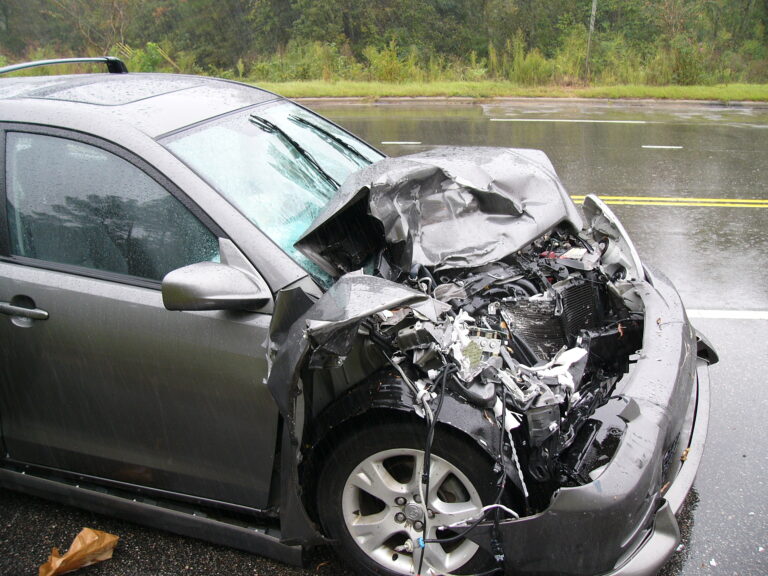
Denial of claims

Denial of claims is a common occurrence in the field of accident law. Insurance companies are often hesitant to pay out claims, and they may use various tactics to deny or reduce the compensation owed to accident victims. One of the most common reasons for claim denial is the lack of sufficient evidence to support the claim. Insurance companies often require extensive documentation and proof of the accident, injuries sustained, and related expenses. Additionally, insurance companies may argue that the accident was caused by the negligence or fault of the victim, which can also lead to claim denial. It is important for accident victims to be prepared and gather all necessary evidence to support their claim, as well as seek legal advice to navigate the complexities of the claims process and challenge any unjust denials.

Importance of legal representation

When it comes to dealing with accident cases, having legal representation is of utmost importance. A skilled and experienced accident lawyer can navigate the complex legal system, ensuring that your rights are protected and that you receive fair compensation for your injuries and damages. They have the knowledge and expertise to gather evidence, negotiate with insurance companies, and present a strong case in court if necessary. Without proper legal representation, you may find yourself at a disadvantage, facing challenges and obstacles that can be overwhelming. Therefore, it is crucial to seek the assistance of a qualified accident lawyer who can guide you through the legal process and help you achieve the best possible outcome.

Conclusion

Importance of debunking myths

The importance of debunking myths about accident law cannot be overstated. Misinformation and misconceptions can lead to significant consequences for individuals seeking legal recourse after an accident. By debunking common myths, we can ensure that people have accurate information about their rights and options, allowing them to make informed decisions and pursue fair and just compensation. Moreover, debunking myths helps to dispel any confusion or misunderstandings surrounding accident law, promoting a better understanding of the legal process and the rights of accident victims. Ultimately, debunking these myths is crucial in ensuring fairness, justice, and the protection of individuals’ rights in the realm of accident law.

Seeking professional advice

Seeking professional advice is crucial when dealing with accident law cases. With the complexity of the legal system and the potential consequences involved, it is important to have a knowledgeable and experienced attorney by your side. They can provide valuable guidance and ensure that your rights are protected throughout the process. Whether you are filing a personal injury claim or navigating insurance negotiations, a skilled lawyer can help you understand your options and make informed decisions. By seeking professional advice, you can increase your chances of achieving a favorable outcome in your accident law case.

Empowering accident victims

Accidents can be traumatic experiences that leave victims feeling helpless and overwhelmed. However, it is important to remember that accident victims have rights and options. Empowering accident victims means providing them with the knowledge and resources they need to navigate the legal system and seek justice. By debunking common myths about accident law, we can help accident victims understand their rights and make informed decisions about their case. Through education and support, we can empower accident victims to assert their rights and advocate for the compensation they deserve.

What to Look for in a Successful Accident Law firm

0

Introduction

Definition of a successful accident law firm

A successful accident law firm can be defined as a legal practice that specializes in handling cases related to accidents, such as car accidents, workplace accidents, and medical malpractice. These firms have a team of experienced and skilled attorneys who are well-versed in personal injury law and have a track record of successfully representing their clients. They have a deep understanding of the complexities involved in accident cases and are dedicated to providing the best possible legal representation to their clients. A successful accident law firm is known for its commitment to client satisfaction, professionalism, and ethical practices. They prioritize the needs and interests of their clients and work tirelessly to ensure that they receive fair compensation for their injuries and losses. With their extensive knowledge and expertise, a successful accident law firm can navigate the legal system effectively and advocate for the rights of accident victims.

Importance of choosing the right accident law firm

Choosing the right accident law firm is of utmost importance when seeking legal representation for your personal injury case. A successful accident law firm can make a significant difference in the outcome of your case, ensuring that you receive the compensation you deserve. They have the expertise and experience to navigate the complex legal process, gather evidence, and build a strong case on your behalf. Moreover, a reputable accident law firm will have a team of skilled attorneys who specialize in personal injury law, ensuring that you have the best legal representation possible. By choosing the right accident law firm, you can have peace of mind knowing that your case is in capable hands and that your rights will be protected throughout the legal proceedings.

Overview of the article

In this article, we will provide an overview of the key factors to consider when looking for a successful accident law firm. We will discuss the importance of experience, expertise, and track record in handling accident cases. Additionally, we will explore the significance of a strong reputation, client testimonials, and positive reviews as indicators of a reputable accident law firm. By understanding these essential elements, readers will be equipped with the knowledge to make an informed decision when seeking legal representation for accident-related matters.

Experience and Expertise

Years of experience in handling accident cases

A successful accident law firm should have years of experience in handling accident cases. This experience is crucial as it allows the firm to develop a deep understanding of the complexities and nuances involved in accident cases. With years of experience, the law firm can effectively navigate the legal system, anticipate potential challenges, and devise strategic approaches to ensure the best possible outcome for their clients. Moreover, an experienced accident law firm is well-equipped to handle various types of accidents, ranging from car accidents to workplace accidents, and can provide expert guidance and representation throughout the entire legal process. Therefore, when looking for a successful accident law firm, it is essential to prioritize years of experience as it demonstrates the firm’s ability to deliver favorable results and protect the rights of their clients.

Specialization in personal injury law

Specialization in personal injury law is one of the key factors to consider when choosing a successful accident law firm. Personal injury cases can be complex and require in-depth knowledge of the laws and regulations surrounding such cases. A law firm that specializes in personal injury law will have the expertise and experience needed to handle these types of cases effectively. They will be familiar with the various types of accidents and injuries, as well as the legal strategies and tactics that can be employed to ensure a favorable outcome for their clients. By choosing a law firm that specializes in personal injury law, you can have confidence that your case will be handled with the utmost professionalism and skill.

Track record of successful case outcomes

When choosing an accident law firm, one of the most important factors to consider is their track record of successful case outcomes. A law firm with a strong track record demonstrates their ability to effectively represent their clients and achieve favorable results. It shows that they have the experience, knowledge, and skills necessary to navigate complex legal processes and fight for their clients’ rights. By selecting a law firm with a proven track record of success, individuals can have confidence that their case is in capable hands and increase their chances of obtaining a favorable outcome.

Reputation and Client Testimonials

Positive reviews and ratings from previous clients

Positive reviews and ratings from previous clients are an essential factor to consider when looking for a successful accident law firm. These reviews and ratings provide valuable insights into the firm’s track record and reputation. When previous clients share positive experiences and express satisfaction with the firm’s services, it indicates that the firm has a history of delivering favorable outcomes for their clients. Positive reviews and ratings also indicate that the firm has built a strong level of trust and credibility within the community. Therefore, when searching for an accident law firm, it is crucial to prioritize those with positive reviews and high ratings from previous clients.

Recognition and awards in the legal industry

Recognition and awards in the legal industry play a crucial role in determining the success and credibility of an accident law firm. When choosing a law firm, it is important to consider their track record of achievements and accolades. A firm that has been recognized by reputable organizations and has received prestigious awards demonstrates their expertise and dedication to providing exceptional legal services. These recognitions not only validate the firm’s capabilities but also instill confidence in potential clients. Therefore, it is essential to prioritize a law firm that has a proven history of recognition and awards in the legal industry.

Client testimonials and success stories

Client testimonials and success stories are an essential aspect when considering a successful accident law firm. These testimonials provide valuable insight into the firm’s track record and the outcomes they have achieved for their clients. Reading about the experiences of past clients can give potential clients confidence in the firm’s ability to handle their case effectively. Additionally, success stories highlight the firm’s expertise in navigating complex legal situations and obtaining favorable results. By showcasing real-life examples of successful cases, the firm can demonstrate their commitment to delivering exceptional legal representation. Overall, client testimonials and success stories serve as a testament to the firm’s dedication, professionalism, and ability to achieve positive outcomes for their clients.

Resources and Team

Availability of skilled attorneys and support staff

When choosing a successful accident law firm, one of the key factors to consider is the availability of skilled attorneys and support staff. Having experienced and knowledgeable lawyers who specialize in accident cases can make a significant difference in the outcome of your claim. These attorneys have a deep understanding of the laws and regulations surrounding accidents and can provide you with expert advice and guidance throughout the legal process. Additionally, a reputable law firm will have a dedicated team of support staff who assist the attorneys in preparing your case, gathering evidence, and communicating with insurance companies and other parties involved. This ensures that your case is handled efficiently and effectively, allowing you to focus on your recovery. Therefore, it is crucial to choose a law firm that prioritizes the availability of skilled attorneys and support staff to ensure the best possible outcome for your accident claim.

Access to investigative resources and experts

Access to investigative resources and experts is a crucial factor to consider when choosing a successful accident law firm. A reputable firm will have the necessary resources and connections to thoroughly investigate the details of your case. This includes access to skilled investigators who can gather evidence, interview witnesses, and reconstruct the accident scene if necessary. Additionally, a reliable law firm will have access to a network of expert witnesses who can provide valuable insights and testimony to support your claim. By having access to these resources, a successful accident law firm can build a strong case on your behalf and increase your chances of obtaining a favorable outcome in your accident claim.

Collaboration with other legal professionals

Collaboration with other legal professionals is a crucial aspect to consider when evaluating the success of an accident law firm. In order to effectively represent their clients, these firms must have a strong network of professionals, including lawyers, paralegals, and investigators, who can contribute their expertise and knowledge to the cases. By collaborating with other legal professionals, accident law firms can tap into a wealth of resources and insights, enabling them to build strong cases and provide comprehensive legal representation. This collaboration also allows for a multidisciplinary approach, where different perspectives and skills can be combined to create innovative strategies and solutions. Ultimately, a successful accident law firm understands the value of collaboration and actively seeks opportunities to work with other legal professionals to achieve the best possible outcomes for their clients.

Communication and Accessibility

Prompt and responsive communication

Prompt and responsive communication is a crucial factor to consider when searching for a successful accident law firm. The ability of the firm to promptly respond to client inquiries and provide updates on the progress of the case is essential for building trust and ensuring a smooth legal process. Effective communication not only helps in addressing any concerns or questions that clients may have, but it also demonstrates the firm’s dedication to providing excellent client service. A law firm that prioritizes prompt and responsive communication shows that they value their clients’ time and are committed to keeping them informed throughout the legal proceedings.

Availability for client meetings and consultations

Availability for client meetings and consultations is a crucial factor to consider when choosing a successful accident law firm. A reputable firm understands the importance of being accessible to their clients and ensuring that they can easily schedule meetings and consultations. This availability allows clients to discuss their case, ask questions, and receive updates on the progress of their legal matters. Whether it’s in-person meetings, phone consultations, or virtual appointments, a reliable law firm will go the extra mile to accommodate their clients’ needs and provide personalized attention. By prioritizing availability, a successful accident law firm demonstrates their commitment to client satisfaction and effective communication throughout the legal process.

Regular updates on case progress

Regular updates on case progress are crucial when working with an accident law firm. It is important to choose a firm that prioritizes communication and keeps clients informed about the progress of their case. By providing regular updates, the law firm ensures that clients are aware of any developments, changes, or challenges that may arise throughout the legal process. This transparency not only helps to build trust between the firm and the client but also allows the client to make informed decisions regarding their case. Whether it is through phone calls, emails, or in-person meetings, regular updates on case progress demonstrate the firm’s commitment to providing excellent service and achieving the best possible outcome for their clients.

Fees and Payment Structure

Transparent fee structure and billing practices

A key aspect to consider when choosing a successful accident law firm is their transparent fee structure and billing practices. It is important to work with a firm that clearly outlines their fees and billing methods upfront, ensuring there are no hidden costs or surprises. Transparent fee structures allow clients to have a clear understanding of the financial commitment involved in their case and helps build trust and credibility. Additionally, a law firm with transparent billing practices provides detailed invoices that break down the services rendered and the associated costs, giving clients the confidence that they are being charged fairly and accurately. By prioritizing transparency in their fee structure and billing practices, a successful accident law firm demonstrates their commitment to providing a professional and ethical service to their clients.

Contingency fee options

Contingency fee options are a crucial factor to consider when choosing an accident law firm. This payment arrangement allows clients to hire legal representation without having to pay any upfront fees. Instead, the law firm agrees to be paid a percentage of the compensation awarded if they win the case. This fee structure is beneficial for clients who may not have the financial resources to afford expensive legal fees. It also incentivizes the law firm to work diligently on the case to secure a favorable outcome. When selecting an accident law firm, it is important to inquire about their contingency fee options to ensure that it aligns with your financial situation and goals.

No hidden costs or upfront fees

A successful accident law firm should have a transparent fee structure, ensuring that there are no hidden costs or upfront fees. This is important for clients as it allows them to have a clear understanding of the financial aspects of their case from the beginning. By eliminating any surprises or unexpected expenses, the law firm demonstrates its commitment to providing honest and reliable legal services. Clients can feel confident that they will not be burdened with additional financial obligations during the course of their legal proceedings. With a focus on transparency, a successful accident law firm builds trust with its clients and establishes a strong foundation for a successful attorney-client relationship.

Steps to Take Immediately After an Accident

0

Title 1

Subheading 1.1

After an accident, it is crucial to take immediate action to ensure your safety and protect your legal rights. Subheading 1.1 focuses on the first steps you should take after an accident. One of the most important things to do is to check yourself and others involved for injuries and call for medical assistance if needed. Additionally, it is essential to contact the authorities and report the accident, providing them with accurate information about the incident. Gathering evidence, such as taking photos of the scene and collecting witness statements, can also be beneficial for insurance claims and legal purposes. Remember to exchange contact and insurance information with the other parties involved and avoid admitting fault. Seeking legal advice from an attorney specializing in personal injury cases is advisable to understand your rights and navigate the legal process effectively.

Subheading 1.2

After an accident, it is important to take immediate action to ensure your safety and protect your rights. Subheading 1.2 focuses on the steps you should take right after an accident. One of the first things you should do is check yourself and others for injuries. If anyone is injured, call for medical assistance right away. It is also crucial to move your vehicle to a safe location if possible to prevent further accidents or traffic disruptions. Additionally, it is recommended to gather information from the other party involved, such as their name, contact details, and insurance information. This will be helpful when filing an insurance claim or seeking legal assistance. Remember to document the accident scene by taking photos or videos and gather any witness statements if available. Lastly, report the accident to the appropriate authorities and notify your insurance company. Taking these immediate steps can help ensure a smoother claims process and protect your rights in the aftermath of an accident.

Subheading 1.3

After an accident, it is important to take immediate action to ensure your safety and protect your rights. Subheading 1.3 focuses on the steps you should take immediately after the incident. One of the first things you should do is check yourself and others involved for any injuries. If anyone is injured, call for medical assistance right away. It is also important to move to a safe location if possible, to avoid any further danger. Additionally, you should contact the police to report the accident and provide them with accurate and detailed information about what happened. This will help with any future insurance claims or legal proceedings. Remember to exchange contact and insurance information with the other party involved, and if possible, gather evidence such as photographs or witness statements. Taking these immediate steps can greatly impact the outcome of your accident case and ensure that you have the necessary documentation and support for any claims or legal actions.

Title 2

Subheading 2.1

After the initial shock of an accident, it is important to take immediate action. Subheading 2.1 focuses on the steps that should be taken right after an accident occurs. These steps are crucial in ensuring the safety of everyone involved and in minimizing further damage or injuries. By following these steps, individuals can protect their rights, gather necessary information, and begin the process of resolving any legal or insurance matters that may arise as a result of the accident.

Subheading 2.2

After ensuring the safety of all individuals involved in the accident, it is crucial to document the incident thoroughly. This includes gathering information such as the date, time, and location of the accident, as well as the contact details of any witnesses. Additionally, taking photographs of the scene and the vehicles involved can provide valuable evidence for insurance claims or legal proceedings. It is also important to notify the relevant authorities, such as the police or the insurance company, about the accident as soon as possible. By following these steps, you can ensure that the necessary information is collected and the proper procedures are followed in the aftermath of an accident.

Subheading 2.3

After an accident, it is crucial to take immediate action to ensure your safety and protect your rights. Subheading 2.3 focuses on the necessary steps you should take in the aftermath of an accident. One of the most important steps is to document the scene by taking photos of the vehicles involved, any visible injuries, and the surrounding area. This evidence can be crucial in supporting your insurance claim or any legal action that may follow. Additionally, it is important to exchange contact and insurance information with the other parties involved and gather contact information from any witnesses. Reporting the accident to the police and your insurance company is also necessary to ensure that the incident is properly documented. Lastly, it is advisable to seek medical attention even if you do not believe you have sustained any serious injuries, as some injuries may not be immediately apparent. By following these steps, you can protect your rights and ensure a smooth process in the aftermath of an accident.

Title 3

Subheading 3.1

After an accident, it is crucial to take immediate action to ensure your safety and protect your rights. Subheading 3.1 focuses on the steps you should take immediately following an accident. One of the first things you should do is check yourself and others for any injuries. If anyone is injured, call for medical assistance right away. It is also important to move to a safe location, especially if you are involved in a car accident. This will help prevent further accidents and injuries. Additionally, it is recommended to gather evidence at the scene, such as taking photos of the accident and collecting contact information from any witnesses. These steps will help you when dealing with insurance companies and legal proceedings. Remember, acting promptly and responsibly after an accident can make a significant difference in the outcome of your case.

Subheading 3.2

After an accident, it is crucial to take immediate action to ensure your safety and protect your rights. Subheading 3.2 focuses on the steps you should take in the aftermath of an accident. One important step is to gather evidence at the scene, such as taking photos, collecting witness statements, and noting any relevant details. This evidence can be vital in supporting your insurance claim or any legal action you may need to take. Additionally, it is essential to seek medical attention promptly, even if you don’t have any noticeable injuries. Some injuries, such as whiplash, may not manifest immediately but can have long-term effects. Finally, it is advisable to notify your insurance company about the accident as soon as possible, providing them with accurate and detailed information. By following these steps, you can ensure that you are taking the necessary actions to protect yourself and your interests after an accident.

Subheading 3.3

After an accident, it is crucial to take immediate action to ensure your safety and protect your rights. Subheading 3.3 focuses on the steps you should take right after an accident. One of the most important things to do is to check yourself and others involved in the accident for any injuries. If anyone is injured, it is essential to call for medical assistance right away. Additionally, it is crucial to document the accident scene by taking photographs and gathering contact information from any witnesses. This evidence can be valuable when filing an insurance claim or seeking legal recourse. Lastly, it is advisable to notify your insurance company about the accident as soon as possible. By following these steps, you can ensure that you are taking the necessary actions to protect yourself and your rights after an accident.

Title 4

Subheading 4.1

After an accident, it is important to take immediate action to ensure your safety and protect your rights. Subheading 4.1 focuses on the steps you should take right after an accident. One of the first things you should do is check yourself and others involved for any injuries and call for medical assistance if necessary. It is also crucial to move to a safe location, away from traffic, to prevent further harm. Additionally, you should gather important information such as the names and contact details of the parties involved, as well as any witnesses. This information will be valuable when filing an insurance claim or pursuing legal action. Lastly, it is advisable to document the accident scene by taking photos or videos, as this evidence can be useful in supporting your case. By following these steps outlined in Subheading 4.1, you can ensure that you are taking the necessary actions immediately after an accident to protect yourself and your interests.

Subheading 4.2

After an accident, it is crucial to take immediate action to ensure your safety and protect your rights. Subheading 4.2 focuses on the necessary steps to be taken in the aftermath of an accident. Once the accident has occurred, it is important to assess the situation and check for any injuries. If anyone is injured, it is essential to call for medical assistance right away. Additionally, it is advised to contact the police and report the accident, providing them with accurate details of what happened. Gathering evidence such as photographs, witness statements, and any other relevant information can also be helpful in the event of legal proceedings. Finally, it is essential to notify your insurance company about the accident as soon as possible to initiate the claims process. Taking these immediate steps can help ensure your safety, protect your legal rights, and facilitate a smooth resolution of the accident aftermath.

Subheading 4.3

After an accident, it is crucial to take immediate action to ensure your safety and protect your rights. Subheading 4.3 focuses on the steps that should be taken right after the incident. One important step is to assess the situation and check for injuries. If anyone is injured, it is essential to call for medical help immediately. Additionally, it is important to document the accident by taking photos of the scene, gathering contact information from witnesses, and making a note of any relevant details. Another crucial step is to report the accident to the appropriate authorities, such as the police or your insurance company. By following these steps outlined in Subheading 4.3, you can ensure that you are taking the necessary actions to handle the aftermath of an accident effectively.

Title 5

Subheading 5.1

After an accident, it is crucial to take immediate action to ensure your safety and protect your rights. Subheading 5.1 provides important steps to follow in the aftermath of an accident. One of the first things you should do is check yourself and others for injuries. If anyone is injured, call for medical assistance right away. It is also important to contact the appropriate authorities, such as the police, to report the accident. Gathering information about the accident, including taking photos and collecting witness statements, can be helpful for insurance claims and legal purposes. Additionally, it is recommended to exchange contact and insurance information with the other party involved in the accident. Finally, it is crucial to consult with a qualified attorney who specializes in personal injury cases to understand your rights and explore potential legal actions. Taking these immediate steps can help protect your well-being and ensure a smoother recovery process after an accident.

Subheading 5.2

After an accident, it is crucial to take immediate action to ensure your safety and protect your legal rights. Subheading 5.2 focuses on the specific steps you should take in the aftermath of an accident. One of the most important things to do is to contact the authorities and report the incident. This will help create an official record of the accident and ensure that necessary medical assistance and support is provided. Additionally, it is essential to gather information from all parties involved, including their names, contact details, and insurance information. This information will be crucial when filing insurance claims or pursuing legal action. Lastly, it is advisable to document the accident scene by taking photographs or videos, if possible. These visual records can serve as valuable evidence during insurance negotiations or legal proceedings. Remember, prompt action and thorough documentation are key to protecting your rights and ensuring a smooth post-accident process.

Subheading 5.3

After the initial shock of an accident, it is important to take immediate action to ensure your safety and protect your rights. Subheading 5.3 focuses on the steps you should take immediately after an accident. These steps include assessing your injuries and calling emergency services if necessary, exchanging information with the other party involved, documenting the accident scene, and contacting your insurance company. By following these steps, you can ensure that you are taking the necessary measures to protect yourself and handle the aftermath of the accident effectively.

Title 6

Subheading 6.1

After an accident, it is crucial to take immediate action to ensure your safety and protect your rights. Subheading 6.1 focuses on the necessary steps you should take right after an accident. These steps include assessing the situation, checking for injuries, contacting the authorities, documenting the accident, and seeking medical attention. By following these steps, you can ensure that you are taking the necessary actions to handle the aftermath of an accident effectively.

Subheading 6.2

After an accident, it is important to take immediate action to ensure your safety and protect your rights. Subheading 6.2 focuses on the steps you should take immediately following an accident. One of the first things you should do is check yourself and others for injuries. If anyone is injured, call for medical assistance right away. It is also crucial to move to a safe location if possible to prevent further harm. Additionally, you should exchange contact and insurance information with the other party involved in the accident. This information will be necessary when filing an insurance claim. Lastly, it is recommended to document the accident scene by taking photos and gathering witness statements. These steps will help you in the aftermath of an accident and ensure that you have the necessary evidence to support your case if needed.

Subheading 6.3

After an accident, it is important to take immediate action to ensure your safety and protect your legal rights. Subheading 6.3 focuses on the steps you should take immediately after an accident. One of the first things you should do is check yourself and others involved in the accident for any injuries. If anyone is injured, it is crucial to call for medical assistance right away. Additionally, it is important to move your vehicle to a safe location if possible to prevent further accidents or traffic congestion. Contacting the police to report the accident is also essential, as they can document the incident and provide you with an official report. Lastly, gathering information from the scene, such as exchanging contact and insurance details with the other party involved, can be vital for insurance claims and legal purposes. Taking these immediate steps can help ensure a smoother process when dealing with the aftermath of an accident.

The Dos and Don’ts When Interacting with Insurance Adjustors

0

Introduction

Definition of an insurance adjuster

An insurance adjuster, also known as a claims adjuster, is a professional who evaluates insurance claims to determine the amount of compensation that should be paid to policyholders. They play a crucial role in the insurance industry by investigating and assessing damages, negotiating settlements, and ensuring that policyholders receive fair and timely compensation. Insurance adjusters must have a strong understanding of insurance policies, laws, and regulations, as well as excellent communication and negotiation skills. Their main objective is to ensure that claims are handled efficiently and that policyholders are treated fairly throughout the claims process.

Importance of interacting with insurance adjusters

Interacting with insurance adjusters is a crucial aspect of the insurance claims process. Insurance adjusters play a significant role in determining the outcome of your claim, as they assess the damages, negotiate settlements, and ensure that you receive fair compensation. Building a positive and professional relationship with insurance adjusters can greatly impact the success of your claim. By effectively communicating and providing the necessary documentation, you can ensure that your case is accurately evaluated and that your rights as a policyholder are protected. It is important to approach interactions with insurance adjusters with patience, respect, and a clear understanding of your policy coverage. By doing so, you increase the likelihood of a favorable outcome and a smooth claims process.

Purpose of the article

The purpose of this article is to provide readers with valuable insights and guidance on how to effectively interact with insurance adjusters. Insurance claims can be complex and overwhelming, and it is crucial to understand the dos and don’ts to ensure a fair and successful claims process. By following the advice and recommendations outlined in this article, readers will be equipped with the knowledge and strategies needed to navigate the interaction with insurance adjusters confidently and achieve the best possible outcome for their claims.

Dos When Interacting with Insurance Adjusters

Be honest and provide accurate information

When interacting with insurance adjusters, it is crucial to be honest and provide accurate information. This is because any false or misleading statements can have serious consequences and may even result in your claim being denied. Insurance adjusters rely on the information you provide to assess the validity of your claim and determine the appropriate compensation. By being truthful and providing accurate details about the incident or accident, you can ensure a fair and smooth claims process. Remember, honesty is always the best policy when dealing with insurance adjusters.

Document everything

When dealing with insurance adjustors, it is crucial to document everything. This includes keeping a record of all communication, such as emails, phone calls, and in-person meetings. It is also important to take detailed notes during conversations and to request written confirmation of any agreements or promises made. Additionally, make sure to keep copies of any relevant documents, such as medical records, repair estimates, and receipts. By documenting everything, you can provide evidence of your interactions and ensure that you have a clear record of the information exchanged, which can be invaluable in case of any disputes or misunderstandings.

Ask questions and seek clarification

When interacting with insurance adjusters, it is crucial to ask questions and seek clarification. This step is essential in ensuring that you have a clear understanding of the claims process and the coverage provided by your insurance policy. By asking questions, you can gather all the necessary information to make informed decisions about your claim. Additionally, seeking clarification helps to avoid any misunderstandings or miscommunications that may arise during the interaction. Remember, the more you know and understand, the better equipped you will be to navigate the insurance claims process effectively.

Don’ts When Interacting with Insurance Adjusters

Don’t exaggerate or lie about the incident

When dealing with insurance adjustors, it is crucial to remember the importance of honesty and integrity. One of the most significant don’ts when interacting with insurance adjustors is to never exaggerate or lie about the incident. While it may be tempting to embellish the details in order to receive a larger payout, doing so can have serious consequences. Insurance companies have experienced professionals who are skilled at investigating claims, and any inconsistencies or falsehoods can result in your claim being denied or even legal repercussions. It is always best to provide accurate and truthful information about the incident, as this will not only help ensure a fair resolution but also maintain your credibility throughout the claims process.

Don’t accept the first settlement offer without negotiation

When dealing with insurance adjustors, it is crucial not to accept the first settlement offer without negotiation. Insurance companies often make lowball offers initially, hoping that claimants will accept them out of desperation or lack of knowledge. However, accepting the first offer without negotiation can result in receiving much less than what is deserved. It is important to carefully review the offer, assess the extent of the damages, and gather evidence to support a counteroffer. By engaging in negotiation, claimants have a better chance of reaching a fair settlement that adequately compensates them for their losses.

Don’t sign any documents without understanding them

When dealing with insurance adjustors, it is crucial to remember the golden rule: don’t sign any documents without understanding them. This is one of the most important Dos and Don’ts when it comes to interacting with insurance adjustors. Insurance documents can be complex and filled with legal jargon that may be difficult to comprehend. It is essential to carefully review any document before putting your signature on it. If you don’t understand the terms or clauses, seek clarification from the adjustor or consult with a legal professional. By taking this precautionary step, you can protect yourself from potential pitfalls and ensure that you are fully aware of the implications of what you are signing.

Common Mistakes to Avoid

Delaying the claims process

Delaying the claims process can have significant consequences when dealing with insurance adjusters. It is important to understand that insurance companies often have strict deadlines for filing claims, and any delays can result in a denial of coverage or a reduction in the amount of compensation. Therefore, it is crucial to promptly provide all the necessary documentation and information requested by the adjuster to avoid any unnecessary delays. Additionally, maintaining clear and open communication with the adjuster throughout the process can help ensure a smooth and efficient claims resolution.

Failing to gather evidence

Failing to gather evidence is a common mistake that can greatly impact the outcome of an insurance claim. When interacting with insurance adjustors, it is crucial to collect as much evidence as possible to support your case. This includes taking photographs of the accident scene, gathering witness statements, and obtaining any relevant documents or records. By failing to gather evidence, you risk weakening your position and giving the insurance company an opportunity to dispute your claim. Therefore, it is essential to be proactive in documenting and preserving evidence to ensure a fair and successful resolution to your insurance claim.

Not seeking legal advice when necessary

Not seeking legal advice when necessary can be a costly mistake when dealing with insurance adjustors. Insurance policies and claims can be complex, and without proper legal guidance, individuals may unknowingly jeopardize their rights and entitlements. Consulting with a qualified attorney who specializes in insurance law can help navigate the intricacies of the claims process, ensuring that individuals receive the compensation they deserve. By seeking legal advice when necessary, individuals can protect their interests and make informed decisions when interacting with insurance adjustors.

Tips for Effective Communication

Be polite and professional

When interacting with insurance adjustors, it is crucial to maintain a polite and professional demeanor. This not only helps to establish a positive rapport but also demonstrates your willingness to cooperate and resolve any issues that may arise. By remaining calm and respectful, you can effectively communicate your concerns and expectations, increasing the likelihood of a fair and satisfactory resolution. Remember, a courteous approach can go a long way in fostering a productive and amicable relationship with insurance adjustors.

Keep emotions in check

When interacting with insurance adjustors, it is crucial to keep emotions in check. Dealing with insurance claims can be a stressful and frustrating process, but allowing emotions to take control can hinder effective communication and negotiation. It is important to approach interactions with adjustors in a calm and composed manner, focusing on presenting facts and supporting evidence. By keeping emotions in check, individuals can maintain a professional and objective approach, increasing the likelihood of a successful resolution to their insurance claim.

Use clear and concise language

When interacting with insurance adjustors, it is crucial to use clear and concise language. This means avoiding jargon, technical terms, and overly complicated explanations. By using simple and straightforward language, you can ensure that your message is easily understood by the adjustor. Additionally, clear communication can help prevent misunderstandings and ensure that your needs and concerns are accurately conveyed. Whether you are discussing the details of your claim or negotiating a settlement, using clear and concise language is essential for effective communication with insurance adjustors.

Conclusion

Summary of key points

In summary, when interacting with insurance adjustors, it is important to keep in mind several key points. Firstly, always be honest and provide accurate information about the incident or claim. This will help in building trust and credibility with the adjustor. Secondly, document everything related to the claim, including conversations, emails, and any supporting evidence. This will ensure that you have a clear record of the communication and can refer back to it if needed. Additionally, it is crucial to understand your rights and the terms of your insurance policy. This will enable you to make informed decisions and negotiate effectively with the adjustor. Lastly, remain patient and persistent throughout the process, as dealing with insurance claims can often be time-consuming and frustrating. By following these dos and don’ts, you can navigate the interaction with insurance adjustors more effectively and increase your chances of a successful claim settlement.

Importance of following the dos and don’ts

When interacting with insurance adjustors, it is crucial to understand the importance of following the dos and don’ts. These guidelines serve as a roadmap to ensure a smooth and successful claims process. By adhering to the dos, such as providing accurate information and documentation, policyholders can increase their chances of receiving fair compensation. On the other hand, neglecting the don’ts, such as exaggerating or misrepresenting the facts, can lead to complications and potential denial of the claim. Therefore, it is essential to recognize the significance of abiding by these guidelines to protect one’s rights and interests when dealing with insurance adjustors.

Final thoughts on interacting with insurance adjusters

In conclusion, when it comes to interacting with insurance adjusters, it is important to remember a few key points. Firstly, always be prepared and organized before any interaction takes place. This includes having all necessary documentation and information readily available. Secondly, remain calm and composed during the conversation, even if emotions are running high. Keeping a level head will help ensure that the discussion remains productive and focused. Additionally, it is crucial to be honest and transparent throughout the process. Providing accurate and truthful information will not only help build trust with the insurance adjuster but also increase the chances of a fair and favorable outcome. Lastly, if any disputes or disagreements arise, consider seeking legal advice or assistance to protect your rights and interests. By following these guidelines, individuals can navigate the interaction with insurance adjusters more effectively and increase the likelihood of a successful resolution.

Comparing Contingency Fees and Hourly Rates for Accident Lawyers

0

Introduction

Definition of contingency fees

Contingency fees are a common payment arrangement used by accident lawyers. Under this arrangement, the lawyer’s fees are contingent upon the successful outcome of the case. In other words, the lawyer only gets paid if they win the case or negotiate a favorable settlement for their client. This type of fee structure is particularly beneficial for clients who may not have the financial means to pay for legal services upfront. It also aligns the interests of the lawyer and the client, as both parties are motivated to achieve a positive outcome. However, it’s important to note that contingency fees are typically higher than hourly rates, as they compensate the lawyer for taking on the risk of not getting paid if the case is unsuccessful.

Definition of hourly rates

Hourly rates refer to the fees charged by accident lawyers based on the amount of time spent on a case. Unlike contingency fees, which are determined as a percentage of the final settlement or court award, hourly rates are calculated by multiplying the lawyer’s hourly rate by the number of hours worked. This billing method is commonly used for legal services that involve a significant amount of time and effort, such as complex litigation or extensive research. Hourly rates provide a transparent and predictable cost structure for clients, as they only pay for the actual time spent on their case. However, it is important for clients to carefully monitor the hours worked and ensure that the fees remain reasonable and proportionate to the complexity of the legal matter.

Importance of choosing the right fee structure

Choosing the right fee structure is crucial when seeking legal representation for accident cases. The decision between contingency fees and hourly rates can have a significant impact on the outcome of a case and the financial burden on the client. Contingency fees, where the lawyer is paid a percentage of the settlement or award, can provide a sense of security for clients who may not have the means to pay upfront legal fees. On the other hand, hourly rates require clients to pay for the time and effort put into their case, regardless of the outcome. Understanding the importance of choosing the right fee structure is essential to ensure that clients receive fair and effective legal representation.

Pros and Cons of Contingency Fees

Advantages of contingency fees

Contingency fees offer several advantages for clients seeking legal representation in accident cases. One of the main benefits is that clients do not have to pay any upfront costs or fees to their lawyers. Instead, lawyers are only compensated if they are successful in obtaining a favorable outcome for their clients. This arrangement provides a financial relief for clients who may not have the resources to afford expensive legal fees. Additionally, contingency fees align the interests of the lawyer and the client, as both parties have a shared goal of winning the case. This incentivizes the lawyer to work diligently and efficiently to secure a positive outcome. Overall, the use of contingency fees in accident cases offers a fair and accessible option for clients to seek justice and compensation for their injuries.

Disadvantages of contingency fees

One of the main disadvantages of contingency fees for accident lawyers is the potential for reduced compensation. Unlike hourly rates, where lawyers are paid for every hour worked, contingency fees are based on a percentage of the final settlement or award. This means that if the case does not result in a favorable outcome or a high settlement, the lawyer’s compensation may be significantly lower than if they had charged an hourly rate. Additionally, contingency fees can also create a conflict of interest, as lawyers may be motivated to settle the case quickly in order to secure their fee, rather than pursuing the best possible outcome for their client. Finally, contingency fees can also result in higher legal costs for clients, as the percentage charged by the lawyer can be quite substantial, especially in cases with large settlements.

Factors to consider when choosing contingency fees

When choosing contingency fees for accident lawyers, there are several factors to consider. Firstly, it is important to assess the financial risk involved. Contingency fees are typically based on a percentage of the settlement or award received, meaning that if the case is unsuccessful, the lawyer may not receive any payment. Therefore, individuals should evaluate their likelihood of winning the case before opting for a contingency fee arrangement. Additionally, it is crucial to understand the specific terms and conditions of the contingency fee agreement. Some lawyers may charge additional expenses, such as court fees or expert witness fees, which can impact the final amount received. Lastly, individuals should also consider their personal financial situation and whether they can afford to pay upfront legal fees. While contingency fees offer the advantage of not requiring immediate payment, they may result in a higher fee if the case is successful. Overall, carefully considering these factors will help individuals make an informed decision when choosing contingency fees for accident lawyers.

Pros and Cons of Hourly Rates

Advantages of hourly rates

One of the advantages of hourly rates for accident lawyers is that it provides a more transparent and predictable billing method. With hourly rates, clients can have a clear understanding of how their legal fees are being calculated, as they are charged for the actual time spent on their case. This allows clients to have more control over their legal expenses and make informed decisions about the allocation of resources. Additionally, hourly rates can incentivize lawyers to work efficiently and effectively, as they are motivated to complete tasks in a timely manner. This can lead to faster case resolution and potentially lower overall costs for the client.

Disadvantages of hourly rates

One of the main disadvantages of hourly rates for accident lawyers is that it can lead to high costs for clients. Since lawyers charge by the hour, the more time they spend on a case, the more money the client will have to pay. This can be particularly burdensome for clients who are already dealing with the financial strain of an accident. Additionally, hourly rates can create a lack of transparency in billing. Clients may find it difficult to understand how their legal fees are being calculated, which can lead to frustration and mistrust. Lastly, hourly rates may discourage efficiency and prompt lawyers to spend more time on a case than necessary in order to increase their billable hours. This can result in unnecessary delays and higher costs for clients.

Factors to consider when choosing hourly rates

When choosing hourly rates for accident lawyers, there are several factors that should be considered. Firstly, it is important to assess the complexity of the case. Cases that require extensive research and preparation may require higher hourly rates. Additionally, the experience and expertise of the lawyer should be taken into account. Lawyers with a proven track record and specialized knowledge may command higher rates. Furthermore, the location of the lawyer’s practice can also impact the hourly rates. Lawyers practicing in major cities or high-demand areas may charge higher rates compared to those in smaller towns. Lastly, it is crucial to consider the budget and affordability. Hourly rates should align with the client’s financial capabilities while still ensuring quality legal representation. By carefully evaluating these factors, individuals can make an informed decision when choosing hourly rates for accident lawyers.

Comparing Costs

Calculating costs with contingency fees

Calculating costs with contingency fees is a crucial aspect when it comes to hiring an accident lawyer. Unlike hourly rates, where clients are billed for every hour of the lawyer’s time, contingency fees are based on a percentage of the final settlement or verdict. This means that clients only pay if they win their case, making it a more affordable option for those who cannot afford upfront legal fees. However, it is important to carefully consider the percentage charged by the lawyer, as it can vary depending on the complexity of the case and the lawyer’s experience. Overall, calculating costs with contingency fees offers a flexible and potentially cost-effective solution for accident victims seeking legal representation.

Calculating costs with hourly rates

When it comes to calculating costs with hourly rates, accident lawyers charge clients based on the amount of time they spend working on a case. This means that every phone call, email, research, and court appearance is accounted for and billed accordingly. The hourly rate typically varies depending on the lawyer’s experience, reputation, and location. While hourly rates provide transparency in terms of the services rendered, they can quickly add up and become costly for clients, especially in complex cases that require a significant amount of time and effort from the lawyer. Therefore, it is essential for clients to carefully consider the potential costs associated with hourly rates before engaging the services of an accident lawyer.

Factors that can affect costs

When it comes to hiring an accident lawyer, there are several factors that can affect the costs. One of the main factors is the type of fee arrangement, whether it is a contingency fee or an hourly rate. A contingency fee is a percentage of the settlement or award that the lawyer will receive if they win the case. On the other hand, an hourly rate means that the lawyer charges a set amount for every hour they work on the case. Another factor that can affect costs is the complexity of the case. Cases that involve multiple parties, extensive research, or expert witnesses may require more time and resources, leading to higher costs. Additionally, the experience and reputation of the lawyer can also impact the costs. Highly experienced and reputable lawyers may charge higher fees due to their expertise and track record of success. It is important for individuals seeking legal representation to consider these factors and weigh the potential costs against the expected outcome of their case.

Case Evaluation

How contingency fees affect case evaluation

Contingency fees have a significant impact on the evaluation of accident cases. Unlike hourly rates, which require clients to pay attorneys for their time regardless of the outcome, contingency fees only require payment if the case is successful. This arrangement motivates accident lawyers to thoroughly evaluate the merits of a case before taking it on, as they have a financial stake in its success. By aligning the interests of the lawyer and the client, contingency fees ensure that both parties are invested in achieving a positive outcome. Additionally, contingency fees provide access to legal representation for individuals who may not have the financial means to pay hourly rates upfront. This arrangement allows accident victims to pursue justice without the burden of immediate financial obligations. Overall, contingency fees play a crucial role in the evaluation of accident cases, promoting fairness and accessibility in the legal system.

How hourly rates affect case evaluation

Hourly rates play a significant role in the evaluation of accident cases. When lawyers charge by the hour, the amount of time they spend on a case directly affects the overall cost. This can have a major impact on the client’s decision to pursue legal action or settle the matter outside of court. Additionally, hourly rates can vary greatly depending on the lawyer’s experience and expertise, which can influence the quality of representation a client receives. Therefore, understanding how hourly rates affect case evaluation is crucial for both clients and accident lawyers.

Importance of accurate case evaluation

Accurate case evaluation is of utmost importance when it comes to choosing between contingency fees and hourly rates for accident lawyers. A thorough assessment of the case allows both the lawyer and the client to determine the most suitable fee structure. By evaluating the complexity, potential outcome, and resources required for the case, the lawyer can make an informed decision on whether to opt for a contingency fee or an hourly rate. This evaluation ensures fairness and transparency in the legal representation process, as it aligns the financial arrangement with the specific circumstances of the case. Moreover, an accurate case evaluation helps the client understand the potential costs involved and make an informed decision regarding their legal representation. Therefore, the importance of accurate case evaluation cannot be overstated when considering the choice between contingency fees and hourly rates for accident lawyers.

Conclusion

Summary of key points

In summary, when comparing contingency fees and hourly rates for accident lawyers, there are several key points to consider. Contingency fees are a payment method where the lawyer only receives payment if they win the case, typically a percentage of the settlement or award. On the other hand, hourly rates involve the lawyer charging a set amount for each hour of work, regardless of the case outcome. The choice between contingency fees and hourly rates depends on various factors such as the complexity of the case, the likelihood of success, and the client’s financial situation. It is important for clients to carefully evaluate these factors and consult with their lawyer to determine the most suitable payment structure for their specific needs.

Factors to consider when choosing a fee structure

When choosing a fee structure for accident lawyers, there are several factors to consider. The first factor is the financial situation of the client. Contingency fees may be more suitable for clients who cannot afford upfront costs, as they only pay if they win the case. On the other hand, hourly rates may be preferable for clients who have the financial means to pay for legal services as they are rendered. Another factor to consider is the complexity of the case. Contingency fees may be more common for cases with a higher likelihood of success, while hourly rates may be used for more complex cases that require extensive research and preparation. Additionally, the level of risk involved in the case should be taken into account. Contingency fees provide an incentive for the lawyer to work diligently and maximize the client’s compensation, while hourly rates ensure that the lawyer is compensated for their time and effort regardless of the outcome. Ultimately, the decision on which fee structure to choose should be based on the specific circumstances of the case and the client’s preferences.

Final thoughts on contingency fees vs hourly rates

In conclusion, when considering whether to hire an accident lawyer on a contingency fee or an hourly rate, it is important to weigh the pros and cons of each option. Contingency fees can be beneficial for clients who cannot afford to pay upfront legal fees, as they only pay if they win the case. However, it is crucial to carefully review the percentage that the lawyer will take from the settlement, as it can vary. On the other hand, hourly rates may be more suitable for clients who have the financial means to pay for legal services throughout the duration of the case. It provides transparency in terms of the lawyer’s fees, but it can be costly if the case takes a long time to resolve. Ultimately, the decision between contingency fees and hourly rates depends on the individual’s financial situation, risk tolerance, and the complexity of the case.