Home Blog Page 45

The advantages of settling your accident lawsuit out of court

0

Introduction

Definition of settling a lawsuit out of court

Settling a lawsuit out of court refers to the resolution of a legal dispute between parties involved in an accident case without the need for a trial. It is a voluntary process where the parties negotiate and reach an agreement on the terms of the settlement. This alternative to going to court can offer several advantages, including saving time, reducing costs, and avoiding the uncertainty and stress associated with a trial. By choosing to settle out of court, parties can maintain control over the outcome of their case and potentially achieve a faster resolution.

Importance of settling a lawsuit out of court

Settling a lawsuit out of court can be of great importance for both parties involved in an accident case. By opting for an out-of-court settlement, the parties can avoid the lengthy and often stressful process of going to trial. This can save them valuable time, money, and emotional energy. Additionally, settling out of court allows the parties to have more control over the outcome of the case, as they can negotiate and reach a mutually beneficial agreement. It also provides a level of confidentiality, as the details of the settlement can remain private. Overall, the importance of settling a lawsuit out of court cannot be overstated, as it offers a quicker, more cost-effective, and potentially more satisfactory resolution for all parties involved.

Overview of the article

In this article, we will provide an overview of the advantages of settling your accident lawsuit out of court. When faced with the possibility of going to trial, many individuals may choose to explore the option of reaching a settlement outside of the courtroom. This can offer numerous benefits, including saving time, reducing stress, and potentially obtaining a more favorable outcome. By avoiding the lengthy and often unpredictable trial process, parties involved in the lawsuit can resolve their dispute in a more efficient and cost-effective manner. Furthermore, settling out of court allows individuals to maintain a level of privacy and confidentiality that may not be possible in a public trial. Overall, settling an accident lawsuit out of court can provide a quicker, less stressful, and potentially more advantageous resolution for all parties involved.

Advantages of settling out of court

Time and cost savings

Settling your accident lawsuit out of court can offer significant time and cost savings. By avoiding a lengthy court process, both parties can reach a resolution more quickly, allowing them to move on with their lives. Additionally, out-of-court settlements often involve lower legal fees and expenses compared to a trial, saving both the plaintiff and defendant money. This can be particularly beneficial for individuals who may be facing financial constraints as a result of the accident. Overall, choosing to settle your accident lawsuit out of court can provide a more efficient and economical way to resolve the case.

Reduced stress and emotional toll

Settling an accident lawsuit out of court can significantly reduce the stress and emotional toll on all parties involved. Going through a court trial can be a long and arduous process, often causing anxiety and emotional distress for the individuals seeking justice. By opting for an out-of-court settlement, the parties can avoid the adversarial nature of a trial and work towards a mutually agreeable resolution. This can help alleviate the emotional burden and allow the individuals to focus on healing and moving forward with their lives.

Maintaining privacy and confidentiality

Maintaining privacy and confidentiality is one of the key advantages of settling your accident lawsuit out of court. When a case is resolved through litigation, the details of the case become a matter of public record, accessible to anyone who wishes to view them. This lack of privacy can be distressing for those involved, as sensitive information may be exposed to the public eye. However, by settling out of court, parties can keep the details of their case confidential, ensuring that personal and financial information remains private. This not only protects the privacy of the individuals involved but also allows them to maintain control over the narrative surrounding the case.

Preserving relationships

Maintaining a positive relationship with the other party

Maintaining a positive relationship with the other party is crucial when settling an accident lawsuit out of court. By keeping communication lines open and displaying a willingness to cooperate, both parties can work towards a mutually beneficial resolution. This approach not only fosters a respectful and amicable atmosphere but also increases the likelihood of reaching a settlement that satisfies both sides. Moreover, by avoiding the adversarial nature of a courtroom trial, parties can preserve their relationship and potentially avoid any future conflicts. Overall, prioritizing a positive relationship during the settlement process can lead to a smoother and more efficient resolution, benefiting all parties involved.

Avoiding public disputes and negative publicity

One of the key advantages of settling your accident lawsuit out of court is the ability to avoid public disputes and negative publicity. By resolving the case outside of the courtroom, both parties can maintain their privacy and protect their reputations. This is especially important for high-profile individuals or companies who want to avoid media attention and potential damage to their image. Additionally, settling out of court allows for a more amicable resolution, as it encourages open communication and cooperation between the parties involved. By avoiding a public trial, the parties can work together to reach a mutually beneficial agreement that meets their needs and avoids unnecessary conflict.

Opportunity for future collaboration

Opportunity for future collaboration: Settling your accident lawsuit out of court can create an opportunity for future collaboration between the parties involved. By resolving the dispute amicably, both parties can potentially build a positive relationship and find common ground for future projects or endeavors. This collaborative approach can lead to mutual benefits and open doors for future partnerships or collaborations that may not have been possible if the lawsuit had gone to trial. By seizing the opportunity for future collaboration, both parties can move forward with their respective goals and interests in a more productive and cooperative manner.

Control over the outcome

Avoiding unpredictable jury decisions

One of the main advantages of settling your accident lawsuit out of court is the ability to avoid unpredictable jury decisions. When a case goes to trial, the outcome is in the hands of a jury, which can be unpredictable. Jurors may have their own biases, personal experiences, or misunderstandings that can influence their decision. By settling out of court, you can bypass the uncertainty of a jury trial and negotiate a settlement that is fair and beneficial for all parties involved. This allows you to have more control over the outcome of your case and ensures that you receive a timely resolution to your lawsuit.

Ability to negotiate and reach a mutually beneficial agreement

One of the key advantages of settling your accident lawsuit out of court is the ability to negotiate and reach a mutually beneficial agreement. When you choose to settle outside of court, you have the opportunity to engage in open and honest discussions with the other party involved. This allows both sides to express their needs and concerns, and work towards finding a solution that satisfies everyone involved. By negotiating directly, you have more control over the outcome and can tailor the agreement to best meet your specific needs. This flexibility can lead to a more satisfactory resolution, as it allows for creative problem-solving and compromises that may not be possible in a courtroom setting. Additionally, reaching a mutually beneficial agreement can help maintain relationships and avoid further conflicts, as both parties are actively involved in finding a resolution. Overall, the ability to negotiate and reach a mutually beneficial agreement is a compelling reason to consider settling your accident lawsuit out of court.

Preserving control over the resolution

Preserving control over the resolution is a crucial advantage of settling an accident lawsuit out of court. By opting for an out-of-court settlement, parties involved can actively participate in the decision-making process and have a say in the outcome. This allows them to have more control over the resolution and ensures that their interests are taken into consideration. Additionally, settling out of court can help avoid the uncertainties and risks associated with a trial, providing a sense of certainty and closure to the parties involved. Overall, preserving control over the resolution is a compelling reason to consider settling an accident lawsuit out of court.

Faster resolution

Avoiding lengthy court proceedings

When it comes to settling accident lawsuits, one of the key advantages of avoiding lengthy court proceedings is the time and cost savings. Going to court can be a lengthy and expensive process, involving multiple hearings, legal fees, and expert witnesses. By settling the lawsuit out of court, both parties can save significant time and money. Additionally, settling out of court allows for a more collaborative and flexible approach to resolving the dispute, as the parties have the opportunity to negotiate and reach a mutually agreeable settlement. This can lead to a quicker resolution and a more satisfactory outcome for all parties involved.

Opportunity to reach a settlement sooner

One of the key advantages of settling your accident lawsuit out of court is the opportunity to reach a settlement sooner. When you opt for an out-of-court settlement, you can avoid the lengthy and often unpredictable process of going to trial. This can save you both time and money, as litigation can be a costly and time-consuming endeavor. By reaching a settlement sooner, you can receive compensation for your injuries and damages in a more timely manner, allowing you to move forward with your life.

Ability to move on and focus on other matters

One of the advantages of settling your accident lawsuit out of court is the ability to move on and focus on other matters. By reaching a settlement agreement, you can avoid the lengthy and often stressful process of going to trial. This allows you to put the accident behind you and shift your attention towards healing, recovery, and rebuilding your life. Instead of investing time and energy in a legal battle, you can redirect your efforts towards personal growth, work, family, and other important aspects of your life. Settling out of court provides a sense of closure and enables you to move forward with a renewed sense of purpose and optimism.

Conclusion

Summary of the advantages of settling out of court

Settling an accident lawsuit out of court can offer numerous advantages for all parties involved. Firstly, it allows for a quicker resolution to the case, avoiding the lengthy and often costly process of going to trial. By reaching a settlement agreement, both the plaintiff and defendant can save time, money, and energy that would otherwise be spent on litigation. Additionally, settling out of court can provide a sense of closure and finality, allowing the parties to move on with their lives without the ongoing stress and uncertainty of a trial. Furthermore, settlements are often confidential, protecting the privacy and reputation of both parties. This can be particularly beneficial for high-profile cases or those involving sensitive information. Overall, settling an accident lawsuit out of court can be a practical and advantageous choice for all parties involved, offering a faster, more cost-effective, and private resolution to the dispute.

Encouragement to consider settling out of court

Settling your accident lawsuit out of court can provide numerous advantages and incentives. Firstly, it offers a quicker resolution to your case, saving you time and energy that would otherwise be spent in lengthy court proceedings. Additionally, settling out of court can help you avoid the uncertainty and risks associated with a trial, as the outcome of a trial is often unpredictable. Moreover, by reaching a settlement, you have the opportunity to maintain control over the outcome of your case and negotiate terms that are favorable to you. This can include receiving a fair compensation amount and ensuring a confidential resolution. Lastly, settling out of court can also help you avoid the emotional stress and strain that can come with a public trial, allowing you to move forward and focus on healing and recovery. Considering these advantages, it is highly encouraged to explore the option of settling your accident lawsuit out of court.

Final thoughts on the topic

In conclusion, settling your accident lawsuit out of court can provide several advantages. Firstly, it allows for a quicker resolution, saving you time and avoiding a lengthy trial process. Additionally, settling out of court can also result in cost savings, as it eliminates the need for expensive legal fees and court expenses. Moreover, it offers a greater level of control and flexibility, as both parties can negotiate and come to a mutually beneficial agreement. Finally, settling out of court can help reduce stress and emotional strain, as it avoids the adversarial nature of a courtroom setting. Overall, considering the numerous benefits, it is worth exploring the option of settling your accident lawsuit out of court.

How social media posts can affect your personal injury claim

0

Introduction

Definition of personal injury claim

A personal injury claim refers to a legal case in which an individual seeks compensation for any physical or emotional harm they have suffered due to the negligence or intentional actions of another party. These claims typically arise from incidents such as car accidents, slip and falls, medical malpractice, or workplace injuries. The purpose of filing a personal injury claim is to hold the responsible party accountable and obtain financial compensation to cover medical expenses, lost wages, pain and suffering, and other damages incurred as a result of the injury.

Importance of social media in personal injury claims

In today’s digital age, social media has become an integral part of our lives, allowing us to connect with friends, share experiences, and express ourselves. However, when it comes to personal injury claims, social media can have a significant impact on the outcome of your case. Insurance companies and defense attorneys often scour social media platforms for any evidence that can be used to undermine your claim. Even innocent posts or pictures can be misinterpreted and used against you. Therefore, it is crucial to be cautious about what you post on social media during a personal injury claim. It is advisable to refrain from discussing the accident, your injuries, or any activities that may contradict your claim. By being mindful of your social media presence, you can protect your rights and ensure a fair settlement for your personal injury claim.

Overview of the article

In this article, we will explore the impact of social media posts on personal injury claims. Social media has become an integral part of our daily lives, allowing us to share our thoughts, experiences, and activities with a wide audience. However, what many people fail to realize is that these posts can have serious consequences, especially when it comes to personal injury claims. Insurance companies and opposing parties often scour social media platforms for any evidence that can be used against claimants. Therefore, it is crucial for individuals involved in personal injury cases to understand the potential risks associated with their social media presence and exercise caution when posting online.

Understanding Personal Injury Claims

Types of personal injury claims

There are various types of personal injury claims that individuals can pursue. These claims arise from different situations, such as car accidents, slip and falls, medical malpractice, and workplace accidents. Each type of claim has its own set of legal requirements and considerations. For example, car accident claims may involve proving negligence or fault, while medical malpractice claims require demonstrating a breach of the standard of care by a healthcare professional. Understanding the different types of personal injury claims is essential for individuals seeking compensation for their injuries and damages.

Process of filing a personal injury claim

The process of filing a personal injury claim involves several important steps. First, the injured party must gather all relevant evidence, such as medical records, photographs of the accident scene, and witness statements. This evidence will be crucial in proving the extent of the injuries and establishing liability. Once the evidence is collected, the next step is to consult with a personal injury lawyer who specializes in handling these types of cases. The lawyer will review the evidence, assess the strength of the claim, and determine the potential compensation that can be sought. After this, the lawyer will file the claim with the appropriate court and begin the legal proceedings. Throughout the process, it is important to maintain open communication with the lawyer and follow their guidance to ensure the best possible outcome. Filing a personal injury claim can be complex and time-consuming, but with the right legal representation, it is possible to obtain the compensation deserved.

Factors affecting personal injury claims

Social media posts can have a significant impact on personal injury claims. In today’s digital age, many individuals document their lives on social media platforms, sharing photos, videos, and personal thoughts with friends, family, and even the public. However, what may seem like harmless posts can be used against you in a personal injury claim. Insurance companies and defense attorneys often scour social media accounts to find evidence that contradicts your injury claims. For example, if you claim to have suffered severe physical injuries, but your social media posts show you engaging in physical activities or participating in events that require physical exertion, it can undermine your credibility. Therefore, it is crucial to be cautious about what you post on social media during a personal injury claim to protect your interests and ensure a fair settlement.

Social Media and Personal Injury Claims

The role of social media in personal injury claims

Social media has become an integral part of our daily lives, allowing us to connect with friends, share updates, and express ourselves. However, when it comes to personal injury claims, the role of social media takes on a whole new meaning. In recent years, insurance companies and defense attorneys have increasingly turned to social media platforms to gather evidence and scrutinize the claims of individuals seeking compensation for their injuries. This has made it more important than ever for individuals involved in personal injury claims to be cautious about what they post on social media. A seemingly innocent post or photo can easily be misinterpreted or used against them, potentially jeopardizing their chances of receiving fair compensation. Therefore, it is crucial for individuals to exercise caution and refrain from discussing their injuries or activities related to their claims on social media platforms.

Impact of social media posts on personal injury claims

Social media posts can have a significant impact on personal injury claims. In today’s digital age, it has become common for insurance companies and opposing parties to search for evidence on social media platforms. Any posts, photos, or videos that contradict the severity of your injuries or suggest that you are engaging in activities that are inconsistent with your claimed limitations can be used against you. It is crucial to be mindful of what you post on social media during the pendency of your personal injury claim to avoid any potential negative consequences. By exercising caution and refraining from sharing information that could be misinterpreted or used against you, you can protect the value of your claim and increase your chances of a successful outcome.

Examples of social media posts affecting personal injury claims

Social media posts can have a significant impact on personal injury claims, as they can provide evidence that may strengthen or weaken a case. There have been numerous examples where posts on platforms like Facebook, Twitter, and Instagram have influenced the outcome of personal injury claims. For instance, a claimant who is seeking compensation for a back injury may have their case undermined if they post pictures or videos engaging in physical activities that contradict their injury. Similarly, posts that depict the claimant engaging in activities that they claim they are unable to do due to their injury can be detrimental to their case. It is crucial for individuals involved in personal injury claims to be cautious about what they post on social media, as it can have far-reaching consequences on the outcome of their claims.

Privacy and Security Concerns

Privacy risks associated with social media

Privacy risks associated with social media can have a significant impact on personal injury claims. With the increasing use of social media platforms, individuals often share personal information, photos, and videos without realizing the potential consequences. Insurance companies and defense attorneys can use this information to challenge the severity of injuries, question the credibility of the claimant, or even argue that the claimant is not entitled to compensation. It is important for individuals to be cautious about what they post on social media and consider the potential privacy risks involved, especially when pursuing a personal injury claim.

Security risks associated with social media

Social media platforms have become an integral part of our daily lives, allowing us to connect with friends, share our thoughts and experiences, and stay updated on the latest news and trends. However, it is important to be aware of the security risks associated with social media, especially when it comes to personal injury claims. Posting on social media can potentially jeopardize your claim, as insurance companies and opposing parties can use your posts as evidence against you. Therefore, it is crucial to exercise caution and refrain from sharing any information or photos that could be misinterpreted or used against you. By being mindful of the potential security risks, you can protect yourself and ensure that your personal injury claim is not compromised.

Protecting your privacy and security on social media

In today’s digital age, protecting your privacy and security on social media is of utmost importance, especially when it comes to personal injury claims. It is crucial to be mindful of what you post on social media platforms as insurance companies and opposing parties may use your online activity against you. To safeguard your personal information, it is advisable to adjust your privacy settings to limit who can view your posts and photos. Additionally, refrain from accepting friend requests or engaging in conversations with unknown individuals to prevent potential misuse of your personal data. By being cautious and proactive in protecting your privacy on social media, you can help strengthen your personal injury claim and ensure that your information remains secure.

Tips for Managing Social Media During a Personal Injury Claim

Limiting social media activity

Limiting social media activity is crucial when it comes to personal injury claims. In today’s digital age, social media platforms have become a common way for people to share their thoughts, experiences, and activities. However, what may seem like innocent posts or updates can potentially harm your claim. Insurance companies and defense attorneys often scour social media profiles for evidence that can be used against you. They may look for pictures or posts that contradict your injury or claim, or they may use your activity to argue that you are not as injured as you claim to be. Therefore, it is important to be cautious and mindful of what you post on social media while your personal injury claim is ongoing. Consider limiting your activity, adjusting your privacy settings, and refraining from discussing your case or injuries online. By doing so, you can protect your rights and increase your chances of a successful claim.

Being cautious about what you post

When it comes to personal injury claims, it is crucial to be cautious about what you post on social media. In today’s digital age, social media platforms have become a common way for people to share their thoughts, experiences, and daily activities. However, what may seem like an innocent post or comment could potentially be used against you in your personal injury claim. Insurance companies and opposing parties often scour social media profiles for any evidence that can be used to dispute your injuries or undermine your credibility. Therefore, it is important to think twice before posting anything that could be misconstrued or taken out of context. By being mindful of what you share online, you can protect your personal injury claim and ensure that your case is not compromised by careless social media posts.

Adjusting privacy settings

Adjusting privacy settings on social media platforms is crucial when it comes to protecting your personal injury claim. By carefully managing your privacy settings, you can control who has access to your posts, photos, and personal information. This can help prevent insurance companies and opposing parties from using your social media activity against you in court. It is important to remember that even seemingly innocent posts or photos can be misinterpreted or taken out of context, potentially damaging your claim. Therefore, taking the time to review and adjust your privacy settings can greatly safeguard your personal injury case.

Conclusion

Summary of key points

Social media posts can have a significant impact on your personal injury claim. The content you share on platforms like Facebook, Twitter, and Instagram can be used as evidence by insurance companies and opposing parties to challenge the validity of your injuries. It is important to be cautious about what you post online, as even seemingly innocent posts can be misinterpreted or taken out of context. Additionally, privacy settings may not provide complete protection, as courts have ruled that social media posts can be discoverable during legal proceedings. To protect your personal injury claim, it is advisable to avoid discussing your case or posting any content that could undermine your credibility or the severity of your injuries.

Importance of being mindful of social media during a personal injury claim

During a personal injury claim, it is crucial to be mindful of social media and the impact it can have on your case. Social media posts have the potential to be used as evidence against you, as insurance companies and opposing parties may monitor your online activities. Even seemingly innocent posts can be misinterpreted or taken out of context, potentially damaging your credibility and weakening your claim. Therefore, it is important to exercise caution and think twice before posting anything on social media while your personal injury claim is ongoing. By being mindful of your online presence, you can protect your interests and avoid jeopardizing the outcome of your case.

Final thoughts

In conclusion, it is crucial to be mindful of the impact that social media posts can have on your personal injury claim. While it may be tempting to share updates and thoughts about your case online, doing so can potentially harm your chances of receiving fair compensation. Insurance companies and opposing parties may use your posts against you, twisting them out of context or using them to discredit your claims. Therefore, it is advisable to exercise caution and refrain from discussing your case or posting any potentially incriminating content on social media platforms. Remember, what you say or share online can have lasting consequences, so it is essential to prioritize your privacy and protect your legal rights.

The impact of pre-existing conditions on personal injury claims

0

Introduction

Definition of pre-existing conditions

A pre-existing condition is a medical condition or injury that existed before an accident or incident occurred. It refers to any health issue or physical ailment that an individual had prior to the incident that caused the personal injury. Pre-existing conditions can range from chronic illnesses such as diabetes or heart disease to previous injuries such as a broken bone or herniated disc. In the context of personal injury claims, the presence of a pre-existing condition can have a significant impact on the outcome of the claim, as it may affect the extent of the injury, the treatment required, and the compensation that may be awarded.

Importance of pre-existing conditions in personal injury claims

In personal injury claims, the importance of pre-existing conditions cannot be overlooked. Pre-existing conditions refer to any health issues or injuries that existed prior to the accident or incident that caused the personal injury. These conditions can have a significant impact on the outcome of a personal injury claim, as they can affect the severity of the injury, the treatment required, and the overall damages sought. Insurance companies and defense attorneys often use pre-existing conditions as a defense strategy to minimize the compensation awarded to the injured party. It is crucial for individuals pursuing personal injury claims to fully disclose any pre-existing conditions to their legal representation, as this information can greatly influence the case’s success. Additionally, it is essential for the injured party’s legal team to gather and present comprehensive medical records and expert opinions to establish a clear link between the accident and the exacerbation of the pre-existing condition. By highlighting the importance of pre-existing conditions, individuals can better understand the complexities involved in personal injury claims and work towards obtaining fair compensation for their injuries.

Objective of the article

The objective of this article is to examine the impact of pre-existing conditions on personal injury claims. In personal injury cases, pre-existing conditions refer to any medical conditions or injuries that existed prior to the accident or incident that caused the personal injury. Understanding the role of pre-existing conditions in personal injury claims is crucial as it can significantly affect the outcome of the case, including the amount of compensation awarded to the injured party. This article aims to provide insights into how pre-existing conditions are assessed and considered in personal injury claims, as well as the challenges and complexities involved in proving causation and determining the extent of damages. By exploring this topic, readers will gain a better understanding of the legal and medical aspects involved in personal injury claims and the importance of addressing pre-existing conditions in such cases.

Understanding Pre-Existing Conditions

What are pre-existing conditions?

Pre-existing conditions refer to any health issues or medical conditions that a person had prior to an accident or injury. These conditions can range from chronic illnesses, such as diabetes or heart disease, to previous injuries or surgeries. When it comes to personal injury claims, pre-existing conditions can have a significant impact on the outcome of a case. Insurance companies may argue that the injuries sustained in the accident were not solely responsible for the claimant’s current condition, but rather a result of their pre-existing condition. It is important for individuals pursuing personal injury claims to understand how pre-existing conditions can affect their case and to work closely with their legal team to build a strong argument for compensation.

Types of pre-existing conditions

Types of pre-existing conditions can vary widely and can have different implications on personal injury claims. Some common types of pre-existing conditions include chronic illnesses, such as diabetes or heart disease, previous injuries or surgeries, mental health conditions, and genetic disorders. When it comes to personal injury claims, the presence of a pre-existing condition can complicate the process and may affect the amount of compensation that an individual is entitled to. Insurance companies may argue that the injuries sustained in the accident were not solely responsible for the claimant’s current condition, and that the pre-existing condition played a role. However, it is important to note that individuals with pre-existing conditions are still entitled to seek compensation for any additional pain, suffering, or medical expenses caused by the accident. It is crucial to consult with a personal injury lawyer who can navigate the complexities of pre-existing conditions and ensure that the claimant’s rights are protected.

How pre-existing conditions can affect personal injury claims

Pre-existing conditions can have a significant impact on personal injury claims. When someone with a pre-existing condition is involved in an accident or suffers an injury, the defense may argue that the injuries were not caused by the accident, but rather by the pre-existing condition. This can make it more challenging to prove liability and obtain fair compensation. Insurance companies may try to minimize the value of the claim by attributing the injuries to the pre-existing condition. However, it is important to remember that individuals with pre-existing conditions still have the right to seek compensation for any aggravation or worsening of their condition caused by the accident. Consulting with an experienced personal injury attorney can help navigate the complexities of these cases and ensure that the rights of individuals with pre-existing conditions are protected.

Legal Considerations

Disclosure of pre-existing conditions

Disclosure of pre-existing conditions is a crucial aspect in personal injury claims. When filing a claim, it is essential for individuals to provide full and accurate information about any pre-existing conditions they may have. Failure to disclose such conditions can have significant consequences on the outcome of the claim. Insurance companies and legal professionals rely on the disclosure of pre-existing conditions to assess the extent of the injuries and determine the appropriate compensation. By being transparent about pre-existing conditions, claimants can ensure a fair and accurate evaluation of their personal injury claims.

Burden of proof

In personal injury claims, the burden of proof rests on the injured party to establish that the defendant’s actions or negligence directly caused their injuries. This burden requires the injured party to provide sufficient evidence to convince the court or jury that it is more likely than not that the defendant is responsible for their injuries. The burden of proof can be challenging, especially when it comes to pre-existing conditions. In these cases, the injured party must demonstrate that the defendant’s actions worsened or exacerbated their pre-existing condition, leading to additional harm or damages. This often involves presenting medical records, expert testimony, and other evidence to establish a causal link between the defendant’s actions and the worsening of the pre-existing condition. Successfully proving the burden of proof in cases involving pre-existing conditions can significantly impact the outcome of personal injury claims.

Impact on compensation

The impact of pre-existing conditions on personal injury claims can have a significant effect on the compensation awarded to the injured party. When a person with a pre-existing condition sustains a new injury, it can be challenging to determine the extent to which the pre-existing condition contributed to the current injury. Insurance companies often argue that the pre-existing condition was the primary cause of the injury, resulting in lower compensation. However, it is essential to consider the aggravation or exacerbation of the pre-existing condition caused by the new injury. In such cases, the injured party may be entitled to additional compensation to cover the increased pain, suffering, and medical expenses resulting from the exacerbation. Therefore, it is crucial for individuals with pre-existing conditions to seek legal advice and provide thorough medical documentation to ensure they receive fair compensation for their injuries.

Case Studies

Case study 1: Pre-existing condition not disclosed

In Case study 1: Pre-existing condition not disclosed, we examine the consequences of failing to disclose a pre-existing condition in a personal injury claim. When a person with a pre-existing condition fails to disclose it, it can have a significant impact on their claim. Insurance companies may argue that the injury was not solely caused by the accident but was instead a result of the pre-existing condition. This can lead to a reduction in the compensation awarded or even a denial of the claim altogether. It is crucial for individuals to be transparent about their pre-existing conditions when pursuing a personal injury claim to ensure a fair evaluation of their case.

Case study 2: Pre-existing condition worsened by the accident

In Case study 2, we examine the impact of pre-existing conditions that are worsened by accidents on personal injury claims. When a person with a pre-existing condition is involved in an accident, the severity of their condition may be exacerbated, leading to additional pain, suffering, and medical expenses. This can significantly impact their ability to recover and seek compensation for their injuries. It is important for individuals with pre-existing conditions to understand their rights and seek legal advice to ensure they receive fair compensation for the worsening of their condition caused by the accident.

Case study 3: Pre-existing condition unrelated to the accident

In this case study, we explore the impact of a pre-existing condition that is unrelated to the accident on personal injury claims. When a person has a pre-existing condition that is not related to the accident, it can complicate the claims process. Insurance companies may argue that the injuries sustained in the accident are not solely responsible for the damages, as the pre-existing condition may have contributed to the severity of the injuries. However, it is important to note that even if a pre-existing condition exists, the injured party may still be entitled to compensation if the accident exacerbated or worsened the condition. It is crucial to gather medical evidence and consult with legal professionals to navigate the complexities of such cases and ensure a fair outcome for the injured party.

Mitigating Factors

Contributory negligence

Contributory negligence is a legal concept that can have a significant impact on personal injury claims. It refers to the situation where the injured party is found partially responsible for their own injuries. In such cases, the compensation awarded to the injured party may be reduced or even denied altogether. Contributory negligence is often determined by assessing the actions or behavior of the injured party leading up to the accident. For example, if it is found that the injured party was not exercising reasonable care for their own safety, they may be deemed to have contributed to their injuries. It is important for individuals filing personal injury claims to be aware of the potential implications of contributory negligence and to seek legal advice to understand their rights and options.

Assumption of risk

Assumption of risk is a crucial factor in personal injury claims, particularly when it comes to pre-existing conditions. This legal concept refers to the notion that individuals willingly accept the potential dangers associated with certain activities or situations. In the context of personal injury claims, the defendant may argue that the plaintiff assumed the risk of injury by engaging in the activity or being in the situation where the incident occurred. However, it is important to note that the assumption of risk defense is not always applicable, especially if the defendant’s negligence or misconduct contributed to the plaintiff’s injuries. Therefore, determining the impact of pre-existing conditions on personal injury claims requires a careful analysis of the assumption of risk principle and its application in each specific case.

Comparative negligence

Comparative negligence is a legal concept that often comes into play in personal injury claims. It refers to the idea that both parties involved in an accident may share some level of responsibility for the resulting injuries or damages. In cases where comparative negligence applies, the compensation awarded to the injured party may be reduced based on their percentage of fault. This means that if a person is found to be partially responsible for their own injuries, their recovery may be limited. Comparative negligence laws vary by jurisdiction, but they are designed to ensure a fair and equitable resolution in personal injury cases.

Conclusion

Summary of key points

In summary, pre-existing conditions can have a significant impact on personal injury claims. These conditions refer to any health issues or injuries that existed prior to the accident or incident that caused the personal injury. When filing a claim, it is important to disclose any pre-existing conditions to ensure transparency and accuracy. Insurance companies may try to use pre-existing conditions as a basis to deny or reduce the compensation amount. However, it is crucial to note that individuals with pre-existing conditions still have the right to seek compensation for any aggravation or worsening of their condition caused by the accident. Consulting with a personal injury lawyer can help navigate the complexities of dealing with pre-existing conditions in a personal injury claim.

Importance of seeking legal advice

Seeking legal advice is crucial when dealing with personal injury claims, especially in cases involving pre-existing conditions. A skilled attorney can help navigate the complexities of the legal system and ensure that your rights are protected. They can provide expert guidance on how to gather evidence, negotiate with insurance companies, and build a strong case to maximize your chances of receiving fair compensation. Without proper legal representation, individuals may risk being taken advantage of or receiving inadequate compensation for their injuries. Therefore, it is essential to consult with a knowledgeable personal injury lawyer who can advocate for your best interests and help you achieve a favorable outcome in your personal injury claim.

Future implications

The future implications of pre-existing conditions on personal injury claims are significant. As medical advancements continue to improve, the understanding and diagnosis of pre-existing conditions become more precise. This means that insurance companies and legal professionals will have access to more accurate information when assessing personal injury claims. Additionally, the prevalence of pre-existing conditions in the population is expected to increase due to various factors such as aging populations and the rise in chronic diseases. This will undoubtedly have an impact on personal injury claims, as it may become more challenging to determine the extent to which a pre-existing condition contributes to an injury. Furthermore, the legal landscape surrounding pre-existing conditions and personal injury claims may evolve, with potential changes in legislation and court rulings. Overall, the future implications of pre-existing conditions on personal injury claims call for ongoing evaluation and adaptation in order to ensure fair and just outcomes for all parties involved.

Emerging trends and advancements in accident law

0

Introduction

Definition of accident law

Accident law, also known as personal injury law, is a legal area that deals with cases involving injuries or damages caused by accidents. It encompasses a wide range of accidents, including car accidents, slip and fall accidents, workplace accidents, and medical malpractice. The main objective of accident law is to provide compensation to the victims for their injuries and losses. This compensation can include medical expenses, lost wages, pain and suffering, and other damages. Accident law also plays a crucial role in holding responsible parties accountable for their negligent actions and promoting safety in various aspects of life.

Importance of accident law

Accident law plays a crucial role in our society as it ensures that individuals who have been injured or harmed due to the negligence of others receive the justice and compensation they deserve. It provides a legal framework to hold responsible parties accountable for their actions and acts as a deterrent to prevent future accidents. Additionally, accident law helps to promote safety and prevent harm by establishing regulations and standards that individuals and organizations must adhere to. Without accident law, victims would be left without legal recourse, and the consequences of negligence would go unchecked. Therefore, the importance of accident law cannot be overstated in protecting the rights and well-being of individuals in our society.

Overview of emerging trends and advancements

Accident law is constantly evolving, with new trends and advancements emerging to address the changing landscape of accidents. In recent years, there has been a significant shift towards a more proactive approach to accident prevention, with a focus on implementing new technologies and strategies to reduce the occurrence of accidents. One of the key emerging trends is the use of artificial intelligence and machine learning algorithms to analyze accident data and identify patterns that can help predict and prevent accidents. Additionally, there has been a growing emphasis on improving the legal framework surrounding accidents, with efforts to streamline the claims process and ensure fair compensation for victims. These advancements in accident law are aimed at creating a safer and more just society, where accidents are minimized and victims are properly supported.

Technological advancements in accident law

Use of artificial intelligence in accident investigations

The use of artificial intelligence (AI) in accident investigations is an emerging trend that has revolutionized the field of accident law. AI technology has the ability to analyze vast amounts of data and identify patterns and correlations that may not be immediately apparent to human investigators. This has greatly enhanced the efficiency and accuracy of accident investigations, allowing for quicker identification of causes and responsible parties. AI algorithms can also predict and prevent accidents by analyzing real-time data from various sources such as traffic cameras, sensors, and social media. By leveraging AI in accident investigations, legal professionals can gather stronger evidence, make more informed decisions, and ultimately ensure better outcomes for accident victims.

Impact of autonomous vehicles on accident liability

Autonomous vehicles have been a significant development in the field of transportation, promising increased safety and efficiency on the roads. However, their emergence has also raised important questions regarding accident liability. With traditional vehicles, the driver is typically held responsible for any accidents or incidents. However, in the case of autonomous vehicles, where the vehicle itself is in control, determining liability becomes more complex. In the event of an accident involving an autonomous vehicle, various factors such as the vehicle’s programming, sensors, and the actions of other drivers on the road need to be considered. This has led to ongoing debates and discussions in the legal community as to who should bear the responsibility in such cases. As the technology continues to evolve, it is crucial for lawmakers and legal professionals to adapt and establish clear guidelines to address the impact of autonomous vehicles on accident liability.

Role of big data in accident prevention

Big data plays a crucial role in accident prevention by providing valuable insights and information to help identify patterns and trends. With the ability to collect and analyze vast amounts of data from various sources such as traffic cameras, sensors, and social media, big data enables authorities to proactively identify potential accident hotspots and take preventive measures. By analyzing historical data, big data algorithms can also predict accident-prone areas and times, allowing for targeted interventions and resource allocation. Furthermore, big data analytics can be used to monitor driver behavior and identify risky driving patterns, enabling the development of targeted educational campaigns and interventions to promote safe driving practices. Overall, the role of big data in accident prevention is instrumental in creating safer roadways and reducing the number of accidents.

Legal implications of emerging trends

Challenges in applying traditional laws to new technologies

With the rapid advancements in technology, traditional laws are facing new challenges in keeping up with the ever-changing landscape. One of the major challenges is applying these laws to emerging technologies, such as autonomous vehicles, drones, and artificial intelligence. These new technologies bring about unique legal issues that were not previously encountered, requiring lawmakers and legal professionals to adapt and develop new frameworks. For example, determining liability in accidents involving autonomous vehicles or establishing regulations for the use of drones in public spaces can be complex and requires a deep understanding of both the technology and the existing legal principles. As technology continues to evolve, it is crucial for the legal system to stay up-to-date and address these challenges to ensure a fair and just application of the law in the context of new technologies.

Privacy concerns in accident data collection

Privacy concerns in accident data collection have become a significant issue in recent years. With the advancement of technology and the increasing use of data-driven solutions in accident law, there is a growing need to collect and analyze accident data for various purposes. However, this collection of data raises concerns about the privacy and security of individuals involved in accidents. Questions arise about who has access to this data, how it is stored and protected, and how it can be used without violating privacy rights. Striking a balance between the benefits of data collection and the protection of privacy is crucial in ensuring that accident law keeps up with emerging trends while respecting individuals’ privacy rights.

Regulatory framework for emerging technologies

The regulatory framework for emerging technologies in accident law is crucial in ensuring the safe and responsible implementation of these advancements. As new technologies continue to emerge, such as autonomous vehicles and drones, it is essential to establish guidelines and regulations to address potential risks and liabilities. This framework should consider various factors, including the ethical implications, privacy concerns, and the potential impact on existing laws and legal precedents. By proactively addressing these issues, the regulatory framework can promote innovation while also protecting the rights and safety of individuals involved in accidents.

Changing landscape of accident compensation

Shift towards no-fault insurance systems

In recent years, there has been a noticeable shift towards no-fault insurance systems in accident law. These systems aim to simplify the claims process and provide compensation to accident victims regardless of who is at fault. Proponents argue that no-fault insurance systems reduce litigation and administrative costs, as well as ensure faster and fairer compensation for victims. However, critics argue that such systems can lead to higher insurance premiums and may discourage responsible driving behavior. Despite the ongoing debate, the adoption of no-fault insurance systems represents an important trend in accident law that is likely to continue shaping the legal landscape.

Rise of litigation funding in accident cases

Litigation funding, also known as legal financing or lawsuit funding, is a growing trend in accident cases. With the rising costs of legal proceedings and the increasing complexity of accident laws, many accident victims are unable to afford the high expenses associated with pursuing a lawsuit. This is where litigation funding comes in. It provides financial support to accident victims by covering their legal costs, including attorney fees, court fees, and other litigation expenses. This allows victims to have access to justice and level the playing field against well-funded defendants. The rise of litigation funding has opened up opportunities for accident victims to seek compensation and hold responsible parties accountable for their actions. As the demand for litigation funding continues to increase, it is expected to play a significant role in shaping the future of accident law.

Compensation for emotional distress in accident claims

Compensation for emotional distress in accident claims is an important aspect of accident law that has seen significant advancements in recent years. When individuals experience emotional distress as a result of an accident, they may be entitled to seek compensation for the psychological impact it has had on their lives. This can include feelings of anxiety, depression, and post-traumatic stress disorder. Courts have recognized the importance of addressing emotional distress and have awarded damages to accident victims to help them recover and move forward. With the emergence of new research and understanding of the psychological effects of accidents, the legal system continues to evolve to ensure that individuals are adequately compensated for the emotional toll they endure.

Environmental considerations in accident law

Impact of climate change on accident patterns

Climate change has had a significant impact on accident patterns in recent years. With the increasing frequency and intensity of extreme weather events, such as hurricanes, floods, and heatwaves, the risk of accidents has also risen. For example, the changing climate has led to more frequent and severe road accidents due to slippery roads and reduced visibility. Additionally, the rising temperatures have increased the likelihood of heat-related accidents, such as heat strokes and dehydration. Climate change has not only affected the occurrence of accidents but has also influenced their severity and consequences. It has become crucial for accident law to adapt and address these emerging trends to ensure the safety and well-being of individuals in a changing climate.

Legal responsibility for accidents caused by environmental factors

Legal responsibility for accidents caused by environmental factors is an important aspect of accident law. With the increasing awareness of environmental issues, there has been a growing focus on holding individuals and organizations accountable for accidents that result from environmental factors. This includes accidents caused by pollution, hazardous materials, and other environmental hazards. In recent years, there have been significant advancements in the legal framework surrounding these cases, with stricter regulations and increased penalties for those found responsible. Additionally, there has been a shift towards promoting preventive measures and sustainable practices to minimize the risk of accidents caused by environmental factors. As a result, individuals and organizations are now more likely to be held liable for any harm caused by their actions or negligence in relation to the environment. This development in accident law reflects the growing recognition of the importance of protecting the environment and ensuring that those responsible for environmental accidents are held accountable.

Adapting accident law to address environmental concerns

Adapting accident law to address environmental concerns has become an increasingly important topic in recent years. With the growing awareness of the impact of human activities on the environment, there is a need to incorporate environmental considerations into accident law. This includes taking into account the potential harm caused to the environment, such as pollution or habitat destruction, and ensuring that those responsible for accidents are held accountable for any environmental damage. Additionally, adapting accident law to address environmental concerns can also help promote sustainable practices and encourage individuals and companies to act in an environmentally responsible manner. By integrating environmental considerations into accident law, we can better protect both human well-being and the natural world.

Future prospects and challenges

Ethical considerations in accident law

Ethical considerations play a crucial role in accident law, as they guide the behavior and decision-making of legal professionals. When dealing with cases involving accidents, lawyers must ensure that their actions are in accordance with the principles of fairness, justice, and integrity. This includes maintaining client confidentiality, avoiding conflicts of interest, and upholding the duty of loyalty to their clients. Additionally, ethical considerations also extend to the treatment of opposing parties, witnesses, and the overall administration of justice. By adhering to ethical standards, accident law practitioners can uphold the integrity of the legal system and ensure that justice is served for all parties involved.

Potential impact of emerging technologies on accident rates

Emerging technologies have the potential to significantly impact accident rates in various ways. With the advent of autonomous vehicles, for example, the number of accidents caused by human error could decrease dramatically. Advanced driver assistance systems, such as collision avoidance and lane departure warning systems, also have the potential to prevent accidents and reduce the severity of collisions. Additionally, advancements in infrastructure technology, such as smart traffic management systems, can help improve road safety by optimizing traffic flow and reducing congestion. However, it is important to note that emerging technologies also present new challenges and risks. As technology becomes more integrated into our daily lives, there is a need for comprehensive regulations and policies to address issues such as cybersecurity, privacy, and liability. Overall, the potential impact of emerging technologies on accident rates is promising, but it requires careful consideration and proactive measures to ensure the safety and well-being of all road users.

Balancing individual rights and public safety

Balancing individual rights and public safety is a complex and delicate task in the field of accident law. On one hand, individuals have the right to personal freedom and autonomy, which includes the freedom to take risks and make choices that may lead to accidents. On the other hand, society has a responsibility to protect the well-being and safety of its members. Finding the right balance between these competing interests requires careful consideration of various factors, such as the severity of potential harm, the likelihood of accidents occurring, and the impact on public trust and confidence in the legal system. Striking the right balance ensures that accident law not only holds individuals accountable for their actions but also promotes a safe and secure environment for everyone.

The dos and don’ts of dealing with insurance companies after an accident

0

Introduction

Understanding the importance of dealing with insurance companies after an accident

After an accident, it is crucial to understand the importance of dealing with insurance companies. Insurance companies play a vital role in the aftermath of an accident, as they are responsible for providing financial compensation and support to the affected individuals. By engaging with insurance companies promptly and effectively, accident victims can ensure that they receive the necessary assistance and coverage for medical expenses, property damage, and other related costs. Additionally, dealing with insurance companies in a timely manner can help expedite the claims process and minimize any potential delays or complications. Therefore, it is essential to prioritize communication and cooperation with insurance companies after an accident to protect your rights and interests.

Common challenges faced by individuals when dealing with insurance companies

When dealing with insurance companies after an accident, individuals often face a number of common challenges. One of the main challenges is the reluctance of insurance companies to provide fair compensation. Many insurance companies will try to minimize the amount they pay out by disputing the extent of the damages or the liability of their insured party. Another challenge is the complex and confusing nature of insurance policies and claims processes. Individuals may struggle to understand the terms and conditions of their policy, as well as the steps required to file a claim. Additionally, insurance companies may delay the claims process, causing frustration and financial strain for individuals who are in need of quick resolution. It is also common for insurance companies to use aggressive tactics, such as offering low settlement amounts or pressuring individuals to accept unfavorable terms. These challenges can make it difficult for individuals to navigate the insurance claims process and receive the compensation they deserve.

The purpose of this article

The purpose of this article is to provide guidance and advice on how to effectively deal with insurance companies after being involved in an accident. Insurance companies can be complex and intimidating to navigate, but understanding the dos and don’ts can help ensure a smoother claims process. By following the recommendations in this article, individuals can increase their chances of receiving fair compensation and avoid common pitfalls when dealing with insurance companies.

Dos of dealing with insurance companies

Gather all necessary information

After an accident, it is crucial to gather all necessary information to ensure a smooth process when dealing with insurance companies. This includes obtaining the contact details of all parties involved, such as their names, phone numbers, and addresses. Additionally, documenting the accident scene by taking photographs and noting down any relevant details can provide valuable evidence. It is also important to gather information about the insurance policies of all parties involved, including policy numbers and the contact information of their insurance providers. By gathering all necessary information, you can help expedite the claims process and ensure that you have the necessary evidence to support your case.

Document everything

When dealing with insurance companies after an accident, it is crucial to document everything. This includes taking photos of the accident scene, gathering witness statements, and keeping a record of all medical expenses and repairs. By documenting every detail, you can provide solid evidence to support your claim and ensure that you receive the compensation you deserve. Remember to keep all documents organized and easily accessible, as they will be essential when negotiating with the insurance company.

Be honest and accurate in your statements

When dealing with insurance companies after an accident, it is crucial to be honest and accurate in your statements. Providing false or misleading information can have serious consequences and may result in the denial of your claim. Remember, insurance companies have access to various resources to verify the information you provide. Therefore, it is important to provide truthful and accurate details about the accident, injuries sustained, and any other relevant information. By being honest, you can ensure a smoother claims process and increase the likelihood of a fair settlement.

Don’ts of dealing with insurance companies

Don’t accept the first offer

When dealing with insurance companies after an accident, it is crucial to remember one important rule: don’t accept the first offer. Insurance companies often try to settle claims quickly and for the lowest possible amount. However, accepting the first offer may not fully compensate you for your injuries, damages, and other losses. It is important to carefully review and negotiate any settlement offer to ensure you receive fair and adequate compensation. Consulting with an experienced personal injury attorney can help you navigate the negotiation process and advocate for your rights. Remember, your health and financial well-being are at stake, so don’t rush into accepting the first offer without considering all your options.

Don’t provide unnecessary information

When dealing with insurance companies after an accident, it is important to remember not to provide unnecessary information. Insurance companies may try to gather as much information as possible in order to minimize their liability and potentially reduce the amount of compensation they have to pay. However, it is crucial to only provide the information that is directly relevant to the accident and your claim. Avoid giving unnecessary details or personal opinions that could be used against you. Stick to the facts and provide the necessary documentation to support your claim. By being cautious about the information you share, you can protect your rights and ensure a fair settlement with the insurance company.

Don’t sign any documents without understanding them

When dealing with insurance companies after an accident, it is crucial to remember the importance of not signing any documents without fully understanding them. Insurance companies may try to pressure you into signing documents that could potentially limit your rights or reduce the compensation you are entitled to. Before signing anything, take the time to carefully read and comprehend the terms and conditions. If necessary, seek legal advice to ensure you are making informed decisions that protect your best interests. Remember, signing a document without understanding it could have long-term consequences, so it is always better to be cautious and informed.

Importance of communication

Effective communication with your insurance company

When it comes to dealing with your insurance company after an accident, effective communication is key. It is important to clearly and concisely convey the details of the accident, including the date, time, location, and any other relevant information. Be sure to provide accurate and honest information, as any discrepancies could potentially impact your claim. Additionally, it is crucial to promptly respond to any requests or inquiries from your insurance company. This will help ensure a smooth and efficient claims process. Remember to keep a record of all communication with your insurance company, including emails, phone calls, and written correspondence. By maintaining open and transparent communication, you can increase the likelihood of a favorable outcome in your insurance claim.

Communicating with the other party’s insurance company

When communicating with the other party’s insurance company after an accident, it is important to be cautious and strategic. Firstly, always remember to provide only necessary information and avoid discussing fault or admitting guilt. Stick to the facts and avoid giving any subjective opinions. Additionally, it is crucial to document all conversations and correspondence with the insurance company, including dates, times, and the names of the representatives you spoke with. This will help you keep track of the progress of your claim and ensure that you have a record of all important details. Lastly, consider seeking legal advice before engaging in any negotiations or accepting any settlement offers from the other party’s insurance company. An experienced attorney can provide guidance and help protect your rights throughout the process.

The role of a lawyer in communication

The role of a lawyer in communication is crucial when dealing with insurance companies after an accident. Insurance companies are known for their complex and often confusing communication tactics, making it difficult for accident victims to navigate the claims process. A lawyer can act as a mediator between the victim and the insurance company, ensuring that all communication is clear, concise, and in the best interest of the victim. They can also provide guidance on what information to disclose and what to avoid, protecting the victim’s rights and maximizing their chances of a fair settlement. With a lawyer by their side, accident victims can feel confident that their communication with insurance companies is handled professionally and effectively.

Understanding your policy

Reviewing your insurance policy

When reviewing your insurance policy after an accident, it is important to carefully examine the coverage and terms outlined in the document. Pay close attention to the types of accidents and damages that are covered, as well as any exclusions or limitations. Take note of the deductible amount and consider whether it is affordable for you. Additionally, review the process for filing a claim and the timeframe within which it must be done. Understanding your insurance policy will help you navigate the claims process more effectively and ensure that you receive the compensation you are entitled to.

Knowing your rights and coverage

After an accident, it is crucial to have a clear understanding of your rights and insurance coverage. Knowing your rights can help you navigate the claims process more effectively and ensure that you receive the compensation you are entitled to. Familiarize yourself with the terms and conditions of your insurance policy, including the types of coverage you have and the limits of your policy. Additionally, educate yourself on the laws and regulations that govern insurance claims in your jurisdiction. Being well-informed about your rights and coverage will empower you to make informed decisions and protect your interests when dealing with insurance companies after an accident.

Seeking clarification from your insurance company

When dealing with insurance companies after an accident, it is important to seek clarification from your insurance company. This step is crucial in understanding the coverage provided by your policy and any potential limitations or exclusions. Contact your insurance company to ask specific questions about the claims process, the documentation required, and the timeline for reimbursement. Seeking clarification will help you navigate through the complexities of dealing with insurance companies and ensure that you have a clear understanding of your rights and responsibilities.

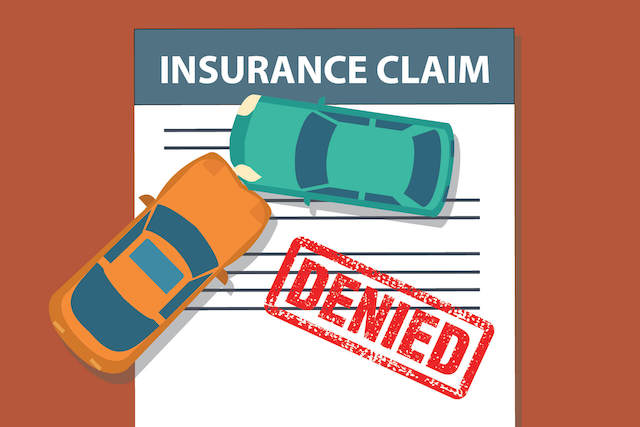
Dealing with claim denials

Understanding common reasons for claim denials

Understanding common reasons for claim denials is crucial when dealing with insurance companies after an accident. Insurance companies often deny claims for various reasons, such as insufficient evidence, policy exclusions, or failure to report the accident in a timely manner. By understanding these common reasons, you can take the necessary steps to ensure your claim is not denied. It is important to gather all relevant evidence, review your policy carefully, and report the accident promptly to increase your chances of a successful claim.

Steps to take when your claim is denied

When your claim is denied by an insurance company after an accident, it can be frustrating and overwhelming. However, there are several steps you can take to try and resolve the issue. Firstly, review your policy and the denial letter carefully to understand the reasons for the denial. It is important to gather all the necessary documentation and evidence to support your claim. You may want to consider seeking legal advice to understand your rights and options. It can also be helpful to reach out to the insurance company directly to discuss the denial and provide any additional information that may support your case. If these steps do not lead to a satisfactory resolution, you may need to escalate the issue by filing a complaint with your state’s insurance department or seeking mediation or arbitration. Remember to stay persistent and advocate for yourself throughout the process.

Appealing a denied claim

Appealing a denied claim can be a complex and frustrating process. It is important to carefully review the denial letter from the insurance company and understand the reasons for the denial. Gathering all relevant documentation, such as medical records, police reports, and witness statements, is crucial in building a strong appeal. It may also be helpful to consult with an attorney specializing in insurance claims to navigate the appeals process. Additionally, it is important to meet any deadlines set by the insurance company for submitting the appeal. By presenting a compelling case and providing sufficient evidence, there is a chance of overturning the denial and obtaining the rightful compensation.

Understanding personal injury claims: A beginner’s guide

0

Introduction

What is a personal injury claim?

A personal injury claim is a legal process in which an individual seeks compensation for injuries or damages caused by the negligence or wrongdoing of another party. It is a way for victims to hold the responsible party accountable and recover financial compensation for medical expenses, lost wages, pain and suffering, and other related damages. Personal injury claims can arise from various incidents, such as car accidents, slip and falls, medical malpractice, and workplace accidents. To pursue a personal injury claim, it is crucial to gather evidence, document the injuries and damages, and seek legal representation to navigate the complex legal procedures and negotiate with insurance companies or the opposing party.

Why is it important to understand personal injury claims?

Understanding personal injury claims is important for several reasons. Firstly, it allows individuals to know their rights and seek compensation for any harm or injury caused by someone else’s negligence. By understanding the claims process, individuals can navigate through the legal system more effectively and increase their chances of a successful outcome. Additionally, understanding personal injury claims enables individuals to make informed decisions when it comes to hiring a lawyer or negotiating a settlement. Overall, having a solid understanding of personal injury claims empowers individuals to protect their rights and seek the justice they deserve.

Who can file a personal injury claim?

Anyone who has been injured due to the negligence or wrongdoing of another person or entity can file a personal injury claim. This includes individuals who have been injured in car accidents, slip and fall incidents, workplace accidents, or medical malpractice cases. It is important to consult with a personal injury lawyer to determine if you have a valid claim and to understand the legal process involved in pursuing compensation for your injuries.

Types of Personal Injury Claims

Car Accidents

Car accidents can be a traumatic experience, often resulting in serious injuries and property damage. When it comes to personal injury claims, car accidents are one of the most common types of cases. In order to understand personal injury claims related to car accidents, it is important to be familiar with the legal process and the steps involved. This guide aims to provide beginners with a comprehensive overview of personal injury claims arising from car accidents, including the necessary steps to take, the types of compensation available, and the role of insurance companies in the process.

Slip and Fall Accidents

Slip and fall accidents are one of the most common types of personal injury claims. These accidents occur when a person slips or trips and falls due to hazardous conditions on someone else’s property. Common causes of slip and fall accidents include wet or slippery floors, uneven or cracked surfaces, poor lighting, and obstacles in walkways. Injuries from slip and fall accidents can range from minor bruises and sprains to more serious fractures and head injuries. If you have been involved in a slip and fall accident, it is important to gather evidence, seek medical attention, and consult with a personal injury lawyer to understand your rights and options for pursuing a claim.

Medical Malpractice

Medical malpractice refers to the negligence or misconduct of healthcare professionals that leads to harm or injury to a patient. This can include errors in diagnosis, treatment, medication, surgery, or aftercare. In cases of medical malpractice, the injured party may be entitled to compensation for medical expenses, pain and suffering, lost wages, and other damages. It is important for individuals to understand their rights and options when it comes to pursuing a personal injury claim related to medical malpractice.

Steps in a Personal Injury Claim

Seeking Medical Attention

When it comes to personal injury claims, seeking medical attention is crucial. After an accident or injury, it is important to prioritize your health and well-being. Seeking immediate medical attention not only ensures that you receive the necessary treatment, but it also establishes a record of your injuries, which can be vital when filing a personal injury claim. Delaying or neglecting medical attention can not only worsen your condition but may also weaken your claim. Therefore, it is essential to consult a healthcare professional as soon as possible after an accident or injury to protect your health and strengthen your personal injury claim.

Gathering Evidence

When it comes to gathering evidence for a personal injury claim, it is crucial to be thorough and meticulous. This process involves collecting various types of evidence to support your case, such as medical records, accident reports, witness statements, and photographs of the scene. Additionally, it is important to document any expenses related to the injury, including medical bills, lost wages, and property damage. Gathering strong evidence not only helps establish the liability of the responsible party but also increases the chances of obtaining a fair settlement or winning the case in court. Therefore, it is advisable to seek the assistance of an experienced personal injury attorney who can guide you through the evidence gathering process and ensure that all necessary documentation is obtained and organized properly.
Negotiating with Insurance Companies

When it comes to negotiating with insurance companies in personal injury claims, it is important to be prepared and knowledgeable. Insurance companies are skilled at minimizing payouts and may try to take advantage of those who are not familiar with the claims process. Therefore, it is crucial to gather all necessary evidence, such as medical records and accident reports, to support your claim. Additionally, it is advisable to consult with an experienced personal injury attorney who can guide you through the negotiation process and ensure that your rights are protected. By being proactive and informed, you can increase your chances of reaching a fair settlement with the insurance company.

Calculating Damages

Medical Expenses

Medical expenses are a crucial aspect of personal injury claims. When someone gets injured due to the negligence or wrongdoing of another party, they often incur various medical costs. These expenses can include hospital bills, doctor’s fees, medication, rehabilitation, and any other necessary treatments. In a personal injury claim, the injured party can seek compensation for these medical expenses, ensuring that they are not burdened with the financial consequences of their injury. It is important to keep track of all medical expenses and gather proper documentation to support the claim. Medical expenses play a significant role in determining the amount of compensation that the injured party may be entitled to receive.

Lost Wages

Lost wages refer to the income that an individual is unable to earn due to an injury or accident. When someone is injured and unable to work, they may be entitled to compensation for the wages they would have earned during their recovery period. This compensation can help alleviate the financial burden caused by the inability to work and cover essential expenses. Lost wages can include not only the actual wages but also other benefits such as bonuses, overtime, and promotions that the individual may have missed out on. It is important to keep track of all the missed work days and the income that would have been earned during that time to ensure that a fair and accurate calculation of lost wages is made. Additionally, it is crucial to provide documentation from employers and medical professionals to support the claim for lost wages. Overall, lost wages are an important aspect of personal injury claims and can significantly impact the financial well-being of an injured individual.

Pain and Suffering

Pain and suffering is a crucial aspect of personal injury claims. It refers to the physical and emotional distress experienced by an individual as a result of an accident or injury caused by someone else’s negligence. This can include physical pain, mental anguish, emotional trauma, and loss of enjoyment of life. When filing a personal injury claim, it is important to provide evidence of the extent of your pain and suffering to ensure fair compensation. This can be done through medical records, testimonies from healthcare professionals, and personal accounts of the impact the injury has had on your daily life. Pain and suffering damages are often subjective and can vary greatly depending on the circumstances of the case. Consulting with a personal injury lawyer can help you navigate the complexities of pain and suffering claims and ensure you receive the compensation you deserve.

Hiring a Personal Injury Lawyer

Benefits of Hiring a Lawyer

When it comes to personal injury claims, hiring a lawyer can provide numerous benefits. One of the main advantages is that a lawyer has the expertise and knowledge to navigate the complex legal process. They are familiar with the laws and regulations surrounding personal injury cases and can ensure that your rights are protected. Additionally, a lawyer can help gather evidence, interview witnesses, and build a strong case on your behalf. They can also negotiate with insurance companies to ensure you receive fair compensation for your injuries and losses. By hiring a lawyer, you can have peace of mind knowing that you have a dedicated advocate fighting for your rights and best interests throughout the entire claims process.

Finding the Right Lawyer

Finding the right lawyer is crucial when it comes to personal injury claims. A skilled and experienced lawyer can guide you through the complex legal process and help you navigate the challenges that may arise. They will have a deep understanding of personal injury laws and regulations, as well as the expertise to negotiate with insurance companies and opposing counsel. Additionally, a good lawyer will have a track record of successful personal injury cases, demonstrating their ability to achieve favorable outcomes for their clients. When searching for the right lawyer, it is important to consider their specialization in personal injury law, their reputation in the legal community, and their communication skills. By finding the right lawyer, you can increase your chances of obtaining the compensation you deserve for your injuries and losses.

Understanding Legal Fees

Understanding Legal Fees

When it comes to personal injury claims, understanding legal fees is an important aspect. Personal injury lawyers typically work on a contingency fee basis, which means they only get paid if they win the case. This arrangement allows individuals who may not have the financial means to afford legal representation to still have access to justice. The contingency fee is usually a percentage of the final settlement or court award, and it is important to discuss the fee structure with your lawyer upfront to avoid any surprises. Additionally, some personal injury lawyers may also offer a free initial consultation, where you can discuss your case and determine if you have a valid claim. Understanding the legal fees involved can help you make informed decisions and ensure that you are getting the representation you deserve.

Conclusion

Summary of Key Points

In summary, personal injury claims can be complex legal processes that require a thorough understanding of the law and the ability to gather and present evidence. This beginner’s guide provides an overview of the key points to consider when pursuing a personal injury claim. It emphasizes the importance of seeking medical attention, documenting injuries and damages, and consulting with a qualified personal injury lawyer. Additionally, it highlights the various types of personal injury claims, such as car accidents, slip and falls, and medical malpractice. By following the advice and information provided in this guide, individuals can navigate the personal injury claims process more effectively and increase their chances of obtaining fair compensation for their injuries and losses.

Importance of Seeking Legal Advice

The Importance of Seeking Legal Advice cannot be overstated when it comes to personal injury claims. A personal injury claim can be a complex and challenging process, and having the guidance and expertise of a legal professional is crucial. They can help you navigate the legal system, gather evidence, negotiate with insurance companies, and ensure that you receive the compensation you deserve. Without proper legal advice, you may risk making mistakes that could jeopardize your claim or result in a lower settlement. Therefore, it is essential to consult with a personal injury lawyer who can provide you with the necessary support and guidance throughout the claims process.

Empowering Yourself with Knowledge

Empowering yourself with knowledge is essential when it comes to understanding personal injury claims. By educating yourself on the intricacies of the legal process, you can make informed decisions and take control of your own case. Researching the different types of personal injury claims, familiarizing yourself with the applicable laws, and understanding the steps involved in filing a claim can give you the confidence and empowerment you need to navigate through the complexities of the legal system. Furthermore, being knowledgeable about personal injury claims can help you effectively communicate with your lawyer, ask the right questions, and ensure that your rights are protected throughout the process. Remember, knowledge is power, and by empowering yourself with knowledge, you can increase your chances of achieving a favorable outcome in your personal injury claim.

The statute of limitations for personal injury cases: Five key facts

0

Introduction

Definition of statute of limitations

The statute of limitations refers to the time limit within which a person can file a lawsuit for a personal injury case. It is a legal concept that varies from jurisdiction to jurisdiction. The purpose of the statute of limitations is to ensure that legal disputes are resolved in a timely manner and to provide a sense of finality to the legal process. By setting a time limit, it encourages individuals to pursue their claims promptly and prevents the filing of stale or outdated lawsuits. It is important for individuals involved in personal injury cases to be aware of the statute of limitations in their jurisdiction to avoid losing their right to seek compensation for their injuries.

Importance of statute of limitations in personal injury cases

The statute of limitations plays a crucial role in personal injury cases. It sets a time limit within which a person can file a lawsuit for their injuries. This time limit is important because it ensures that cases are brought to court in a timely manner, allowing for a fair and efficient legal process. Additionally, the statute of limitations provides a sense of certainty and finality, both for the injured party and the defendant. It prevents the potential for endless litigation and ensures that evidence and witness testimony remain reliable. Therefore, understanding and adhering to the statute of limitations is essential in personal injury cases to protect one’s right to seek compensation and to ensure a just resolution.

Purpose of the article

The purpose of this article is to provide readers with a comprehensive understanding of the statute of limitations for personal injury cases. By exploring five key facts, this article aims to clarify the time constraints involved in pursuing legal action for personal injuries. Understanding the purpose of the statute of limitations is crucial for individuals seeking compensation and justice for their injuries, as it determines the timeframe within which they can file a lawsuit. This article will serve as a valuable resource for anyone who wants to navigate the complexities of personal injury law and make informed decisions regarding their legal rights.

Statute of Limitations Overview

Explanation of statute of limitations

The statute of limitations refers to the time limit within which a person can file a personal injury lawsuit. It is a crucial aspect of the legal system that ensures fairness and efficiency in resolving disputes. Understanding the statute of limitations is essential for anyone involved in a personal injury case, as failing to file a lawsuit within the specified time frame can result in the case being dismissed. This article aims to provide a comprehensive explanation of the statute of limitations, highlighting five key facts that individuals should be aware of.

Different statutes of limitations for different types of personal injury cases

In personal injury cases, it is important to understand that different types of cases have different statutes of limitations. This means that the time limit for filing a lawsuit may vary depending on the nature of the injury. For example, the statute of limitations for medical malpractice cases may be different from the statute of limitations for car accident cases. It is crucial for individuals involved in personal injury cases to consult with an attorney to determine the specific statute of limitations that applies to their situation. Failing to file a lawsuit within the designated time frame can result in the case being dismissed and the injured party being unable to seek compensation for their damages.

How the statute of limitations is calculated

The statute of limitations for personal injury cases is calculated based on several factors. One key factor is the type of injury involved. Different types of injuries may have different time limits for filing a claim. Another factor is the jurisdiction in which the injury occurred. Each jurisdiction may have its own specific timeframe for filing a lawsuit. Additionally, the statute of limitations may also be affected by the age of the injured party. Minors, for example, may have a longer time period to file a claim. It is important for individuals to be aware of these factors and consult with a personal injury attorney to ensure they meet the deadline for filing a lawsuit.

Factors Affecting the Statute of Limitations

Discovery rule

The discovery rule is an important concept in personal injury cases. It allows for the statute of limitations to be extended when the injured party was not aware of their injury or its cause until a later date. This rule recognizes that it may take time for symptoms to appear or for the injured party to discover that their injury was caused by someone else’s negligence. By applying the discovery rule, individuals who have suffered personal injuries have a fair chance to seek compensation even if they were initially unaware of their rights. It is crucial to consult with a personal injury attorney to understand how the discovery rule may apply to your case.

Minority rule

The minority rule, also known as the minority tolling rule, is an exception to the statute of limitations for personal injury cases. Under this rule, the statute of limitations is tolled, or paused, for individuals who are minors at the time of the injury. This means that the clock on the statute of limitations does not start ticking until the minor reaches the age of majority. The purpose of this rule is to protect the rights of minors who may not be aware of their legal rights or have the ability to pursue a claim on their own. By tolling the statute of limitations, the minority rule ensures that minors have sufficient time to seek compensation for their injuries once they reach adulthood.

Tolling of the statute of limitations

Tolling of the statute of limitations refers to the suspension or temporary pause of the time period within which a personal injury case can be filed. This can occur in certain circumstances, such as when the injured party is a minor or mentally incapacitated, or when the defendant is out of the state or country. Tolling provides a fair opportunity for individuals who may not be able to immediately pursue legal action due to their circumstances. It ensures that their rights are protected and allows them to seek compensation when they are able to do so.

Consequences of Missing the Statute of Limitations

Loss of right to file a lawsuit

Loss of right to file a lawsuit occurs when the statute of limitations expires. In personal injury cases, the statute of limitations sets a time limit within which a lawsuit must be filed. Once this time limit has passed, the injured party loses the right to seek compensation through a lawsuit. It is important to be aware of the statute of limitations for personal injury cases to ensure that your rights are protected and that you take timely legal action if necessary.

Inability to recover damages

Inability to recover damages refers to the situation where a person is unable to receive compensation for their injuries in a personal injury case. This can occur for various reasons, such as the expiration of the statute of limitations or the lack of evidence to prove negligence or fault. When the statute of limitations has passed, the injured party loses their right to file a lawsuit and seek compensation. Additionally, if there is insufficient evidence to establish liability, the injured party may not be able to recover damages even if the statute of limitations has not expired. It is important for individuals to understand the time limits and requirements for filing a personal injury claim to avoid the risk of being unable to recover damages.

Exceptions to the statute of limitations

Exceptions to the statute of limitations provide certain circumstances in which the time limit for filing a personal injury case may be extended. These exceptions are designed to ensure that individuals who may have been unable to file a claim within the standard timeframe are still able to seek legal recourse. One common exception is the discovery rule, which allows the statute of limitations to begin from the date the injury was discovered or should have been discovered. Another exception is the tolling of the statute of limitations for minors, which suspends the time limit until the injured person reaches the age of majority. Additionally, some states have exceptions for cases involving fraud, medical malpractice, or injuries caused by exposure to toxic substances. It is important to consult with an attorney to determine if any exceptions apply to your specific personal injury case.

Exceptions to the Statute of Limitations

Fraudulent concealment

Fraudulent concealment refers to the intentional act of hiding or suppressing information that could affect a personal injury case. This can include withholding evidence, misleading statements, or other deceptive tactics. In the context of the statute of limitations, fraudulent concealment can extend the time limit for filing a personal injury claim. If a defendant has concealed crucial information related to the injury, the statute of limitations may be tolled until the concealment is discovered or should have been discovered. However, proving fraudulent concealment can be challenging, as it requires demonstrating that the defendant intentionally concealed the information with the intent to deceive. It is important for plaintiffs to consult with an experienced personal injury attorney to navigate the complexities of fraudulent concealment and ensure their rights are protected.

Mental incapacity

Mental incapacity is an important factor to consider when it comes to the statute of limitations for personal injury cases. In some situations, individuals may suffer from mental conditions that prevent them from understanding their rights or pursuing legal action within the specified time frame. In such cases, the statute of limitations may be extended, allowing these individuals to seek compensation for their injuries at a later date. It is crucial to consult with a legal professional who specializes in personal injury law to navigate the complexities of mental incapacity and ensure that the rights of those affected are protected.

Extension of the statute of limitations

The extension of the statute of limitations is an important aspect to consider in personal injury cases. In certain situations, the standard time limit for filing a claim may be extended, allowing individuals to pursue legal action even after the initial deadline has passed. One common scenario where the statute of limitations may be extended is when the injury was not immediately discovered or when it is a result of ongoing negligence or misconduct. It is crucial for individuals to be aware of these extensions and consult with a personal injury attorney to determine if they are eligible to file a claim beyond the standard time limit.

Conclusion

Importance of understanding the statute of limitations

Understanding the statute of limitations is crucial for anyone involved in a personal injury case. It determines the timeframe within which a lawsuit can be filed, and failing to adhere to this deadline can result in the case being dismissed. Knowing the statute of limitations allows individuals to take appropriate legal action in a timely manner, ensuring that their rights are protected and they have a fair chance at seeking compensation for their injuries. Additionally, being aware of the statute of limitations can help potential claimants gather and preserve evidence, consult with legal professionals, and make informed decisions about pursuing a personal injury claim. Therefore, it is essential to comprehend the importance of the statute of limitations in order to effectively navigate the legal process and maximize the chances of a successful outcome in a personal injury case.

Seeking legal advice

If you have been injured and are considering filing a personal injury claim, seeking legal advice is crucial. A skilled personal injury attorney can provide you with the guidance and expertise needed to navigate the complex legal process. They can assess the strength of your case, gather evidence, negotiate with insurance companies, and represent your best interests in court if necessary. Additionally, a lawyer can help you understand the statute of limitations for personal injury cases in your jurisdiction, ensuring that you file your claim within the specified timeframe. By seeking legal advice, you can increase your chances of receiving fair compensation for your injuries and losses.

Final thoughts

In conclusion, understanding the statute of limitations for personal injury cases is crucial for both plaintiffs and defendants. It is important to be aware of the time limits imposed by law in order to protect your rights and ensure a fair legal process. By knowing the key facts about the statute of limitations, individuals can make informed decisions about pursuing a personal injury claim or defending against one. It is always advisable to consult with an experienced personal injury attorney who can provide guidance and representation throughout the legal proceedings. Remember, time is of the essence when it comes to personal injury cases, so don’t delay in seeking legal advice if you believe you have a valid claim.

What to expect during your first meeting with an accident lawyer

0

Introduction

Importance of hiring an accident lawyer

When it comes to dealing with the aftermath of an accident, hiring an accident lawyer is of utmost importance. These legal professionals specialize in handling personal injury cases and can provide the necessary guidance and support during this challenging time. An accident lawyer has the knowledge and experience to navigate through the complex legal process, ensuring that your rights are protected and that you receive the compensation you deserve. They will investigate the accident, gather evidence, negotiate with insurance companies, and represent you in court if necessary. By hiring an accident lawyer, you can have peace of mind knowing that you have a skilled advocate fighting for your best interests.

What to expect during your first meeting

During your first meeting with an accident lawyer, there are several things you can expect. Firstly, the lawyer will ask you to provide details about the accident, including when and where it occurred, and any injuries or damages you suffered. They will also inquire about any medical treatment you have received and any insurance claims you have made. Additionally, the lawyer will discuss the legal process and the potential outcomes of your case. They will explain their role in representing you and answer any questions or concerns you may have. It is important to come prepared with any relevant documents or evidence related to the accident. Overall, the purpose of the first meeting is for the lawyer to gather information and assess the strength of your case, while also providing you with an opportunity to ask questions and understand the legal process ahead.

Overview of the article

In this article, we will provide an overview of what to expect during your first meeting with an accident lawyer. This initial consultation is an important step in the legal process and can help you understand your rights and options. During the meeting, the lawyer will gather information about your accident and injuries, discuss the legal process, and answer any questions you may have. They will also explain their fees and how they will handle your case. This article will guide you through the key points to keep in mind during your first meeting with an accident lawyer.

Preparing for the meeting

Gathering relevant documents

During your first meeting with an accident lawyer, one of the important steps is gathering relevant documents. This includes any police reports, medical records, photographs of the accident scene, insurance policies, and any other documentation related to the incident. These documents will provide the lawyer with essential information to assess your case and determine the best course of action. It is important to be prepared and organized with these documents to ensure a productive meeting with your accident lawyer.

Preparing a list of questions

Preparing a list of questions is an essential step before meeting with an accident lawyer. This will help you stay organized and make the most of your consultation. Start by brainstorming the specific details and concerns you have about your case. Consider asking about the lawyer’s experience with similar cases, their success rate, and their approach to handling negotiations or court proceedings. It’s also important to inquire about the lawyer’s fees and payment structure. By preparing a list of questions in advance, you can ensure that you cover all the necessary topics and have a productive discussion with your accident lawyer.

Researching the accident lawyer

When researching an accident lawyer, it is important to gather as much information as possible about their experience, expertise, and track record. Start by reading reviews and testimonials from past clients to get an idea of their reputation. Additionally, check if the lawyer specializes in personal injury cases and has successfully handled similar cases in the past. It is also beneficial to look into their educational background, certifications, and any awards or recognition they have received. By conducting thorough research, you can ensure that you choose an accident lawyer who is knowledgeable, skilled, and capable of representing your best interests.

Initial consultation

Discussion of the accident details

During the discussion of the accident details, it is important to provide your accident lawyer with as much information as possible. This includes the date, time, and location of the accident, as well as any witnesses or other parties involved. Be prepared to describe the events leading up to the accident, any injuries sustained, and any medical treatment received. The more details you can provide, the better your lawyer will be able to assess your case and determine the best course of action. Remember to be honest and thorough in your account of the accident, as any inaccuracies or omissions could have a negative impact on your case.

Assessment of the case

During the assessment of the case, the accident lawyer will thoroughly review all the details and evidence related to your accident. This includes examining police reports, medical records, witness statements, and any other relevant documents. The lawyer will also listen to your account of the incident and ask you specific questions to gather more information. This assessment is crucial as it helps the lawyer understand the strengths and weaknesses of your case, determine the potential legal options available to you, and develop a strategy to achieve the best possible outcome. It is important to provide the lawyer with complete and accurate information during this process to ensure a comprehensive assessment of your case.

Explanation of legal options

During your first meeting with an accident lawyer, you can expect a thorough explanation of your legal options. This is an important part of the process as it helps you understand the different courses of action available to you. The lawyer will discuss the potential outcomes and consequences of each option, allowing you to make an informed decision. They will explain the legal procedures involved, such as filing a lawsuit or negotiating a settlement, and provide guidance on the best approach based on your specific circumstances. By explaining the legal options in detail, the lawyer ensures that you have a clear understanding of your rights and the potential legal remedies available to you.

Understanding the lawyer’s role

Explanation of the lawyer’s responsibilities

During your first meeting with an accident lawyer, you can expect a detailed explanation of the lawyer’s responsibilities. The lawyer will discuss their role in representing you and advocating for your rights throughout the legal process. They will explain the various tasks they will undertake, such as gathering evidence, interviewing witnesses, negotiating with insurance companies, and preparing your case for trial if necessary. Additionally, the lawyer will clarify their duty to keep your information confidential and provide updates on the progress of your case. This explanation will help you understand the lawyer’s commitment to your legal matters and ensure that you are well-informed about the process ahead.

Discussion of the lawyer’s experience

During the discussion of the lawyer’s experience, it is important to delve into their background and expertise in handling accident cases. This includes their years of practice, their success rate, and any notable settlements or verdicts they have achieved. It is also crucial to inquire about their familiarity with the specific type of accident you were involved in, as well as their knowledge of relevant laws and regulations. By thoroughly discussing the lawyer’s experience, you can gain confidence in their ability to effectively represent you and navigate the complexities of your case.

Clarification of the fee structure

During your first meeting with an accident lawyer, it is important to seek clarification of the fee structure. Understanding how the lawyer charges for their services is crucial to avoid any surprises or misunderstandings later on. You should ask about their billing methods, such as whether they charge an hourly rate or work on a contingency basis. Additionally, inquire about any upfront costs or retainer fees that may be required. By clarifying the fee structure upfront, you can make informed decisions about your legal representation and ensure that you are comfortable with the financial aspect of your case.

Building a strategy

Evaluation of the evidence

During the evaluation of the evidence, the accident lawyer will carefully analyze all the information and documentation related to your case. This includes gathering police reports, medical records, witness statements, and any other relevant evidence. The lawyer will assess the strength of the evidence and determine its admissibility in court. They will also consider any potential challenges or weaknesses in the evidence that may arise during the legal proceedings. This thorough evaluation is crucial in building a strong case and ensuring that your rights are protected throughout the legal process.

Identification of potential witnesses

During the initial meeting with an accident lawyer, one important aspect is the identification of potential witnesses. These witnesses can play a crucial role in supporting your case and providing valuable testimony. The lawyer will discuss with you the importance of identifying witnesses who were present at the scene of the accident or have any relevant information. They may ask you for any contact details or other information that can help locate and reach out to these potential witnesses. This step is crucial as witnesses can provide key evidence that can strengthen your case and help establish liability. Therefore, it is essential to cooperate with your lawyer in identifying and gathering witness information to ensure a strong legal representation.

Development of a legal strategy

During the development of a legal strategy, your accident lawyer will carefully analyze the details of your case. They will review any evidence, such as accident reports, medical records, and witness statements, to build a strong foundation for your claim. Additionally, they will consider any applicable laws and precedents that may impact your case. By thoroughly evaluating all aspects of your situation, your lawyer will be able to create a strategic plan tailored to your specific needs and goals. This plan will outline the steps they will take to pursue a favorable outcome on your behalf, whether through negotiation or litigation. With a well-crafted legal strategy in place, you can feel confident knowing that your accident lawyer is prepared to advocate for your rights and seek the compensation you deserve.

Next steps

Negotiating with insurance companies

When it comes to negotiating with insurance companies after an accident, it is important to be prepared and informed. Insurance companies are skilled at minimizing payouts and may try to offer a settlement that is far less than what you deserve. It is crucial to have an experienced accident lawyer by your side who can navigate the complexities of dealing with insurance companies. They will fight for your rights and ensure that you receive fair compensation for your injuries, medical bills, and other damages. With their expertise, they can negotiate with insurance companies on your behalf and work towards achieving the best possible outcome for your case.

Filing a lawsuit if necessary

If negotiations with the insurance company fail to reach a satisfactory settlement, filing a lawsuit may be necessary. This step involves formally initiating legal proceedings against the party responsible for the accident. It requires drafting and filing a complaint with the appropriate court, outlining the details of the accident, the damages suffered, and the desired compensation. Filing a lawsuit can be a complex and time-consuming process, so it is crucial to have an experienced accident lawyer guide you through the legal requirements and represent your interests in court.

Timeline for the legal process

The timeline for the legal process after an accident can vary depending on the complexity of the case and the jurisdiction in which it is being handled. Generally, the process begins with an initial consultation with an accident lawyer, during which the lawyer will gather information about the accident and assess the potential for a legal claim. If the lawyer determines that there is a valid claim, they will proceed with filing a lawsuit or negotiating a settlement with the insurance company. This is followed by the discovery phase, where both parties exchange information and evidence related to the case. The next step is typically mediation or settlement negotiations, where the lawyer will work to reach a fair resolution for their client. If a settlement cannot be reached, the case may proceed to trial, where a judge or jury will make a final decision. Throughout the legal process, the accident lawyer will provide guidance and representation to ensure their client’s rights are protected and that they receive the compensation they deserve.

Frequently asked questions about accident law in [Your Location]

0

Introduction

What is accident law?

Accident law, also known as personal injury law, is a legal framework that governs the rights and responsibilities of individuals who have been injured or harmed due to the negligence or intentional actions of another party. This area of law covers a wide range of accidents, including car accidents, workplace injuries, slip and fall incidents, and medical malpractice. The main goal of accident law is to ensure that victims receive fair compensation for their injuries, including medical expenses, lost wages, and pain and suffering. Additionally, accident law holds responsible parties accountable for their actions and promotes safety and prevention measures to minimize the occurrence of accidents.

Why is accident law important?

Accident law is of utmost importance as it provides a legal framework to protect individuals who have been injured in accidents. Whether it’s a car accident, workplace incident, or any other type of accident, accident law ensures that victims receive the compensation they deserve. This compensation not only helps cover medical expenses and lost wages, but also provides a sense of justice and accountability. Additionally, accident law plays a crucial role in promoting safety and preventing future accidents by holding negligent parties responsible for their actions. Therefore, understanding accident law and seeking legal assistance when needed is vital for anyone who has been involved in an accident.

How does accident law work?

Accident law is a legal framework that governs the rights and responsibilities of individuals involved in accidents. It encompasses various aspects such as personal injury, property damage, and insurance claims. When an accident occurs, the first step is to determine who is at fault. This is done by gathering evidence, such as witness statements, photographs, and police reports. Once fault is established, the injured party may be entitled to compensation for medical expenses, lost wages, and pain and suffering. Accident law also covers the process of filing a lawsuit and going to court if a settlement cannot be reached. It is important to consult with a qualified accident lawyer who can provide guidance and representation throughout the legal process.

Types of Accidents

Car accidents

Car accidents can be devastating and life-altering events. Whether you are a driver, passenger, or pedestrian, being involved in a car accident can have serious consequences. In [Your Location], there are specific laws and regulations that govern car accidents and the responsibilities of those involved. It is important to understand your rights and obligations if you find yourself in this unfortunate situation. This paragraph will provide answers to some frequently asked questions about car accidents in [Your Location], helping you navigate the legal complexities and make informed decisions.

Workplace accidents

Workplace accidents can have serious consequences for both employees and employers. In [Your Location], understanding the laws and regulations surrounding workplace accidents is crucial for ensuring the safety and well-being of workers. This paragraph will provide answers to commonly asked questions about workplace accidents, including the rights and responsibilities of employees and employers, the process of filing a workplace accident claim, and the compensation available for injuries sustained in such accidents. By addressing these frequently asked questions, individuals can gain a better understanding of their rights and options in the event of a workplace accident in [Your Location].

Slip and fall accidents

Slip and fall accidents can happen to anyone, anywhere, and at any time. Whether it’s a wet floor, uneven surface, or debris on the ground, these accidents can result in serious injuries. In [Your Location], understanding the laws surrounding slip and fall accidents is crucial. Victims may be entitled to compensation for medical expenses, lost wages, and pain and suffering. It’s important to consult with a knowledgeable accident law attorney who can guide you through the legal process and help you navigate the complexities of your case.

Determining Liability

Negligence

Negligence is a crucial concept in accident law. It refers to the failure to exercise reasonable care, resulting in harm or injury to another person. In the context of accidents, negligence can occur in various ways, such as distracted driving, failure to maintain a safe premises, or medical malpractice. To establish negligence, certain elements must be proven, including the existence of a duty of care, breach of that duty, causation, and damages. If negligence can be proven, the injured party may be entitled to compensation for their losses, such as medical expenses, lost wages, and pain and suffering.

Strict liability

Strict liability is a legal concept that holds individuals or entities responsible for their actions, regardless of fault or intent. In the context of accident law, strict liability often applies to cases involving defective products, dangerous activities, or hazardous conditions. This means that if someone is injured or suffers damages as a result of these factors, the responsible party can be held liable, even if they did not directly cause the accident. Strict liability is designed to protect consumers and ensure that those who create or maintain dangerous conditions are held accountable for the harm they cause.

Intentional misconduct

Intentional misconduct refers to actions taken by an individual with the intent to cause harm or injury to another person. In the context of accident law, intentional misconduct can have significant implications. If it can be proven that a person intentionally caused an accident, they may be held liable for any resulting damages. This can include not only physical injuries but also emotional distress and financial losses. It is important to note that intentional misconduct is different from negligence, which refers to actions taken without the intent to cause harm. If you believe that your accident was the result of intentional misconduct, it is crucial to consult with a qualified accident law attorney to understand your rights and options for seeking compensation.

Compensation

Medical expenses

Medical expenses can be a significant concern for individuals involved in accidents. When an accident occurs, victims may require immediate medical attention, which can result in substantial costs. From emergency room visits to ongoing treatments and rehabilitation, the expenses can quickly add up. In addition to the immediate costs, accident victims may also face long-term medical expenses, such as physical therapy or specialized medical equipment. It is important for individuals to understand their rights and options when it comes to seeking compensation for these medical expenses, as they may be eligible for reimbursement or coverage through insurance policies or legal claims. Consulting with an experienced accident law attorney can help individuals navigate the complex process of pursuing compensation for medical expenses and ensure that their rights are protected.

Lost wages

Lost wages refer to the income that an individual is unable to earn due to an accident or injury. In the context of accident law, when a person is injured as a result of someone else’s negligence, they may be entitled to compensation for their lost wages. This can include the income they would have earned if they were able to work during their recovery period, as well as any future income they may have lost due to long-term or permanent disabilities. Calculating lost wages can be complex, as it requires assessing factors such as the individual’s earning capacity, the duration of the recovery period, and any potential future career advancements. It is important to consult with a qualified accident law attorney to ensure that you receive fair compensation for your lost wages.

Pain and suffering

Pain and suffering is a key aspect of accident law that is often misunderstood. It refers to the physical and emotional distress that a person experiences as a result of an accident or injury. This can include not only the immediate pain and discomfort, but also the long-term effects such as chronic pain, mental anguish, and loss of enjoyment of life. In accident law, compensation for pain and suffering is typically awarded in addition to medical expenses and lost wages. It is important to consult with a knowledgeable accident lawyer to understand your rights and to ensure that you receive fair compensation for your pain and suffering.

Statute of Limitations

What is the statute of limitations?

The statute of limitations refers to the time limit within which a person can file a lawsuit after being involved in an accident. In [Your Location], the statute of limitations for accident law cases varies depending on the type of accident and the injuries sustained. It is important to consult with a qualified accident lawyer to understand the specific statute of limitations that applies to your case. Failing to file a lawsuit within the designated time frame may result in the loss of your right to seek compensation for your injuries and damages.

How does it affect accident law cases?

Accident law cases are significantly affected by various factors that vary depending on the location. Understanding how these factors influence accident law cases is crucial for both plaintiffs and defendants. In [Your Location], there are specific laws, regulations, and precedents that shape the legal landscape surrounding accidents. This includes factors such as the statute of limitations, comparative negligence, and the burden of proof. Additionally, local court procedures and the availability of legal resources can also impact accident law cases. Therefore, it is essential to consult with a knowledgeable accident law attorney in [Your Location] to navigate the complexities and ensure the best possible outcome for your case.

Exceptions to the statute of limitations

Exceptions to the statute of limitations in accident law provide certain circumstances in which the deadline for filing a claim may be extended. One common exception is the discovery rule, which applies when the injured party could not have reasonably discovered their injury or its cause until a later date. This rule allows the statute of limitations to start from the date of discovery rather than the date of the accident. Another exception is the tolling of the statute of limitations for minors, which means that the deadline is paused until the injured person reaches the age of majority. Additionally, the statute of limitations may be extended if the defendant concealed or fraudulently misrepresented information related to the accident. It is important to consult with an experienced accident law attorney to understand the specific exceptions to the statute of limitations that may apply in your jurisdiction.

Hiring an Accident Lawyer

When should you hire an accident lawyer?

If you have been involved in an accident and believe that someone else’s negligence or wrongdoing caused your injuries, it may be in your best interest to hire an accident lawyer. A skilled accident lawyer can help you navigate the complex legal process, gather evidence to support your claim, negotiate with insurance companies, and ensure that you receive fair compensation for your injuries and damages. They can also provide guidance and support throughout the entire legal process, giving you peace of mind and allowing you to focus on your recovery.

What to consider when hiring an accident lawyer

When hiring an accident lawyer, there are several factors that you should consider. Firstly, it is important to research the lawyer’s experience and track record in handling accident cases. Look for a lawyer who specializes in personal injury law and has a successful track record of obtaining favorable outcomes for their clients. Additionally, consider the lawyer’s reputation and credibility in the legal community. Reading online reviews and testimonials from past clients can provide valuable insights into the lawyer’s professionalism and effectiveness. It is also crucial to discuss the lawyer’s fee structure and ensure that it aligns with your budget and expectations. Lastly, schedule a consultation with the lawyer to assess their communication skills and determine if you feel comfortable working with them. By taking these factors into account, you can make an informed decision when hiring an accident lawyer.

Questions to ask a potential accident lawyer

When searching for a potential accident lawyer, it is crucial to ask the right questions to ensure you find the best representation for your case. These questions will help you evaluate the lawyer’s experience, expertise, and ability to handle your specific type of accident case. Some important questions to ask include: How long have you been practicing accident law? Have you handled similar cases to mine before? What is your success rate in obtaining favorable outcomes for your clients? Do you have any references or testimonials from past clients? How do you communicate with your clients throughout the legal process? By asking these questions, you can gain a better understanding of the lawyer’s qualifications and determine if they are the right fit for your accident case.

What to do if you’re injured on someone else’s property

0

Introduction

Understanding premises liability

Premises liability is a legal concept that holds property owners responsible for accidents and injuries that occur on their premises. When someone is injured on someone else’s property, they may be able to file a premises liability claim to seek compensation for their damages. Understanding premises liability is crucial for individuals who find themselves in such situations, as it helps them navigate the legal process and determine the appropriate course of action. By knowing their rights and responsibilities, individuals can better protect themselves and ensure that they receive the compensation they deserve.

Importance of taking action

The importance of taking action cannot be overstated when it comes to being injured on someone else’s property. In these situations, it is crucial to act promptly to protect your rights and ensure that you receive the necessary medical attention and compensation. Failing to take action can result in the loss of valuable evidence, making it more challenging to prove your case. Additionally, delaying action may limit your legal options and the amount of compensation you can potentially recover. By taking immediate action, you demonstrate your commitment to holding the responsible party accountable and seeking justice for your injuries.

Overview of the article

In this article, we will provide an overview of what to do if you’re injured on someone else’s property. Accidents can happen anywhere, and it’s important to know your rights and responsibilities when it comes to seeking compensation for your injuries. We will discuss the steps you should take immediately after an injury, including seeking medical attention and documenting the incident. Additionally, we will explore the concept of premises liability and how it applies to personal injury cases. By the end of this article, you will have a better understanding of the legal options available to you if you find yourself injured on someone else’s property.

Seek Medical Attention

Assessing your injuries

After assessing your injuries, it is important to seek medical attention as soon as possible. Even if you believe your injuries are minor, it is crucial to have a professional evaluation to ensure there are no underlying issues that may worsen over time. Additionally, seeking medical treatment will also provide documentation of your injuries, which can be important if you decide to pursue a personal injury claim. Remember to follow any recommended treatment plans and keep records of all medical expenses related to your injuries.

Calling emergency services

When you find yourself injured on someone else’s property, it is crucial to immediately call emergency services. Whether you have suffered a slip and fall, a dog bite, or any other type of injury, contacting emergency services ensures that you receive prompt medical attention. Dialing the emergency number in your country, such as 911 in the United States, will connect you to trained professionals who can assess your situation and dispatch appropriate help. Remember, time is of the essence when it comes to injuries, so don’t hesitate to call for help when needed.

Visiting a healthcare professional

When you’re injured on someone else’s property, it’s important to seek medical attention as soon as possible. Visiting a healthcare professional is crucial in order to assess the extent of your injuries and receive the necessary treatment. They will be able to provide you with the proper medical care and advice on how to manage your injuries. Additionally, a healthcare professional can document your injuries, which may be important if you decide to pursue a personal injury claim. Remember, your health and well-being should always be the top priority, so don’t hesitate to schedule an appointment with a healthcare professional if you’ve been injured on someone else’s property.

Document the Incident

Taking photos of the scene

Taking photos of the scene is crucial if you’re injured on someone else’s property. Photographs can provide important evidence to support your personal injury claim. Make sure to capture the condition of the area where the incident occurred, any hazards or dangerous conditions, and any visible injuries you sustained. It’s also helpful to include timestamps on the photos to establish when they were taken. Remember to take as many photos as necessary to accurately document the scene and protect your rights in case of a legal dispute.

Collecting witness statements

When it comes to collecting witness statements after being injured on someone else’s property, it is crucial to gather as much information as possible. Witness statements can provide valuable evidence to support your case and help establish liability. Start by identifying individuals who witnessed the incident and approach them respectfully and politely. Explain the situation and ask if they would be willing to provide a statement. Make sure to ask for their contact information so that you can reach out to them later if needed. Additionally, it is important to document any details or observations made by the witnesses, as this information can strengthen your claim. Remember to thank the witnesses for their assistance and cooperation, as their statements can be vital in seeking the compensation you deserve.

Keeping records of medical treatment

When it comes to keeping records of medical treatment after being injured on someone else’s property, it is crucial to be organized and thorough. This includes documenting all doctor visits, tests, medications, and any other treatments received. It is also important to keep copies of all medical bills and receipts. These records will not only help in tracking the progress of your recovery but also serve as evidence in case you need to file a personal injury claim. By maintaining detailed and accurate records, you can ensure that you have the necessary documentation to support your case and seek the compensation you deserve.

Report the Incident

Informing the property owner

When you are injured on someone else’s property, it is important to inform the property owner as soon as possible. This step is crucial because the property owner needs to be aware of the incident and may have a legal obligation to address any hazards or dangerous conditions that contributed to your injury. By notifying the property owner, you are also creating a record of the incident, which can be useful if you decide to pursue a personal injury claim. Whether you speak to the property owner in person, send them a written notice, or make a phone call, make sure to provide them with all the necessary details about the incident, including the date, time, and location of the accident, as well as a description of your injuries. Remember to keep a copy of any communication you have with the property owner for your records.

Filing a police report

Filing a police report is an important step to take if you’re injured on someone else’s property. It documents the incident and creates an official record, which can be crucial for any legal or insurance claims that may arise. When filing a police report, provide detailed information about the accident, including the date, time, location, and any witnesses present. Be sure to include any evidence you have, such as photographs or medical records, to support your claim. Additionally, it’s important to follow up with the police department to ensure that your report is properly filed and to obtain a copy for your records. By filing a police report, you are taking proactive measures to protect your rights and seek the necessary compensation for your injuries.

Notifying insurance companies

When you’re injured on someone else’s property, it’s important to notify the relevant insurance companies as soon as possible. This includes both your own insurance company and the insurance company of the property owner. Notifying the insurance companies is crucial because it allows them to start the claims process and investigate the incident. Be sure to provide detailed information about the accident, including the date, time, and location, as well as any witnesses or evidence that may support your claim. By promptly notifying the insurance companies, you can ensure that your rights are protected and that you have the best chance of receiving compensation for your injuries.

Consult with an Attorney

Understanding your legal rights

Understanding your legal rights is crucial if you find yourself injured on someone else’s property. In such situations, you may be entitled to compensation for your injuries and related expenses. It is important to understand that the property owner has a duty of care to ensure the safety of visitors. If they fail to fulfill this duty and their negligence leads to your injury, you may have grounds for a personal injury claim. Consulting with a knowledgeable personal injury attorney can help you navigate the legal process and determine the best course of action to protect your rights and seek the compensation you deserve.

Determining liability

Determining liability in cases where you are injured on someone else’s property can be a complex process. It involves examining various factors such as the property owner’s duty of care, the condition of the property, and the actions or negligence of both the property owner and the injured party. In some cases, determining liability may require gathering evidence, interviewing witnesses, and consulting with experts. It is important to establish who is responsible for the injury as it can affect the outcome of any potential legal claims or insurance settlements. Seeking legal advice from a personal injury attorney can be beneficial in navigating the complexities of determining liability in these situations.

Seeking compensation

When seeking compensation for injuries sustained on someone else’s property, it is important to gather evidence to support your claim. This can include photographs of the accident scene, medical records, and witness statements. Additionally, it is advisable to consult with a personal injury lawyer who specializes in premises liability cases. They can guide you through the legal process and help you understand your rights and options. Seeking compensation may involve filing a lawsuit or negotiating a settlement with the property owner or their insurance company. It is crucial to document all expenses related to your injury, such as medical bills, lost wages, and rehabilitation costs, to ensure you receive fair compensation for your damages.

Take Preventive Measures

Identifying potential hazards

When it comes to identifying potential hazards on someone else’s property, it is important to be observant and proactive. Start by looking for any uneven surfaces, such as cracked or broken pavement, which can pose a tripping hazard. Pay attention to any slippery areas, such as wet floors or icy patches, as they can increase the risk of a slip and fall accident. Additionally, keep an eye out for any objects or debris that may be obstructing walkways or posing a danger to visitors. By being vigilant and identifying these potential hazards, you can help prevent accidents and protect yourself from injuries while on someone else’s property.

Maintaining a safe environment

Maintaining a safe environment is crucial when it comes to preventing injuries on someone else’s property. Property owners have a responsibility to ensure that their premises are free from hazards and potential dangers. This includes regularly inspecting the property for any potential risks, such as uneven flooring, loose handrails, or slippery surfaces. Additionally, property owners should take appropriate measures to address any identified hazards promptly. By prioritizing the safety of their premises, property owners can significantly reduce the likelihood of accidents and injuries occurring on their property.

Implementing safety measures

Implementing safety measures is crucial when it comes to preventing injuries on someone else’s property. Property owners should regularly inspect their premises to identify any potential hazards and take appropriate action to fix them. This may include repairing broken steps, maintaining proper lighting, and securing loose handrails. Additionally, property owners should provide clear signage to warn visitors of any known risks and ensure that emergency contact information is readily available. By implementing these safety measures, property owners can create a safer environment for everyone and reduce the risk of accidents and injuries.