Home Blog Page 43

Harassment prevention training: Why it matters and how to implement it

0

Introduction

Definition of harassment

Harassment is defined as any unwanted behavior that is offensive, intimidating, or creates a hostile environment for an individual or group based on their race, gender, religion, sexual orientation, or any other protected characteristic. It can take various forms, such as verbal, physical, or online, and can occur in the workplace, educational institutions, or any other social setting. The purpose of harassment prevention training is to educate individuals and organizations about the importance of recognizing and addressing harassment, as well as providing them with the necessary tools and strategies to prevent it from occurring.

Importance of harassment prevention training

Harassment prevention training is of utmost importance in today’s workplace. It not only helps create a safe and inclusive environment for all employees, but also plays a crucial role in preventing legal issues and protecting the reputation of the organization. By providing employees with the knowledge and skills to recognize and address harassment, organizations can foster a culture of respect and professionalism. Additionally, harassment prevention training can empower individuals to speak up against inappropriate behavior and contribute to the overall well-being and productivity of the workforce. It is essential for organizations to prioritize and implement comprehensive harassment prevention training programs to ensure a healthy and thriving work environment.

Overview of the article

In this article, we will provide an overview of the importance of harassment prevention training and how to effectively implement it. Harassment in the workplace can have significant negative impacts on both individuals and organizations. By providing comprehensive training, companies can create a safe and inclusive environment for their employees. We will discuss the key benefits of harassment prevention training, including increased awareness, reduced incidents, and improved employee morale. Additionally, we will explore the steps involved in implementing an effective training program, such as conducting a needs assessment, designing engaging content, and evaluating the training’s effectiveness. By the end of this article, readers will have a clear understanding of why harassment prevention training is essential and how they can successfully implement it in their organizations.

Understanding Harassment

Types of harassment

Harassment comes in various forms, and it is important to understand the different types in order to effectively prevent and address them. The most common types of harassment include sexual harassment, racial harassment, and bullying. Sexual harassment refers to any unwelcome sexual advances, requests for sexual favors, or other verbal or physical conduct of a sexual nature that creates a hostile or offensive work environment. Racial harassment involves treating someone unfavorably because of their race or ethnicity, which can manifest through derogatory comments, slurs, or discriminatory actions. Bullying, on the other hand, is the repeated, intentional mistreatment of an individual through verbal, physical, or psychological means. By recognizing and addressing these types of harassment, organizations can create a safe and inclusive work environment for all employees.

Effects of harassment

Harassment can have significant negative effects on individuals and organizations. It creates a hostile work environment that can lead to decreased productivity, low employee morale, and increased turnover. Victims of harassment often experience emotional distress, anxiety, and a decline in their overall well-being. Furthermore, harassment can damage a company’s reputation and result in legal consequences. It is crucial for organizations to prioritize harassment prevention training to mitigate these effects and create a safe and inclusive workplace.

Legal implications of harassment

Harassment prevention training is not only important for creating a safe and inclusive work environment, but it also has significant legal implications. Employers have a legal obligation to provide a workplace that is free from harassment, discrimination, and retaliation. By implementing harassment prevention training, organizations can demonstrate their commitment to complying with the law and protecting their employees. Additionally, in the event of a harassment complaint or lawsuit, having a documented training program can serve as evidence that the company took proactive measures to prevent harassment and educate employees on their rights and responsibilities. Therefore, investing in harassment prevention training is not only a smart business decision, but it is also a crucial step in ensuring legal compliance and safeguarding the well-being of employees.

Benefits of Harassment Prevention Training

Creating a safe and inclusive work environment

Creating a safe and inclusive work environment is crucial for the well-being and productivity of employees. By implementing harassment prevention training, organizations can ensure that all employees are aware of their rights and responsibilities, and understand the importance of treating each other with respect and dignity. This training can help create a culture of inclusivity, where everyone feels valued and supported. It also sends a clear message that harassment will not be tolerated, fostering a sense of trust and safety among employees. By investing in harassment prevention training, organizations can proactively address and prevent workplace harassment, creating a positive and productive work environment for all.

Reducing legal risks

Reducing legal risks is a crucial aspect of implementing harassment prevention training. By providing comprehensive training programs, organizations can ensure that employees understand their rights and responsibilities, as well as the consequences of engaging in harassment. This not only creates a safer and more inclusive work environment, but also helps protect the organization from potential lawsuits and damage to its reputation. By taking proactive measures to address and prevent harassment, companies can demonstrate their commitment to fostering a respectful and compliant workplace culture.

Improving employee morale and productivity

Improving employee morale and productivity is crucial for the success of any organization. Harassment prevention training plays a vital role in achieving this goal. By creating a safe and respectful work environment, employees feel valued and supported, leading to increased job satisfaction and higher levels of productivity. When employees are confident that their workplace is free from harassment, they are more likely to engage in open communication, collaborate effectively, and contribute their best work. Additionally, implementing harassment prevention training demonstrates a commitment to fostering a culture of inclusivity and diversity, which further enhances employee morale and productivity. Investing in such training not only benefits individual employees but also strengthens the overall organizational performance.

Key Components of Harassment Prevention Training

Policy development and communication

Policy development and communication are crucial aspects of implementing effective harassment prevention training. A well-defined policy provides clear guidelines and expectations for behavior, ensuring that employees understand what constitutes harassment and the consequences for engaging in such behavior. It also lays the foundation for a safe and inclusive work environment. Communication plays a vital role in ensuring that the policy is effectively communicated to all employees. Regular training sessions, workshops, and informational materials can help raise awareness about the policy and educate employees on their rights and responsibilities. By prioritizing policy development and communication, organizations can create a culture that promotes respect, equality, and a zero-tolerance approach towards harassment.

Training methods and materials

When it comes to implementing harassment prevention training, choosing the right methods and materials is crucial. The training methods should be engaging and interactive, ensuring that employees actively participate and retain the information. This can be achieved through a combination of in-person workshops, online courses, and role-playing exercises. Additionally, incorporating real-life examples and case studies can help employees understand the impact of harassment and the importance of prevention. The materials used should be comprehensive and accessible, providing clear guidelines and resources for employees to reference. By utilizing effective training methods and materials, organizations can create a safe and inclusive workplace environment.

Reporting and investigation procedures

Reporting and investigation procedures are crucial components of any effective harassment prevention training program. These procedures ensure that incidents of harassment are promptly reported and thoroughly investigated, creating a safe and inclusive work environment. When employees feel empowered to report harassment and trust that their concerns will be taken seriously, it not only helps in preventing future incidents but also demonstrates the organization’s commitment to maintaining a respectful workplace. Robust reporting and investigation procedures provide a clear framework for addressing complaints, conducting unbiased investigations, and implementing appropriate disciplinary actions when necessary. By implementing these procedures, organizations can send a strong message that harassment will not be tolerated, fostering a culture of accountability and respect.

Implementing Harassment Prevention Training

Assessing training needs

Assessing training needs is a crucial step in implementing effective harassment prevention training. By understanding the specific needs and challenges within an organization, training programs can be tailored to address these issues directly. This assessment process involves identifying the areas where employees may be most vulnerable to harassment, such as in certain departments or job roles, and determining the level of awareness and understanding regarding harassment prevention. Additionally, gathering feedback from employees through surveys or focus groups can provide valuable insights into their experiences and perceptions. By conducting a thorough assessment of training needs, organizations can ensure that their harassment prevention programs are comprehensive, relevant, and impactful.

Designing and delivering effective training programs

Designing and delivering effective training programs is crucial in ensuring that organizations address the issue of harassment effectively. By creating a well-designed training curriculum, employers can educate their employees on the importance of preventing harassment and provide them with the necessary tools and knowledge to recognize and respond to inappropriate behavior. Effective training programs should be interactive, engaging, and tailored to the specific needs of the organization, taking into account its culture and industry. By investing in comprehensive and well-executed training programs, organizations can create a safe and inclusive work environment where harassment is not tolerated.

Evaluating the effectiveness of training

Evaluating the effectiveness of training is crucial to ensure that harassment prevention initiatives are successful. By measuring the impact of training programs, organizations can identify areas of improvement and make necessary adjustments. One way to evaluate the effectiveness of training is through pre and post-training assessments, where participants’ knowledge and understanding of harassment prevention are assessed before and after the training. Additionally, feedback surveys can be conducted to gather participants’ opinions and suggestions for improvement. Regular follow-ups and monitoring can also help track the implementation of learned skills and behaviors in the workplace. By consistently evaluating the effectiveness of training, organizations can create a safe and inclusive work environment, fostering a culture of respect and preventing harassment incidents.

Conclusion

Summary of key points

Harassment prevention training is crucial in creating a safe and inclusive work environment. It equips employees with the knowledge and skills to identify and address instances of harassment, promoting a culture of respect and professionalism. By implementing effective training programs, organizations can mitigate the risk of harassment incidents, protect their employees’ well-being, and avoid legal consequences. Key points to consider when implementing harassment prevention training include setting clear expectations, providing interactive and engaging content, offering regular refreshers, and fostering open communication channels. By prioritizing harassment prevention training, organizations can proactively address workplace issues, promote a positive company culture, and ensure the well-being of their employees.

Call to action for organizations

Organizations play a crucial role in creating a safe and respectful work environment. As the importance of harassment prevention training becomes increasingly evident, it is essential for organizations to take action. By implementing comprehensive training programs, organizations can educate their employees on the various forms of harassment, the impact it can have on individuals and the workplace, and the strategies to prevent and address it. This not only helps in fostering a culture of respect and inclusivity but also protects the well-being and productivity of employees. It is time for organizations to prioritize harassment prevention training and commit to creating a workplace free from harassment.

Future trends in harassment prevention training

Future trends in harassment prevention training are focused on utilizing technology to enhance the learning experience. With the advancement of virtual reality and augmented reality, training programs can simulate real-life scenarios, allowing participants to practice responding to harassment situations in a safe and controlled environment. Additionally, online platforms and mobile applications are being developed to provide continuous learning and reinforcement of harassment prevention concepts. These technological advancements not only make training more engaging and interactive but also enable organizations to reach a wider audience and ensure consistent and up-to-date training across all employees.

Addressing harassment in schools and universities

0

Introduction

Definition of harassment

Harassment, in the context of schools and universities, refers to any unwanted behavior or conduct that targets an individual or a group based on their race, gender, sexual orientation, disability, or any other protected characteristic. It can take various forms, including verbal, physical, or online, and can have severe and long-lasting effects on the victims. Harassment undermines a safe and inclusive learning environment, hindering the personal and academic development of students. It is crucial for educational institutions to have clear policies and procedures in place to address and prevent harassment, ensuring the well-being and rights of all students.

Importance of addressing harassment

Addressing harassment in schools and universities is of utmost importance for creating safe and inclusive learning environments. Harassment not only undermines the well-being and mental health of students, but it also hinders their academic progress and overall development. By tackling harassment head-on, educational institutions can ensure that all students have equal opportunities to thrive and succeed. Additionally, addressing harassment sends a powerful message that such behavior will not be tolerated, promoting a culture of respect and empathy. It is essential for schools and universities to proactively implement policies and programs that educate students, staff, and faculty about harassment, provide support systems for victims, and enforce strict consequences for perpetrators. By prioritizing the importance of addressing harassment, we can foster a positive and inclusive educational experience for everyone involved.

Scope of the problem

Harassment in schools and universities is a pervasive issue that affects students, faculty, and staff alike. It encompasses a wide range of behaviors, including verbal, physical, and online forms of harassment. The scope of the problem is vast, with incidents occurring in various settings such as classrooms, hallways, dormitories, and even virtual spaces. Harassment can have severe consequences for its victims, leading to emotional distress, academic decline, and in some cases, even dropping out of school. It is crucial to address this problem head-on and create safe and inclusive environments where everyone can thrive and pursue their education without fear of harassment.

Types of harassment

Verbal harassment

Verbal harassment is a form of bullying that involves the use of words, insults, or derogatory language to belittle, humiliate, or intimidate others. It can occur in various settings, including schools and universities, and can have a significant impact on the well-being and academic performance of the victims. Verbal harassment can take many forms, such as name-calling, teasing, spreading rumors, or making offensive comments. It is essential for educational institutions to address this issue by implementing comprehensive anti-harassment policies, promoting awareness and education about the consequences of verbal harassment, and providing support systems for those who have experienced it.

Physical harassment

Physical harassment in schools and universities is a serious issue that needs to be addressed. It involves any form of unwanted physical contact or behavior that causes harm, discomfort, or intimidation to students or staff members. This can include acts such as pushing, shoving, groping, or any other form of physical aggression. The consequences of physical harassment can be devastating, leading to physical injuries, emotional trauma, and a hostile learning environment. It is crucial for educational institutions to take proactive measures to prevent and address physical harassment, ensuring the safety and well-being of all individuals within the educational setting.

Cyber harassment

Cyber harassment has become a prevalent issue in schools and universities, posing serious challenges to the well-being and safety of students. With the rapid advancement of technology and the widespread use of social media platforms, instances of online bullying, stalking, and intimidation have increased exponentially. The anonymity provided by the internet has emboldened perpetrators, making it easier for them to target their victims without fear of consequences. This form of harassment not only affects the mental health of students but also hinders their ability to focus on their studies and participate fully in educational activities. It is crucial for educational institutions to address cyber harassment effectively by implementing strict policies, educating students about online safety, and providing support systems to victims.

Effects of harassment

Emotional and psychological impact

Harassment in schools and universities has a significant emotional and psychological impact on students. The constant fear, anxiety, and stress experienced by victims can lead to a decline in their mental health and overall well-being. Students who are subjected to harassment often suffer from low self-esteem, depression, and even thoughts of self-harm. The emotional toll of harassment can also affect their academic performance, as they struggle to concentrate and feel safe in their learning environment. It is crucial for educational institutions to address and combat harassment to ensure the emotional and psychological well-being of all students.

Academic consequences

Addressing harassment in schools and universities is crucial to ensure a safe and inclusive learning environment for all students. One significant aspect of addressing harassment is understanding its academic consequences. Harassment can have a detrimental impact on a student’s academic performance, leading to decreased motivation, concentration, and self-esteem. It can also result in absenteeism, poor grades, and even dropping out of school or university. Therefore, it is essential for educational institutions to implement effective policies and procedures to prevent and address harassment promptly. By doing so, they can promote a positive and supportive educational experience for all students, allowing them to thrive academically and reach their full potential.

Long-term effects

Harassment in schools and universities can have long-term effects on the victims. The emotional and psychological trauma experienced by the victims can lead to decreased self-esteem, anxiety, and depression. These effects can persist well into adulthood, affecting the victims’ relationships, career prospects, and overall quality of life. Additionally, the fear of harassment can create a hostile learning environment, hindering the victims’ academic performance and educational attainment. It is crucial for educational institutions to address and prevent harassment to ensure the well-being and success of their students.

Prevention and intervention strategies

Education and awareness programs

Education and awareness programs play a crucial role in addressing harassment in schools and universities. These programs aim to educate students, teachers, and staff about the different forms of harassment, their impact, and how to prevent and respond to such incidents. By promoting awareness and understanding, education programs create a safe and inclusive environment where everyone feels respected and valued. Additionally, they empower individuals to recognize and challenge harmful behaviors, fostering a culture of respect and equality within educational institutions. Through a combination of workshops, trainings, and awareness campaigns, education programs contribute to the prevention and reduction of harassment, ultimately creating a conducive learning environment for all students.

Establishing clear policies and procedures

Establishing clear policies and procedures is crucial in addressing harassment in schools and universities. These policies provide a framework for dealing with incidents of harassment, ensuring that all parties involved are aware of their rights and responsibilities. By clearly outlining the steps to be taken in case of harassment, schools and universities can create a safe and supportive environment for students and staff. Additionally, having transparent procedures in place can help to prevent harassment by sending a strong message that such behavior will not be tolerated. It is important for educational institutions to regularly review and update their policies and procedures to stay current with evolving societal norms and to address emerging challenges in the fight against harassment.

Support systems for victims

Victims of harassment in schools and universities require strong support systems to help them navigate through the difficult aftermath of such experiences. These support systems play a crucial role in providing emotional, psychological, and practical assistance to the victims. One key aspect of support systems for victims is the provision of counseling services, where trained professionals offer a safe space for victims to express their feelings and receive guidance on coping mechanisms. Additionally, support groups and peer networks can also be instrumental in empowering victims by creating a sense of belonging and solidarity. By fostering a supportive environment, schools and universities can ensure that victims feel validated, heard, and supported throughout their healing journey.

Role of schools and universities

Creating a safe and inclusive environment

Creating a safe and inclusive environment is crucial in addressing harassment in schools and universities. It is essential for educational institutions to prioritize the well-being and safety of all students and staff. This can be achieved through various measures, such as implementing comprehensive anti-harassment policies, conducting regular training and workshops on respectful behavior, and fostering a culture of empathy and acceptance. By creating an environment where everyone feels valued and respected, we can effectively tackle the issue of harassment and ensure that every individual has the opportunity to thrive academically and personally.

Training staff and faculty

Training staff and faculty is crucial in addressing harassment in schools and universities. By providing comprehensive training programs, educational institutions can equip their staff and faculty with the knowledge and skills needed to identify, prevent, and respond to instances of harassment. These programs should cover topics such as recognizing different forms of harassment, understanding the impact on victims, and implementing effective reporting and support systems. Additionally, training should emphasize the importance of creating a safe and inclusive environment for all students and faculty members. By investing in training, educational institutions can create a culture of zero tolerance towards harassment and foster a supportive and respectful learning environment.

Collaboration with community organizations

Collaboration with community organizations is crucial in addressing harassment in schools and universities. By working together with local nonprofits, advocacy groups, and community leaders, educational institutions can gain valuable insights, resources, and support to create safe and inclusive environments for all students. These partnerships can help implement effective prevention programs, provide training for staff and students, and establish protocols for reporting and addressing incidents of harassment. Additionally, collaborating with community organizations fosters a sense of shared responsibility and collective action, promoting a culture of respect and empathy within educational settings.

Conclusion

Importance of ongoing efforts

The importance of ongoing efforts to address harassment in schools and universities cannot be overstated. Harassment not only creates a hostile and unsafe environment for students and staff, but it also hinders the learning and growth of individuals. By continuously working towards addressing and preventing harassment, educational institutions can ensure that all members of their community feel respected, valued, and protected. Ongoing efforts can include implementing comprehensive anti-harassment policies, providing regular training and education on harassment prevention, and fostering a culture of inclusivity and accountability. It is crucial for schools and universities to recognize that addressing harassment is not a one-time task but requires continuous commitment and action.

Call to action

In order to address the issue of harassment in schools and universities, a strong call to action is necessary. It is crucial for educational institutions to implement comprehensive policies and procedures that promote a safe and inclusive environment for all students. This includes educating students, faculty, and staff about the different forms of harassment, providing resources and support for victims, and holding perpetrators accountable. Additionally, it is important to foster a culture of respect and empathy, where bullying and harassment are not tolerated. By taking these proactive measures, we can create a learning environment that is free from harassment and conducive to the personal and academic growth of all students.

Hope for a harassment-free future

In the face of growing concerns about harassment in schools and universities, there is a glimmer of hope for a harassment-free future. With increased awareness and the implementation of strict policies, educational institutions are taking proactive steps to address this issue. By promoting a culture of respect and inclusivity, schools and universities are working towards creating safe environments where students can thrive without fear of harassment. Additionally, initiatives such as educational campaigns, workshops, and support services are being introduced to educate students and empower them to speak up against harassment. While there is still work to be done, the commitment to creating a harassment-free future is a positive sign that progress is being made in the fight against harassment in educational settings.

Harassment in online spaces: What you need to know

0

Introduction

Definition of online harassment

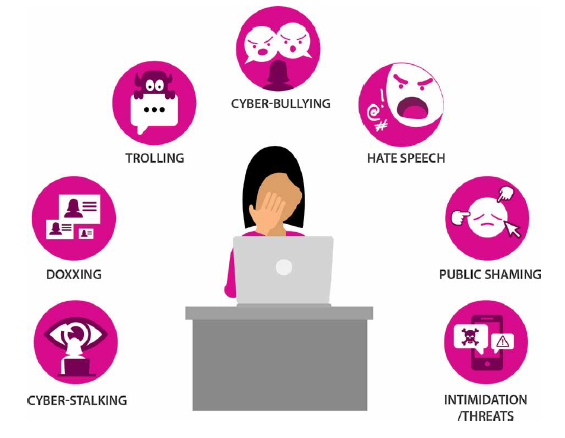
Online harassment refers to the act of targeting and intimidating individuals through various online platforms. It involves the use of digital communication tools, such as social media, messaging apps, and online forums, to harass, threaten, or abuse others. Online harassment can take many forms, including cyberbullying, doxing, trolling, and hate speech. It can have severe consequences on the mental and emotional well-being of the victims, leading to anxiety, depression, and even suicide in extreme cases. It is important to understand the definition of online harassment in order to address and combat this pervasive issue in today’s digital age.

Types of online harassment

Online harassment can take various forms, each with its own unique impact on individuals. One common type of online harassment is cyberbullying, which involves the use of technology to intimidate, threaten, or humiliate someone. Another form is doxing, where personal information is publicly shared without consent, leading to privacy invasion and potential harm. Trolling is yet another type of online harassment, characterized by deliberately provocative and offensive behavior with the intention of inciting emotional responses. Finally, there is online stalking, which involves persistent and unwanted attention, often leading to fear and distress. Understanding these different types of online harassment is crucial in order to address and combat this pervasive issue.

Impact of online harassment

Online harassment can have a significant impact on individuals and communities. It not only affects the mental and emotional well-being of the victims but also hinders their ability to participate fully in online spaces. The fear of harassment can lead to self-censorship, limiting freedom of expression and the exchange of ideas. Moreover, online harassment can create a hostile environment that discourages marginalized groups from engaging in online discussions, further perpetuating inequality. It is crucial to address and combat online harassment to ensure a safe and inclusive digital environment for all.

Common forms of online harassment

Cyberbullying

Cyberbullying is a pervasive issue in today’s online spaces. With the rise of social media and digital communication, individuals are increasingly subjected to various forms of harassment, intimidation, and abuse. Cyberbullies often target their victims through anonymous accounts, making it difficult to identify and hold them accountable. The effects of cyberbullying can be devastating, leading to emotional distress, low self-esteem, and even suicidal thoughts. It is crucial for individuals, communities, and online platforms to come together to address this issue and create a safe and inclusive environment for everyone.

Online stalking

Online stalking is a form of harassment that has become increasingly prevalent in today’s digital age. It involves the persistent and unwanted pursuit of an individual, often through various online platforms. This can include sending threatening or intimidating messages, monitoring their online activities, or even physically following them. Online stalking can have severe psychological and emotional effects on the victims, causing them to feel constantly unsafe and violated. It is important for individuals to be aware of the signs of online stalking and take necessary precautions to protect themselves from this type of harassment.

Doxing

Doxing, also known as doxxing, refers to the act of publicly revealing or publishing private or personal information about an individual without their consent. This can include sensitive details such as their home address, phone number, email address, and even their social security number. The purpose of doxing is often to harass, intimidate, or expose someone, and it is commonly done in online spaces. The consequences of doxing can be severe, as it can lead to real-life stalking, identity theft, and other forms of harm. It is important for individuals to be aware of the risks of doxing and take steps to protect their personal information and privacy online.

Factors contributing to online harassment

Anonymity on the internet

Anonymity on the internet has become a double-edged sword in the digital age. While it allows individuals to freely express their thoughts and opinions without fear of judgment or retribution, it also provides a cloak of anonymity for those who wish to engage in harmful and harassing behavior. This anonymity can embolden individuals to say and do things they would never consider in a face-to-face setting, leading to a rise in online harassment and abuse. It is important for internet users to be aware of the potential dangers and consequences of anonymous online interactions, and for platforms and authorities to take proactive measures to combat harassment and ensure the safety of all users.

Lack of consequences

In online spaces, one of the major issues contributing to the prevalence of harassment is the lack of consequences for the perpetrators. Many individuals feel emboldened to engage in abusive behavior because they know that there are often no real repercussions for their actions. This lack of accountability not only allows the harassment to continue unchecked, but it also sends a message to others that such behavior is acceptable. Without appropriate consequences, victims are left feeling helpless and the cycle of online harassment perpetuates.

Power dynamics

Power dynamics play a crucial role in understanding and addressing harassment in online spaces. Online platforms often amplify existing power imbalances, allowing individuals or groups with more influence or privilege to exert control over others. This can manifest in various ways, such as cyberbullying, trolling, or the spread of hate speech. Recognizing and challenging these power dynamics is essential in creating safer and more inclusive online environments. By promoting equality and fostering respectful interactions, we can work towards reducing harassment and ensuring that everyone can participate in online spaces without fear of intimidation or discrimination.

Effects of online harassment on individuals

Emotional and psychological impact

Online harassment can have severe emotional and psychological impacts on its victims. Constant exposure to hateful and derogatory comments can lead to feelings of fear, anxiety, and depression. The anonymity provided by online platforms often emboldens harassers, making the experience even more traumatic for the targeted individuals. The constant barrage of online abuse can also result in a loss of self-esteem and confidence. It is crucial for individuals and online communities to recognize the harmful effects of online harassment and take steps to create a safe and inclusive online environment.

Damage to reputation

Damage to reputation is one of the most significant consequences of harassment in online spaces. When someone is targeted with malicious intent, their reputation can be tarnished, affecting not only their personal and professional life but also their mental well-being. Negative comments, false accusations, and the spread of harmful rumors can quickly damage a person’s image, leading to social isolation, job loss, and even legal repercussions. It is crucial for individuals and online platforms to address and combat harassment to prevent further harm to individuals’ reputations.

Isolation and withdrawal

Isolation and withdrawal are common consequences of experiencing harassment in online spaces. When individuals are subjected to constant harassment, they may feel the need to distance themselves from the online community to protect their mental well-being. This withdrawal can lead to a sense of loneliness and disconnection, as victims may fear further harassment or feel ashamed of their experiences. The isolation can also have a detrimental impact on their social relationships and overall quality of life. It is important to recognize the harmful effects of harassment and work towards creating safer online environments where individuals can freely express themselves without fear of isolation or withdrawal.

Legal implications and consequences

Laws against online harassment

Laws against online harassment have become increasingly important as the digital world continues to evolve. With the rise of social media platforms and online communities, incidents of online harassment have become more prevalent. To address this issue, governments around the world have implemented various laws and regulations to protect individuals from online harassment. These laws aim to hold perpetrators accountable for their actions and provide victims with legal recourse. By establishing clear guidelines and consequences for online harassment, these laws help create a safer and more inclusive online environment for everyone.

Reporting and seeking help

Reporting and seeking help is crucial when it comes to addressing harassment in online spaces. It is important for individuals who experience harassment to report the incidents to the appropriate authorities or platforms. This not only helps in holding the perpetrators accountable but also ensures the safety and well-being of the victims. Additionally, seeking help from support networks, such as friends, family, or online communities, can provide emotional support and guidance in dealing with the aftermath of harassment. By reporting and seeking help, we can work towards creating safer online spaces for everyone.

Legal actions and penalties

Legal actions and penalties play a crucial role in addressing harassment in online spaces. In many countries, there are laws and regulations in place to protect individuals from online harassment and ensure a safe digital environment. These laws vary in severity, with some offenses being classified as misdemeanors and others as felonies. Depending on the nature and extent of the harassment, perpetrators may face consequences such as fines, probation, community service, or even imprisonment. It is important for victims of online harassment to be aware of their legal rights and options, as well as the potential penalties that offenders may face. By enforcing strict legal actions, society can send a clear message that online harassment will not be tolerated and that those who engage in such behavior will be held accountable.

Preventing and combating online harassment

Education and awareness

Education and awareness play a crucial role in combating harassment in online spaces. By educating individuals about the various forms of online harassment, its impact on victims, and the legal consequences for perpetrators, we can empower people to recognize and respond to harassment effectively. Additionally, increasing awareness about online safety measures, such as strong passwords, privacy settings, and reporting mechanisms, can help individuals protect themselves and create a safer online environment. By prioritizing education and awareness, we can work towards a future where online spaces are inclusive, respectful, and free from harassment.

Creating safe online spaces

Creating safe online spaces is crucial in order to combat harassment in digital platforms. It is important for individuals, communities, and organizations to come together and establish guidelines and policies that promote respectful and inclusive interactions. Online platforms should prioritize the safety and well-being of their users by implementing measures such as robust reporting systems, moderation tools, and user education. By fostering a culture of respect and accountability, we can create a positive online environment where everyone feels safe to express themselves without fear of harassment or discrimination.

Supporting victims and bystander intervention

Supporting victims of online harassment is crucial in creating a safe and inclusive online environment. It is important to provide emotional support and validation to those who have experienced harassment, as it can have a significant impact on their mental well-being. Additionally, educating bystanders on how to intervene and support victims is essential in combatting online harassment. By encouraging bystander intervention, we can empower individuals to speak out against harassment and create a culture of accountability. Together, we can work towards fostering a digital space where everyone feels respected and protected.

Common misconceptions about harassment law

0

Introduction

Definition of harassment law

Harassment law refers to a set of legal regulations and guidelines that aim to protect individuals from unwanted and offensive behavior. It encompasses a wide range of actions that are considered harassing, such as verbal, physical, or electronic forms of aggression. The purpose of harassment law is to create a safe and respectful environment for everyone, ensuring that individuals are not subjected to discrimination, intimidation, or humiliation. By defining what constitutes harassment and providing legal remedies for victims, harassment law plays a crucial role in promoting equality and upholding basic human rights.

Importance of understanding harassment law

Understanding harassment law is crucial in today’s society. Harassment can have severe consequences for both the victim and the perpetrator. By understanding the intricacies of harassment law, individuals can better protect themselves and others from experiencing harassment. Additionally, being knowledgeable about harassment law enables individuals to take appropriate action when they witness or experience harassment. It empowers people to stand up against harassment, create safer environments, and promote equality and respect for all. Therefore, it is essential for everyone to have a clear understanding of harassment law and its significance in order to foster a more inclusive and harmonious society.

Overview of common misconceptions

In this section, we will provide an overview of common misconceptions about harassment law. It is important to address these misconceptions in order to promote a better understanding of the legal framework surrounding harassment. One common misconception is that only physical acts of harassment are considered illegal. However, harassment can take many forms, including verbal, written, and electronic communications. Another misconception is that only individuals in positions of power can be held accountable for harassment. In reality, anyone can be held accountable for their actions, regardless of their position or status. By debunking these misconceptions, we can work towards creating a safer and more inclusive society.

Misconception 1: Harassment law only applies to the workplace

Explanation of harassment law

Harassment law is a complex and multifaceted area of legal practice that aims to protect individuals from unwanted and unwelcome behavior. It encompasses a wide range of actions, including but not limited to verbal, physical, and electronic harassment. The purpose of harassment law is to create a safe and inclusive environment where individuals can live and work without fear of discrimination or harm. Understanding the intricacies of harassment law is crucial for both victims and perpetrators, as it helps to ensure that appropriate actions are taken to address and prevent any form of harassment.

Examples of harassment outside the workplace

Harassment is not limited to the workplace, and it can occur in various settings outside of work. Examples of harassment outside the workplace include cyberbullying, which involves the use of electronic communication to intimidate or harm individuals; street harassment, which involves unwanted comments, gestures, or actions in public spaces; and sexual harassment in educational institutions. These forms of harassment can have serious consequences on the victims’ mental and emotional well-being, and it is important to address and combat them to create a safe and inclusive society.

Consequences of harassment in different settings

Harassment can have severe consequences in various settings. In the workplace, it can lead to a toxic and hostile environment, negatively impacting productivity and employee morale. Victims of harassment may experience emotional distress, anxiety, and even physical health problems. Additionally, harassment can damage professional relationships and hinder career growth. In educational institutions, harassment can hinder the learning experience and create a hostile environment for students. It can also lead to decreased academic performance and increased dropout rates. In public spaces, harassment can make individuals feel unsafe and restrict their freedom to move around freely. It is important to address and combat harassment in all settings to ensure a safe and inclusive society.

Misconception 2: Harassment law only protects certain groups

Explanation of protected characteristics

Protected characteristics are specific personal attributes or characteristics that are protected by law. These characteristics include race, gender, age, disability, religion, sexual orientation, and gender identity. Harassment based on any of these protected characteristics is considered illegal and is prohibited in various settings, such as the workplace, schools, and public accommodations. It is important to understand and respect these protected characteristics to ensure a safe and inclusive environment for everyone.

Examples of harassment based on different protected characteristics

Harassment can occur based on various protected characteristics, such as race, gender, age, religion, disability, and sexual orientation. For example, racial harassment can involve derogatory comments, slurs, or offensive gestures targeting someone because of their race. Gender-based harassment may include unwanted sexual advances, sexist jokes, or inappropriate comments about a person’s appearance or abilities. Age-related harassment can manifest as ageist jokes, exclusion from social activities, or unfair treatment due to someone’s age. Religious harassment may involve mocking someone’s beliefs, preventing them from practicing their religion, or creating a hostile environment based on religious differences. Disability-related harassment can include making fun of someone’s disability, denying them reasonable accommodations, or subjecting them to offensive remarks or actions. Lastly, harassment based on sexual orientation can involve homophobic slurs, discrimination in the workplace, or threats of violence. It is important to recognize and address these examples of harassment to create a safe and inclusive environment for everyone.

Importance of protecting all individuals from harassment

The importance of protecting all individuals from harassment cannot be overstated. Harassment not only violates the rights and dignity of the individuals involved, but it also creates a hostile and toxic work or social environment. By ensuring that everyone is free from harassment, we can foster a culture of respect, equality, and inclusivity. It promotes a sense of safety and trust, allowing individuals to thrive and reach their full potential. Moreover, protecting individuals from harassment is not only a legal and moral obligation, but it also contributes to the overall well-being and productivity of organizations and communities. It is essential to educate and raise awareness about harassment, enforce strict policies, and provide support systems for victims. Only by actively addressing and preventing harassment can we create a society where everyone feels safe, valued, and empowered.

Misconception 3: Harassment law requires intent

Definition of intent in harassment law

In harassment law, the definition of intent plays a crucial role in determining whether an act can be considered harassment or not. Intent refers to the purpose or motive behind the behavior, and it is essential in establishing the culpability of the perpetrator. To prove intent, it is necessary to demonstrate that the person engaging in the behavior intended to cause harm, distress, or discomfort to the victim. However, it is important to note that intent does not always have to be malicious or premeditated. Even if the behavior was not intended to cause harm, if it is reasonably foreseeable that it would have such an effect, it can still be considered harassment. Therefore, understanding the concept of intent is vital in correctly interpreting and applying harassment laws.

Examples of unintentional harassment

Unintentional harassment can occur in various situations, often due to a lack of awareness or understanding of appropriate behavior. One example is when someone repeatedly interrupts or talks over a colleague during meetings, dismissing their ideas or contributions. While the person may not intend to harass, their actions can create a hostile or unwelcoming environment for the individual being interrupted. Another example is making insensitive jokes or comments that target a specific race, gender, or sexual orientation without realizing the harmful impact it can have on others. It is important to recognize that unintentional harassment can still cause harm and it is crucial to educate ourselves and others about respectful and inclusive behavior in order to prevent such incidents.

Importance of addressing unintentional harassment

Addressing unintentional harassment is of utmost importance in creating a safe and inclusive environment. While intentional harassment is often recognized and condemned, unintentional harassment can often go unnoticed or overlooked. However, the impact of unintentional harassment on individuals can be just as damaging, leading to feelings of discomfort, exclusion, and even psychological harm. By actively addressing unintentional harassment, organizations and individuals can demonstrate their commitment to fostering a culture of respect and equality. This involves educating ourselves about unconscious biases, challenging stereotypes, and promoting open dialogue to ensure that unintentional harm is minimized and everyone feels valued and supported.

Misconception 4: Harassment law only applies to physical actions

Definition of harassment

Harassment is a term that refers to unwanted behavior, actions, or statements that are intended to disturb, annoy, or intimidate an individual or a group of people. It can take various forms, such as verbal, physical, or online harassment. Harassment can occur in different settings, including the workplace, schools, and public spaces. It is important to note that harassment is not limited to gender-based or sexual harassment; it can also involve discrimination based on race, religion, disability, or other protected characteristics. Harassment law aims to protect individuals from such mistreatment and create a safe and inclusive environment for everyone.

Examples of non-physical harassment

Non-physical harassment can take many forms and can be just as damaging as physical harassment. Examples of non-physical harassment include verbal abuse, cyberbullying, spreading rumors or gossip, intimidation, and exclusion. These behaviors can create a hostile work environment and have a severe impact on the mental and emotional well-being of the victim. It is important to recognize that harassment is not limited to physical actions and to address all forms of harassment in order to create a safe and inclusive environment.

Impact of non-physical harassment

Non-physical harassment can have a significant impact on individuals and the workplace. While physical harassment may leave visible marks, non-physical harassment can be just as damaging, if not more so. It can lead to emotional distress, anxiety, and a hostile work environment. The effects of non-physical harassment can extend beyond the immediate victim, affecting their relationships, job performance, and overall well-being. Additionally, non-physical harassment can create a culture of fear and silence, discouraging victims from speaking up and seeking help. It is important for organizations to recognize and address the impact of non-physical harassment to ensure a safe and inclusive workplace for all employees.

Misconception 5: Harassment law is only relevant in extreme cases

Explanation of different forms of harassment

Harassment can take many different forms, and it is important to understand the various ways in which it can manifest. One common form of harassment is verbal harassment, which involves the use of derogatory language, insults, or offensive comments. Another form is physical harassment, which includes unwanted physical contact, gestures, or invasion of personal space. Harassment can also occur online, known as cyber harassment, where individuals are targeted through social media platforms, emails, or online messaging. It is crucial to recognize and address all forms of harassment in order to create a safe and inclusive environment for everyone.

Examples of subtle forms of harassment

Subtle forms of harassment can often go unnoticed or be dismissed as harmless, but they can have a significant impact on individuals and contribute to a toxic work environment. One example of subtle harassment is microaggressions, which are subtle, often unintentional comments or actions that demean or belittle someone based on their race, gender, or other protected characteristics. Another form of subtle harassment is gaslighting, where the harasser manipulates the victim’s perception of reality, making them doubt their own experiences and feelings. These examples highlight the importance of recognizing and addressing subtle forms of harassment to create a more inclusive and respectful workplace.

Importance of addressing all forms of harassment

Addressing all forms of harassment is of utmost importance in creating a safe and inclusive environment for everyone. By recognizing and taking action against different types of harassment, we can ensure that no one is left feeling marginalized or unsafe. It is crucial to understand that harassment can take various forms, including but not limited to sexual, racial, and verbal harassment. Each form of harassment can have a profound impact on the victim’s well-being and can hinder their ability to thrive personally and professionally. Therefore, it is essential to address all forms of harassment to foster a culture of respect, equality, and dignity.

Harassment and discrimination: What’s the difference?

0

Introduction

Definition of harassment

Harassment is a form of discriminatory behavior that involves unwanted actions, comments, or conduct that is offensive, intimidating, or hostile towards an individual or a group based on their race, gender, religion, sexual orientation, or any other protected characteristic. It can occur in various settings, such as the workplace, schools, or public spaces. Harassment creates an environment that is harmful and can have severe psychological and emotional effects on the victims. It is important to distinguish harassment from discrimination, as discrimination refers to unfair treatment or unequal opportunities based on protected characteristics, whereas harassment specifically involves offensive or intimidating behavior.

Definition of discrimination

Discrimination is the act of treating someone unfairly or unequally based on certain characteristics, such as their race, gender, age, or disability. It involves the unjust denial of opportunities, rights, or privileges to individuals or groups solely because of these characteristics. Discrimination can occur in various settings, including the workplace, education, housing, and public services. It is important to distinguish discrimination from harassment, as harassment involves unwanted behavior that creates a hostile or intimidating environment, while discrimination focuses on unequal treatment based on specific characteristics.

Importance of understanding the difference

Understanding the difference between harassment and discrimination is of utmost importance in creating a fair and inclusive society. While both terms are often used interchangeably, they have distinct meanings and implications. Harassment refers to unwanted, offensive behavior that is aimed at belittling, intimidating, or humiliating an individual based on their protected characteristics, such as race, gender, or religion. On the other hand, discrimination involves treating someone unfairly or unequally based on their protected characteristics, denying them opportunities, rights, or privileges. By recognizing and comprehending the difference between harassment and discrimination, individuals and organizations can take proactive measures to prevent and address these issues effectively, fostering a more respectful and equitable environment for all.

Types of Harassment

Sexual harassment

Sexual harassment refers to unwelcome sexual advances, requests for sexual favors, or other verbal or physical conduct of a sexual nature that creates a hostile or intimidating work environment. It can occur in various settings, such as the workplace, schools, or public spaces. Sexual harassment is a form of gender-based discrimination and is prohibited by law in many countries. It is important to address and prevent sexual harassment to ensure a safe and inclusive environment for all individuals.

Racial harassment

Racial harassment refers to any form of unwanted behavior or actions that target individuals based on their race or ethnicity. It involves the use of derogatory language, offensive gestures, or discriminatory actions that create a hostile environment for the targeted individuals. Racial harassment can occur in various settings, such as workplaces, schools, or public spaces, and it can have severe emotional and psychological impacts on the victims. It is important to address and combat racial harassment to ensure equality and respect for all individuals, regardless of their race or ethnicity.

Workplace harassment

Workplace harassment refers to unwelcome or offensive behavior directed towards an individual or a group of individuals in a professional setting. It can take various forms, including verbal, physical, or psychological abuse. This type of harassment can create a hostile work environment, making it difficult for employees to perform their duties effectively. Examples of workplace harassment may include derogatory comments, bullying, intimidation, or unwanted advances. It is important for organizations to have clear policies and procedures in place to prevent and address workplace harassment, ensuring a safe and inclusive work environment for all employees.

Types of Discrimination

Gender discrimination

Gender discrimination refers to the unfair treatment or prejudice based on an individual’s gender. It occurs when someone is treated differently or disadvantaged because of their gender, whether it is male, female, or non-binary. This type of discrimination can manifest in various ways, such as unequal pay, limited opportunities for career advancement, or biased hiring practices. Gender discrimination not only infringes upon an individual’s rights but also perpetuates harmful stereotypes and reinforces gender inequality. It is essential to raise awareness, challenge societal norms, and promote equality to eliminate gender discrimination in all its forms.

Age discrimination

Age discrimination refers to the unfair treatment or negative attitudes towards an individual based on their age. It can occur in various aspects of life, including employment, housing, healthcare, and social interactions. Age discrimination can manifest in different ways, such as denying job opportunities, promoting stereotypes, or excluding older individuals from certain activities. This form of discrimination not only undermines the rights and dignity of older people but also perpetuates age-related prejudices and stereotypes. It is essential to address age discrimination and create inclusive environments that value and respect individuals of all ages.

Religious discrimination

Religious discrimination refers to the unfair treatment or prejudice against individuals or groups based on their religious beliefs or practices. It involves treating someone less favorably or denying them opportunities, rights, or privileges solely because of their religion. This form of discrimination can manifest in various ways, such as religious slurs, exclusion from social or professional circles, or even physical violence. It is important to address and combat religious discrimination to ensure equal rights and opportunities for all individuals, regardless of their religious affiliations.

Effects of Harassment

Emotional impact

Emotional impact refers to the profound and lasting effects that harassment and discrimination can have on individuals. It goes beyond the immediate harm caused by the actions themselves, extending into the realm of mental and emotional well-being. When someone experiences harassment or discrimination, it can lead to feelings of fear, anxiety, and helplessness. These emotions can linger long after the incident has occurred, affecting a person’s self-esteem, confidence, and overall quality of life. The emotional impact of harassment and discrimination should not be underestimated, as it can have significant and long-lasting consequences for the individuals involved.

Mental health consequences

Mental health consequences can be significant for individuals who experience harassment and discrimination. The constant stress, anxiety, and fear associated with these experiences can have a detrimental impact on one’s mental well-being. It can lead to symptoms such as depression, low self-esteem, and even post-traumatic stress disorder (PTSD). Additionally, the effects of harassment and discrimination can extend beyond the individual, affecting their relationships, work performance, and overall quality of life. It is crucial to address and combat these issues to ensure the mental health and well-being of everyone in our society.

Negative effects on productivity

Negative effects on productivity can be significant when harassment and discrimination are present in the workplace. Employees who experience these negative behaviors may feel demotivated, anxious, and stressed, which can lead to a decline in their overall job performance. Additionally, the presence of harassment and discrimination can create a hostile work environment, causing employees to feel unsafe and uncomfortable. This can result in decreased collaboration, communication, and teamwork among colleagues, ultimately impacting the productivity of the entire organization. It is crucial for employers to address and prevent harassment and discrimination to ensure a positive and productive work environment.

Effects of Discrimination

Social exclusion

Social exclusion refers to the act of excluding individuals or groups from participating in social activities or being part of a community. It can manifest in various forms, such as excluding someone from social gatherings, isolating individuals based on their race, gender, or religion, or denying them access to resources and opportunities. Social exclusion can have detrimental effects on individuals’ mental and emotional well-being, as it can lead to feelings of loneliness, low self-esteem, and a sense of not belonging. It is important to address social exclusion and create inclusive environments where everyone feels valued and included.

Economic disadvantages

Economic disadvantages can have a profound impact on individuals who experience harassment and discrimination. When individuals are subjected to unfair treatment based on their gender, race, or other protected characteristics, they may face barriers in accessing employment opportunities, promotions, and fair wages. This can result in a cycle of financial instability and limited economic mobility. Additionally, the economic disadvantages associated with harassment and discrimination can also extend to the broader community, as it perpetuates inequality and hinders social progress. It is crucial to address these economic disparities and work towards creating inclusive environments where everyone has equal opportunities to thrive.

Psychological distress

Psychological distress is a common consequence of both harassment and discrimination. When individuals are subjected to harassment, such as verbal abuse, threats, or intimidation, it can have a significant impact on their mental well-being. Similarly, experiencing discrimination based on factors like race, gender, or disability can lead to feelings of anxiety, depression, and low self-esteem. The psychological distress caused by both harassment and discrimination can have long-lasting effects on an individual’s overall health and quality of life. It is important to address and combat these issues to create a more inclusive and supportive society.

Preventing Harassment and Discrimination

Education and awareness programs

Education and awareness programs play a crucial role in addressing and combating harassment and discrimination. These programs aim to educate individuals about the different forms of harassment and discrimination, their impact on individuals and communities, and how to prevent and respond to such incidents. By increasing awareness and understanding, education programs help create a more inclusive and respectful environment, where everyone feels safe and valued. Moreover, these programs also empower individuals to become advocates and allies, actively challenging and addressing harassment and discrimination in their personal and professional lives. Through education and awareness programs, we can work towards building a society that is free from all forms of harassment and discrimination.

Implementing policies and procedures

Implementing policies and procedures is crucial in addressing and preventing harassment and discrimination in any organization. By establishing clear guidelines and protocols, employers can create a safe and inclusive work environment for all employees. These policies should outline the expectations for behavior, provide channels for reporting incidents, and establish consequences for those found guilty of harassment or discrimination. Additionally, regular training sessions should be conducted to educate employees about their rights and responsibilities, as well as to raise awareness about the harmful effects of such behaviors. By actively implementing and enforcing these policies, organizations can foster a culture of respect, equality, and diversity, where every individual feels valued and protected.

Creating a supportive work environment

Creating a supportive work environment is crucial in addressing and preventing harassment and discrimination. By fostering a culture of respect, inclusivity, and open communication, employees feel safe and valued, which leads to increased productivity and job satisfaction. Employers can promote a supportive work environment by implementing policies and procedures that prohibit harassment and discrimination, providing training and education on diversity and inclusion, and actively addressing any concerns or complaints that arise. Additionally, creating opportunities for employee feedback and involvement in decision-making processes can further enhance a supportive work environment. Ultimately, by prioritizing a supportive work environment, organizations can foster a positive and inclusive workplace where all employees can thrive.

Building a strong harassment case: Gathering evidence

0

Introduction

Definition of harassment

Harassment is a form of unwanted behavior that is intended to disturb, threaten, or intimidate an individual or a group of people. It can take various forms such as verbal abuse, physical aggression, or online harassment. Harassment can occur in different settings, including the workplace, schools, or social media platforms. It is important to understand the definition of harassment in order to effectively gather evidence and build a strong case against the perpetrators.

Importance of gathering evidence

Gathering evidence is crucial when building a strong harassment case. It serves as the foundation for presenting a compelling argument and convincing the relevant authorities or legal entities of the validity of the claims. Without sufficient evidence, the case may be dismissed or lack credibility, making it difficult to achieve justice for the victim. By gathering concrete evidence such as witness testimonies, documentation, and electronic records, the victim can establish a clear timeline of events and provide substantial proof to support their claims. Additionally, strong evidence can help in identifying patterns of harassment, establishing a pattern of behavior, and holding the perpetrator accountable. Therefore, the importance of gathering evidence cannot be overstated, as it plays a crucial role in ensuring a fair and successful resolution of a harassment case.

Overview of the article

In this article, we will explore the important topic of building a strong harassment case and the crucial role that gathering evidence plays in the process. Harassment is a serious issue that affects many individuals in various settings, including the workplace, schools, and public spaces. Understanding the steps involved in building a strong case is essential for victims seeking justice and accountability. By providing an overview of the article, we aim to equip readers with the knowledge and tools needed to navigate the complexities of gathering evidence and building a solid foundation for their harassment case.

Understanding Harassment

Types of harassment

Harassment can take many forms and it is important to understand the different types in order to build a strong case. Some common types of harassment include verbal harassment, such as offensive comments or slurs, physical harassment, such as unwanted touching or assault, and online harassment, such as cyberbullying or stalking. Each type of harassment can have a significant impact on the victim’s well-being and it is crucial to document instances of harassment and gather evidence to support the case.

Effects of harassment

Harassment can have profound effects on individuals and communities. It can cause emotional distress, anxiety, and depression, leading to a decline in mental health. Victims of harassment may also experience a loss of self-esteem and confidence, as well as difficulty in forming and maintaining relationships. Additionally, the effects of harassment can extend beyond the individual, impacting the overall well-being of workplaces, schools, and other social environments. It is important to recognize and address the effects of harassment in order to create a safe and inclusive society.

Legal implications of harassment

Harassment can have serious legal implications, both for the victim and the perpetrator. In many jurisdictions, harassment is considered a criminal offense and can result in criminal charges being filed against the harasser. Additionally, victims of harassment may have grounds to file civil lawsuits seeking compensation for damages suffered. It is important for individuals who have experienced harassment to understand their legal rights and options, as well as gather sufficient evidence to build a strong harassment case. By documenting incidents, collecting witness statements, and preserving any relevant communication or physical evidence, victims can strengthen their case and increase their chances of obtaining justice.

Identifying Evidence

Documentation of incidents

Documentation of incidents is crucial when building a strong harassment case. It involves keeping a detailed record of each incident, including dates, times, locations, and descriptions of what occurred. This documentation serves as evidence to support the victim’s claims and can be essential in establishing a pattern of harassment. Additionally, it is important to gather any supporting documents, such as emails, text messages, or photographs, that provide further proof of the incidents. By thoroughly documenting each incident, the victim can strengthen their case and increase the likelihood of obtaining justice and accountability for the harassment they have endured.

Witness statements

Witness statements play a crucial role in building a strong harassment case. They provide firsthand accounts of the incidents and can help corroborate the victim’s claims. These statements are often obtained from individuals who have witnessed the harassment or have relevant information about the case. When gathering witness statements, it is important to ensure that the statements are detailed and accurate, capturing important details such as dates, times, locations, and descriptions of the incidents. Additionally, it is essential to maintain the confidentiality and privacy of the witnesses to protect them from any potential retaliation or intimidation. By including well-documented witness statements in the evidence, the credibility and strength of the harassment case can be significantly enhanced.

Physical evidence

Physical evidence is crucial in building a strong harassment case. It provides tangible proof of the occurrence of the harassment and can greatly support the victim’s claims. Examples of physical evidence may include photographs, videos, or audio recordings that capture the harassment in action. Additionally, physical evidence can also include any objects or documents that are directly related to the harassment, such as threatening letters or emails. By gathering and presenting physical evidence, victims can strengthen their case and increase their chances of obtaining justice and holding the perpetrator accountable.

Collecting Digital Evidence

Emails and messages

Emails and messages play a crucial role in building a strong harassment case. These electronic communications serve as valuable evidence, providing a clear record of the harassment that has taken place. Whether it is offensive emails, inappropriate text messages, or harassing social media comments, preserving and documenting these interactions is essential. By gathering and organizing these digital communications, victims can establish a pattern of behavior and demonstrate the severity and frequency of the harassment. Additionally, emails and messages can provide insight into the intentions and motivations of the harasser, further strengthening the case. Therefore, it is important for individuals who are facing harassment to carefully collect and save all relevant emails and messages as they can significantly contribute to building a compelling case against the perpetrator.

Social media posts

Social media posts can be valuable evidence in building a strong harassment case. In today’s digital age, individuals often express their thoughts, opinions, and experiences on various social media platforms. These posts can provide crucial insights into the behavior and intentions of the alleged harasser. By analyzing social media posts, one can gather information about any discriminatory remarks, threats, or inappropriate comments made by the harasser, which can strengthen the case. Additionally, social media posts can also establish a pattern of behavior and help establish a timeline of events, further supporting the victim’s claims. It is important to document and preserve these posts as evidence to ensure a comprehensive and compelling harassment case.

Digital surveillance

Digital surveillance plays a crucial role in building a strong harassment case by providing concrete evidence. With the advancement of technology, perpetrators often leave a digital trail that can be traced and used as proof of their actions. This includes text messages, emails, social media posts, and even GPS data. By collecting and preserving this digital evidence, victims can strengthen their case and increase their chances of receiving justice. Digital surveillance not only helps establish a timeline of events but also allows for the identification of potential witnesses or accomplices. Additionally, it can uncover patterns of harassment or repeated offenses, further supporting the victim’s claims. Therefore, incorporating digital surveillance techniques is essential in gathering strong evidence and ensuring a successful harassment case.

Interviewing Witnesses

Preparing for interviews

Preparing for interviews is a crucial step in building a strong harassment case. It involves thorough preparation and attention to detail. Before conducting interviews with potential witnesses or victims, it is important to gather all relevant documents and evidence. This may include emails, text messages, photographs, or any other form of communication that can support the claims of harassment. Additionally, it is essential to create a list of questions to ask during the interviews, ensuring that all relevant information is covered. By adequately preparing for interviews, individuals can strengthen their harassment case and increase their chances of obtaining justice.

Questioning techniques

Questioning techniques play a crucial role in building a strong harassment case by gathering evidence. Effective questioning allows investigators to extract pertinent information from witnesses and victims, ensuring that all relevant details are uncovered. By employing open-ended questions, investigators can encourage individuals to provide comprehensive accounts of their experiences, thereby strengthening the overall credibility of the case. Additionally, skilled questioning techniques help uncover hidden or overlooked evidence, providing valuable insights that can support the victim’s claims. Overall, the use of effective questioning techniques is essential in gathering robust evidence and building a persuasive harassment case.

Recording and documenting interviews

Recording and documenting interviews is a crucial step in building a strong harassment case. By capturing conversations and statements, it provides solid evidence that can support the claims made by the victim. When conducting interviews, it is important to use reliable recording devices and techniques to ensure accuracy and clarity. Additionally, thorough documentation of the interviews, including dates, times, and the identities of the individuals involved, is essential for organizing the evidence and presenting a comprehensive case. By meticulously recording and documenting interviews, the credibility of the victim’s allegations is strengthened, increasing the chances of a successful outcome in the pursuit of justice.

Organizing and Presenting Evidence

Creating a timeline

Creating a timeline is a crucial step in building a strong harassment case. It involves organizing and documenting all the incidents and events related to the harassment. By creating a timeline, you can establish a clear chronology of the harassment, which can strengthen your case and provide a clear picture of the pattern of behavior. This can include dates, times, locations, and descriptions of each incident. Additionally, a timeline can help you identify any gaps or inconsistencies in the harasser’s behavior, which can further support your case. Overall, a well-constructed timeline is a powerful tool in gathering evidence and presenting a compelling argument against harassment.

Compiling supporting documents

Compiling supporting documents is a crucial step in building a strong harassment case. These documents serve as evidence to support the claims made by the victim and can significantly strengthen their case. When compiling supporting documents, it is important to gather any relevant emails, text messages, or social media interactions that demonstrate the occurrence of harassment. Additionally, gathering any written statements or testimonies from witnesses who have observed or experienced the harassment can provide further credibility to the case. By carefully collecting and organizing these supporting documents, the victim can present a compelling case that highlights the severity and impact of the harassment they have endured.

Presenting evidence in a clear and concise manner

Presenting evidence in a clear and concise manner is crucial when building a strong harassment case. By organizing and structuring the evidence effectively, it becomes easier for the court or relevant authorities to understand the severity and impact of the harassment. This includes presenting any written communication, such as emails or text messages, as well as any physical evidence, such as photographs or recordings. Additionally, it is important to provide a clear timeline of events and connect the evidence to the specific elements of harassment. By doing so, the plaintiff can strengthen their case and increase the likelihood of a favorable outcome.

Know your rights: Laws against harassment

0

Introduction

Definition of harassment

Harassment is defined as any unwanted behavior or conduct that is intended to disturb, annoy, or intimidate another person. It can take various forms, such as verbal, physical, or written actions. Harassment can occur in different settings, including the workplace, schools, and public spaces. It is important to note that harassment is not limited to specific genders, ages, or backgrounds. It is a violation of an individual’s rights and can have severe emotional and psychological impacts on the victim. Laws against harassment aim to protect individuals from such behavior and provide legal remedies for those who have been subjected to harassment.

Importance of knowing your rights

Knowing your rights is crucial in today’s society, especially when it comes to laws against harassment. Harassment can take many forms, from verbal abuse and threats to discrimination and stalking. By understanding your rights, you empower yourself to take action and protect yourself against any form of harassment. It allows you to navigate through challenging situations with confidence and seek the necessary legal remedies if needed. Additionally, being aware of your rights helps create a safer and more inclusive environment for everyone, as it promotes accountability and discourages perpetrators from engaging in such behavior. Therefore, it is essential for individuals to be well-informed about their rights and the laws in place to combat harassment.

Overview of harassment laws

Harassment laws are designed to protect individuals from unwanted and offensive behavior. They establish the boundaries of acceptable conduct and provide legal remedies for those who have been victimized. These laws cover a wide range of behaviors, including but not limited to verbal abuse, physical assault, stalking, and discrimination. By understanding and enforcing harassment laws, individuals can ensure their rights are respected and take appropriate action if they experience harassment.

Types of Harassment

Sexual harassment

Sexual harassment is a form of gender-based discrimination that involves unwanted sexual advances, requests for sexual favors, or other verbal or physical conduct of a sexual nature. It can occur in various settings, such as the workplace, educational institutions, or public places. Sexual harassment not only violates an individual’s rights but also creates a hostile and intimidating environment. It is important for everyone to be aware of their rights and the laws in place to protect against sexual harassment.

Racial harassment

Racial harassment refers to any form of discrimination, abuse, or mistreatment based on a person’s race or ethnicity. It includes offensive comments, slurs, or gestures that target individuals because of their racial background. Racial harassment is not only hurtful but also a violation of human rights. Laws against racial harassment aim to protect individuals from such discriminatory behavior and promote equality and respect for all races and ethnicities. It is important to be aware of these laws and take a stand against racial harassment to create a more inclusive and harmonious society.

Workplace harassment

Workplace harassment is a serious issue that affects many individuals in their professional lives. It refers to any unwelcome behavior, whether verbal, physical, or visual, that creates an intimidating, hostile, or offensive work environment. This can include actions such as bullying, discrimination, sexual harassment, and verbal abuse. Workplace harassment not only has a detrimental impact on the victim’s mental and emotional well-being, but it can also hinder their productivity and career growth. It is important for employers to take proactive measures to prevent and address workplace harassment, such as implementing clear policies, providing training, and fostering a culture of respect and inclusivity.

Laws against Harassment

Title VII of the Civil Rights Act

Title VII of the Civil Rights Act is a federal law that prohibits employment discrimination based on race, color, religion, sex, and national origin. It is one of the key laws that protect individuals from harassment in the workplace. Under Title VII, employers are prohibited from treating employees differently or creating a hostile work environment based on these protected characteristics. This law also prohibits retaliation against individuals who report discrimination or harassment. Title VII is an important tool in ensuring equal opportunity and fairness in the workplace.

Equal Employment Opportunity Commission (EEOC)

The Equal Employment Opportunity Commission (EEOC) is a federal agency that enforces laws against workplace discrimination. It is responsible for investigating and resolving complaints of harassment and discrimination based on race, color, religion, sex, national origin, age, disability, or genetic information. The EEOC also provides guidance and education to employers and employees on their rights and responsibilities under the law. If you believe you have been a victim of harassment or discrimination in the workplace, you can file a complaint with the EEOC for investigation and possible legal action.

State-specific harassment laws

State-specific harassment laws vary across the United States. Each state has its own set of laws and regulations that define and prohibit harassment. These laws outline the types of behaviors that are considered harassment, such as stalking, verbal abuse, or unwanted sexual advances. They also specify the legal consequences for individuals who engage in harassment, including fines, restraining orders, or even imprisonment. It is important for individuals to be aware of their state’s specific harassment laws in order to understand their rights and seek legal protection if necessary.

Reporting Harassment

Internal reporting procedures

Internal reporting procedures are an essential part of any organization’s efforts to combat harassment. These procedures provide employees with a clear and confidential way to report incidents of harassment within the workplace. By establishing a formal process for reporting, organizations can ensure that all complaints are taken seriously and addressed promptly. It also allows for a thorough investigation to take place, ensuring that appropriate actions are taken to prevent further harassment and protect the rights of the victim. Internal reporting procedures not only empower employees to speak up about harassment but also demonstrate the organization’s commitment to maintaining a safe and respectful work environment.

Filing a complaint with the EEOC

Filing a complaint with the EEOC is an important step in addressing harassment in the workplace. The Equal Employment Opportunity Commission (EEOC) is a federal agency that enforces laws against workplace discrimination and harassment. If you believe you have been subjected to harassment, you can file a complaint with the EEOC to initiate an investigation. The EEOC will review your complaint, gather evidence, and determine whether there is reasonable cause to believe that harassment has occurred. Filing a complaint with the EEOC is a crucial way to protect your rights and seek justice for any harassment you have experienced.

Seeking legal advice

Seeking legal advice is crucial when dealing with harassment. It is important to understand your rights and the laws that protect you. Consulting with a knowledgeable attorney can help you navigate the legal process and ensure that your rights are upheld. They can provide guidance on the best course of action to take and help you gather evidence to support your case. Remember, seeking legal advice empowers you to take appropriate action and seek justice for any harassment you may have experienced.

Consequences of Harassment

Legal penalties

Harassment is a serious offense that can have severe legal consequences. In many jurisdictions, there are specific laws in place to protect individuals from harassment and to ensure that those who engage in such behavior are held accountable. Legal penalties for harassment can vary depending on the nature and severity of the offense, but they often include fines, probation, community service, and even imprisonment. These penalties serve as a deterrent and aim to send a strong message that harassment will not be tolerated in any form. It is important for individuals to be aware of their rights and the legal consequences of harassment, as well as to report any instances of harassment to the appropriate authorities.

Damage to reputation

Damage to reputation can have severe consequences for individuals and organizations alike. When someone’s reputation is tarnished, it can lead to lost opportunities, damaged relationships, and a decline in trust and credibility. In the context of harassment, damage to reputation can occur when false accusations are made or when personal information is shared without consent. It is important to understand the legal protections in place to address and prevent such harm, as well as the potential remedies available to those who have suffered reputational damage due to harassment.

Emotional and psychological impact

Emotional and psychological impact of harassment can be severe and long-lasting. It can lead to anxiety, depression, and low self-esteem. Victims may experience a constant fear of being targeted, making it difficult for them to trust others and form meaningful relationships. The emotional toll of harassment should not be underestimated, as it can have a detrimental effect on a person’s mental health and overall well-being.

Preventing Harassment

Creating a respectful work environment

Creating a respectful work environment is essential for promoting productivity and ensuring the well-being of employees. Employers have a responsibility to establish policies and procedures that prohibit harassment and discrimination in the workplace. By fostering a culture of respect and inclusivity, organizations can empower their employees to speak up against any form of harassment. This includes providing training programs, implementing clear reporting mechanisms, and taking swift action to address any complaints. Additionally, promoting open communication and encouraging diversity can contribute to a more harmonious and respectful work environment. Ultimately, creating a respectful work environment not only benefits the employees but also enhances the overall success and reputation of the organization.

Training and education

Training and education play a crucial role in addressing and preventing harassment. By providing comprehensive training programs, organizations can ensure that employees are aware of their rights and responsibilities when it comes to harassment. These programs can cover topics such as identifying and reporting harassment, creating a respectful work environment, and promoting diversity and inclusion. Additionally, ongoing education and awareness campaigns can help reinforce the importance of respectful behavior and the consequences of harassment. By investing in training and education, organizations can create a culture that values respect, equality, and dignity for all employees.

Promoting a culture of inclusivity

Promoting a culture of inclusivity is crucial in creating a safe and respectful environment for everyone. It involves actively valuing diversity and ensuring that all individuals, regardless of their race, gender, sexual orientation, or disability, feel accepted and included. By fostering a culture of inclusivity, organizations can promote equality, prevent harassment, and encourage collaboration and innovation. This can be achieved through implementing inclusive policies, providing diversity training, and fostering open and respectful communication channels. Ultimately, promoting a culture of inclusivity not only benefits individuals but also contributes to the overall success and well-being of the community.

The legal process for filing a harassment claim

0

Introduction

Definition of harassment

Harassment is a term used to describe a wide range of behaviors that are intended to intimidate, annoy, or harm another person. It can take various forms, including verbal, physical, or electronic actions. Harassment can occur in the workplace, schools, public spaces, or online platforms. The key element of harassment is that it creates a hostile environment for the victim, causing them emotional distress and interfering with their daily life. It is important to understand the definition of harassment in order to recognize and address instances of this harmful behavior.

Importance of addressing harassment

Addressing harassment is of utmost importance as it not only protects the victims but also helps create a safe and inclusive environment for everyone. By taking a proactive approach towards addressing harassment, organizations can send a clear message that such behavior will not be tolerated. It is crucial to address harassment promptly and effectively to prevent it from escalating and causing further harm. Additionally, addressing harassment demonstrates a commitment to upholding legal and ethical standards, fostering a culture of respect and equality. By addressing harassment head-on, individuals and organizations can contribute to creating a more inclusive and equitable society.

Overview of the legal process

The legal process for filing a harassment claim can be complex and intimidating. It is important to have a clear understanding of the steps involved in order to navigate the process effectively. This article provides an overview of the legal process for filing a harassment claim, outlining the key stages and procedures that individuals need to be aware of. By following these steps, individuals can ensure that their rights are protected and that they have the best chance of obtaining a favorable outcome in their harassment claim.

Preparation

Documenting incidents

When documenting incidents for a harassment claim, it is crucial to gather as much evidence as possible. This includes keeping a detailed record of each incident, including the date, time, location, and any witnesses present. It is also important to collect any physical evidence, such as emails, text messages, or photographs, that may support your claim. Additionally, documenting the emotional and psychological impact of each incident can strengthen your case. By thoroughly documenting incidents, you can provide a comprehensive account of the harassment you have experienced and increase the chances of a successful claim.

Collecting evidence

Collecting evidence is a crucial step in the legal process for filing a harassment claim. It is important to gather any documentation, such as emails, text messages, or photographs, that can support your claim. Additionally, keeping a record of any incidents, including dates, times, and locations, can help strengthen your case. Witness statements and testimonies from individuals who have observed or experienced the harassment can also be valuable evidence. By collecting and organizing all relevant evidence, you can present a strong and compelling case when filing a harassment claim.

Consulting with an attorney

Consulting with an attorney is a crucial step in the legal process for filing a harassment claim. An attorney specializing in employment law can provide valuable guidance and support throughout the entire process. They can help assess the strength of your case, advise you on the best course of action, and ensure that your rights are protected. Additionally, an attorney can assist in gathering evidence, preparing legal documents, and representing you in negotiations or court proceedings. By consulting with an attorney, you can have peace of mind knowing that you have a knowledgeable advocate on your side who will work diligently to achieve the best possible outcome for your harassment claim.

Filing a Complaint

Choosing the appropriate agency

When choosing the appropriate agency to file a harassment claim, it is important to consider several factors. Firstly, it is crucial to determine the type of harassment you have experienced, as different agencies may have jurisdiction over specific types of harassment. Additionally, it is important to research the reputation and track record of the agency in handling harassment cases. Look for agencies that have a strong commitment to protecting individuals from harassment and have a history of successful outcomes. Finally, consider the location and accessibility of the agency, as it is important to have easy access to the necessary resources and support during the legal process. By carefully considering these factors, you can choose the appropriate agency that will best represent your interests and help you navigate the legal process for filing a harassment claim.

Completing the necessary forms

Completing the necessary forms is a crucial step in the legal process for filing a harassment claim. These forms provide a formal record of the incident and help establish a foundation for your case. It is important to carefully read and follow the instructions provided with each form to ensure accuracy and completeness. Be sure to include all relevant details and supporting evidence to strengthen your claim. Additionally, seek guidance from an attorney or legal professional to ensure you are completing the forms correctly and in a timely manner. By completing the necessary forms accurately and thoroughly, you are taking an important step towards seeking justice and holding those responsible for the harassment accountable.

Submitting the complaint

After gathering all the necessary evidence and documentation, the next step in the legal process for filing a harassment claim is submitting the complaint. This is a crucial stage where the victim formally brings their allegations to the appropriate authority, such as a human resources department, an equal employment opportunity commission, or a legal representative. The complaint should include a detailed account of the incidents, the names of the individuals involved, and any supporting evidence. It is important to follow the specific procedures and guidelines outlined by the organization or jurisdiction to ensure the complaint is properly filed and received. Once the complaint is submitted, the legal process will proceed to the next stage, which may involve an investigation, mediation, or a formal legal proceeding.

Investigation

Interviews with parties involved

Interviews with parties involved are a crucial part of the legal process for filing a harassment claim. These interviews serve as an opportunity to gather firsthand accounts and testimonies from both the victim and the alleged harasser. Conducted by trained professionals, such as lawyers or investigators, these interviews aim to establish a clear understanding of the events that took place, the impact of the alleged harassment, and any supporting evidence. Through these interviews, the legal system seeks to ensure a fair and thorough examination of the claims, allowing for the pursuit of justice and resolution.

Gathering additional evidence

When filing a harassment claim, it is crucial to gather additional evidence to support your case. This evidence can include emails, text messages, witness statements, or any other documentation that proves the occurrence of harassment. By collecting this additional evidence, you strengthen your claim and increase the chances of a successful outcome. It is important to be thorough and organized when gathering evidence, ensuring that all relevant information is properly documented and preserved. Consulting with an attorney or legal expert can also provide guidance on the types of evidence that are most effective in a harassment claim. Overall, gathering additional evidence is a crucial step in the legal process for filing a harassment claim and can significantly impact the outcome of your case.

Reviewing relevant documents

When reviewing relevant documents in the legal process for filing a harassment claim, it is crucial to gather all necessary evidence to support your case. This includes any written correspondence, such as emails or text messages, that demonstrate the occurrence of harassment. Additionally, gathering any relevant policies or procedures from your workplace can help establish a pattern of behavior or a failure to address the issue. By thoroughly reviewing these documents, you can build a strong foundation for your harassment claim and increase your chances of a successful outcome.

Resolution

Mediation or settlement negotiations

In cases of harassment, parties involved may have the option to engage in mediation or settlement negotiations as an alternative to pursuing a formal legal process. Mediation involves a neutral third party who facilitates communication and helps the parties reach a mutually agreeable resolution. This process allows for open dialogue and the opportunity for the parties to express their concerns and interests. Settlement negotiations, on the other hand, involve discussions between the parties and their legal representatives to reach a settlement agreement outside of court. These negotiations can address various aspects, such as compensation, non-disclosure agreements, and future behavior expectations. Mediation and settlement negotiations can provide a more efficient and cost-effective way to resolve harassment claims, allowing the parties to avoid the potentially lengthy and adversarial court process.

Administrative hearings or trials

Administrative hearings or trials are an essential part of the legal process for filing a harassment claim. These proceedings provide an opportunity for both parties involved to present their evidence, testimonies, and arguments in front of a neutral decision-maker. Whether it is an administrative hearing conducted by a government agency or a trial in a court of law, the goal is to determine the validity of the harassment claim and provide a fair resolution. During these hearings or trials, the claimant and the respondent have the chance to present their case, cross-examine witnesses, and provide supporting documentation. The decision-maker carefully evaluates the evidence and makes a ruling based on the facts presented. This phase of the legal process ensures that all parties have a fair and impartial opportunity to present their side of the story and seek justice for the alleged harassment.

Enforcement of the decision

After a decision has been made in a harassment claim, it is crucial to understand the process of enforcement. Once the decision has been reached, it is the responsibility of the relevant authorities to ensure that the decision is implemented and that the necessary actions are taken to address the harassment. This may involve disciplinary actions against the harasser, such as warnings, suspensions, or even termination of employment. Additionally, the victim may be entitled to compensation or other forms of redress as determined by the decision. It is important for both parties involved to cooperate with the enforcement process and comply with any directives or requirements set forth by the authorities. By ensuring the enforcement of the decision, the legal system aims to provide a sense of justice and protection to victims of harassment.

Appeals and Remedies

Appealing an unfavorable decision

When facing an unfavorable decision in a harassment claim, individuals have the right to appeal the decision. The appeals process allows individuals to present new evidence or argue that the original decision was incorrect. It is important to carefully review the reasons for the unfavorable decision and gather any additional evidence that may support the appeal. Seeking legal advice and guidance during this process can be beneficial, as it can help individuals navigate the complexities of the appeals process and increase the chances of a successful outcome.

Seeking damages or compensation

Seeking damages or compensation is an important step in the legal process for filing a harassment claim. When a victim of harassment decides to seek damages or compensation, they are seeking financial restitution for the harm they have suffered. This can include compensation for medical expenses, therapy costs, lost wages, and emotional distress. In some cases, punitive damages may also be sought to punish the harasser and deter future misconduct. It is important for victims to consult with an experienced attorney who can guide them through the process of seeking damages or compensation and ensure that their rights are protected.

Implementing preventive measures

Implementing preventive measures is crucial in creating a safe and respectful environment for everyone. By taking proactive steps to address harassment before it occurs, organizations can help prevent potential harm and protect their employees. This can include implementing comprehensive policies and procedures, providing regular training and education on harassment prevention, and fostering a culture of open communication and accountability. By prioritizing prevention, organizations can not only ensure compliance with legal requirements but also promote a positive work environment where all individuals are treated with dignity and respect.

The role of education in preventing harassment

0

Introduction

Definition of harassment

Harassment can be defined as any unwanted behavior, action, or speech that creates an intimidating, hostile, or offensive environment for an individual or a group. It includes but is not limited to verbal abuse, physical assault, sexual advances, bullying, and discrimination. Harassment can occur in various settings, such as schools, workplaces, and online platforms. It is important to understand the definition of harassment in order to effectively address and prevent it. By raising awareness, promoting education, and implementing strict policies, we can create a safer and more inclusive society where everyone feels respected and protected.

Importance of addressing harassment

Addressing harassment is of utmost importance in our society. It is crucial to recognize the significant role that education plays in preventing and combating harassment. Education equips individuals with the knowledge and understanding of what constitutes harassment, the impact it has on victims, and the importance of creating a safe and respectful environment for all. By educating people from a young age about the consequences of harassment and promoting empathy and inclusivity, we can foster a culture that rejects harassment in all its forms. Furthermore, education also empowers individuals to speak up against harassment, support victims, and take collective action to create lasting change. Therefore, it is imperative that we prioritize education as a key tool in the fight against harassment and work towards building a society free from harassment and discrimination.

Overview of the role of education

Education plays a crucial role in preventing harassment by promoting awareness, fostering empathy, and instilling values of respect and equality. Through educational initiatives, individuals are equipped with the knowledge and understanding of what constitutes harassment, the impact it has on individuals and communities, and the importance of creating safe and inclusive environments. Education also empowers individuals to take action and speak out against harassment, providing them with the tools and resources to effectively address and prevent such behavior. By integrating comprehensive anti-harassment education into school curricula and workplace training programs, we can create a society that is better equipped to recognize, address, and ultimately eradicate harassment in all its forms.

Understanding Harassment

Types of harassment

Harassment can take on many different forms, and it is important to understand the various types in order to effectively prevent it. Some common types of harassment include sexual harassment, racial harassment, bullying, cyberbullying, and verbal harassment. Each type of harassment can have serious consequences for the victims, often leading to emotional distress, mental health issues, and even physical harm. By recognizing and addressing these different forms of harassment, we can create a safer and more inclusive environment for everyone.

Effects of harassment

Harassment can have significant effects on individuals and communities. It can lead to psychological and emotional distress, causing anxiety, depression, and low self-esteem. Victims of harassment may experience social isolation and difficulty forming trusting relationships. In educational settings, harassment can hinder academic performance and discourage students from actively participating in school activities. Additionally, the effects of harassment can extend beyond the individual, impacting the overall climate and culture of an institution or community. Therefore, it is crucial to prioritize education as a means of preventing harassment and creating safe and inclusive environments.

Prevalence of harassment

Harassment is a pervasive issue that affects individuals across various settings, including schools, workplaces, and public spaces. Its prevalence is a cause for concern, as it not only undermines the well-being and safety of those who experience it but also hinders their ability to fully participate in society. According to recent studies, a significant number of people have reported experiencing some form of harassment in their lifetime. This alarming statistic highlights the urgent need for effective measures to prevent and address harassment. Education plays a crucial role in combating this problem, as it equips individuals with the knowledge and skills necessary to recognize, prevent, and respond to harassment. By promoting awareness, empathy, and respect, education can create a culture of intolerance towards harassment and empower individuals to take a stand against it.

Education as a Prevention Strategy

Promoting awareness and empathy

Promoting awareness and empathy is crucial in preventing harassment. By educating individuals about the importance of respecting others’ boundaries and promoting a culture of empathy, we can create a society where harassment is not tolerated. Through educational initiatives, such as workshops, training programs, and awareness campaigns, we can empower individuals to recognize and address instances of harassment. By fostering a sense of empathy, we can encourage individuals to understand the impact of their actions on others and take responsibility for creating a safe and inclusive environment. Ultimately, promoting awareness and empathy plays a vital role in preventing harassment and building a society where everyone feels respected and valued.

Teaching consent and boundaries

Teaching consent and boundaries is a crucial aspect of education in preventing harassment. By providing students with a comprehensive understanding of what consent means and how to establish and respect personal boundaries, we can empower them to navigate relationships and interactions with others in a respectful and responsible manner. Through open and honest discussions, interactive activities, and real-life examples, educators can create a safe and inclusive learning environment where students feel comfortable expressing their thoughts and concerns. By equipping students with the knowledge and skills to recognize and address inappropriate behavior, we can foster a culture of consent and respect, ultimately reducing the incidence of harassment in our schools and communities.

Fostering a culture of respect

Fostering a culture of respect is crucial in preventing harassment. Education plays a pivotal role in instilling values of empathy, understanding, and tolerance among individuals. By promoting inclusivity and teaching about the importance of consent, schools and educational institutions can create an environment where harassment is not tolerated. Additionally, incorporating comprehensive sex education programs that address healthy relationships and boundaries can equip students with the knowledge and skills to recognize and prevent harassment. Fostering a culture of respect through education is not only essential for preventing harassment but also for creating a safer and more inclusive society.

Implementing Education Programs

Incorporating harassment prevention in school curriculum

Incorporating harassment prevention in school curriculum is crucial in ensuring a safe and inclusive learning environment for all students. By including education on consent, respect, and healthy relationships in the curriculum, schools can empower students with the knowledge and skills to recognize and prevent harassment. This proactive approach not only helps to create a culture of respect and empathy but also equips students with the tools to navigate challenging situations and stand up against harassment. Additionally, incorporating harassment prevention in the curriculum sends a strong message to students that their safety and well-being are valued and prioritized by the educational institution. It also plays a vital role in breaking the cycle of harassment by fostering a generation that understands the importance of consent, respect, and equality. By addressing this issue head-on in the school curriculum, we can contribute to a society where harassment is not tolerated and everyone can thrive without fear.

Training teachers and staff

Training teachers and staff is crucial in preventing harassment in educational institutions. By providing comprehensive training programs, educators can develop a better understanding of what constitutes harassment and how to effectively address it. These programs should cover topics such as recognizing signs of harassment, implementing preventive measures, and creating a safe and inclusive learning environment for all students. Additionally, training should emphasize the importance of promoting empathy, respect, and equality among students, as well as the role of teachers and staff in modeling appropriate behavior. By equipping educators with the necessary knowledge and skills, we can create a culture of zero tolerance for harassment and ensure that educational institutions are safe spaces for all students.

Engaging parents and community

Engaging parents and the community is crucial in preventing harassment in educational settings. When parents and community members are actively involved in the school environment, they can contribute to creating a safe and inclusive atmosphere for all students. By fostering open communication and collaboration between parents, teachers, and school administrators, we can address issues of harassment more effectively. Additionally, engaging parents and the community allows for the sharing of knowledge and experiences, which can help raise awareness about the importance of respectful behavior and the consequences of harassment. Together, we can work towards creating a supportive and respectful environment that promotes positive relationships and prevents harassment.

Challenges and Solutions

Lack of resources and funding

The lack of resources and funding is a significant barrier in preventing harassment through education. Without sufficient financial support, schools and educational institutions struggle to implement effective prevention programs and provide necessary training to teachers and staff. Additionally, limited resources mean that educational materials and resources on harassment prevention may be inadequate or outdated. This hinders the ability of schools to create a safe and inclusive environment for students, leaving them vulnerable to harassment and discrimination. Addressing the issue of lack of resources and funding is crucial in ensuring that education plays a proactive role in preventing harassment.

Resistance to change

Resistance to change is a common obstacle when it comes to addressing and preventing harassment. Many individuals may be resistant to acknowledging the need for change or may feel uncomfortable with challenging existing norms and behaviors. This resistance can stem from various factors, such as fear of backlash, ingrained biases, or a lack of awareness about the impact of harassment. Overcoming resistance to change requires education and awareness-building efforts that emphasize the importance of creating a safe and inclusive environment for all. By promoting open dialogue, providing resources, and fostering empathy, we can encourage individuals to confront their resistance and actively work towards preventing harassment.

Addressing cultural and societal norms

Addressing cultural and societal norms is crucial in preventing harassment and fostering a safe and inclusive environment. Education plays a pivotal role in challenging and changing deeply rooted beliefs and attitudes that perpetuate harassment. By promoting awareness, empathy, and respect, education can empower individuals to recognize and challenge harmful norms and behaviors. It provides the knowledge and skills necessary to create a culture of consent, equality, and accountability. Through comprehensive education programs, we can equip individuals with the tools to dismantle harmful power dynamics and promote a society where everyone feels safe, valued, and respected.

Conclusion

Summary of key points

The summary of key points highlights the crucial role of education in preventing harassment. Education plays a pivotal role in raising awareness about harassment, promoting empathy and respect, and equipping individuals with the necessary knowledge and skills to recognize and address instances of harassment. By incorporating comprehensive education programs into schools and communities, we can create a culture that fosters inclusivity, tolerance, and acceptance. Moreover, education empowers individuals to become active bystanders, intervening in situations of harassment and supporting victims. Through education, we can work towards creating a society free from harassment and ensuring the safety and well-being of all individuals.

Importance of ongoing education

Ongoing education plays a crucial role in preventing harassment by raising awareness, promoting empathy, and fostering a culture of respect and inclusivity. Through continuous learning and training, individuals are equipped with the knowledge and skills to recognize and address instances of harassment in various settings, such as schools, workplaces, and communities. Ongoing education also helps to dismantle harmful stereotypes and biases, promoting a more inclusive and equitable society. By investing in ongoing education, we can empower individuals to become active bystanders, allies, and advocates in the fight against harassment, creating safer and more inclusive environments for all.

Call to action

In order to effectively prevent harassment, it is crucial for education to play a central role. A strong call to action is needed to ensure that individuals, institutions, and society as a whole take proactive steps to address this issue. This can be achieved through implementing comprehensive anti-harassment policies in educational institutions, providing training and awareness programs for students and staff, and fostering a culture of respect and inclusivity. Additionally, it is important to promote open dialogue and create safe spaces where victims can come forward and seek support without fear of judgment or retaliation. By prioritizing education and actively engaging in prevention efforts, we can create a society that values and upholds the rights and dignity of all individuals.

Supporting victims of harassment: Resources and organizations

0

Introduction

Definition of harassment

Harassment refers to any unwanted behavior, action, or conduct that is intended to intimidate, belittle, or harm an individual or group. It can take various forms, such as verbal, physical, or online, and can occur in different settings, including the workplace, schools, or public spaces. Harassment can have severe emotional, psychological, and physical effects on the victims, leading to anxiety, depression, and a sense of powerlessness. It is important to recognize and address harassment to create safe and inclusive environments for everyone.

Importance of supporting victims

Victims of harassment often face significant emotional and psychological distress, making it crucial to provide them with the necessary support. Supporting victims not only helps alleviate their suffering but also empowers them to regain control over their lives. By offering resources and organizations that specialize in assisting victims of harassment, we can create a safe and supportive environment that encourages survivors to come forward and seek help. It is essential to recognize the importance of supporting victims as it plays a vital role in promoting justice, healing, and preventing further harm in our society.

Overview of the article

In this article, we will provide an overview of the resources and organizations available to support victims of harassment. Harassment is a pervasive issue that affects individuals in various settings, such as the workplace, schools, and online platforms. It can have severe consequences on the mental, emotional, and physical well-being of the victims. However, there are numerous resources and organizations dedicated to providing assistance, guidance, and advocacy for those who have experienced harassment. By highlighting these resources, we aim to empower victims and raise awareness about the support available to them.

Types of harassment

Sexual harassment

Sexual harassment is a pervasive issue that affects individuals in various settings, including the workplace, schools, and public spaces. It refers to any unwanted sexual advances, comments, or actions that create a hostile or uncomfortable environment for the victim. Victims of sexual harassment often experience emotional distress, anxiety, and a loss of self-esteem. It is crucial to provide support and resources to these victims to ensure their well-being and help them navigate the legal and emotional challenges they may face. Numerous organizations and resources exist to assist victims of sexual harassment, offering counseling services, legal advice, and advocacy. By raising awareness about sexual harassment and providing the necessary support, we can work towards creating a safer and more inclusive society for everyone.

Racial harassment

Racial harassment is a deeply concerning issue that affects individuals from diverse racial backgrounds. It encompasses any form of discrimination, intimidation, or violence directed at someone based on their race or ethnicity. This type of harassment can occur in various settings, such as workplaces, schools, or public spaces. It is essential to address racial harassment and provide support to its victims. By raising awareness, promoting tolerance, and fostering inclusive communities, we can work towards eradicating racial harassment and creating a more equitable society.

Cyber harassment

Cyber harassment, also known as online harassment, refers to the use of digital platforms to intimidate, threaten, or harm individuals. With the rise of social media and the internet, cyber harassment has become a prevalent issue affecting people from all walks of life. It includes activities such as sending abusive messages, spreading false information, and sharing private or explicit content without consent. The impact of cyber harassment can be severe, leading to emotional distress, psychological trauma, and even physical harm. To address this growing problem, various organizations and resources have emerged to support victims of cyber harassment, providing helplines, counseling services, and legal assistance. It is crucial to raise awareness about cyber harassment and work collectively to create a safe and inclusive online environment for everyone.

Effects of harassment

Emotional impact

Harassment can have a significant emotional impact on its victims. The experience of being targeted and mistreated can lead to feelings of fear, anxiety, and helplessness. Victims may also experience a loss of self-confidence and self-esteem. It is important to acknowledge and validate these emotions, as they are valid and real. Providing emotional support to victims of harassment is crucial in helping them cope with the aftermath of such traumatic experiences. This support can come in the form of counseling, therapy, or support groups, where individuals can share their experiences and receive guidance and understanding from others who have gone through similar situations. Additionally, organizations that specialize in supporting victims of harassment play a vital role in providing resources and guidance to help victims navigate the emotional challenges they may face.

Physical health effects

Physical harassment can have severe and long-lasting effects on a victim’s physical health. The constant stress and fear experienced during and after the harassment can lead to a range of health issues, including headaches, digestive problems, and sleep disturbances. Additionally, victims may also experience changes in appetite, weight gain or loss, and increased susceptibility to illnesses. It is crucial for victims to seek support and access resources to address these physical health effects and regain their overall well-being.

Social consequences

Social consequences of harassment can be far-reaching and impactful. Victims often experience feelings of shame, embarrassment, and isolation, which can lead to a decline in their mental health and overall well-being. Additionally, harassment can negatively affect relationships, both personal and professional, as victims may struggle to trust others and may withdraw from social interactions. Furthermore, the social stigma surrounding harassment can perpetuate victim-blaming and discourage individuals from seeking support and justice. It is crucial for society to recognize and address the social consequences of harassment in order to create a safe and inclusive environment for all.

Resources for victims

Counseling services

Counseling services play a crucial role in supporting victims of harassment. These services provide a safe and confidential space for individuals to express their feelings, process their experiences, and receive professional guidance. Counselors are trained to help victims navigate the emotional and psychological impact of harassment, offering support, validation, and coping strategies. By seeking counseling services, victims can find solace, empowerment, and a path towards healing and recovery.

Legal support

Legal support is crucial for victims of harassment, as it provides them with the necessary resources and guidance to seek justice and protect their rights. There are various organizations and resources available that specialize in providing legal assistance to victims of harassment. These organizations offer support in navigating the legal process, filing complaints, and obtaining restraining orders if necessary. Additionally, they can provide information on laws and regulations related to harassment and help victims understand their rights. By seeking legal support, victims can empower themselves and hold their harassers accountable for their actions.

Support groups

Support groups play a crucial role in providing emotional support and assistance to victims of harassment. These groups offer a safe and non-judgmental space where individuals can share their experiences, seek advice, and connect with others who have gone through similar situations. By participating in support groups, victims can find solace, validation, and a sense of community. Additionally, support groups often provide resources, information, and referrals to other organizations that specialize in supporting victims of harassment. Through the collective strength of these groups, survivors can find empowerment, healing, and the tools they need to navigate the challenges they face.

Organizations supporting victims

National Association of Victim Assistance

The National Association of Victim Assistance (NAVA) is a leading organization dedicated to supporting victims of harassment. Founded in 1975, NAVA provides a wide range of resources and services to individuals who have experienced harassment, including counseling, legal assistance, and advocacy. With a network of trained professionals and volunteers, NAVA works tirelessly to ensure that victims receive the support they need to heal and recover. Through their educational programs and awareness campaigns, NAVA also aims to prevent harassment and promote a culture of respect and empathy. Whether you are a victim seeking help or a concerned individual looking to make a difference, the National Association of Victim Assistance is a valuable resource in the fight against harassment.

RAINN (Rape, Abuse & Incest National Network)

RAINN (Rape, Abuse & Incest National Network) is the largest anti-sexual violence organization in the United States. It operates a national hotline that provides support and resources to survivors of sexual assault, as well as their friends and family. RAINN also works to educate the public about sexual violence and advocate for policies that support survivors. With a network of over 1,000 local sexual assault service providers, RAINN is dedicated to ensuring that all survivors have access to the help they need.

The Trevor Project

The Trevor Project is a leading organization providing crisis intervention and suicide prevention services to LGBTQ+ youth. They offer a 24/7 helpline, online chat, and text support for young people who are struggling with their identity or facing harassment. The Trevor Project also provides resources and educational materials to schools and communities to promote a safe and inclusive environment for LGBTQ+ individuals. Their dedicated team of trained counselors and volunteers work tirelessly to ensure that no young person feels alone or unsupported in their journey towards self-acceptance and well-being.

Conclusion

Importance of raising awareness

Raising awareness about harassment is crucial in creating a safe and supportive environment for victims. By bringing attention to the issue, we can educate others about the impact of harassment and the resources available to support victims. This awareness can help break the silence surrounding harassment and encourage individuals to speak out against it. Additionally, raising awareness can lead to increased understanding and empathy, fostering a culture of respect and empathy for victims. It is through collective efforts and a commitment to raising awareness that we can work towards a society free from harassment.

Call to action

In conclusion, it is crucial that we take action to support victims of harassment. By providing resources and organizations that offer assistance and guidance, we can help empower victims and create a safer environment for everyone. Whether it is through advocating for stronger laws and policies, educating the public about harassment prevention, or supporting survivors in their healing process, each of us has a role to play in making a difference. Together, let us stand up against harassment and work towards a society where everyone feels safe, respected, and supported.

Final thoughts

In conclusion, supporting victims of harassment is crucial in creating a safe and inclusive society. By providing resources and organizations dedicated to helping victims, we can empower them to seek justice and find the support they need. It is essential for individuals, communities, and institutions to come together and take a stand against harassment, working towards a future where everyone feels safe and respected. Together, we can make a difference and create a society that values and protects the rights and well-being of all its members.