Home Blog Page 40

The Impact of Harassment on Mental Health: Understanding the Connection

0

Introduction

Definition of harassment

Harassment refers to any unwanted or unwelcome behavior that is offensive, intimidating, or threatening. It can occur in various forms, such as verbal, physical, or online, and can target individuals based on their race, gender, sexual orientation, religion, or other characteristics. Harassment not only violates a person’s rights but also has a profound impact on their mental health. It can lead to increased stress, anxiety, depression, and even post-traumatic stress disorder (PTSD). Understanding the definition of harassment is crucial in recognizing and addressing its detrimental effects on individuals’ well-being.

Overview of mental health

Mental health is a crucial aspect of overall well-being, and understanding its significance is essential in addressing the impact of harassment on individuals. It encompasses a person’s emotional, psychological, and social well-being, affecting how they think, feel, and act. The overview of mental health provides a foundation for comprehending the connection between harassment and mental well-being. By examining the various components of mental health, such as stress management, coping mechanisms, and resilience, we can better grasp the profound effects that harassment can have on an individual’s mental state. This understanding is crucial in developing strategies and interventions to support those who have experienced harassment and promote their mental well-being.

Importance of understanding the connection

Understanding the connection between harassment and mental health is of utmost importance. Harassment can have a profound impact on an individual’s mental well-being, leading to increased stress, anxiety, depression, and even post-traumatic stress disorder (PTSD). It is crucial to recognize that the effects of harassment extend beyond the immediate emotional distress and can have long-term consequences on a person’s mental health. By understanding this connection, we can work towards creating a society that is more empathetic, supportive, and proactive in addressing the issue of harassment and its impact on mental health.

Types of Harassment

Verbal harassment

Verbal harassment is a form of psychological abuse that can have a profound impact on an individual’s mental health. It involves the use of derogatory language, insults, and threats to intimidate and belittle the victim. The effects of verbal harassment can be long-lasting and detrimental, leading to increased levels of anxiety, depression, and low self-esteem. Furthermore, it can create a hostile and toxic environment, making it difficult for the victim to feel safe and secure. It is essential to recognize the seriousness of verbal harassment and take steps to address and prevent it in order to protect the mental well-being of individuals.

Physical harassment

Physical harassment refers to any unwanted physical contact or behavior that is intended to intimidate, harm, or control another person. It can take various forms, such as pushing, hitting, grabbing, or any other form of physical assault. The impact of physical harassment on mental health can be profound, as it can lead to feelings of fear, anxiety, and helplessness. Victims of physical harassment may experience a range of emotional and psychological consequences, including post-traumatic stress disorder (PTSD), depression, and low self-esteem. It is essential to recognize the connection between physical harassment and mental health in order to address and prevent such harmful behaviors.

Cyber harassment

Cyber harassment, also known as online harassment, refers to the act of using digital communication platforms to intimidate, threaten, or harm individuals. With the rise of social media and the internet, cyber harassment has become a prevalent issue affecting people from all walks of life. The impact of cyber harassment on mental health cannot be underestimated. Victims often experience anxiety, depression, and a decreased sense of self-worth as a result of the constant online abuse. It is crucial that we understand the connection between cyber harassment and mental health in order to develop effective strategies to prevent and address this growing problem.

Effects of Harassment on Mental Health

Anxiety and depression

Anxiety and depression are two common mental health conditions that are often closely linked to experiences of harassment. Individuals who have been subjected to harassment may experience heightened levels of anxiety, characterized by persistent feelings of fear, worry, and unease. This constant state of apprehension can significantly impact their daily lives, making it difficult to concentrate, sleep, or engage in regular activities. Moreover, the emotional toll of harassment can lead to the development or exacerbation of depression, a mood disorder characterized by persistent feelings of sadness, hopelessness, and a loss of interest in activities once enjoyed. The combination of anxiety and depression can create a vicious cycle, as the symptoms of one condition can often worsen the symptoms of the other, further affecting an individual’s overall mental well-being.

Post-traumatic stress disorder

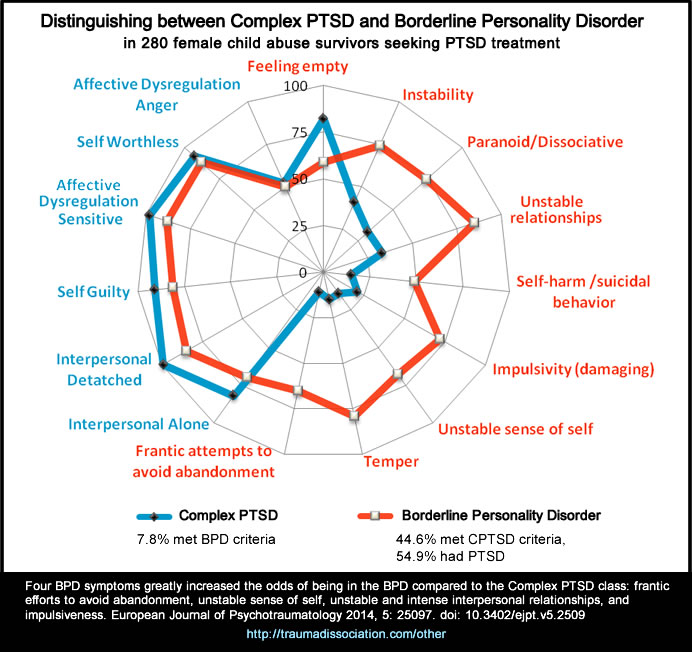
Post-traumatic stress disorder (PTSD) is a mental health condition that can develop after experiencing or witnessing a traumatic event. Harassment, which involves persistent and unwanted behaviors, can be a traumatic event that triggers PTSD. Individuals who have experienced harassment may develop symptoms such as intrusive thoughts, nightmares, and flashbacks, which are characteristic of PTSD. The impact of harassment on mental health, specifically on the development of PTSD, is a serious concern that needs to be addressed. It is important to understand the connection between harassment and PTSD in order to provide appropriate support and interventions for individuals who have been affected.

Low self-esteem

Low self-esteem is a common consequence of experiencing harassment, and it can have a profound impact on an individual’s mental health. When someone is constantly subjected to demeaning and hurtful behavior, it can erode their sense of self-worth and lead to feelings of inadequacy and self-doubt. This can manifest in various ways, such as a negative body image, difficulty forming and maintaining relationships, and a constant fear of judgment and rejection. The effects of low self-esteem can be long-lasting and pervasive, affecting not only one’s emotional well-being but also their overall quality of life. It is important to recognize the connection between harassment and low self-esteem in order to provide support and resources to those who have been affected.

Factors Influencing the Impact of Harassment

Duration and frequency of harassment

Harassment can have a significant impact on mental health, and understanding the duration and frequency of such incidents is crucial. The duration refers to the length of time that an individual is subjected to harassment, while the frequency indicates how often these incidents occur. Both factors play a role in determining the severity of the mental health effects experienced by the victim. Prolonged exposure to harassment can lead to increased stress, anxiety, and depression. Additionally, frequent incidents of harassment can contribute to a sense of powerlessness and a constant state of fear. Recognizing the importance of considering the duration and frequency of harassment is essential in addressing the mental health consequences and providing support to those affected.

Personal resilience

Personal resilience plays a crucial role in mitigating the impact of harassment on mental health. It refers to an individual’s ability to bounce back from adversity and maintain a sense of well-being. When faced with harassment, individuals with high levels of personal resilience are more likely to effectively cope with the negative effects and maintain their mental health. They are able to draw upon their inner strength, positive coping strategies, and support networks to navigate through difficult experiences. Building personal resilience involves developing self-awareness, practicing self-care, and cultivating healthy coping mechanisms. By enhancing personal resilience, individuals can better protect their mental health and minimize the long-term consequences of harassment.

Support systems

Support systems play a crucial role in mitigating the negative impact of harassment on mental health. Having a strong support system can provide individuals with a safe space to share their experiences, seek validation, and receive emotional support. Friends, family, and trusted individuals within the community can offer a listening ear, empathy, and practical advice. Additionally, support groups and helplines specifically designed for survivors of harassment can provide specialized assistance and resources. These support systems not only help individuals cope with the psychological effects of harassment but also empower them to take action, seek justice, and advocate for change. By fostering a sense of belonging, understanding, and validation, support systems are essential in promoting mental well-being and resilience in the face of harassment.

Prevention and Intervention Strategies

Education and awareness

Education and awareness play a crucial role in addressing and preventing harassment and its detrimental impact on mental health. By providing individuals with knowledge about what constitutes harassment, its various forms, and the potential consequences, we can empower them to recognize and respond to such behavior. Additionally, raising awareness about the long-term effects of harassment on mental well-being can help create a supportive environment that promotes empathy, understanding, and respect. Educational initiatives, such as workshops, training programs, and awareness campaigns, can equip individuals with the necessary tools to identify, report, and intervene in instances of harassment, fostering a culture of accountability and prevention. By prioritizing education and awareness, we can work towards mitigating the negative effects of harassment on mental health and creating a safer and more inclusive society.

Creating safe environments

Creating safe environments is crucial in addressing the impact of harassment on mental health. When individuals feel safe and supported in their surroundings, they are more likely to seek help and disclose their experiences. This can lead to early intervention and appropriate support, which can significantly mitigate the negative effects of harassment on mental well-being. Safe environments can be established through comprehensive policies and procedures that promote zero tolerance for harassment, as well as through education and awareness programs that foster empathy, understanding, and respect. By prioritizing the creation of safe spaces, we can create a culture that values mental health and works towards preventing and addressing harassment.

Supportive policies and procedures

Supportive policies and procedures play a crucial role in addressing and mitigating the impact of harassment on mental health. By establishing clear guidelines and protocols for reporting and addressing incidents of harassment, organizations can create a safe and supportive environment for their employees. These policies not only provide a framework for handling complaints but also send a strong message that harassment will not be tolerated. Additionally, supportive procedures such as offering counseling services and promoting mental well-being programs can help individuals cope with the emotional and psychological effects of harassment. By prioritizing the implementation of supportive policies and procedures, organizations can take a proactive approach towards protecting the mental health of their employees.

Conclusion

Summary of key points

In summary, the article explores the impact of harassment on mental health and aims to deepen our understanding of the connection between the two. It highlights the negative effects of harassment on individuals’ psychological well-being and emphasizes the importance of addressing this issue. The article emphasizes the need for increased awareness, education, and support systems to help prevent and address the mental health consequences of harassment. By shedding light on this important topic, the article contributes to the ongoing conversation surrounding mental health and advocates for a society that is free from harassment and promotes positive mental well-being.

Call to action

The issue of harassment is not only a matter of personal safety and well-being, but it also has a significant impact on mental health. Research has shown that individuals who experience harassment are more likely to develop mental health disorders such as anxiety, depression, and post-traumatic stress disorder. It is crucial that we take action to address and prevent harassment in order to protect the mental health of individuals and create a safer and more inclusive society. By promoting awareness, educating others, and implementing effective policies, we can work towards eradicating harassment and its detrimental effects on mental health.

Importance of addressing harassment for mental health

Addressing harassment is crucial for maintaining good mental health. Harassment can have a significant impact on an individual’s well-being, leading to increased stress, anxiety, and depression. It can create a hostile and toxic environment, making it difficult for individuals to feel safe and secure. By addressing harassment, we can create a supportive and inclusive atmosphere that promotes positive mental health. It is essential to recognize the connection between harassment and mental health and take active steps to prevent and address any form of harassment.

Types of Harassment You Should Be Aware Of

0

Introduction

Definition of harassment

Harassment can be defined as any unwanted behavior or conduct that is offensive, intimidating, or hostile towards an individual or a group. It involves actions or words that create a hostile environment, causing distress, fear, or humiliation. Harassment can occur in various settings, such as the workplace, schools, online platforms, or public spaces. It is important to be aware of the different types of harassment to recognize and address them effectively, promoting a safe and inclusive environment for everyone.

Importance of awareness

The importance of awareness about different types of harassment cannot be overstated. In today’s society, it is crucial for individuals to be well-informed about the various forms of harassment that exist, as it directly affects the well-being and safety of individuals. By being aware of the different types of harassment, individuals can recognize and address such behaviors, creating a safer and more inclusive environment for everyone. Additionally, awareness empowers individuals to support and stand up for those who may be experiencing harassment, fostering a culture of empathy and solidarity. Therefore, it is essential for everyone to educate themselves and raise awareness about the different types of harassment to ensure a more respectful and equitable society.

Purpose of the article

The purpose of this article is to raise awareness about the different types of harassment that exist in society today. It aims to educate readers on what constitutes harassment and the various forms it can take, such as verbal, physical, and online harassment. By understanding these different types of harassment, individuals can better recognize and address instances of harassment in their own lives and work towards creating a safer and more inclusive environment for everyone.

Verbal Harassment

Types of verbal harassment

Verbal harassment refers to the use of spoken or written words, gestures, or other forms of communication to intimidate, belittle, or demean someone. It can take various forms, including derogatory comments, insults, threats, or offensive jokes. Verbal harassment can occur in different settings, such as the workplace, schools, or online platforms. It can have a significant impact on the victim’s mental and emotional well-being, leading to feelings of fear, anxiety, and low self-esteem. It is important to be aware of the different types of verbal harassment to recognize and address such behavior in order to create a safe and respectful environment for everyone.

Effects of verbal harassment

Verbal harassment can have profound effects on individuals and communities. It can lead to decreased self-esteem, increased anxiety, and a sense of powerlessness. The constant exposure to hurtful and demeaning words can erode a person’s self-confidence and make them question their worth. Additionally, verbal harassment can create a hostile environment that affects not only the targeted individual but also those who witness it. It can contribute to a culture of fear and silence, where individuals are afraid to speak up and seek help. It is important to recognize the detrimental effects of verbal harassment and work towards creating a society that promotes respect, empathy, and understanding.

Preventing verbal harassment

Verbal harassment is a pervasive issue that can have serious consequences for individuals and communities. It involves the use of derogatory, offensive, or threatening language to intimidate, belittle, or humiliate others. To prevent verbal harassment, it is important to promote a culture of respect and inclusivity. This can be achieved through education and awareness campaigns that highlight the impact of verbal harassment and encourage bystander intervention. Additionally, implementing clear policies and procedures that address verbal harassment in schools, workplaces, and public spaces can help create a safer environment for everyone. By taking proactive measures to prevent verbal harassment, we can work towards a society where everyone feels safe and valued.

Physical Harassment

Types of physical harassment

Physical harassment refers to any form of unwelcome physical contact or behavior that is intended to intimidate, harm, or control another person. It can take various forms, such as unwanted touching, groping, pushing, or physical threats. This type of harassment can occur in both public and private settings, and can have serious physical and psychological consequences for the victim. It is important to be aware of the different types of physical harassment in order to recognize and address them effectively.

Consequences of physical harassment

Physical harassment can have severe consequences for both the victim and the perpetrator. For the victim, it can result in physical injuries, emotional trauma, and a loss of sense of safety and security. The effects can be long-lasting, impacting their mental health and overall well-being. Additionally, physical harassment can also have legal consequences for the perpetrator, including criminal charges, fines, and potential imprisonment. It is important to recognize and address physical harassment to prevent further harm and ensure a safe and inclusive environment for everyone.

Steps to take when faced with physical harassment

When faced with physical harassment, it is important to take immediate action to ensure your safety and well-being. The first step is to remove yourself from the situation, if possible, and find a safe place. It is crucial to report the incident to the appropriate authorities, such as the police or your workplace HR department, so that they can investigate and take necessary action. Remember to gather any evidence, such as photographs or witness statements, to support your case. Seeking support from friends, family, or a counselor can also be beneficial during this difficult time. Lastly, consider consulting with a legal professional who specializes in harassment cases to understand your rights and explore possible legal actions. By taking these steps, you are asserting your rights and sending a strong message that physical harassment will not be tolerated.

Cyber Harassment

Forms of cyber harassment

Cyber harassment encompasses various forms of online abuse and intimidation. It includes cyberbullying, where individuals are targeted with hurtful messages, threats, or rumors on social media platforms or through electronic communication. Another form is doxxing, which involves the malicious release of someone’s personal information, such as their address or phone number, with the intent to harass or harm them. Revenge porn, the non-consensual sharing of explicit images or videos, is also a prevalent form of cyber harassment. Additionally, online stalking, hate speech, and spreading false information are all forms of cyber harassment that can have serious emotional and psychological impacts on victims. It is crucial to be aware of these various forms of cyber harassment in order to protect ourselves and support those who may be targeted.

Impact of cyber harassment

Cyber harassment can have a profound impact on individuals and communities. It not only affects the mental and emotional well-being of the victims but also has broader societal implications. The constant online abuse and threats can lead to anxiety, depression, and even suicidal thoughts. Additionally, cyber harassment can damage a person’s reputation and professional opportunities, making it difficult for them to thrive in their personal and work lives. Moreover, the fear of being targeted online can create a chilling effect, silencing individuals from expressing their opinions and participating in online discussions. It is crucial for society to address and combat cyber harassment to ensure a safe and inclusive digital environment for all.

Protecting yourself from cyber harassment

Cyber harassment has become a pervasive issue in today’s digital age, and it is crucial to take steps to protect yourself. One of the most effective ways to safeguard against cyber harassment is to be mindful of the information you share online. Avoid posting personal details, such as your address or phone number, on public platforms. Additionally, it is essential to regularly update your privacy settings on social media platforms and be cautious when accepting friend requests or engaging in online conversations with strangers. Another important aspect of protecting yourself from cyber harassment is to educate yourself about the different forms it can take, such as cyberbullying, doxing, or stalking. By understanding these tactics, you can be better prepared to recognize and respond to potential threats. Lastly, it is crucial to report any instances of cyber harassment to the appropriate authorities or platform administrators. Remember, your safety and well-being should always take precedence in the online world.

Sexual Harassment

Examples of sexual harassment

Sexual harassment can take many forms and can occur in various settings. Some common examples of sexual harassment include unwanted sexual advances, inappropriate comments or jokes of a sexual nature, unwanted touching or groping, and the display of sexually explicit material. It is important to be aware of these examples in order to recognize and address instances of sexual harassment.

Effects of sexual harassment

Sexual harassment can have severe and long-lasting effects on the victims. It can cause psychological trauma, leading to anxiety, depression, and post-traumatic stress disorder. Victims may also experience a decline in self-esteem and self-confidence, as well as difficulties in forming and maintaining relationships. In some cases, the effects of sexual harassment can even impact a person’s ability to work or study effectively. It is important to raise awareness about these effects and provide support to those who have experienced sexual harassment.

Reporting sexual harassment

Reporting sexual harassment is an important step towards creating a safe and inclusive environment. It is crucial for individuals who have experienced sexual harassment to speak up and report these incidents. By reporting sexual harassment, victims can seek justice and hold the perpetrators accountable for their actions. Additionally, reporting can help raise awareness about the issue and encourage others to come forward with their experiences. It is essential for organizations and institutions to have clear reporting mechanisms in place, ensuring that victims feel supported and protected throughout the process. Reporting sexual harassment not only helps the individual but also contributes to the larger goal of eradicating harassment in all its forms.

Workplace Harassment

Types of workplace harassment

Workplace harassment can take many forms and can have a significant impact on employees and the overall work environment. Some common types of workplace harassment include verbal harassment, such as offensive comments or slurs; physical harassment, such as unwanted touching or assault; and psychological harassment, such as bullying or intimidation. It is important for employers to create a safe and inclusive work environment where all employees feel respected and protected from any form of harassment.

Consequences of workplace harassment

Workplace harassment can have serious consequences for both the individuals involved and the overall work environment. For the victims of harassment, the emotional and psychological toll can be significant, leading to increased stress, anxiety, and even depression. This can have a detrimental impact on their mental well-being and overall job satisfaction. Additionally, workplace harassment can also result in decreased productivity and morale among employees, as it creates a hostile and toxic work environment. It can lead to increased absenteeism, high turnover rates, and a loss of trust and confidence in the organization. Furthermore, if left unaddressed, workplace harassment can also have legal implications, exposing the company to potential lawsuits and financial penalties. Therefore, it is crucial for employers to take proactive measures to prevent and address workplace harassment in order to maintain a healthy and inclusive work environment.

Creating a harassment-free workplace

Creating a harassment-free workplace is crucial for maintaining a positive and healthy work environment. It is essential to establish clear policies and guidelines that promote respect and tolerance among employees. By fostering a culture of inclusivity and zero tolerance for harassment, organizations can ensure that all individuals feel safe and valued. Additionally, providing training and education on recognizing and addressing different types of harassment can empower employees to take action and prevent such behavior. Ultimately, creating a harassment-free workplace not only protects employees from harm but also enhances productivity and overall job satisfaction.

The Power of Collective Action: Joining Forces with Fellow Harassment Victims

0

Introduction

Definition of collective action

Collective action refers to the coordinated effort of a group of individuals who come together to address a common issue or problem. It involves individuals joining forces, pooling their resources, and working collaboratively towards a shared goal. In the context of harassment victims, collective action can be a powerful tool for seeking justice and creating change. By joining forces with fellow victims, individuals can amplify their voices, increase their impact, and hold perpetrators accountable. Through collective action, harassment victims can find strength in numbers and work towards creating a safer and more inclusive society.

Importance of collective action

The importance of collective action cannot be overstated when it comes to addressing the issue of harassment. By joining forces with fellow victims, individuals are able to amplify their voices and increase their power to effect change. Collective action provides a sense of unity and solidarity, creating a supportive network of individuals who understand and validate each other’s experiences. Moreover, by coming together, victims can pool their resources, knowledge, and strategies, making it more difficult for harassers to dismiss or ignore their claims. Ultimately, collective action not only empowers victims but also sends a strong message to society that harassment will not be tolerated and that there is strength in numbers.

Overview of the article

In the article, ‘The Power of Collective Action: Joining Forces with Fellow Harassment Victims’, the author explores the significance and impact of collective action in addressing and combating harassment. The article highlights the importance of victims coming together, sharing their experiences, and supporting one another to create a stronger collective voice. By joining forces, victims can create a powerful movement that demands accountability, raises awareness, and drives positive change in society. The author emphasizes how collective action not only empowers individual victims but also fosters a sense of solidarity and unity, ultimately leading to a more inclusive and safe environment for all.

Understanding Harassment

Types of harassment

Types of harassment can vary greatly, but they all share one thing in common: the abuse of power and the violation of personal boundaries. From verbal insults and offensive comments to physical assault and online bullying, individuals can experience different forms of harassment that can have a profound impact on their well-being and mental health. It is important to recognize and understand the various types of harassment in order to effectively address and combat this pervasive issue. By shedding light on these different forms of harassment, we can empower victims to come forward, seek support, and join forces with fellow victims to create a united front against harassment.

Effects of harassment

Harassment can have profound effects on individuals, affecting their mental and emotional well-being. Victims of harassment often experience anxiety, depression, and a sense of powerlessness. The constant fear of being targeted and the emotional toll it takes can lead to a decline in self-esteem and confidence. Additionally, harassment can have detrimental effects on a person’s professional and personal life, causing them to withdraw from social interactions and opportunities. However, there is power in collective action. By joining forces with fellow harassment victims, individuals can find strength, support, and a platform to amplify their voices. Together, they can create awareness, advocate for change, and work towards a society free from harassment.

Statistics on harassment

Harassment is a pervasive issue that affects countless individuals around the world. The statistics on harassment are alarming, highlighting the urgent need for collective action. According to recent studies, over 80% of women and 40% of men have experienced some form of harassment in their lifetime. These numbers demonstrate the widespread nature of the problem and emphasize the importance of joining forces with fellow victims to combat this issue. By coming together, we can create a stronger voice, raise awareness, and work towards creating a safer and more inclusive society for everyone.

The Power of Collective Action

Strength in numbers

Strength in numbers is a powerful concept that holds true in various aspects of life, and it is particularly relevant when it comes to addressing issues of harassment. When individuals who have experienced harassment join forces, they create a collective voice that is difficult to ignore. By standing together, victims can amplify their stories, share their experiences, and demand accountability from those responsible. This collective action not only brings attention to the issue at hand but also provides a support system for individuals who may feel isolated or powerless. Through unity and solidarity, victims of harassment can find strength, empowerment, and ultimately, create lasting change.

Support and validation

In the face of harassment, one of the most powerful sources of support and validation comes from joining forces with fellow victims. By coming together, individuals who have experienced similar forms of harassment can find solace in knowing that they are not alone in their struggles. This collective action not only provides a sense of unity and strength, but also serves as a platform for sharing experiences, strategies, and resources. Through the power of collective action, victims can amplify their voices, demand accountability, and work towards creating a safer and more inclusive environment for all.

Creating systemic change

Creating systemic change is essential in addressing the issue of harassment. By joining forces with fellow victims, individuals can amplify their voices and demand accountability from those responsible. Through collective action, victims can challenge the existing power dynamics and push for policies and practices that promote a safe and inclusive environment for all. Together, they can create a ripple effect that not only brings justice to individual cases but also transforms the larger societal structures that perpetuate harassment. By standing united, victims can inspire others to speak up, break the silence, and work towards a future free from harassment.

Joining Forces with Fellow Harassment Victims

Finding support groups

Finding support groups is a crucial step for individuals who have experienced harassment. Joining forces with fellow victims can provide a sense of empowerment and solidarity, as well as access to valuable resources and guidance. Support groups offer a safe space for sharing experiences, seeking advice, and receiving emotional support. By coming together, individuals can amplify their voices and advocate for change, raising awareness about the issue of harassment and working towards creating a safer and more inclusive society.

Sharing experiences

Sharing experiences is a crucial step in the journey of overcoming harassment. When individuals come together and share their stories, a powerful sense of solidarity is created. By sharing experiences, victims not only validate their own feelings and experiences, but they also provide support and encouragement to others who may be going through similar situations. It is through this collective sharing that the power of collective action is harnessed, enabling victims to unite and work towards creating lasting change and combating harassment in all its forms.

Taking collective action

Taking collective action is a powerful and empowering step for victims of harassment. By joining forces with fellow victims, individuals can amplify their voices and create a united front against their harassers. Together, they can demand justice, accountability, and change. Collective action not only provides support and solidarity, but it also sends a strong message to society that harassment will not be tolerated. Through collective action, victims can reclaim their power and work towards creating a safer and more inclusive environment for all.

Challenges and Obstacles

Fear of retaliation

Fear of retaliation is a common concern for victims of harassment. When individuals speak out about their experiences, they risk facing backlash, retribution, or even further harassment. This fear can be a significant barrier to seeking justice and finding support. However, the power of collective action lies in joining forces with fellow harassment victims. By coming together, individuals can find strength, solidarity, and protection. Collectively, they can amplify their voices, increase their impact, and create a safer environment for everyone. Through unity and collaboration, victims can overcome their fear of retaliation and work towards achieving lasting change.

Lack of resources

Lack of resources is a significant barrier that many harassment victims face when seeking justice and support. Oftentimes, individuals who have experienced harassment may not have access to the necessary financial, legal, or emotional resources to navigate the complex legal processes or cope with the trauma. This lack of resources can leave victims feeling isolated and powerless. However, by joining forces with fellow harassment victims, individuals can tap into the power of collective action. Together, they can pool their resources, knowledge, and experiences to advocate for change, raise awareness, and create a stronger support network. By uniting and amplifying their voices, victims can overcome the obstacles posed by the lack of resources and work towards a more equitable and just society.

Legal barriers

Legal barriers can pose significant challenges for victims of harassment seeking justice. In many cases, the legal system is complex and intimidating, requiring extensive knowledge and resources to navigate. Additionally, victims often face obstacles such as limited access to legal representation, high costs associated with filing lawsuits, and lengthy court processes. These barriers can discourage individuals from pursuing legal action and can perpetuate a culture of impunity for perpetrators. However, by joining forces with fellow harassment victims, individuals can overcome these barriers and amplify their voices. Collective action allows victims to pool resources, share information, and provide emotional support, creating a stronger and more united front against harassment. Together, they can advocate for legal reforms, raise awareness about the issue, and hold perpetrators accountable, ultimately working towards a society where all individuals are free from harassment and discrimination.

Overcoming Challenges and Achieving Results

Building a strong network

Building a strong network is crucial when it comes to combating harassment and seeking justice. By joining forces with fellow harassment victims, individuals can amplify their voices and increase their chances of achieving meaningful change. Together, they can provide support, share resources, and advocate for stronger policies and regulations. Additionally, a strong network can help victims feel less isolated and empower them to speak out against their harassers. Building a strong network is not only about finding solidarity, but also about creating a collective force that can challenge the status quo and bring about lasting societal change.

Advocacy and awareness campaigns

Advocacy and awareness campaigns play a crucial role in addressing the issue of harassment and supporting victims. By joining forces with fellow harassment victims, individuals can amplify their voices and create a powerful collective movement. Through these campaigns, awareness can be raised about the prevalence of harassment, the impact it has on individuals and communities, and the urgent need for change. Advocacy efforts can include organizing protests, sharing personal stories, and engaging with policymakers to push for stronger laws and policies that protect victims and hold perpetrators accountable. These campaigns not only provide a platform for victims to share their experiences but also foster a sense of solidarity and empowerment among survivors. By coming together, victims can bring about meaningful change and create a society where harassment is not tolerated.

Legal and policy changes

Legal and policy changes play a crucial role in addressing the issue of harassment and providing justice to victims. By enacting laws and implementing policies that explicitly condemn harassment in all its forms, governments can send a strong message that such behavior will not be tolerated. These changes can empower victims to come forward, knowing that their voices will be heard and their rights protected. Additionally, legal and policy changes can create a safer environment by holding perpetrators accountable and imposing severe consequences for their actions. By joining forces with fellow harassment victims, individuals can advocate for and contribute to the implementation of these changes, ultimately fostering a society where everyone can live free from the fear of harassment.

Fighting Harassment: How to Effectively Work with Your Attorney

0

Introduction

Understanding the importance of working with an attorney

Working with an attorney is crucial when it comes to fighting harassment. They have the knowledge and expertise to navigate the legal system and ensure that your rights are protected. An attorney can provide valuable guidance and advice on the best course of action to take in your specific situation. They can help you understand the legal implications of harassment and the options available to you for seeking justice. By working closely with an attorney, you can effectively build a strong case and increase your chances of achieving a favorable outcome. Remember, when it comes to fighting harassment, having a skilled attorney by your side can make all the difference.

Common challenges faced when dealing with harassment cases

When it comes to dealing with harassment cases, there are several common challenges that individuals may face. One of the main challenges is the emotional toll that harassment can take on the victim. It can be mentally and physically draining to constantly deal with the harassment and its effects. Another challenge is the difficulty in gathering evidence to support the case. Harassment often occurs in private or subtle ways, making it challenging to provide concrete evidence. Additionally, navigating the legal system can be complex and overwhelming, especially for those who are unfamiliar with the process. It is important to work closely with an attorney who specializes in harassment cases to ensure that your rights are protected and that you have the support and guidance needed to navigate these challenges.

Overview of the article

In the article titled ‘Fighting Harassment: How to Effectively Work with Your Attorney’, the author provides a comprehensive overview of the steps individuals can take to combat harassment with the help of their attorney. The article emphasizes the importance of understanding one’s rights and the legal process, as well as the significance of communication and collaboration with the attorney. By offering practical advice and insights, the article aims to empower readers in their fight against harassment and ensure they have the necessary tools to navigate the legal system effectively.

Choosing the Right Attorney

Researching and evaluating potential attorneys

When it comes to researching and evaluating potential attorneys to work with, there are several key factors to consider. First, it is important to gather information about the attorney’s experience and expertise in handling harassment cases. Look for attorneys who have a strong track record of success in similar cases and who specialize in employment or civil rights law. Additionally, consider the attorney’s reputation and client reviews to get a sense of their professionalism and how they treat their clients. It is also crucial to meet with potential attorneys for an initial consultation to discuss your case and assess their communication style and approach. By thoroughly researching and evaluating potential attorneys, you can ensure that you find the right legal representation to effectively fight against harassment.

Considering specialization and experience

When it comes to fighting harassment, considering the specialization and experience of your attorney is crucial. Harassment cases can be complex and require a deep understanding of the relevant laws and legal precedents. By hiring an attorney who specializes in harassment cases, you can ensure that you have a knowledgeable and experienced advocate on your side. Additionally, an attorney with a track record of success in handling harassment cases will be better equipped to navigate the legal process and fight for your rights effectively. Therefore, it is important to thoroughly research and evaluate potential attorneys to find the best fit for your specific needs and circumstances.

Assessing communication and rapport

When it comes to assessing communication and rapport with your attorney, it is crucial to establish a strong foundation of trust and understanding. Open and honest communication is key in order to effectively work together towards resolving harassment issues. Your attorney should actively listen to your concerns, ask relevant questions, and provide clear explanations of the legal process. Building a positive rapport with your attorney will not only ensure that you feel comfortable sharing sensitive information, but it will also help in developing a strategic approach to your case. By fostering a strong and open line of communication, you can work together to navigate the complexities of fighting harassment and achieve the best possible outcome.

Preparing for the Initial Consultation

Gathering relevant documents and evidence

Gathering relevant documents and evidence is a crucial step in fighting harassment and working effectively with your attorney. By collecting and organizing all relevant documents, such as emails, text messages, photographs, and any other evidence related to the harassment, you provide your attorney with the necessary materials to build a strong case. This includes any documentation of incidents, dates, times, and locations, as well as any witnesses who can support your claims. Additionally, gathering any relevant legal documents, such as contracts or employment agreements, can help establish the context and provide further evidence of the harassment. By being thorough in your document collection, you empower your attorney to advocate on your behalf with a solid foundation of evidence, increasing the likelihood of a successful resolution to your case.

Preparing a list of questions and concerns

Preparing a list of questions and concerns is a crucial step in effectively working with your attorney to fight harassment. By taking the time to compile a comprehensive list, you can ensure that no important issues are overlooked or forgotten during your discussions with your attorney. Start by brainstorming all the questions and concerns that come to mind, and then organize them in a logical order. Consider including questions about the legal process, your rights and options, potential outcomes, and any specific details related to your case. This list will serve as a valuable reference during your meetings with your attorney, helping you stay focused and ensuring that all your concerns are addressed. By being prepared and proactive, you can maximize the effectiveness of your collaboration with your attorney and increase your chances of success in fighting harassment.

Understanding the consultation process

Understanding the consultation process is crucial when it comes to effectively working with your attorney. During the consultation, you will have the opportunity to discuss your case in detail and provide any necessary documentation. This is also the time to ask any questions you may have and to understand the attorney’s approach to your case. The consultation process allows you to establish a rapport with your attorney and ensure that they have a clear understanding of your goals and expectations. By understanding the consultation process, you can make the most of your attorney-client relationship and work together towards achieving a successful outcome in your fight against harassment.

Building a Strong Case

Collecting additional evidence and witnesses

When dealing with harassment cases, it is crucial to collect additional evidence and witnesses to strengthen your case. This can include gathering any relevant documents, such as emails, text messages, or social media posts, that demonstrate the harassment you have experienced. Additionally, identifying and speaking to potential witnesses who have observed or have knowledge of the harassment can provide valuable support for your claims. By collecting additional evidence and witnesses, you can present a more comprehensive and compelling case to your attorney, increasing your chances of effectively fighting against harassment.

Understanding the legal elements of harassment

Understanding the legal elements of harassment is crucial when fighting against it. Harassment can take many forms, including verbal, physical, and online. To effectively work with your attorney, it is important to understand the specific laws and regulations that govern harassment in your jurisdiction. This includes knowing what constitutes harassment, the burden of proof required, and the potential legal remedies available. By having a clear understanding of the legal elements of harassment, you can better communicate and collaborate with your attorney to build a strong case and seek justice.

Working with your attorney to develop a strategy

Working with your attorney to develop a strategy is crucial in fighting harassment cases. Your attorney will have the legal expertise and knowledge to guide you through the process and help you understand your rights. They will work closely with you to gather evidence, interview witnesses, and build a strong case. By collaborating with your attorney, you can develop a strategic plan tailored to your specific situation, ensuring that your rights are protected and that you have the best chance of success in your fight against harassment.

Navigating the Legal Process

Filing a complaint or lawsuit

Filing a complaint or lawsuit is an important step in fighting harassment and seeking justice. It involves formally documenting the incident or incidents of harassment and submitting them to the appropriate legal authorities or court. This process requires careful preparation and attention to detail to ensure that all necessary information and evidence are included. It is advisable to work closely with your attorney throughout this process to navigate the complex legal procedures and maximize the chances of a successful outcome. Your attorney will guide you in gathering the necessary documentation, filing the complaint or lawsuit, and representing your interests in court. Remember, filing a complaint or lawsuit is not only about seeking justice for yourself but also about sending a strong message that harassment will not be tolerated and holding the responsible parties accountable for their actions.

Responding to motions and discovery requests

When it comes to responding to motions and discovery requests, it is crucial to work closely with your attorney. Your attorney will guide you through the process and help you understand the legal requirements and deadlines involved. They will assist you in preparing the necessary documents and evidence to support your case. It is important to be thorough and timely in your responses to ensure that your rights are protected and your arguments are effectively presented. By collaborating with your attorney, you can navigate the complex legal procedures and increase your chances of a successful outcome in your harassment case.

Attending hearings and negotiations

Attending hearings and negotiations is a crucial part of fighting harassment and working effectively with your attorney. These events provide an opportunity to present your case, gather evidence, and engage in discussions with the opposing party. It is important to be well-prepared and organized for these proceedings, as they can greatly impact the outcome of your case. Your attorney will guide you through the process, advising you on the best strategies to employ and representing your interests. By actively participating in hearings and negotiations, you can assert your rights, seek justice, and work towards resolving the harassment issue.

Working Collaboratively with Your Attorney

Maintaining open and honest communication

Maintaining open and honest communication is crucial when it comes to effectively working with your attorney. By keeping the lines of communication open, you can ensure that your attorney is fully informed about your case and any relevant details. This allows them to provide you with the best possible legal advice and representation. Additionally, open communication fosters a strong attorney-client relationship built on trust and understanding. It allows you to openly discuss your concerns, ask questions, and provide any necessary updates. By maintaining open and honest communication, you can work together with your attorney to navigate the complexities of your case and achieve the best possible outcome.

Providing timely updates and information

Providing timely updates and information is crucial when working with your attorney to effectively fight harassment. By promptly sharing any new developments, evidence, or concerns, you can ensure that your attorney has all the necessary information to build a strong case and provide you with the best possible legal advice. Regular communication and transparency will also help establish a trusting and collaborative relationship with your attorney, allowing them to better understand your needs and goals. Remember, your attorney is your advocate, and keeping them informed will greatly contribute to the success of your fight against harassment.

Following your attorney’s advice and guidance

Following your attorney’s advice and guidance is crucial when it comes to fighting harassment. Your attorney is a legal professional who has the knowledge and experience to navigate the complexities of the legal system. They will provide you with valuable insights and strategies to help you build a strong case against the harasser. By following their advice, you can ensure that you are taking the necessary steps to protect your rights and achieve a favorable outcome. Remember, your attorney is there to support and guide you throughout the process, so it is important to trust their expertise and follow their instructions diligently.

Steps to Take When Facing Harassment in the Workplace

0

Introduction

Definition of workplace harassment

Workplace harassment refers to any unwelcome or offensive behavior, whether verbal, physical, or visual, that targets an individual or a group based on their race, gender, age, religion, sexual orientation, or any other protected characteristic. It can include actions such as derogatory comments, bullying, intimidation, or any form of discrimination that creates a hostile or intimidating work environment. Workplace harassment is a serious issue that can have detrimental effects on the well-being and productivity of employees, and it is important for organizations to have policies and procedures in place to prevent and address such behavior.

Importance of addressing workplace harassment

Workplace harassment is a serious issue that should never be ignored or brushed aside. Addressing workplace harassment is of utmost importance as it not only affects the well-being and mental health of the individuals involved, but also has a detrimental impact on the overall work environment. By taking steps to address workplace harassment, organizations can create a safe and inclusive space for all employees, fostering a culture of respect and professionalism. It is crucial to acknowledge and confront harassment in order to protect the rights and dignity of every individual in the workplace.

Overview of the steps to take when facing harassment

When facing harassment in the workplace, it is important to know the steps to take in order to protect yourself and address the issue. The first step is to document any incidents of harassment, including dates, times, and details of what occurred. It is also crucial to gather any evidence, such as emails or text messages, that support your claims. Next, it is recommended to report the harassment to your supervisor or human resources department, following the appropriate channels within your organization. If the issue is not resolved internally, you may need to file a formal complaint with the appropriate external agency, such as the Equal Employment Opportunity Commission (EEOC). Throughout this process, it is important to seek support from trusted colleagues or professionals who can provide guidance and assistance. Remember, taking action against harassment is not only essential for your own well-being, but also for creating a safe and respectful work environment for all employees.

Recognizing Workplace Harassment

Understanding different forms of workplace harassment

Workplace harassment can take many different forms, and it is important to understand these various manifestations. Some common forms of workplace harassment include verbal abuse, sexual harassment, discrimination, bullying, and intimidation. Verbal abuse can involve offensive language, insults, or derogatory remarks. Sexual harassment refers to unwanted sexual advances, comments, or actions that create a hostile work environment. Discrimination occurs when an individual is treated unfairly based on their race, gender, age, religion, or other protected characteristics. Bullying involves repeated negative actions or behaviors intended to intimidate, belittle, or humiliate a person. Understanding these different forms of workplace harassment is crucial in order to effectively address and prevent such behavior in the workplace.

Recognizing signs of workplace harassment

Recognizing signs of workplace harassment is crucial for creating a safe and respectful work environment. There are several common signs that may indicate the presence of harassment, such as frequent negative comments or jokes targeting a specific individual or group, unwanted physical contact, persistent intimidation or belittlement, and exclusion or isolation of certain individuals. It is important for employees and employers alike to be vigilant and proactive in identifying these signs, as early recognition can help prevent further harm and ensure appropriate action is taken to address the issue. By fostering a culture of awareness and accountability, organizations can work towards eradicating workplace harassment and promoting a healthy and inclusive workplace for all.

Knowing your rights as an employee

Knowing your rights as an employee is crucial when facing harassment in the workplace. As an employee, you have the right to a safe and respectful work environment free from any form of harassment. This includes protection from verbal, physical, and sexual harassment. It is important to familiarize yourself with your company’s policies on harassment and understand the procedures for reporting any incidents. Additionally, you have the right to seek legal assistance and file a complaint with the appropriate authorities if necessary. By knowing and asserting your rights, you can take the necessary steps to address and combat harassment in the workplace.

Documenting Incidents

Importance of documenting incidents

The importance of documenting incidents cannot be overstated when facing harassment in the workplace. Keeping a detailed record of each incident provides crucial evidence that can support your case and help you navigate the legal process. Documenting incidents allows you to clearly outline the dates, times, locations, and specific details of each occurrence, which can be invaluable when presenting your case to HR or taking legal action. Additionally, having a comprehensive record can help establish a pattern of behavior, which can strengthen your credibility and demonstrate the severity and frequency of the harassment. By documenting incidents, you are taking proactive steps to protect yourself and ensure that your experiences are thoroughly documented and acknowledged.

What to include in incident documentation

When documenting incidents of harassment in the workplace, it is important to include specific details about the incident. This can include the date, time, and location of the incident, as well as a description of what happened and who was involved. It is also helpful to include any witnesses or evidence that may support your account. By including these details in your incident documentation, you can provide a clear and comprehensive record of the harassment you have experienced, which can be valuable if you need to report the incident or take further action.

Methods for documenting incidents

When it comes to documenting incidents of harassment in the workplace, there are several methods that can be employed. One effective method is keeping a detailed written record of each incident, including the date, time, location, and a description of what occurred. This can help provide a clear and accurate account of the harassment and can be used as evidence if necessary. Another method is to gather any supporting evidence such as emails, text messages, or photographs that may be relevant to the incidents. It is also important to document any witnesses to the harassment and their contact information, as their testimonies can strengthen your case. By using these methods for documenting incidents, individuals can build a strong foundation for addressing and resolving workplace harassment.

Reporting Harassment

Identifying the appropriate person or department to report to

When facing harassment in the workplace, it is crucial to identify the appropriate person or department to report to. This person or department should be someone who is knowledgeable about company policies and procedures regarding harassment and who can handle the situation with sensitivity and confidentiality. It may be the human resources department, a supervisor, or a designated harassment prevention officer. By reporting to the right person or department, you can ensure that your concerns are addressed promptly and effectively, and that appropriate action is taken to address the harassment and prevent it from happening again.

Steps to follow when reporting harassment

When reporting harassment in the workplace, it is important to follow certain steps to ensure your concerns are addressed appropriately. The first step is to document any incidents of harassment, including dates, times, locations, and descriptions of what occurred. It is also important to gather any evidence, such as emails, text messages, or witness statements, that support your claims. Next, you should report the harassment to your immediate supervisor or the designated person in your company’s HR department. Provide them with all the relevant information and evidence you have collected. If you are not comfortable reporting to your supervisor, you can reach out to a higher-level manager or the HR department directly. It is crucial to keep a record of all communication and interactions related to your complaint. Finally, if your employer does not take appropriate action or if the harassment continues, you may need to seek legal advice and file a formal complaint with the appropriate authorities.

Confidentiality and protection against retaliation

Confidentiality and protection against retaliation are crucial aspects when addressing harassment in the workplace. Employees who come forward with complaints or concerns must feel confident that their identities will be kept confidential, ensuring their safety and security. Additionally, it is essential for organizations to have policies and procedures in place that protect employees from any form of retaliation for reporting harassment. This includes safeguarding against any negative consequences, such as job loss or a hostile work environment. By prioritizing confidentiality and protection against retaliation, organizations can create a safe and supportive environment for all employees to address and resolve workplace harassment.

Seeking Support

Reaching out to trusted colleagues or friends

When facing harassment in the workplace, reaching out to trusted colleagues or friends can provide much-needed support and guidance. Sharing your experiences with someone you trust can help validate your feelings and provide a different perspective on the situation. They may be able to offer advice on how to handle the harassment or connect you with resources that can assist you. Additionally, talking to someone who has gone through a similar experience can be empowering and reassuring, as they can share their own strategies for coping and overcoming workplace harassment. Remember, you don’t have to face this alone, and reaching out to trusted colleagues or friends can be a crucial step in navigating the challenges of workplace harassment.

Utilizing employee assistance programs

Utilizing employee assistance programs can be a valuable resource when facing harassment in the workplace. These programs are designed to provide employees with support and guidance in dealing with difficult situations, including harassment. By reaching out to the employee assistance program, individuals can access confidential counseling services, receive advice on how to navigate the situation, and explore options for resolving the issue. This can help employees feel empowered and equipped to address and overcome workplace harassment, ensuring a safe and respectful work environment for all.

Seeking professional counseling or therapy

Seeking professional counseling or therapy can be a crucial step in dealing with harassment in the workplace. It provides a safe and confidential space to discuss and process the emotional and psychological impact of the experience. A trained therapist can help individuals develop coping strategies, manage stress, and navigate the complex emotions that arise from such situations. Additionally, therapy can empower individuals to regain a sense of control and self-confidence, as well as provide guidance on how to assert boundaries and communicate effectively in the workplace. By seeking professional counseling or therapy, individuals can take an active role in their healing and recovery, and ultimately, create a healthier and more supportive work environment.

Taking Legal Action

Understanding the legal options available

When facing harassment in the workplace, it is crucial to understand the legal options available to address the issue. The first step is to familiarize yourself with the laws and regulations that protect employees from harassment, such as Title VII of the Civil Rights Act of 1964 in the United States. This law prohibits workplace discrimination based on race, color, religion, sex, or national origin. Additionally, it is important to document any incidents of harassment and report them to the appropriate authorities, such as human resources or a supervisor. Seeking legal advice from an attorney specializing in employment law can also provide valuable guidance on how to navigate the legal process and protect your rights. Remember, understanding your legal options is essential in taking the necessary steps to address and resolve workplace harassment.

Consulting with an employment lawyer

When facing harassment in the workplace, it is crucial to consult with an employment lawyer. An experienced lawyer can provide valuable guidance and support throughout the process of addressing the harassment. They can help you understand your rights, assess the strength of your case, and explore potential legal remedies available to you. Additionally, an employment lawyer can assist in negotiating with your employer or filing a formal complaint if necessary. By consulting with an employment lawyer, you can ensure that you are taking the appropriate steps to protect yourself and seek justice in the face of workplace harassment.

Filing a complaint with the appropriate agency

When facing harassment in the workplace, one important step is to file a complaint with the appropriate agency. This can be a government organization, such as the Equal Employment Opportunity Commission (EEOC), or a local human rights commission. Filing a complaint with the appropriate agency ensures that your case will be investigated and addressed by professionals who are trained in handling workplace harassment. It is important to provide detailed information about the incidents of harassment, including dates, times, and any witnesses. By filing a complaint, you are taking a proactive step towards seeking justice and holding the responsible parties accountable for their actions.

The Statute of Limitations for Harassment Charges: Time Periods to Consider

0

Introduction

Definition of statute of limitations

The statute of limitations refers to the time period within which legal action can be taken for a particular offense. In the context of harassment charges, it sets a deadline for filing a complaint or pressing charges against the alleged harasser. The purpose of the statute of limitations is to ensure that cases are brought to court in a timely manner, preserving the integrity of evidence and protecting the rights of both the accuser and the accused. It is important for individuals who have experienced harassment to be aware of the specific time periods applicable to their jurisdiction, as they vary depending on the nature of the offense and the laws of the governing jurisdiction.

Importance of statute of limitations in harassment charges

The statute of limitations plays a crucial role in harassment charges as it sets the time period within which a victim can file a complaint or bring legal action against the perpetrator. This time restriction is essential in ensuring that cases are brought to light in a timely manner, allowing for a fair and just resolution. Additionally, the statute of limitations serves to protect the accused from being subjected to legal actions for incidents that occurred too long ago, when evidence may have deteriorated or witnesses may no longer be available. By establishing clear time periods, the statute of limitations provides a balance between the rights of the victim and the rights of the accused, promoting a fair and efficient legal system in addressing harassment charges.

Overview of time periods to consider

The statute of limitations for harassment charges refers to the time period within which a victim can file a complaint against the perpetrator. It is important to understand the various time periods associated with harassment charges to ensure that legal action is taken within the prescribed timeframe. The specific time periods for filing harassment charges can vary depending on the jurisdiction and the type of harassment involved. These time periods are put in place to balance the rights of the victim and the accused, as well as to ensure a fair and efficient legal process. By having an overview of the time periods to consider, individuals can make informed decisions regarding their options for seeking justice and holding perpetrators accountable.

Statute of Limitations for Harassment Charges

Explanation of statute of limitations for harassment charges

The statute of limitations for harassment charges refers to the time period within which a victim can file a legal complaint against the perpetrator. It is important to understand these time periods as they vary depending on the jurisdiction and the nature of the harassment. In general, the statute of limitations aims to strike a balance between protecting the rights of victims and ensuring fairness for the accused. By setting a time limit, it encourages victims to come forward promptly while also recognizing that memories can fade and evidence can become harder to gather over time. It is crucial for individuals who have experienced harassment to be aware of the statute of limitations in their jurisdiction and seek legal advice if they wish to pursue charges.

Factors affecting the statute of limitations

There are several factors that can affect the statute of limitations for harassment charges. One important factor is the jurisdiction in which the alleged harassment took place. Different jurisdictions may have different time periods for filing charges, so it is crucial to understand the laws in the specific location. Another factor is the age of the victim at the time of the alleged harassment. In some cases, the statute of limitations may be extended if the victim was a minor at the time. Additionally, the discovery of the harassment may also impact the statute of limitations. If the victim only became aware of the harassment years after it occurred, there may be provisions that allow for an extended time period to file charges. It is important to consult with a legal professional to fully understand the factors that may affect the statute of limitations in a harassment case.

Different time periods for different types of harassment charges

When it comes to harassment charges, it is important to understand that different types of harassment may have different time periods within which charges can be filed. This is known as the statute of limitations. For example, in some cases, the statute of limitations for sexual harassment charges may be different from that of verbal harassment charges. It is crucial to be aware of these time periods to ensure that charges are filed within the appropriate timeframe. By understanding the different time periods for different types of harassment charges, individuals can take the necessary steps to seek justice and hold perpetrators accountable.

Time Periods for Different Types of Harassment Charges

Sexual harassment

Sexual harassment is a serious issue that affects individuals in various settings, including the workplace, educational institutions, and public spaces. It refers to any unwanted sexual advances, requests for sexual favors, or other verbal or physical conduct of a sexual nature that creates a hostile or intimidating environment. The statute of limitations for harassment charges related to sexual harassment varies depending on the jurisdiction and the specific circumstances of the case. It is important for victims to be aware of the time periods within which they can file a complaint or take legal action to seek justice and hold the perpetrators accountable. By understanding the statute of limitations, individuals can make informed decisions about pursuing legal remedies and ensuring that their rights are protected.

Verbal harassment

Verbal harassment is a form of harassment that involves the use of spoken or written words to intimidate, belittle, or demean someone. It can occur in various settings, such as the workplace, schools, or even online. Verbal harassment can have a profound impact on the victim, causing emotional distress, anxiety, and a loss of self-esteem. It is important to recognize and address verbal harassment to create a safe and respectful environment for everyone. In legal terms, the statute of limitations for filing harassment charges related to verbal harassment may vary depending on the jurisdiction and the specific circumstances of the case. It is crucial for individuals who have experienced verbal harassment to seek legal advice and understand the time periods within which they can take legal action to protect their rights and seek justice.

Cyber harassment

Cyber harassment, also known as online harassment or internet harassment, refers to the use of digital communication platforms to intimidate, threaten, or harm individuals. With the increasing reliance on technology and the widespread use of social media, cyber harassment has become a prevalent issue in today’s society. It can take various forms, including sending abusive messages, spreading false information, or sharing private and sensitive content without consent. The anonymity and ease of access provided by the internet often embolden harassers, making it challenging to track and hold them accountable. As a result, it is crucial to understand the statute of limitations for cyber harassment charges, as time periods can vary depending on the jurisdiction. By being aware of these time limits, victims can take timely legal action and seek justice for the harm caused to them.

Factors Affecting the Statute of Limitations

Age of the victim

The age of the victim is an important factor to consider when it comes to the statute of limitations for harassment charges. In many jurisdictions, the time period for filing charges may vary depending on the age of the victim at the time of the incident. For instance, if the victim was a minor at the time of the harassment, the statute of limitations may be extended to allow them more time to come forward and seek justice. This recognizes the potential impact that harassment can have on young individuals and provides them with the necessary time to process their experiences and make a decision about pursuing legal action. On the other hand, if the victim was an adult at the time of the incident, the statute of limitations may be shorter, emphasizing the importance of timely reporting and addressing harassment cases. Overall, considering the age of the victim is crucial in determining the applicable time periods for filing harassment charges and ensuring that justice is served.

Presence of evidence

In cases of harassment charges, the presence of evidence plays a crucial role in determining the outcome of the legal proceedings. It is essential to gather and present substantial evidence that supports the claims of harassment. This evidence can include witness testimonies, documented incidents, emails, text messages, or any other relevant material that establishes a pattern of harassment. The strength of the evidence can significantly impact the statute of limitations for harassment charges, as it can determine whether the case can be pursued within the specified time periods. Therefore, it is imperative for both the victim and the legal representatives to carefully collect and preserve evidence to ensure a strong case against the perpetrator.

Reporting and filing procedures

Reporting and filing procedures are crucial when it comes to harassment charges. It is important for victims to understand the steps they need to take in order to report the harassment and file charges against the perpetrator. This includes gathering evidence, documenting incidents, and submitting a formal complaint to the appropriate authorities. By following the correct reporting and filing procedures, victims can ensure that their claims are taken seriously and that justice is served. It is also important to be aware of the statute of limitations for harassment charges, as there may be a time limit within which charges must be filed. Therefore, victims should act promptly to ensure that their rights are protected and that the necessary legal actions are taken in a timely manner.

Challenges in Enforcing the Statute of Limitations

Delayed reporting

Delayed reporting refers to the act of reporting harassment incidents after a significant amount of time has passed since the incident occurred. In cases of harassment, delayed reporting can pose challenges when it comes to gathering evidence and conducting a thorough investigation. The passage of time may result in the loss of crucial evidence, such as witness testimonies or physical proof. Additionally, delayed reporting can also impact the credibility of the victim’s claims, as some may question why the incident was not reported immediately. Despite these challenges, it is important to recognize that there are valid reasons why individuals may choose to delay reporting, including fear of retaliation or concerns about their personal safety. Therefore, it is crucial for law enforcement agencies and legal systems to be equipped with the necessary resources and protocols to effectively handle cases of delayed reporting and ensure that justice is served for the victims.

Lack of evidence

In cases of harassment charges, the lack of evidence can pose a significant challenge. Without sufficient evidence, it becomes difficult to prove the occurrence of harassment beyond a reasonable doubt. This can result in the dismissal of the charges or the inability to pursue legal action. It is crucial for victims of harassment to gather and preserve any available evidence, such as emails, text messages, or witness testimonies, to strengthen their case. Additionally, seeking the assistance of an experienced attorney can help navigate the complexities of the legal system and increase the chances of a successful outcome.

Legal loopholes

Legal loopholes can often be a barrier to justice in harassment cases. The statute of limitations is one such loophole that can limit the time period during which charges can be filed. This means that victims of harassment may be unable to seek legal recourse if they do not report the incident within a specified timeframe. The varying time periods for different types of harassment charges further complicate matters, as victims may be unaware of the specific limitations that apply to their case. It is important for individuals to be aware of these legal loopholes and the time periods they entail in order to ensure that their rights are protected and justice can be served.

Conclusion

Importance of understanding the statute of limitations

Understanding the statute of limitations is crucial when it comes to harassment charges. This legal time limit determines the window of opportunity for victims to pursue justice and hold their harassers accountable. By knowing the specific time periods set by law, individuals can make informed decisions about reporting incidents and seeking legal recourse. It also highlights the importance of acting promptly to ensure that evidence is preserved and witnesses are available. Without a clear understanding of the statute of limitations, victims may unknowingly miss their chance to seek justice, while perpetrators may go unpunished. Therefore, it is essential for both victims and society as a whole to comprehend the significance of the statute of limitations for harassment charges.

Call to action for victims and legal professionals

If you or someone you know has been a victim of harassment, it is crucial to take action and seek legal help. The statute of limitations for harassment charges varies depending on the jurisdiction, so it is important to consult with a legal professional to understand the time periods to consider. By speaking up and reporting harassment, you not only protect yourself but also contribute to creating a safer environment for others. Legal professionals play a vital role in supporting and advocating for victims, ensuring that their rights are protected and justice is served. Together, we can work towards ending harassment and promoting a society that values respect and equality.

Future considerations for improving the statute of limitations

In order to improve the statute of limitations for harassment charges, there are several future considerations that should be taken into account. Firstly, there needs to be a reevaluation of the time periods set for filing charges. It is essential to ensure that victims have sufficient time to come forward and seek justice, while also considering the need for timely investigations and prosecutions. Additionally, there should be a focus on increasing awareness and education about harassment laws and the rights of victims. By promoting a culture of zero tolerance towards harassment, society can work towards preventing such incidents and providing support to those affected. Furthermore, technological advancements should be utilized to streamline the reporting and documentation processes, making it easier for victims to report incidents and for authorities to investigate and gather evidence. Lastly, collaboration between legal professionals, lawmakers, and advocacy groups is crucial in order to develop comprehensive and effective legislation that addresses the complexities of harassment cases and ensures justice for all victims. These future considerations can play a significant role in strengthening the statute of limitations for harassment charges and creating a safer and more just society.

The Emotional Toll of Harassment: Self-Care Strategies and Legal Actions

0

Introduction

Definition of harassment

Harassment can be defined as any unwanted behavior, whether verbal, physical, or non-verbal, that is intended to disturb, threaten, or intimidate an individual or group. It can take various forms, such as bullying, discrimination, or sexual harassment. Harassment not only affects the victim emotionally but also has a detrimental impact on their mental health and overall well-being. It is important to understand the different manifestations of harassment and the toll it takes on individuals in order to effectively address and combat this issue.

Types of harassment

Harassment can take various forms and can occur in different contexts. Some common types of harassment include verbal harassment, such as name-calling or offensive comments; physical harassment, which involves unwanted physical contact or gestures; and online harassment, which can occur through social media platforms or online messaging. Workplace harassment, sexual harassment, and racial harassment are also prevalent forms of mistreatment. It is important to recognize and understand these different types of harassment in order to effectively address and combat them.

Impact of harassment on mental health

Harassment can have a profound impact on an individual’s mental health. The constant fear, anxiety, and stress that comes with experiencing harassment can lead to a range of emotional and psychological issues. Victims may experience symptoms of depression, such as sadness, hopelessness, and loss of interest in activities they once enjoyed. They may also develop anxiety disorders, including panic attacks, social anxiety, and post-traumatic stress disorder (PTSD). Additionally, the emotional toll of harassment can manifest in physical symptoms, such as headaches, insomnia, and digestive problems. It is crucial for individuals who have experienced harassment to prioritize their mental well-being and seek support from professionals or support networks to cope with the emotional consequences of such traumatic experiences.

Self-Care Strategies

Recognizing the signs of emotional distress

Recognizing the signs of emotional distress is crucial in addressing the impact of harassment on individuals. Emotional distress can manifest in various ways, such as constant feelings of anxiety, depression, or fear. Individuals may also experience changes in sleep patterns, appetite, or mood. Physical symptoms like headaches, stomachaches, or muscle tension can also be indicators of emotional distress. It is important to pay attention to these signs and seek support or professional help if needed. By recognizing and acknowledging these signs, individuals can take steps towards self-care and healing.

Building a support network

Building a support network is crucial for individuals who have experienced harassment. Having a strong support system can provide emotional validation, guidance, and a sense of belonging. It is important to reach out to trusted friends, family members, or professionals who can offer empathy and understanding. Joining support groups or online communities can also be beneficial, as they provide a safe space to share experiences and learn from others. By building a support network, individuals can find solace, strength, and empowerment in their journey to heal and seek justice.

Engaging in self-care activities

Engaging in self-care activities is crucial for individuals who have experienced harassment. Taking care of oneself is not only important for physical and mental well-being, but it also helps in coping with the emotional toll of harassment. Engaging in activities such as exercise, meditation, and spending time with loved ones can provide a sense of comfort and support. It is essential to prioritize self-care and make time for activities that bring joy and relaxation. By doing so, individuals can regain a sense of control over their lives and build resilience in the face of harassment.

Seeking Professional Help

Therapy and counseling options

Therapy and counseling options are crucial resources for individuals who have experienced the emotional toll of harassment. Seeking professional help can provide a safe and supportive environment where survivors can process their trauma, heal, and develop coping mechanisms. Therapists and counselors trained in trauma-informed care can offer specialized techniques and interventions to address the unique challenges faced by survivors of harassment. Additionally, these professionals can assist individuals in navigating the legal actions and processes that may be necessary to seek justice and hold perpetrators accountable. Whether through individual therapy, group counseling, or support groups, therapy and counseling options play a vital role in empowering survivors and promoting their overall well-being.

Finding the right therapist

Finding the right therapist is crucial when dealing with the emotional toll of harassment. A qualified and experienced therapist can provide the necessary support and guidance to help individuals navigate the complex emotions and trauma associated with harassment. It is important to find a therapist who specializes in trauma and has a deep understanding of the psychological effects of harassment. Additionally, a therapist who is empathetic, non-judgmental, and creates a safe space for open and honest communication is essential. By finding the right therapist, individuals can receive the appropriate care and develop effective self-care strategies to address the emotional impact of harassment.

Benefits of seeking professional help

Seeking professional help can provide numerous benefits for individuals who have experienced harassment. One of the main advantages is having a safe and confidential space to share their experiences and emotions. Professional therapists and counselors are trained to listen and provide support, helping survivors navigate the complex emotions that arise from harassment. Additionally, these professionals can offer guidance and coping strategies to help individuals heal and regain a sense of control over their lives. Seeking professional help also allows survivors to access specialized resources and services that can aid in their recovery process. By working with professionals, individuals can gain valuable insights and tools to address the emotional toll of harassment and develop effective self-care strategies. Overall, seeking professional help can be a crucial step towards healing and reclaiming one’s well-being after experiencing harassment.

Legal Actions

Understanding your rights

Understanding your rights is crucial when it comes to dealing with harassment. It is important to know what actions are considered harassment and what legal protections are available to you. By understanding your rights, you can better navigate the process of addressing harassment and seek appropriate legal actions if necessary. This knowledge empowers you to protect yourself and take the necessary steps to ensure your emotional well-being. Additionally, understanding your rights can also help you advocate for others who may be experiencing similar situations. Overall, being informed about your rights is a key component in combating harassment and promoting a safer and more inclusive society.

Reporting harassment

When it comes to reporting harassment, it is important to remember that you are not alone. Many individuals have faced similar situations and have found strength in coming forward. Reporting harassment can be a difficult and daunting process, but it is a crucial step towards seeking justice and holding the harasser accountable for their actions. It is recommended to gather any evidence or documentation related to the harassment, such as emails, messages, or witness statements, before making a report. Additionally, it is advisable to reach out to a trusted support system, such as friends, family, or organizations specializing in supporting victims of harassment, for guidance and emotional support throughout the reporting process. Remember, reporting harassment is not only about seeking justice for yourself, but also about creating a safer and more inclusive environment for others. By speaking out and reporting the harassment you have experienced, you are contributing to the collective effort of combating harassment and promoting respect and dignity for all.

Legal remedies and resources

When facing harassment, it is important to be aware of the legal remedies and resources available to support you. There are various legal actions that can be taken to hold the harasser accountable and seek justice. These may include filing a complaint with the appropriate authorities, pursuing a civil lawsuit, or seeking a restraining order. Additionally, there are organizations and helplines that provide support, guidance, and information on legal rights and options. It is crucial to reach out to these resources to understand your rights and explore the best course of action to protect yourself and seek redress for the emotional toll of harassment.

Supportive Communities

Joining support groups

Joining support groups can be a crucial step in healing and finding solace for individuals who have experienced harassment. These groups provide a safe and understanding space where survivors can share their stories, receive validation, and connect with others who have gone through similar experiences. By joining a support group, individuals can gain a sense of community, empowerment, and a renewed sense of hope. Additionally, support groups often offer valuable resources, such as counseling services, legal advice, and information on self-care strategies. Overall, joining a support group can be a vital part of the healing process, offering emotional support, guidance, and a sense of belonging to those who have been affected by harassment.

Online communities and forums

Online communities and forums have become an integral part of our digital lives, providing platforms for people to connect, share ideas, and seek support. However, these spaces are not immune to the pervasive issue of harassment. In fact, online communities often serve as breeding grounds for cyberbullying, hate speech, and other forms of online harassment. This article explores the emotional toll that harassment can have on individuals within these communities and offers self-care strategies and legal actions that can be taken to address and combat this issue.

Advocacy organizations

Advocacy organizations play a crucial role in supporting individuals who have experienced harassment. These organizations provide a safe space for survivors to share their stories, seek guidance, and access resources. They also play a vital role in raising awareness about the issue of harassment and advocating for policy changes to protect individuals from such experiences. Through their efforts, advocacy organizations empower survivors and work towards creating a society free from harassment and discrimination.

Conclusion

Importance of self-care and seeking support

Self-care and seeking support are crucial in dealing with the emotional toll of harassment. It is important to prioritize our mental and emotional well-being in order to heal and recover from the traumatic experiences we may have endured. Engaging in self-care activities such as practicing mindfulness, exercising, and seeking therapy can help us regain a sense of control and empower ourselves. Additionally, seeking support from friends, family, or support groups can provide a safe space to share our experiences, validate our feelings, and receive guidance on navigating the legal actions that may be necessary. By taking care of ourselves and seeking support, we can better equip ourselves to cope with the emotional challenges that arise from harassment and take the necessary steps towards justice and healing.

Empowering survivors

Empowering survivors of harassment is crucial in helping them heal and regain control over their lives. By providing a supportive and non-judgmental environment, survivors can feel empowered to share their experiences and seek the necessary help. It is important to validate their emotions and experiences, acknowledging the impact of harassment on their mental and emotional well-being. In addition, empowering survivors involves educating them about their legal rights and options for taking legal action against their harassers. By equipping survivors with knowledge and resources, they can make informed decisions about pursuing legal avenues and seeking justice. Empowerment also includes promoting self-care strategies and encouraging survivors to prioritize their mental and physical well-being. This can involve activities such as therapy, meditation, exercise, and connecting with support networks. By empowering survivors, we can create a society that supports and uplifts those who have experienced harassment, fostering healing, and resilience.

Creating a harassment-free society

Creating a harassment-free society requires a collective effort from individuals, communities, and institutions. It starts with raising awareness about the detrimental effects of harassment on individuals’ emotional well-being and overall mental health. Education and training programs can play a crucial role in equipping people with the knowledge and skills to recognize and address harassment in all its forms. Additionally, implementing and enforcing strict policies and laws against harassment is essential to hold perpetrators accountable and provide a safe environment for everyone. By promoting empathy, respect, and equality, we can work towards building a society where harassment is not tolerated, and individuals can thrive without fear.

Common Types of Harassment Cases and Legal Remedies

0

Introduction

Definition of harassment

Harassment is a form of unwanted and offensive behavior that is directed towards an individual or a group. It can take various forms, such as verbal, physical, or psychological. Harassment can occur in different settings, including workplaces, schools, and public spaces. The purpose of harassment is to intimidate, belittle, or discriminate against the victim. It is important to understand that harassment is not limited to gender or race; it can target individuals based on their religion, sexual orientation, disability, or any other characteristic. Harassment is a violation of a person’s rights and can have severe emotional and psychological effects on the victim.

Importance of understanding different types of harassment

Understanding different types of harassment is crucial in today’s society. It allows individuals to recognize and address various forms of mistreatment, ensuring the protection of their rights and well-being. By being aware of the different types of harassment, individuals can better understand the laws and legal remedies available to them. This knowledge empowers victims to seek justice and hold perpetrators accountable for their actions. Additionally, understanding different types of harassment helps create a safer and more inclusive environment for everyone, promoting equality and respect. Therefore, it is essential for individuals to educate themselves about the various forms of harassment and their legal remedies to effectively combat this pervasive issue.

Overview of legal remedies for harassment cases

Harassment cases can have a significant impact on individuals and their well-being. When it comes to legal remedies for harassment cases, there are several options available. One common remedy is seeking a restraining order, which can provide protection and prevent the harasser from contacting or approaching the victim. Another option is filing a civil lawsuit, which allows the victim to seek compensation for damages, such as emotional distress and lost wages. Additionally, victims can also report the harassment to the appropriate authorities, such as the police or a government agency, who can take legal action against the harasser. It is important for individuals facing harassment to understand their rights and the available legal remedies to ensure their safety and seek justice.

Sexual Harassment

Definition of sexual harassment

Sexual harassment is a form of discrimination that involves unwelcome sexual advances, requests for sexual favors, or other verbal or physical conduct of a sexual nature. It can occur in various settings, such as the workplace, schools, or public spaces. The behavior can create a hostile or intimidating environment, making it difficult for the victim to perform their job or participate fully in educational or social activities. Sexual harassment is a serious violation of a person’s rights and can have significant emotional, psychological, and professional consequences. It is important for individuals and organizations to be aware of the various forms of sexual harassment and take steps to prevent and address it.

Examples of sexual harassment

Sexual harassment can take many forms and occur in various settings. Some common examples of sexual harassment include unwanted sexual advances, requests for sexual favors, and inappropriate comments or gestures of a sexual nature. It can also involve the display of explicit or suggestive materials, such as pornography, in the workplace or other professional environments. Additionally, sexual harassment can occur online through unwanted messages, explicit images, or cyberstalking. These examples illustrate the wide range of behaviors that constitute sexual harassment and highlight the need for legal remedies to address and prevent such misconduct.

Legal protections against sexual harassment

Sexual harassment is a pervasive issue that affects individuals in various settings, including the workplace, schools, and public spaces. Fortunately, there are legal protections in place to combat this form of harassment and provide remedies for victims. These protections include federal and state laws that prohibit sexual harassment and provide avenues for victims to seek justice. For instance, Title VII of the Civil Rights Act of 1964 prohibits sexual harassment in the workplace and allows victims to file complaints with the Equal Employment Opportunity Commission (EEOC). Additionally, many states have their own laws that offer additional protections and remedies for victims of sexual harassment. These laws often include provisions for monetary compensation, injunctive relief, and protection against retaliation. Overall, the legal protections against sexual harassment play a crucial role in holding perpetrators accountable and ensuring a safe and respectful environment for all individuals.

Racial Harassment

Definition of racial harassment

Racial harassment refers to any form of discriminatory behavior or actions that target an individual or a group of people based on their race, ethnicity, or nationality. It involves the use of derogatory language, racial slurs, offensive gestures, or any other means to create a hostile or intimidating environment. Racial harassment can occur in various settings, such as the workplace, educational institutions, public spaces, or online platforms. It is important to recognize and address racial harassment as it not only violates the rights and dignity of individuals but also perpetuates systemic racism and inequality in society.

Examples of racial harassment

Racial harassment is a form of discrimination that involves targeting individuals based on their race, ethnicity, or nationality. It can manifest in various ways, including offensive comments, derogatory slurs, intimidation, or physical violence. Examples of racial harassment can include racially motivated hate crimes, such as vandalizing property with racist symbols or threatening individuals because of their race. Racial harassment not only causes emotional distress and psychological harm to the victims but also violates their basic human rights. Legal remedies for racial harassment cases may include filing a complaint with the appropriate authorities, pursuing civil litigation, or seeking a restraining order against the harasser.

Legal protections against racial harassment

Racial harassment is a serious issue that affects many individuals in various aspects of their lives. Fortunately, there are legal protections in place to address and prevent racial harassment. These protections aim to ensure that individuals are treated fairly and equally, regardless of their race or ethnicity. One of the key legal remedies against racial harassment is the enforcement of anti-discrimination laws, which prohibit any form of racial discrimination in various settings such as employment, housing, and public accommodations. Additionally, individuals who have experienced racial harassment may also have the option to file a lawsuit and seek compensation for the harm they have endured. It is important for victims of racial harassment to understand their rights and seek legal assistance to hold the perpetrators accountable and obtain the justice they deserve.

Workplace Harassment

Definition of workplace harassment

Workplace harassment refers to any unwelcome or offensive behavior directed towards an individual or a group of individuals in the workplace. It can take various forms, including verbal, physical, or psychological abuse. Harassment can be based on factors such as race, gender, age, religion, disability, or sexual orientation. The main objective of workplace harassment is to create a hostile or intimidating environment that negatively affects the victim’s well-being and hinders their ability to perform their job effectively. It is important for employers to have clear policies and procedures in place to prevent and address workplace harassment and to provide legal remedies for victims.

Examples of workplace harassment

Workplace harassment can take many forms and can have a significant impact on the well-being and productivity of individuals. Some common examples of workplace harassment include verbal abuse, such as derogatory comments or offensive jokes, physical harassment, such as unwanted touching or assault, and psychological harassment, such as intimidation or threats. It is important for employers to create a safe and inclusive work environment and for employees to be aware of their rights and legal remedies available to address workplace harassment.

Legal protections against workplace harassment

Legal protections against workplace harassment are essential for creating a safe and inclusive work environment. These protections aim to prevent and address various forms of harassment, such as sexual, racial, and verbal harassment. One of the primary legal remedies available to victims of workplace harassment is filing a complaint with the appropriate government agency, such as the Equal Employment Opportunity Commission (EEOC) in the United States. This process allows individuals to seek justice and hold their harassers accountable. Additionally, legal protections often include anti-retaliation provisions, ensuring that individuals who report harassment are protected from any adverse actions taken against them. Employers are also required to implement preventive measures, such as establishing clear policies and procedures, conducting regular training, and fostering a culture of respect and diversity. By enforcing these legal protections, workplaces can become safer and more inclusive for all employees.

Cyber Harassment

Definition of cyber harassment

Cyber harassment, also known as online harassment, refers to the use of digital communication platforms to intimidate, threaten, or harass individuals. It involves the repeated and unwanted behavior that causes emotional distress and fear. This form of harassment can take various forms, including sending abusive messages, spreading false information, stalking, or sharing explicit content without consent. With the increasing use of technology and social media, cyber harassment has become a prevalent issue, affecting people of all ages and backgrounds. It is important to understand the definition of cyber harassment in order to recognize and address this harmful behavior.

Examples of cyber harassment

Cyber harassment refers to the use of electronic communication platforms to stalk, threaten, or intimidate individuals. It has become a prevalent issue in today’s digital age, with various forms and examples. One common example of cyber harassment is online bullying, where individuals are targeted through social media platforms, chat rooms, or online forums. This can include spreading rumors, making derogatory comments, or sharing personal information without consent. Another example is cyberstalking, where individuals are continuously monitored and harassed online, often leading to severe emotional distress and fear. Additionally, revenge porn, the non-consensual sharing of intimate images, is another form of cyber harassment that can have devastating consequences for the victims. These examples highlight the need for legal remedies and stronger measures to combat cyber harassment and protect individuals from online abuse.

Legal protections against cyber harassment

Legal protections against cyber harassment aim to safeguard individuals from online harassment and abuse. With the increasing use of technology and social media platforms, cyber harassment has become a prevalent issue in today’s digital age. These legal remedies provide victims with the means to seek justice and hold perpetrators accountable for their actions. Some common legal protections against cyber harassment include criminal laws that criminalize online harassment, civil laws that allow victims to seek compensation for damages, and restraining orders that restrict the harasser’s access to the victim. Additionally, many countries have specific legislation in place to address cyber harassment and protect individuals from online threats, stalking, and intimidation. By enforcing these legal protections, society can create a safer and more inclusive online environment for everyone.

Stalking

Definition of stalking

Stalking is a form of harassment that involves the repeated and unwanted attention, contact, or monitoring of an individual. It is characterized by a pattern of behavior that is intended to instill fear, distress, or intimidation in the victim. Stalkers may use various methods to harass their victims, such as following them, sending unwanted messages or gifts, or even vandalizing their property. Stalking can have severe psychological and emotional effects on the victim, often leading to heightened anxiety, depression, and a sense of constant danger. In many jurisdictions, stalking is considered a criminal offense and is punishable by law. It is important for individuals to be aware of the signs of stalking and to seek legal remedies to protect themselves if they believe they are being stalked.

Examples of stalking

Stalking is a serious form of harassment that involves persistent and unwanted attention, surveillance, and intrusion into the personal life of the victim. It can take various forms, such as following the victim, making unwanted phone calls or sending threatening messages, monitoring their online activities, or even showing up uninvited at their home or workplace. Examples of stalking can include an ex-partner constantly showing up at the victim’s favorite places, sending repeated text messages or emails despite being asked to stop, or monitoring the victim’s social media profiles obsessively. Stalking not only causes emotional distress and fear for the victim but also disrupts their daily life and sense of security. It is important for victims of stalking to seek legal remedies to protect themselves and hold the perpetrator accountable.

Legal protections against stalking

Legal protections against stalking vary by jurisdiction, but generally involve laws that criminalize the act of stalking and provide remedies for victims. In many countries, stalking is considered a serious offense and can result in criminal charges. These laws typically define stalking as a pattern of behavior that causes fear or distress to the victim, such as unwanted communication, following, or surveillance. Legal remedies for victims of stalking may include obtaining restraining orders, seeking civil damages, or pursuing criminal charges against the perpetrator. It is important for victims of stalking to understand their legal rights and seek the necessary protections available to them.

How to Choose the Right Harassment Attorney for Your Case

0

Introduction

Understanding the importance of choosing the right harassment attorney

When it comes to dealing with harassment cases, choosing the right attorney is of utmost importance. A harassment attorney specializes in handling cases related to harassment, discrimination, and other workplace issues. They have the knowledge, experience, and expertise to navigate the complexities of the legal system and ensure that your rights are protected. By choosing the right harassment attorney, you can increase your chances of achieving a favorable outcome in your case. They will provide you with the necessary guidance, support, and representation to help you fight for justice and hold the responsible parties accountable. Therefore, understanding the importance of choosing the right harassment attorney is crucial in ensuring that you receive the best possible legal representation and achieve a successful resolution to your case.

Overview of the article

In this article, we will provide an overview of the important factors to consider when choosing a harassment attorney for your case. Harassment cases can be complex and emotionally challenging, so it is crucial to find an attorney who specializes in this area of law and has experience handling similar cases. We will discuss the qualifications and expertise to look for in a harassment attorney, including their knowledge of relevant laws, their track record of success, and their ability to provide personalized attention and support. Additionally, we will explore the importance of communication and trust in the attorney-client relationship, as well as the potential cost and fee structure to consider. By the end of this article, you will have a better understanding of how to choose the right harassment attorney to represent you and protect your rights.

The impact of a harassment case on individuals

A harassment case can have a significant impact on individuals, both emotionally and professionally. Being subjected to harassment can cause immense distress, anxiety, and fear, affecting one’s mental well-being and overall quality of life. It can also lead to a decline in productivity and job satisfaction, as the constant stress and worry can make it difficult to focus and perform at one’s best. Additionally, individuals may experience social isolation and strained relationships as a result of the harassment, further exacerbating the negative consequences. Therefore, it is crucial to choose the right harassment attorney who can provide the necessary support and guidance to navigate through the legal process and seek justice for the harm caused.

Qualifications and Experience

Importance of attorney’s qualifications

When it comes to choosing a harassment attorney for your case, the importance of their qualifications cannot be overstated. A qualified attorney will have the necessary knowledge and expertise to navigate the complexities of harassment laws and regulations. They will be familiar with the legal processes involved in filing a harassment claim and will know how to build a strong case on your behalf. Additionally, an attorney with relevant qualifications will have a track record of success in handling harassment cases, giving you confidence in their ability to achieve a favorable outcome. By choosing an attorney with the right qualifications, you can ensure that you have the best possible representation and increase your chances of obtaining justice in your harassment case.

Experience in handling harassment cases

When it comes to choosing a harassment attorney for your case, one of the most important factors to consider is their experience in handling harassment cases. Dealing with harassment can be a sensitive and complex matter, and having an attorney who has extensive experience in this area can make a significant difference in the outcome of your case. An experienced harassment attorney will have a deep understanding of the laws and regulations surrounding harassment, as well as the strategies and tactics needed to build a strong case. They will be familiar with the nuances and intricacies of these types of cases, allowing them to navigate the legal process effectively and advocate for your rights. Whether you are dealing with workplace harassment, online harassment, or any other form of harassment, choosing an attorney with a proven track record in handling harassment cases will give you the confidence and reassurance that you are in capable hands.

Specialization in employment law

Specialization in employment law is essential when choosing a harassment attorney for your case. Employment law is a complex and ever-changing field, and having a lawyer who is well-versed in this area can make a significant difference in the outcome of your case. A specialized attorney will have a deep understanding of the relevant laws and regulations, as well as the experience and expertise to navigate the intricacies of employment harassment cases. They will be familiar with the specific nuances and challenges that arise in these types of cases, allowing them to provide you with the best possible representation and guidance. By choosing a harassment attorney who specializes in employment law, you can ensure that you have a knowledgeable and skilled advocate by your side throughout the legal process.

Reputation and Track Record

Researching the attorney’s reputation

When researching the attorney’s reputation, it is important to gather information from various sources. Start by checking online reviews and ratings to get an idea of what previous clients have experienced. Additionally, consider reaching out to friends, family, or colleagues who may have worked with the attorney before. Their firsthand experiences can provide valuable insights into the attorney’s professionalism, expertise, and success rate. It is also beneficial to consult legal directories and bar association websites to verify the attorney’s credentials and any disciplinary actions. By conducting thorough research, you can ensure that you choose a harassment attorney with a solid reputation and a track record of delivering positive outcomes for their clients.

Reviewing past case outcomes

When it comes to choosing the right harassment attorney for your case, one crucial factor to consider is reviewing past case outcomes. By examining the attorney’s track record, you can get a better understanding of their success rate and their ability to handle similar cases. Look for attorneys who have a history of obtaining favorable outcomes for their clients. This can give you confidence in their expertise and increase your chances of a successful outcome in your own case. Additionally, reviewing past case outcomes can help you gauge the attorney’s experience in handling harassment cases specifically, as well as their knowledge of relevant laws and regulations. Overall, taking the time to review past case outcomes can be instrumental in selecting the right harassment attorney who will effectively advocate for your rights and provide you with the best possible representation.

Seeking recommendations and testimonials

When seeking recommendations and testimonials for a harassment attorney, it is important to reach out to trusted sources. Start by asking friends, family, or colleagues if they have any personal recommendations. Additionally, consider reaching out to local organizations or support groups that specialize in harassment cases. These organizations may have a list of reputable attorneys who have successfully handled similar cases. It is also beneficial to read online reviews and testimonials from previous clients. This can provide valuable insights into the attorney’s expertise, professionalism, and success rate. By seeking recommendations and testimonials, you can make a more informed decision when choosing the right harassment attorney for your case.

Communication and Accessibility

Importance of effective communication

Effective communication is crucial when it comes to choosing the right harassment attorney for your case. It is important to find an attorney who not only has strong legal knowledge and expertise but also listens attentively to your concerns and communicates effectively with you. A lawyer who can clearly explain the legal process, provide updates on your case, and address any questions or doubts you may have can greatly contribute to a successful outcome. Effective communication ensures that you and your attorney are on the same page, allowing for a stronger attorney-client relationship and a more effective representation in your harassment case.

Availability and responsiveness

When choosing a harassment attorney for your case, it is crucial to consider their availability and responsiveness. Dealing with harassment can be a stressful and time-sensitive matter, so having an attorney who is readily available to answer your questions and address your concerns is essential. Look for an attorney who promptly responds to your emails and phone calls, and who is willing to schedule meetings or consultations at your convenience. A responsive attorney will not only provide you with peace of mind but also demonstrate their commitment to your case. Additionally, make sure to inquire about their caseload and availability to ensure they can dedicate sufficient time and attention to your situation. By prioritizing availability and responsiveness, you can choose the right harassment attorney who will effectively advocate for your rights and provide the support you need throughout the legal process.

Clear fee structure and billing practices

When selecting a harassment attorney for your case, it is crucial to consider their fee structure and billing practices. A clear fee structure ensures transparency and helps you understand how much you will be charged for their services. Look for attorneys who offer a detailed breakdown of their fees, including any additional costs that may arise during the legal process. Additionally, inquire about their billing practices to ensure they are fair and reasonable. Some attorneys may charge an hourly rate, while others may work on a contingency basis. Understanding the attorney’s billing practices will help you make an informed decision and avoid any unexpected financial surprises. By choosing an attorney with a clear fee structure and fair billing practices, you can have peace of mind knowing that you are working with a professional who values transparency and is committed to providing quality legal representation.

Client-Attorney Relationship

Building trust and rapport

Building trust and rapport is crucial when choosing a harassment attorney for your case. This is because you need to feel comfortable and confident in sharing sensitive information with your attorney, as well as trusting them to represent your best interests. A good attorney will take the time to listen to your concerns, answer your questions, and provide clear and honest communication throughout the process. By building trust and rapport with your attorney, you can ensure that you are working together effectively to achieve the best possible outcome for your case.

Understanding the attorney’s approach

When it comes to understanding the attorney’s approach, it is crucial to consider their experience and expertise in handling harassment cases. A competent harassment attorney should have a deep understanding of the laws and regulations surrounding harassment, as well as the ability to navigate the legal system effectively. They should also have a client-centered approach, prioritizing the well-being and interests of their clients. Additionally, a good attorney should be proactive in their approach, conducting thorough investigations, gathering evidence, and building a strong case to achieve the best possible outcome for their clients. By choosing an attorney with a comprehensive and strategic approach, you can increase your chances of success in your harassment case.

Collaboration and involvement in the case

Collaboration and involvement in the case are crucial factors to consider when choosing a harassment attorney. It is important to find an attorney who will actively collaborate with you throughout the entire legal process. This includes regular communication, providing updates on the case, and involving you in important decision-making. A good attorney will listen to your concerns, understand your goals, and work together with you to achieve the best possible outcome. By choosing an attorney who prioritizes collaboration and involvement, you can ensure that your voice is heard and your interests are protected throughout the case.

Cost and Affordability

Discussing fees and payment options

When discussing fees and payment options with a harassment attorney, it is important to have a clear understanding of their billing structure and what services are included. Some attorneys may charge an hourly rate, while others may work on a contingency basis, where they only get paid if they win your case. Additionally, it is essential to discuss any additional costs that may arise, such as court fees or expert witness fees. It is also beneficial to inquire about payment plans or options for financing legal expenses. By having an open and transparent conversation about fees and payment options, you can ensure that you choose the right harassment attorney for your case who aligns with your budget and financial needs.

Considering the value provided

Considering the value provided, choosing the right harassment attorney for your case is crucial. A skilled and experienced attorney can make all the difference in the outcome of your case. They will not only provide legal expertise but also offer guidance, support, and advocacy throughout the entire process. When selecting an attorney, it is important to consider their track record, reputation, and specialization in harassment cases. Additionally, their communication style, fees, and availability should also be taken into account. By carefully evaluating these factors, you can ensure that you find an attorney who will prioritize your needs and work diligently to achieve the best possible outcome for your harassment case.

Exploring alternative fee arrangements

Exploring alternative fee arrangements can be a crucial aspect when choosing the right harassment attorney for your case. Traditional hourly billing may not always be the most cost-effective option, especially for complex and lengthy cases. Alternative fee arrangements, such as contingency fees or flat fees, can provide more flexibility and affordability. Contingency fees, where the attorney only gets paid if they win the case, can be particularly appealing for plaintiffs who may not have the financial means to pay upfront. On the other hand, flat fees can offer predictability and transparency, as clients know exactly how much they will be charged regardless of the outcome. By considering alternative fee arrangements, individuals can ensure that they are selecting an attorney who aligns with their budget and legal needs.

Supporting Harassment Survivors: Resources and Legal Aid

0

Introduction

Definition of harassment

Harassment refers to any unwanted behavior that is intended to annoy, threaten, or intimidate someone. It can take various forms, including verbal, physical, or online harassment. The impact of harassment can be profound, causing emotional distress, anxiety, and even physical harm. It is important to understand the definition of harassment in order to effectively support survivors and provide them with the necessary resources and legal aid they need.

Importance of supporting survivors

Supporting survivors of harassment is of utmost importance for creating a safe and inclusive society. Harassment can have devastating effects on individuals, causing emotional distress, trauma, and a loss of confidence. By providing resources and legal aid to survivors, we can help them navigate the complex legal system, access justice, and regain control over their lives. Additionally, supporting survivors sends a powerful message that their experiences are valid and that they are not alone. It is crucial that we stand together to support survivors, raise awareness about harassment, and work towards creating a society where everyone feels safe and respected.

Overview of resources and legal aid

In order to support harassment survivors, it is crucial to provide them with comprehensive resources and legal aid. These resources can include helplines, support groups, counseling services, and online platforms where survivors can share their experiences and find support. Legal aid is also essential in helping survivors navigate the legal system, understand their rights, and seek justice. This can involve connecting survivors with pro bono lawyers, providing information on legal processes, and assisting with filing complaints or pursuing legal action. By ensuring that survivors have access to the necessary resources and legal assistance, we can help them on their journey towards healing and empowerment.

Understanding Harassment

Types of harassment

Harassment can take many forms and can occur in various settings. It is important to understand the different types of harassment in order to effectively support survivors. Some common types of harassment include verbal harassment, such as name-calling or offensive comments; physical harassment, such as unwanted touching or assault; sexual harassment, which involves unwanted sexual advances or comments; and online harassment, which occurs through social media platforms or online messaging. Each type of harassment can have a significant impact on the survivor’s well-being and it is crucial to provide them with the necessary resources and legal aid to seek justice and support their recovery.

Effects of harassment on survivors

Harassment can have profound and long-lasting effects on survivors. It can result in significant emotional distress, anxiety, and depression. Survivors may experience a loss of self-esteem and confidence, as well as difficulty trusting others. The trauma of harassment can also impact physical health, leading to sleep disturbances, headaches, and other stress-related symptoms. Additionally, survivors may face challenges in their professional and personal lives, such as difficulties in maintaining employment or forming healthy relationships. It is crucial to recognize and address the effects of harassment on survivors in order to provide them with the necessary support and resources to heal and rebuild their lives.

Common misconceptions about harassment

Harassment is a pervasive issue that affects individuals in various aspects of their lives. However, there are several common misconceptions surrounding harassment that need to be addressed. One misconception is that only women experience harassment, when in reality, individuals of all genders can be victims. Another misconception is that harassment only occurs in the workplace, but it can happen in any setting, including schools, public spaces, and online platforms. Additionally, there is a misconception that harassment is always overt and physical, but it can also be subtle and psychological. It is important to debunk these misconceptions in order to create a more inclusive and supportive environment for harassment survivors.

Supporting Harassment Survivors

Emotional support for survivors

Emotional support is crucial for survivors of harassment, as it helps them navigate the difficult journey of healing and recovery. Survivors often experience a range of emotions, including fear, anger, sadness, and confusion. Providing a safe and empathetic space for survivors to express their feelings and share their experiences can make a significant difference in their healing process. This support can come from friends, family, support groups, or professional counselors who specialize in trauma. It is important to validate survivors’ emotions and let them know that they are not alone. By offering emotional support, we can help survivors rebuild their confidence, regain a sense of control, and ultimately move forward towards a brighter future.

Providing information and education

In order to support harassment survivors, it is crucial to provide them with accurate and comprehensive information. By offering resources and educational materials, individuals can gain a better understanding of their rights and the available legal aid. This knowledge empowers survivors to make informed decisions about seeking help and taking action. Providing information and education not only helps survivors navigate the legal system but also raises awareness about the importance of addressing harassment and creating a safer society for all.

Creating safe spaces for survivors

Creating safe spaces for survivors is crucial in supporting and empowering those who have experienced harassment. These spaces provide a sense of security and understanding, where survivors can freely share their stories without fear of judgment or further harm. It is essential for organizations, communities, and individuals to actively work towards creating these safe spaces by implementing policies that prioritize survivor safety, offering counseling and support services, and promoting education and awareness about harassment and its impact. By fostering an environment of compassion and empathy, we can help survivors heal and rebuild their lives with the necessary resources and legal aid they deserve.

Legal Aid for Harassment Survivors

Overview of legal rights

In order to effectively support harassment survivors, it is crucial to have a comprehensive understanding of their legal rights. This includes knowledge of the laws and regulations that protect survivors from harassment, as well as the legal remedies available to them. By understanding the legal framework surrounding harassment, individuals and organizations can better advocate for survivors and help them access the resources and legal aid they need. This overview of legal rights serves as a foundation for empowering survivors and working towards a society free from harassment and discrimination.

Finding legal aid organizations

Finding legal aid organizations is an important step in supporting harassment survivors. These organizations specialize in providing legal assistance and advice to individuals who have experienced harassment. They can help survivors understand their rights, navigate the legal system, and seek justice for the harm they have endured. Legal aid organizations often offer free or low-cost services, ensuring that survivors have access to the support they need regardless of their financial situation. By connecting survivors with the right resources, legal aid organizations play a crucial role in empowering survivors and holding perpetrators accountable.

Navigating the legal process

Navigating the legal process can be daunting for harassment survivors, but there are resources and legal aid available to support them. It is important for survivors to understand their rights and options when it comes to seeking justice and holding their harassers accountable. They can seek guidance from organizations that specialize in supporting survivors of harassment and can provide information on the legal steps involved. These resources can help survivors navigate through the complex legal system, ensuring they have the necessary support and knowledge to make informed decisions. Additionally, legal aid services can assist survivors in accessing legal representation, filing complaints, and understanding the legal procedures. By utilizing these resources, harassment survivors can feel empowered and have the necessary tools to navigate the legal process and seek the justice they deserve.

Resources for Harassment Survivors

Counseling and therapy services

Counseling and therapy services play a crucial role in supporting harassment survivors on their journey towards healing and recovery. These services provide a safe and confidential space for survivors to express their feelings, process their experiences, and develop coping mechanisms. Trained professionals such as psychologists, therapists, and counselors offer guidance, empathy, and validation to survivors, helping them navigate the emotional and psychological impact of harassment. Through individual or group sessions, survivors can find solace, gain insight into their trauma, and acquire tools to rebuild their lives. Additionally, counseling and therapy services often collaborate with legal aid organizations to ensure survivors have access to comprehensive support. By addressing the emotional, mental, and legal aspects of healing, counseling and therapy services play a vital role in empowering harassment survivors and facilitating their path towards justice and recovery.

Hotlines and helplines

Hotlines and helplines are essential resources for harassment survivors seeking support and assistance. These dedicated phone lines provide a safe and confidential space for survivors to share their experiences, receive guidance, and access vital information and resources. Trained professionals and volunteers are available 24/7 to listen, offer emotional support, and connect survivors with appropriate services, such as counseling, legal aid, and medical assistance. Hotlines and helplines play a crucial role in empowering survivors, helping them navigate the complex process of healing and seeking justice. By reaching out to these helplines, survivors can find the support they need to rebuild their lives and assert their rights.

Support groups and community organizations

Support groups and community organizations play a crucial role in providing assistance and support to harassment survivors. These groups create a safe space where survivors can share their experiences, find empathy, and connect with others who have gone through similar situations. Additionally, support groups often offer resources such as counseling services, legal advice, and educational workshops to help survivors navigate the complex process of healing and seeking justice. By joining a support group or reaching out to a community organization, survivors can access a network of understanding individuals who can provide guidance, validation, and empowerment throughout their journey of recovery.

Conclusion

Importance of continued support

The importance of continued support for harassment survivors cannot be overstated. After experiencing such traumatic events, survivors often face ongoing challenges in their healing process. They may struggle with feelings of shame, guilt, and self-blame, making it crucial for them to have a strong support system. Continued support from friends, family, and professionals can provide the validation and reassurance that survivors need to navigate their recovery journey. Additionally, ongoing support helps survivors access the necessary resources and legal aid they require to seek justice and hold their perpetrators accountable. By offering continued support, we can contribute to creating a society that prioritizes the well-being and empowerment of harassment survivors.

Call to action for change

The call to action for change is crucial in supporting harassment survivors. It is not enough to simply acknowledge their experiences; we must actively work towards creating a safer and more inclusive society. This can be done by advocating for stronger laws and policies that protect survivors, providing accessible resources and legal aid, and promoting education and awareness about harassment and its impact. By coming together and taking collective action, we can empower survivors, hold perpetrators accountable, and ultimately create a society where harassment is no longer tolerated.

Final thoughts

In conclusion, supporting harassment survivors is crucial for creating a safe and inclusive society. By providing resources and legal aid, we can empower survivors to seek justice and healing. It is important to raise awareness about the issue of harassment and educate the public on how to be supportive allies. Additionally, implementing policies and laws that hold perpetrators accountable is essential. Together, we can work towards a future where harassment is not tolerated and survivors are fully supported in their journey towards healing and recovery.